
In the complex landscape of personal and business finance, understanding insurance is paramount. Among the myriad types of coverage available, property damage liability stands as a cornerstone, offering essential protection against unforeseen financial catastrophes. Often misunderstood or overlooked, this specific form of insurance is designed to shield individuals and entities from the significant costs associated with inadvertently damaging someone else’s property. It’s not about covering your own car, home, or business assets when they suffer damage; rather, it’s a safeguard against the financial ramifications when you are responsible for harm to another party’s possessions. For anyone navigating the intricacies of personal wealth management, business operations, or simply living responsibly in an interconnected world, a clear grasp of property damage liability is not just prudent—it’s indispensable.
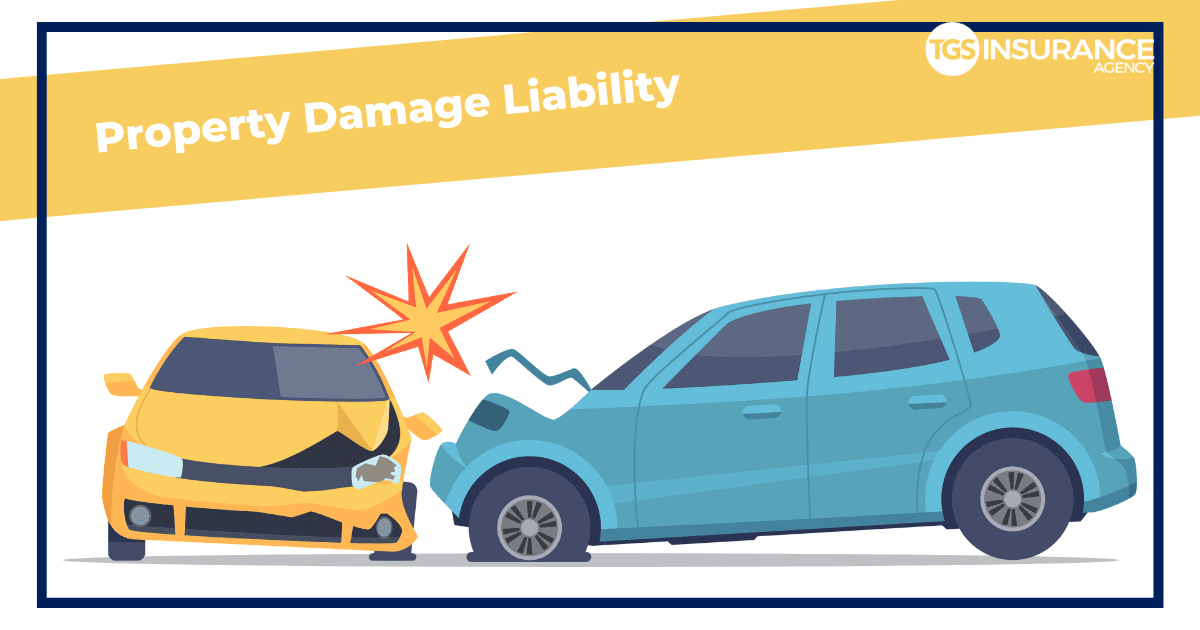
This article delves deep into the mechanisms of property damage liability, exploring its core definitions, the specific scenarios it covers, and equally important, what falls outside its purview. We will also examine how to determine adequate coverage levels and navigate the claims process, providing a comprehensive guide to one of the most vital components of financial protection.
Understanding Property Damage Liability Insurance
At its heart, property damage liability insurance is a promise from an insurer to cover the costs if you or a person covered by your policy accidentally damages property belonging to someone else. This isn’t just a minor convenience; it’s a critical financial buffer that prevents everyday mishaps from turning into devastating financial burdens.
Definition and Core Purpose
Property damage liability is a subset of broader liability insurance. Its fundamental purpose is to pay for repairs or replacement of another person’s property—be it a vehicle, a fence, a building, or personal belongings—when you are legally responsible for causing that damage. This ‘legal responsibility’ often arises from negligence, carelessness, or an accidental act. Importantly, this coverage only applies to damage to third-party property, not your own. If you back your car into your own garage door, property damage liability won’t help; you’d need collision coverage for your car and homeowner’s insurance for your garage.
It’s crucial to distinguish property damage liability from bodily injury liability, which covers medical expenses and lost wages for individuals you injure in an accident. While often bundled together in policies like auto insurance, they serve distinct purposes. Property damage liability focuses solely on the physical assets of others.
Types of Policies Where It’s Found
Property damage liability is not a standalone policy in most cases but rather a core component of several common insurance packages:
-
Auto Insurance: This is perhaps the most familiar context. If you’re at fault in a car accident, your auto property damage liability coverage will pay for the repairs to the other vehicle(s) or any other property (like a lamppost, mailbox, or building) that your car damages. Most states mandate a minimum level of this coverage for all drivers.
-
Homeowners/Renters Insurance: While these policies are primarily known for protecting your own dwelling and belongings, they also include a significant personal liability component. This part covers property damage you (or members of your household) might accidentally cause to someone else’s property away from your home (e.g., your child breaks a neighbor’s window) or even on your own property (e.g., a guest’s expensive vase gets knocked over during a party).
-
Business General Liability Insurance: For businesses, general liability insurance is fundamental. It covers property damage a business might cause to a third party during its operations. This could range from a contractor accidentally damaging a client’s property to a customer slipping and causing damage to store fixtures.
-
Umbrella Policies: These policies provide an additional layer of liability coverage beyond the limits of your primary auto, home, or business policies. They are invaluable for high-net-worth individuals or businesses facing significant risk, offering extended protection for both bodily injury and property damage claims that exceed underlying policy limits.
Who It Protects
Ultimately, property damage liability protects the policyholder from financial loss. When you cause damage to someone else’s property, they have a right to seek compensation. Without adequate liability coverage, you would be personally responsible for these costs, which could range from a few hundred dollars to tens or even hundreds of thousands. By having this insurance, you transfer that financial risk to the insurance company, which will pay legitimate claims on your behalf up to your policy limits, shielding your personal assets from potential lawsuits and judgments.
Specific Scenarios Covered by Property Damage Liability
To truly grasp the scope of this coverage, it’s helpful to consider specific examples across different contexts. These scenarios highlight the breadth of protection that property damage liability offers.
Automotive Accidents
This is the most common application. If you are driving and cause an accident, your auto property damage liability will come into play:
-
Collision with another vehicle: You rear-end another car, causing significant damage to its bumper and trunk. Your policy covers the repairs to the other vehicle.
-
Striking fixed objects: You swerve to avoid an animal and hit a neighbor’s fence, a street sign, or a utility pole. Your policy pays for the replacement or repair of these items.
-
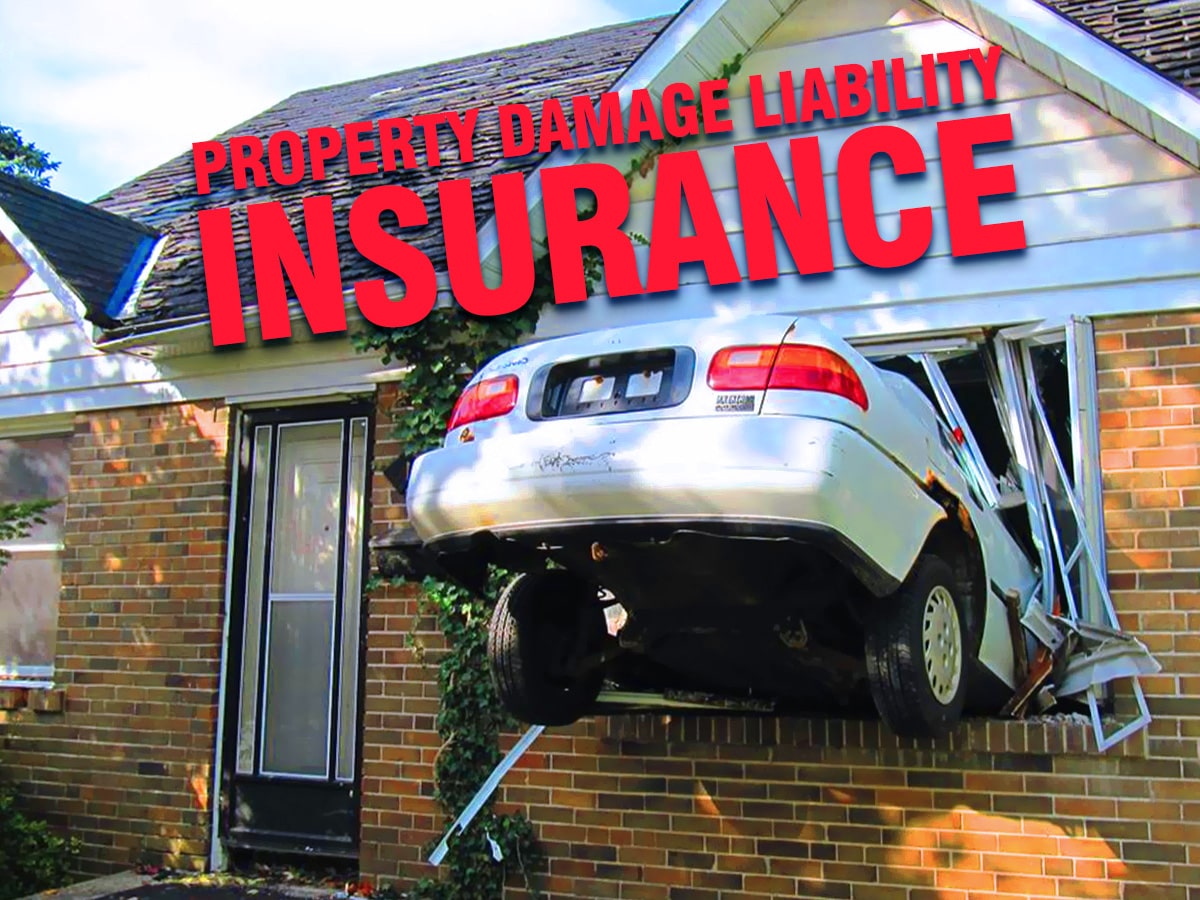
Accidental damage to structures: Perhaps you lose control of your vehicle and drive into the side of a building, a storefront, or a garage. The damage to the structure would be covered.
-
Road debris caused by your vehicle: In some cases, if something falls off your truck and damages another vehicle, your policy might cover the damage to the other vehicle.
Homeowner/Renter Incidents
Your personal liability coverage within your home or renter’s policy can cover a surprisingly wide array of incidents:
-
Tree falling on neighbor’s property: A large tree in your yard falls during a storm, crushing your neighbor’s shed or garage. If your negligence (e.g., failing to prune a clearly diseased tree) is determined to be the cause, your liability coverage could apply.
-
Child’s accidental damage: Your child is playing baseball and hits a ball through a neighbor’s window or damages their prized garden gnomes.
-
Accidental damage during social gatherings: A guest at your party accidentally knocks over an expensive antique vase belonging to the host, or you accidentally spill red wine on a friend’s new carpet while visiting them.
-
Fire or water damage spreading: If a fire starts in your apartment due to your negligence (e.g., leaving a candle unattended) and spreads to a neighboring unit, or a burst pipe in your rental unit causes water damage to the apartment below, your liability coverage could cover the damages to the landlord’s property or your neighbor’s property.
Business Operations
For businesses, general liability insurance is crucial for covering property damage caused during daily operations:
-
Contractor errors: A construction crew working on a client’s home accidentally drills through a water pipe, causing flooding and damage to the client’s flooring and walls.
-
Service professional mishaps: An appliance repair technician accidentally scratches a client’s hardwood floors while moving a refrigerator.
-
Damages to rented premises: A business operating out of a leased commercial space accidentally causes a fire that damages parts of the building structure.
-
Client property damage: A dry cleaner accidentally damages a client’s expensive garments, or a storage facility causes damage to items stored by a customer.
What Property Damage Liability Doesn’t Cover
While property damage liability is extensive, it’s equally important to understand its limitations. Misconceptions about coverage can lead to significant financial gaps and unexpected out-of-pocket expenses.
Damage to Your Own Property
This is the most critical distinction. Property damage liability never covers damage to your own assets.
-
If your car is damaged in an accident you cause, you need collision coverage on your auto policy to repair it.
-
If your home is damaged by a fire or storm, you need the dwelling coverage component of your homeowners policy.
-
If your business equipment or premises are damaged, you need commercial property insurance.
Property damage liability is strictly for damages you cause to someone else’s property.
Intentional Damage

Insurance policies are designed to cover accidental, unforeseen events. If you intentionally damage someone else’s property, your property damage liability coverage will not apply. This exclusion prevents individuals from willfully causing harm and then expecting their insurer to pay for the consequences. This also extends to damages caused by criminal acts or illegal activities.
Bodily Injury
As mentioned, property damage liability is distinct from bodily injury liability. While often packaged together, it will not cover medical bills, lost wages, pain and suffering, or other costs associated with injuries sustained by another person. For that, you need adequate bodily injury liability coverage.
Specific Exclusions
Depending on the policy type, there might be other specific exclusions:
-
Professional Services: Damages arising from professional errors or omissions (e.g., a lawyer giving incorrect advice, an architect designing a faulty structure) typically require professional liability insurance (also known as E&O insurance), not general property damage liability.
-
Contractual Liability: If you assume liability for property damage through a contract (beyond what tort law would normally hold you responsible for), this might be excluded unless specifically endorsed into your policy.
-
Pollution Liability: Environmental damage, such as spills or contamination, often falls under specialized pollution liability insurance rather than standard property damage coverage.
-
Workers’ Compensation: Injuries or property damage caused by an employee to themselves or other employees are covered by workers’ compensation insurance, not general liability.
Understanding these exclusions is vital to avoid dangerous gaps in your overall financial protection strategy.
Determining Adequate Coverage Levels
Choosing the right amount of property damage liability coverage is a critical financial decision. Too little, and you could face significant out-ofpocket expenses; too much, and you might be overpaying for unnecessary protection. The goal is to strike a balance that offers robust security without excessive cost.
Factors to Consider
Several elements should influence your decision on policy limits:
-
Your Assets: The more assets you possess (savings, investments, real estate), the more you stand to lose in a lawsuit if your insurance coverage is insufficient. Higher asset levels generally warrant higher liability limits.
-
Your Risk Profile:
-
Driving Habits: If you commute frequently, drive in congested areas, or have a history of minor accidents, you might want higher auto liability limits.
-
Property Type and Location: If your home is in a densely populated area or near expensive properties, the potential for damage to third-party assets (e.g., a tree falling on a luxury car) could be higher.
-
Business Operations: A business that works with client property, operates heavy machinery, or has significant public interaction faces higher property damage risks.
-
-
Local Repair Costs: The cost of vehicle repairs, property construction, and specialized equipment replacement can vary significantly by region. Researching typical costs for potential damages in your area can help inform your decision.
-
Potential for Large Claims: While a fender bender might cost a few thousand, a multi-car pile-up, hitting a commercial building, or significant damage to high-value property could easily run into hundreds of thousands of dollars.
Policy Limits and Deductibles
Property damage liability coverage comes with specific limits:
-
Per Occurrence Limit: This is the maximum amount your insurer will pay for all property damage resulting from a single incident or accident.
-
Aggregate Limit (primarily for business policies): This is the maximum amount your insurer will pay for all property damage claims over the entire policy period, regardless of the number of occurrences.
Unlike collision or comprehensive auto insurance, property damage liability policies typically do not have a deductible. This means that if you are found liable for damage, the insurer pays from the first dollar, up to your policy limit, without you having to pay an initial amount out-of-pocket.
Umbrella Insurance
For those who want to ensure truly comprehensive protection, umbrella insurance is an invaluable financial tool. It sits above your primary liability policies (auto, home, boat, etc.), providing an extra layer of coverage—typically in increments of $1 million—once the limits of your underlying policies are exhausted. If you cause $500,000 in property damage in an auto accident, and your auto policy only has a $250,000 property damage limit, an umbrella policy would kick in to cover the remaining $250,000, protecting your personal assets from seizure. This is particularly recommended for high-net-worth individuals, business owners, or anyone with significant exposure to liability risks.
Navigating a Property Damage Claim
Despite your best efforts, accidents can happen. Knowing how to react and navigate the claims process efficiently can significantly reduce stress and ensure a smoother resolution.
Immediate Steps After an Incident
If you are involved in an incident that causes property damage to a third party:
-
Ensure Safety: First and foremost, check for injuries. If it’s an auto accident, move vehicles to a safe location if possible.
-
Contact Authorities: For auto accidents, call the police. For other significant incidents (e.g., a tree falling on a neighbor’s house), it might be prudent to involve authorities for documentation.
-
Exchange Information: Get the contact information, insurance details, and vehicle/property specifics of all involved parties.
-
Document Everything: Take photos and videos of the scene, the damage, and any relevant circumstances. Note down the time, date, location, and a factual account of what happened. Do not admit fault at the scene.
-
Seek Witness Information: If there are witnesses, get their contact details.
Filing a Claim
As soon as reasonably possible after ensuring safety and gathering initial information:
-
Contact Your Insurer: Notify your insurance company immediately. They will open a claim and assign a claims adjuster.
-
Provide Details: Be prepared to provide a detailed account of the incident, including any documentation, photos, and contact information you gathered.
-
Cooperate with Investigation: The claims adjuster will investigate the incident, which may involve interviewing you, the third party, and any witnesses, as well as reviewing police reports and damage assessments. Cooperate fully and honestly.
-
Do Not Negotiate Directly: Once the claim is filed, let your insurance company handle negotiations with the third party or their insurer. This is why you pay for liability insurance.
Settlement and Resolution
The claims process culminates in a settlement:
-
Damage Assessment: The insurer will assess the extent of the damage to the third party’s property and determine the cost of repairs or replacement.
-
Negotiation: The adjuster will negotiate with the damaged party (or their insurer) to agree on a fair settlement amount within your policy limits.
-
Payment: Once an agreement is reached, your insurance company will issue payment directly to the repair shop, the property owner, or their insurer.
-
Legal Counsel: In rare cases where fault is heavily disputed, or the claim is exceptionally large and complex, legal counsel may become involved. If the claim exceeds your policy limits, you might face personal liability for the difference, which is why adequate coverage is so crucial.
Conclusion
Property damage liability is far more than just another line item on your insurance bill; it is a critical component of sound financial planning and risk management for individuals and businesses alike. From the everyday fender bender to more significant incidents involving homes or commercial properties, this coverage acts as a robust shield, protecting your assets and financial future from the potentially devastating costs of accidental harm to others’ possessions.
Understanding what it covers, where it applies, and crucially, its limitations, empowers you to make informed decisions about your insurance portfolio. By assessing your risk profile, choosing adequate policy limits, and considering the added layer of an umbrella policy, you can ensure that you are sufficiently protected. When unforeseen events occur, knowing the proper steps to navigate a claim further reinforces your financial security. In an unpredictable world, property damage liability isn’t just an expense—it’s an essential investment in peace of mind and enduring financial stability.
aViewFromTheCave is a participant in the Amazon Services LLC Associates Program, an affiliate advertising program designed to provide a means for sites to earn advertising fees by advertising and linking to Amazon.com. Amazon, the Amazon logo, AmazonSupply, and the AmazonSupply logo are trademarks of Amazon.com, Inc. or its affiliates. As an Amazon Associate we earn affiliate commissions from qualifying purchases.