
The question of “what does Prince Andrew do now?” has become a persistent echo in public discourse, a consequence of a dramatic fall from grace that has irrevocably altered his position within the British Royal Family and his public persona. Once a prominent figure, known for his naval career and royal duties, his current activities are largely defined by the shadows of past allegations and a significantly diminished public role. This article will delve into Prince Andrew’s present circumstances, focusing not on sensationalism but on a professional and insightful analysis of his current brand, the implications for his personal and financial standing, and the strategic challenges he faces in navigating a drastically altered landscape.

The Evolving Landscape of Personal Branding
Prince Andrew’s personal brand, once synonymous with military service, royal engagements, and a certain aristocratic charm, has undergone a catastrophic transformation. The allegations of sexual assault and his association with convicted sex offender Jeffrey Epstein have not just tarnished his reputation; they have fundamentally reshaped public perception. This section explores the components of his current brand and the profound impact of these events.
The Dissolution of a Royal Persona
For decades, Prince Andrew was a senior working royal, undertaking engagements, representing the Queen, and participating in numerous charitable endeavors. His brand was carefully cultivated, projecting an image of duty, service, and aristocratic privilege. This involved a consistent presence at state events, royal tours, and public gatherings, all meticulously managed by the Royal Household’s communications team. His naval background, in particular, was a significant pillar of his public image, often highlighted in official biographies and media portrayals. This projected an aura of discipline, dedication, and patriotism.
However, the eruption of the Jeffrey Epstein scandal and the subsequent civil lawsuit brought forth serious allegations that directly contradicted this carefully constructed persona. The gravity of these accusations, and his subsequent interview on BBC’s Newsnight, further exacerbated the damage. The interview, widely criticized for its perceived lack of empathy and perceived attempt to deflect responsibility, served as a turning point, accelerating the erosion of public trust and goodwill. Consequently, the Royal Family announced that he would cease to use the title “His Royal Highness” in a personal capacity and would no longer undertake public engagements. This was a decisive act, effectively severing his public-facing brand from the core operations of the monarchy and signaling a profound repudiation of his past conduct.
The Impact of Reputational Damage on Brand Equity
The concept of brand equity, typically applied to corporations and products, is equally relevant to individuals, especially those in the public eye. Prince Andrew’s brand equity has been decimated. Key components of brand equity include brand awareness, perceived quality, brand associations, and brand loyalty. While awareness of Prince Andrew remains high, the other elements have suffered immensely.
Perceived quality, in the context of his personal brand, relates to the attributes and behaviors associated with him. The allegations and his handling of them have severely diminished any positive perceptions of his character, integrity, or judgment. Brand associations, once linked to service, philanthropy, and the monarchy, are now overwhelmingly dominated by negative connotations related to the Epstein scandal and his legal troubles. Brand loyalty, from the perspective of public support and endorsement, has evaporated. There is little to no public enthusiasm for his involvement in any initiatives or ventures, a stark contrast to the general support accorded to other working royals. The financial implications of this eroded brand equity are substantial, impacting his ability to secure endorsements, attract investment, or command any form of public patronage.
Strategic Imperatives for Brand Rebuilding (or Management)
The question of rebuilding Prince Andrew’s brand is complex, given the severity and nature of the allegations. Any strategic approach must acknowledge the deeply entrenched negative perceptions. Instead of outright rebuilding, a more realistic focus might be on managed retreat and the preservation of whatever residual brand value can be salvaged, or perhaps a complete redefinition.
One strategic imperative is controlled visibility. This means a significant reduction in public appearances, particularly those with any semblance of royal or official endorsement. His activities are now primarily private, and any public interaction needs to be carefully vetted and managed to avoid further controversy. The focus has shifted from proactive engagement to a reactive stance, where every public move is scrutinized.
Another imperative is demonstrable action. While he has made financial settlements, substantive actions demonstrating remorse, a commitment to ethical conduct, and a genuine understanding of the harm caused are crucial. This could involve discreet support for relevant charities or causes, but only if done in a manner that is not self-serving or exploitative. The challenge here is that any such actions are likely to be viewed with skepticism by a significant portion of the public.
Finally, strategic silence and delegation become paramount. In the absence of a strong positive narrative, the best strategy is often to speak less and allow his existing engagements (however limited) to be managed with minimal public commentary. This involves delegating any responsibilities that can be effectively handled by others and focusing on private pursuits that do not invite public scrutiny. The current situation suggests a strategy focused on damage limitation rather than ambitious brand expansion.
Financial Realities and Future Prospects
The reputational damage suffered by Prince Andrew has had direct and significant financial repercussions. The cost of legal battles, the potential loss of income streams, and the ongoing expenses associated with maintaining his lifestyle present a complex financial picture. This section examines these financial realities and speculates on his future economic prospects.
The Cost of Legal Defense and Settlements
The civil lawsuit filed against Prince Andrew in the United States, alleging sexual assault, proved to be a financially crippling event. While he denied the allegations, the legal process itself incurred substantial costs. These include fees for legal teams, court expenses, and the potential for extensive discovery. The ultimate settlement reached, reportedly in the millions of dollars, represents a direct and tangible financial cost that has undoubtedly impacted his personal wealth.
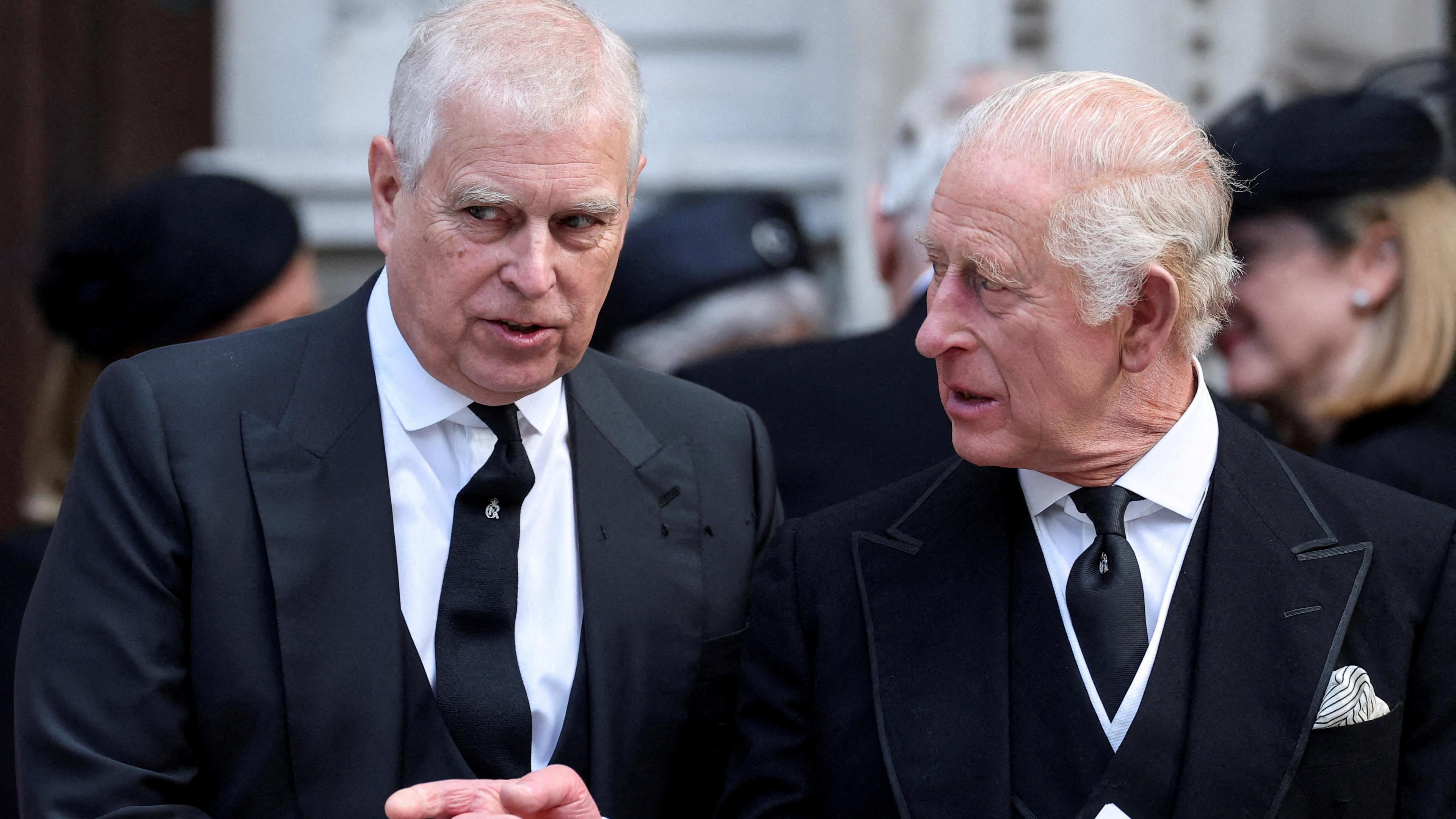
The specifics of the settlement are confidential, but its magnitude underscores the seriousness of the legal challenge and the financial resources required to navigate it. This settlement, combined with the ongoing costs associated with maintaining his lifestyle and any associated security needs, places a significant strain on his financial resources. The ability to absorb such large expenditures without external support is a critical factor in his present financial standing.
Income Streams and Asset Management
Prince Andrew’s primary income streams have historically been derived from his royal allowance, investments, and potentially other private ventures. The severance of his public role has likely impacted any income that was directly or indirectly linked to his royal status. While he is not entirely without financial resources, the reduction in official duties likely means a decrease in the financial support he received from the Sovereign Grant or other royal funds that were tied to his working royal status.
His personal wealth is believed to be substantial, including assets such as property and investments. However, the precise extent of his liquid assets and the income generated from them is not publicly disclosed. The management of these assets becomes increasingly critical in the current climate. He would need to carefully balance income generation with expenditure to ensure long-term financial stability. This involves strategic investment decisions and a prudent approach to personal spending. The ability to maintain his accustomed lifestyle without the former financial backing of the monarchy presents a significant challenge.
The Search for New Economic Avenues
In the wake of his diminished public role, the question of how Prince Andrew will sustain himself economically becomes pertinent. While direct royal patronage is no longer an option, individuals in similar positions often explore alternative avenues for generating income or support.
One possibility lies in private sector consulting or advisory roles. However, the highly controversial nature of his public image poses a significant barrier. Many companies would be wary of associating with him due to the reputational risk. Any such engagement would require careful vetting by the potential employer and a discreet, low-profile approach. The types of roles would likely be limited to areas where his past experience might be seen as valuable, such as international business or perhaps his prior involvement in trade and export promotion, though even these are tainted by his current standing.
Another avenue could be philanthropic endeavors, but again, with significant caveats. His past patronage of charities is well-documented, but any new involvement would need to be carefully managed to avoid accusations of self-serving behavior or an attempt to leverage his name for personal gain. Discreet, behind-the-scenes support or advisory roles on charitable boards, focused on specific causes rather than high-profile public engagements, might be more feasible.
The most likely scenario, however, is a continued reliance on private wealth management and potentially the support of close family. Without any substantial new income streams that are widely publicized, his ability to fund his lifestyle will depend heavily on the prudent management of his existing assets and any financial contributions he might receive from his ex-wife, Sarah Ferguson, or other family members. The era of prominent public engagement as a source of income or influence is definitively over, forcing a transition to a more private and financially constrained existence.
The Repercussions for the Royal Brand and Future Succession
Prince Andrew’s current status and past actions have had a ripple effect, not only on his personal brand but also on the broader perception of the Royal Family and the dynamics of succession. This section examines these broader implications.
Impact on the Monarchy’s Public Image
The scandals involving Prince Andrew have undoubtedly cast a shadow over the monarchy. As an institution that relies heavily on public trust and a carefully maintained image of probity and service, the allegations and his subsequent ostracization represent a significant challenge. The decision to distance the Crown from him was a necessary step to protect the monarchy’s reputation, but the association, however diminished, remains a point of contention for some.
The monarchy’s brand is built on continuity, stability, and moral leadership. Any significant deviation from these core tenets, especially when it involves serious accusations, can erode public confidence. The extensive media coverage and public discussion surrounding Prince Andrew’s situation have forced the monarchy to navigate difficult public relations waters. Their response, by firmly distancing themselves, demonstrated a commitment to upholding standards, but the damage to the overall perception of the Royal Family has been undeniable. It has highlighted the inherent vulnerability of even the most established institutions to individual misconduct.
The Succession and Future Roles
Prince Andrew was once considered a potential figure in the future of the monarchy, particularly during the reigns of his mother and, potentially, his brother. However, his current standing has effectively removed him from any meaningful role in the succession or any future leadership within the institution. His children, Princess Beatrice and Princess Eugenie, hold positions further down the line of succession, and their public profiles are managed differently, often focused on their own careers and families rather than being integral to the core workings of the monarchy.
The focus has shifted to the next generation, with Prince William and his family increasingly taking on prominent roles. This is a natural progression, but the circumstances surrounding Prince Andrew’s departure from public life have accelerated this shift and underscored the importance of maintaining a strong and unblemished line of succession. The Royal Family must continually present a united front of integrity, and individuals whose actions compromise that integrity are necessarily sidelined. His future role, therefore, is not one of leadership or representation, but of a private citizen whose connection to the Crown is now primarily familial rather than functional.
Navigating the Long Shadow of Controversy
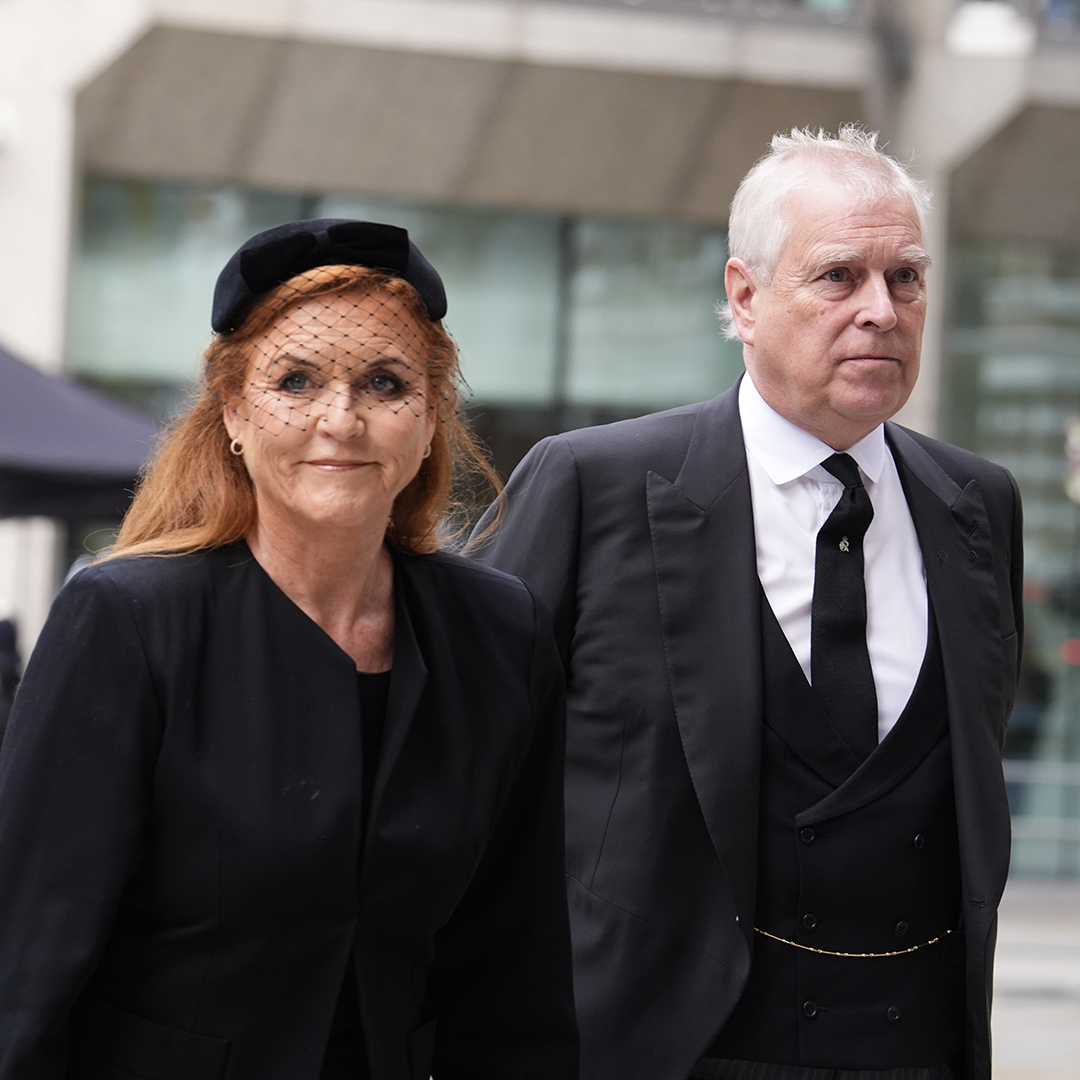
The “long shadow of controversy” that Prince Andrew now inhabits is a testament to the enduring impact of his past. Even with his reduced public profile, his name remains associated with the Epstein scandal. This presents a unique challenge for anyone seeking to re-engage with him in a professional or public capacity. The media scrutiny, while perhaps less intense than during the peak of the legal proceedings, remains a constant factor.
For Prince Andrew, the path forward is one of quiet existence, focusing on his personal life and managing his affairs with minimal public attention. Any attempt to regain a semblance of his former public standing would likely be met with significant resistance and skepticism. The lessons learned from his experiences are profound, not only for him but for any public figure who relies on their reputation as a cornerstone of their influence and livelihood. The digital age ensures that past transgressions, once brought to light, can have a prolonged and impactful legacy, making the management of personal brand and financial well-being an ongoing and critical endeavor.
aViewFromTheCave is a participant in the Amazon Services LLC Associates Program, an affiliate advertising program designed to provide a means for sites to earn advertising fees by advertising and linking to Amazon.com. Amazon, the Amazon logo, AmazonSupply, and the AmazonSupply logo are trademarks of Amazon.com, Inc. or its affiliates. As an Amazon Associate we earn affiliate commissions from qualifying purchases.