
In the contemporary digital landscape, streaming services have evolved from simple repositories of licensed content into complex technological ecosystems. Prime Video, a cornerstone of the Amazon digital suite, represents a sophisticated convergence of cloud computing, high-definition audio-visual standards, and proprietary software features. When users ask what Prime Video includes, they are not merely asking about a library of films and television shows; they are inquiring about a multifaceted platform that integrates cutting-edge streaming tech, diverse content delivery models, and cross-platform hardware compatibility.
Understanding the full scope of Prime Video requires a deep dive into the technical architecture that powers the service, the unique software enhancements that distinguish it from competitors, and the expansive digital infrastructure that allows it to operate seamlessly across thousands of device types.
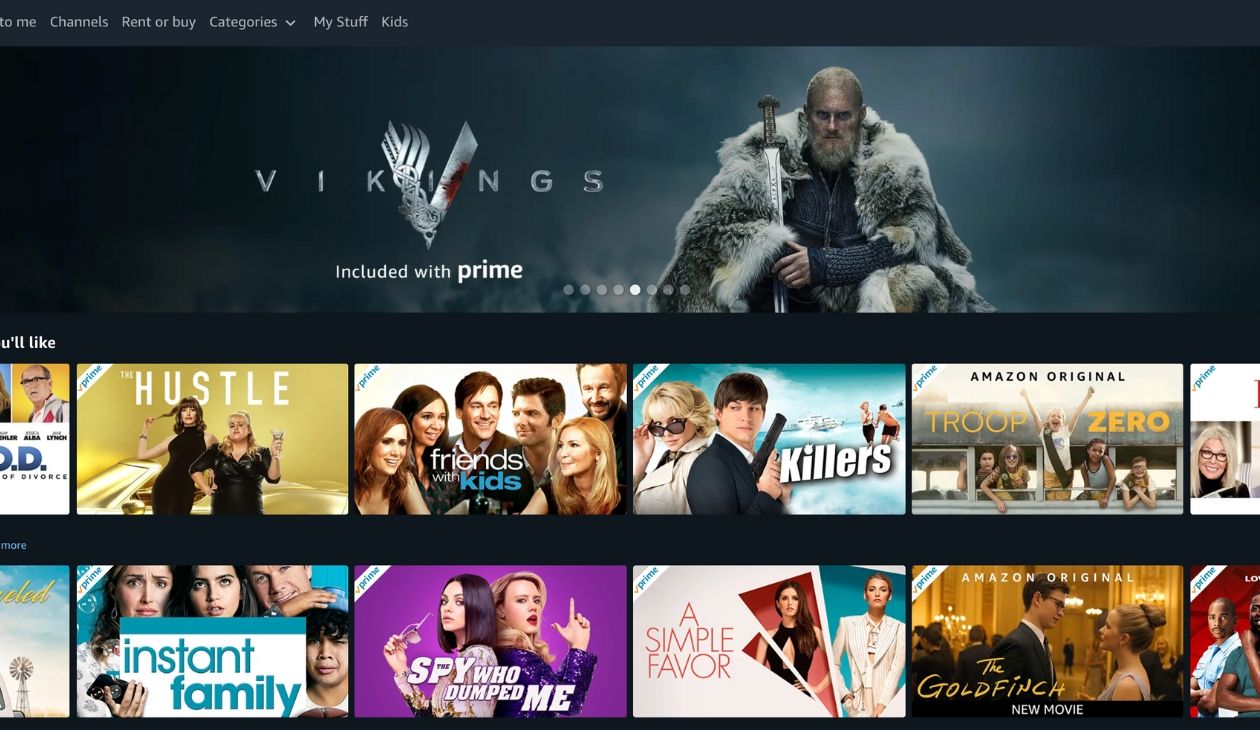
The Technical Infrastructure of a Global Streaming Powerhouse
At its core, Prime Video is a testament to the power of Amazon Web Services (AWS). Unlike many other streaming platforms that rely on third-party cloud providers, Prime Video leverages its own global content delivery network (CDN) and cloud infrastructure. This integration allows for a level of technical optimization that minimizes latency and ensures high availability even during peak traffic events, such as live sports broadcasts.
Adaptive Bitrate Streaming and Compression
Prime Video utilizes advanced adaptive bitrate streaming (ABS) technologies. This system involves encoding video files into various quality levels and segments. As a user watches a program, the Prime Video player constantly monitors the bandwidth of the local internet connection and adjusts the stream’s quality in real-time. This ensures that the video continues to play without buffering, even if the user’s network speed fluctuates.
Furthermore, the service employs modern video codecs such as HEVC (High Efficiency Video Coding) and is increasingly adopting AV1. These codecs allow Prime Video to deliver high-resolution content—including 4K Ultra HD—using significantly less data than older standards like H.264. For users, this means a sharper image with fewer compression artifacts, even on mobile connections with limited data throughput.
High-Fidelity Audio and Visual Standards
What Prime Video includes in its technical package is a suite of premium visual and auditory protocols. The service supports multiple High Dynamic Range (HDR) formats, including HDR10, HDR10+, and Dolby Vision. These technologies expand the color gamut and contrast ratio of the video, providing deeper blacks and more vibrant highlights on compatible displays.
On the audio front, Prime Video includes support for Dolby Atmos and 5.1 Surround Sound. By utilizing object-based audio, Dolby Atmos creates a three-dimensional soundscape that allows viewers with compatible soundbars or home theater systems to experience immersive environments. This technical depth is standard across many Prime Original titles, ensuring that the software matches the quality of high-end cinema hardware.
Proprietary Features and Software Enhancements
Beyond the raw delivery of video data, Prime Video includes several proprietary software features that enhance the user experience and provide utility not found in other streaming apps. These features are deeply integrated into the interface and utilize Amazon’s massive metadata databases.
X-Ray: Real-Time Data Integration
Perhaps the most notable feature included in Prime Video is “X-Ray.” Powered by IMDb (an Amazon subsidiary), X-Ray provides an interactive overlay that gives users instant access to actor biographies, character names, soundtrack information, and trivia while a video is playing.
From a technical standpoint, X-Ray is a data-driven layer that synchronizes metadata with specific timestamps in the video file. It allows users to identify a song playing in a scene or jump to a specific actor’s filmography without leaving the application. This level of integration transforms the passive viewing experience into an active, informative session, leveraging Amazon’s vast digital library to add context to every frame.
AI-Driven Personalization and Navigation
The Prime Video interface is driven by a sophisticated recommendation engine. Using machine learning algorithms, the platform analyzes viewing history, search queries, and even the time of day to curate a personalized “Home” screen. This AI-driven approach is designed to reduce “choice paralysis” by surfacing content that aligns with specific user preferences.
Additionally, the software includes “Watch Parties,” a feature that allows users to synchronize a video stream with up to 100 other participants. This includes a built-in chat function, enabling a shared social experience through the web browser or mobile app. The technical challenge of synchronizing high-definition video across various geographic locations and network speeds is managed by Prime Video’s robust backend synchronization protocols.
Content Distribution Models: VOD, SVOD, and Live Streaming
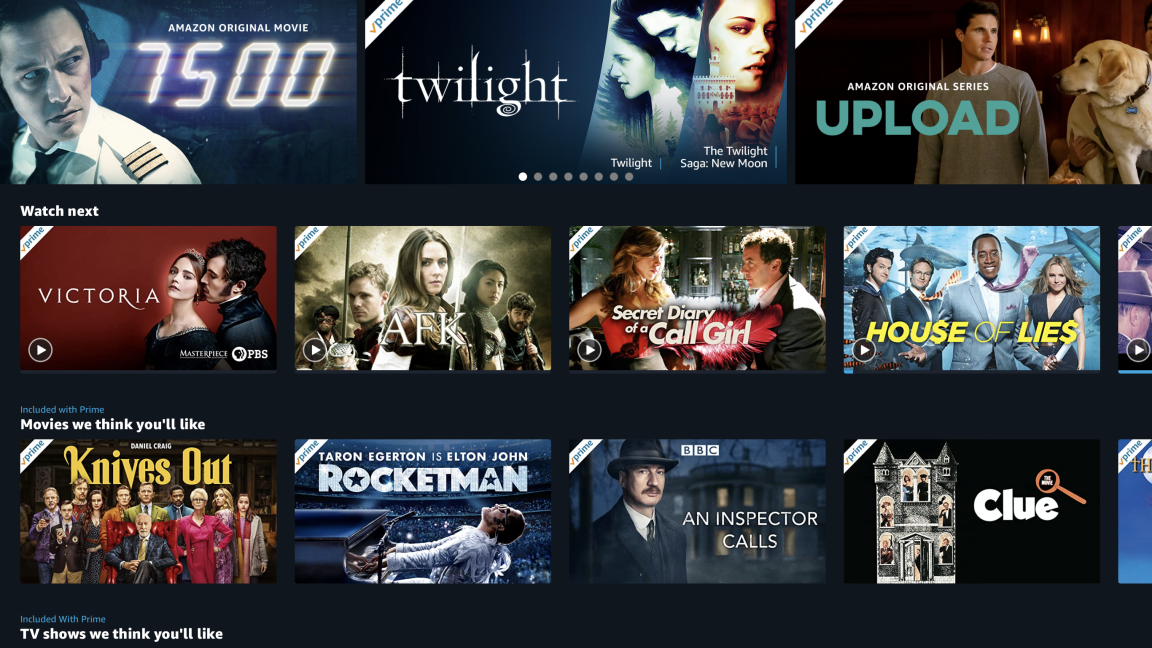
When exploring what Prime Video includes, it is essential to distinguish between the different layers of its digital service model. Unlike “pure” subscription video-on-demand (SVOD) services, Prime Video functions as a hybrid platform that encompasses several content delivery methods.
Subscription Video on Demand (SVOD)
The primary tier included with an Amazon Prime membership is the SVOD library. This includes thousands of licensed titles and a growing roster of “Amazon Originals.” These are high-production-value series and films produced specifically for the platform. The SVOD component is the “all-you-can-watch” portion of the service, available to any user with an active subscription.
Transactional Video on Demand (TVOD): The Store
Prime Video also includes a comprehensive digital storefront. This allows users to rent or purchase movies and TV shows that are not part of the standard Prime subscription. This TVOD model gives users the flexibility to access the latest blockbuster releases shortly after their theatrical runs. Purchased content is stored in a digital “Cloud Library,” which is accessible across all devices linked to the Amazon account.
Prime Video Channels and Live Events
The platform further includes a “Channels” feature, which acts as a technical bridge to third-party streaming services like Paramount+, Max, or Starz. Instead of maintaining separate apps and billing cycles, users can subscribe to these premium networks directly through the Prime Video interface.
In recent years, Prime Video has significantly expanded its inclusion of live sports. Through high-bandwidth live-streaming technology, the service hosts exclusive broadcasts of major sporting events, such as Thursday Night Football in the U.S. This requires a different technical approach than pre-recorded video, involving low-latency encoding to ensure that the live action is delivered to millions of viewers simultaneously with minimal delay.
Cross-Platform Compatibility and Hardware Integration
A critical component of what Prime Video includes is its near-universal accessibility. Amazon has developed and maintained specialized applications for a vast array of operating systems and hardware configurations.
Mobile and Desktop Applications
Prime Video includes dedicated apps for iOS and Android, which are optimized for touch interfaces and mobile battery efficiency. A key feature of these mobile apps is “Offline Viewing,” which allows users to download content directly to their device’s local storage. The software manages these downloads with sophisticated digital rights management (DRM) to ensure content security while allowing for playback in environments without internet access.
For desktop users, Prime Video is available through any modern web browser or as a dedicated Windows/macOS application. The web-based player utilizes HTML5 and Encrypted Media Extensions (EME) to provide a secure, high-quality viewing experience without the need for external plugins.
Smart TVs, Consoles, and Fire TV Ecosystem
The service is deeply integrated into the “Big Screen” experience. It is pre-installed or available on nearly every major Smart TV platform (Samsung Tizen, LG webOS, Sony Android TV). It is also compatible with gaming consoles like the PlayStation 5 and Xbox Series X/S.
Naturally, Prime Video is the centerpiece of the Amazon Fire TV ecosystem. On Fire TV devices, the Prime Video software is integrated directly into the operating system’s home screen. This integration includes deep-link voice control via Alexa, allowing users to search for content, control playback, or launch specific “Channels” using voice commands.
Digital Security and User Management Features
Security and personalization are foundational to the Prime Video experience. The service includes a suite of tools designed to protect user data and manage how content is consumed within a household.
Profiles and Parental Controls
Prime Video allows for the creation of up to six individual user profiles under a single account. Each profile maintains its own watch list, viewing progress, and personalized recommendations. This is particularly important for households with children, as the service includes robust parental control settings. Parents can set PIN-protected restrictions based on content ratings, ensuring that younger viewers only access age-appropriate material. These settings are synchronized across all devices, providing a consistent safety net.
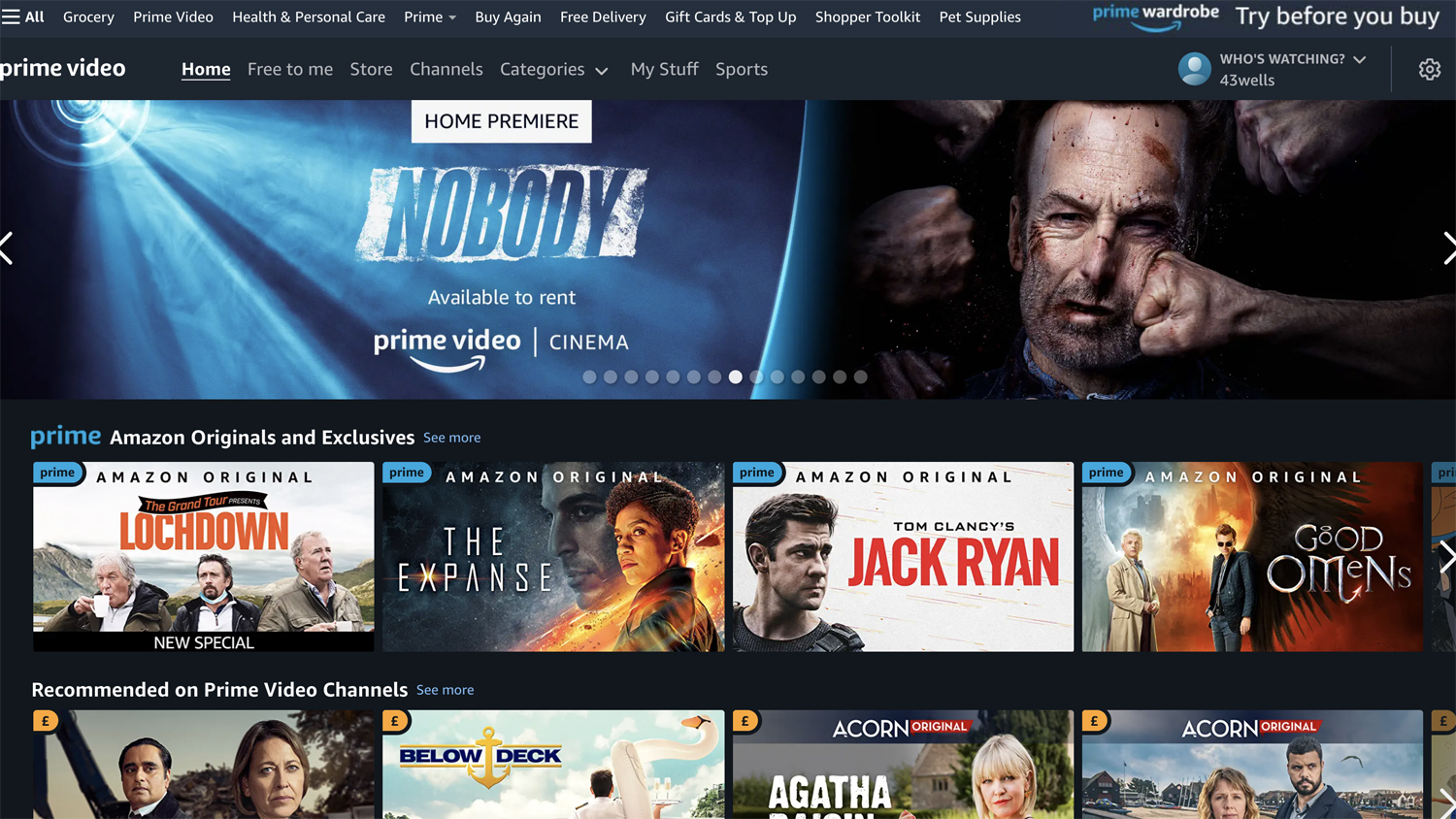
Digital Rights Management (DRM) and Account Security
To protect intellectual property, Prime Video includes industry-standard DRM technologies, such as Google Widevine, Apple FairPlay, and Microsoft PlayReady. These systems encrypt the video stream and verify that the viewing device is authorized to play the content.
On the user side, security is managed through Amazon’s unified account system. This includes two-factor authentication (2FA) and login notifications, ensuring that the user’s subscription and payment information remain secure. The service also provides a “Devices” management dashboard, where users can see every piece of hardware authorized to use their account and remotely de-register devices if they are lost or sold.
In summary, Prime Video is a sophisticated digital platform that includes much more than a catalog of entertainment. It is a synthesis of advanced cloud infrastructure, proprietary metadata tools like X-Ray, high-end audio-visual protocols, and a flexible content delivery model that spans from SVOD to live sports. By maintaining a focus on cross-platform compatibility and technical excellence, Prime Video has positioned itself as a primary hub for modern digital media consumption.
aViewFromTheCave is a participant in the Amazon Services LLC Associates Program, an affiliate advertising program designed to provide a means for sites to earn advertising fees by advertising and linking to Amazon.com. Amazon, the Amazon logo, AmazonSupply, and the AmazonSupply logo are trademarks of Amazon.com, Inc. or its affiliates. As an Amazon Associate we earn affiliate commissions from qualifying purchases.