
Amazon Prime is far more than just a subscription service; it stands as a colossal pillar of Amazon’s corporate identity and a masterclass in modern brand strategy. For consumers, it often signifies convenience, speed, and a bundle of digital entertainment. But from a brand perspective, Prime is a meticulously crafted loyalty program, a sophisticated data-gathering mechanism, and a powerful competitive differentiator that has fundamentally reshaped e-commerce and consumer expectations. Understanding “what Prime means” requires looking beyond its immediate transactional benefits and delving into its strategic role in Amazon’s overarching brand narrative and its profound impact on cultivating enduring customer relationships.
Launched in 2005, Prime was initially perceived as an audacious gamble: offering unlimited two-day shipping for an annual fee. At a time when free shipping was a rarity, this move was revolutionary. However, its true genius lay not just in the shipping perk itself, but in its ability to anchor customers to the Amazon ecosystem, creating a powerful flywheel effect that continues to drive the company’s growth and solidify its brand dominance. Prime has evolved from a shipping service into a comprehensive lifestyle brand, encapsulating Amazon’s vision of being “the everything store” that anticipates and fulfills virtually every customer need. This article will explore Prime through the lens of brand strategy, examining its genesis, its role in Amazon’s identity, its multifaceted value proposition, and its future trajectory in a competitive market.
The Genesis of a Retail Phenomenon: Prime’s Strategic Launch
The introduction of Amazon Prime in 2005 was not merely an operational decision; it was a bold strategic move designed to redefine customer expectations and build an unparalleled level of brand loyalty. At its core, Prime addressed significant pain points in online shopping, while simultaneously laying the groundwork for a highly sticky, indispensable service.
Beyond Free Shipping: Solving Customer Pain Points
Before Prime, online shopping was often characterized by unpredictable shipping costs and agonizing wait times. This friction point was a major barrier to widespread e-commerce adoption and repeat purchases. Amazon recognized that the high cost and slow speed of delivery were undermining the convenience promised by online retail. By offering unlimited two-day shipping for a flat annual fee, Prime directly attacked these pain points. It transformed a variable, often irritating, cost into a predictable, fixed investment, essentially “de-risking” the shipping decision for consumers. This move was a direct response to customer frustrations, presenting Amazon as a brand that genuinely understood and prioritized its users’ needs. The initial focus on shipping was a genius move because it directly impacted the most common interaction customers had with Amazon – receiving their purchases. This immediate, tangible benefit formed the bedrock of Prime’s early brand promise.
Cultivating Exclusivity: The Membership Model’s Allure
Prime’s subscription model inherently fostered a sense of exclusivity and belonging. By becoming a “Prime member,” customers were elevated from casual shoppers to privileged insiders. This psychological shift is a powerful branding tool. Members, having made an annual commitment, are psychologically more inclined to consolidate their shopping on Amazon to maximize the perceived value of their subscription. This commitment transforms transactional relationships into relational ones. The “club” aspect of Prime tapped into a fundamental human desire for belonging and special treatment. This exclusivity wasn’t just about getting free shipping; it was about being part of an elite group that enjoyed a superior shopping experience. This feeling of being valued and prioritized became a cornerstone of the Prime brand experience, subtly influencing purchasing behavior and strengthening the emotional bond between the customer and Amazon.
Prime as a Pillar of Amazon’s Corporate Identity
Over the years, Prime has transcended its origins as a shipping service to become an indelible part of Amazon’s corporate identity. It’s no longer just an add-on; it’s intrinsically woven into the fabric of what Amazon represents to millions globally.
Reinforcing the “Everything Store” Vision
Amazon’s long-standing ambition has been to be “the everything store,” a single destination for all consumer needs. Prime acts as the glue that binds this vast ecosystem together. By continuously adding services like Prime Video, Prime Music, Prime Reading, Twitch Prime, and exclusive deals at Whole Foods, Amazon leverages the Prime membership to introduce customers to its expanding array of offerings. Each new service under the Prime umbrella reinforces the idea that Amazon isn’t just a retailer but a comprehensive lifestyle provider. This strategy significantly increases the “switching cost” for members; leaving Prime means giving up not just shipping but a myriad of entertainment, shopping, and convenience benefits. This reinforces Amazon’s brand promise of unparalleled choice and convenience, making the brand synonymous with integrated, seamless living.
A Halo Effect: Enhancing Brand Perception
The Prime brand generates a powerful halo effect that positively influences the perception of the entire Amazon enterprise. The consistent delivery of value, speed, and convenience through Prime enhances customer trust and satisfaction, which in turn reflects positively on all Amazon’s ventures. When customers have a positive experience with Prime shipping or Prime Video, that goodwill extends to their perception of Amazon Web Services (AWS), Amazon Alexa, or even Amazon’s grocery initiatives. Prime acts as a quality assurance stamp, signaling to customers that any product or service associated with it meets a certain standard of excellence and reliability. This positive association strengthens Amazon’s overall brand equity, making it a more trusted and preferred choice in a competitive market.
Data-Driven Branding: Personalization and Retention
Prime is a goldmine for data. The sheer volume of purchasing, viewing, and listening habits collected from Prime members provides Amazon with unparalleled insights into consumer behavior. This data is crucial for refining Amazon’s personalization algorithms, leading to highly targeted recommendations, promotions, and product development. From a brand perspective, this personalization fosters a deeper sense of understanding and connection with the customer. When Amazon suggests products or content that perfectly align with a member’s interests, it reinforces the brand’s image as intuitive and customer-centric. Furthermore, this data is instrumental in driving retention strategies, allowing Amazon to identify at-risk members and proactively offer incentives or new benefits to keep them engaged. This data-driven approach ensures that the Prime brand remains relevant and valuable to each individual member, bolstering long-term loyalty.
The Multifaceted Value Proposition: Beyond Transactional Benefits
The success of Amazon Prime lies in its ability to offer a value proposition that extends far beyond simple transactional savings. It builds an intricate ecosystem designed to entrench the customer, creating emotional connections and establishing a significant competitive moat.
Entrenching the Customer Journey: The Prime Ecosystem
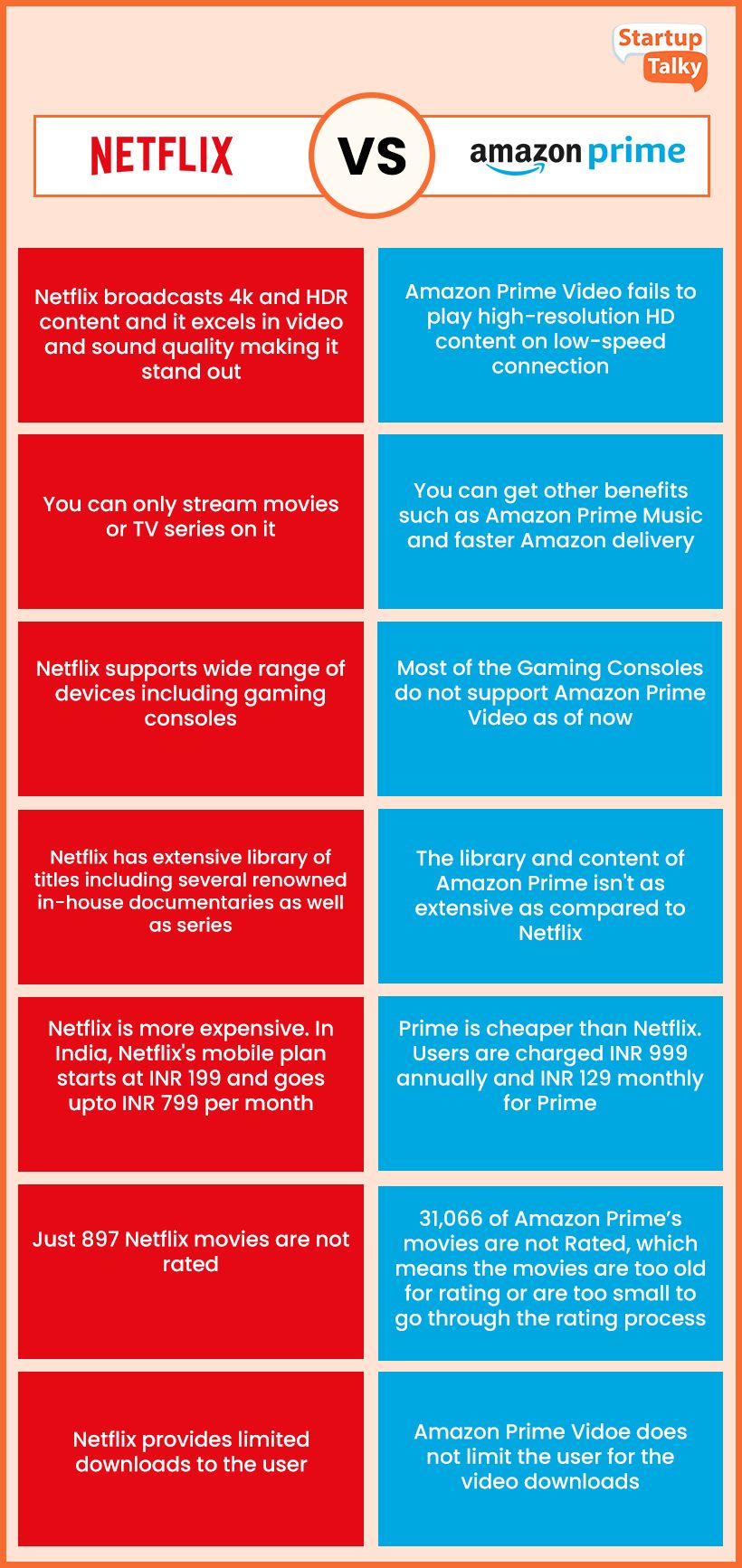
Prime has evolved from a single benefit to a comprehensive ecosystem that touches nearly every aspect of a member’s digital and physical life. From lightning-fast delivery (Prime Air, same-day delivery) to exclusive deals (Prime Day), and a robust entertainment suite (Prime Video, Music, Reading, Gaming), Prime actively seeks to fulfill diverse customer needs within its own walled garden. This multi-layered approach ensures that customers are not just visiting Amazon for a single purpose but are immersed in a continuous “Amazon journey.” The more services a member utilizes within the Prime ecosystem, the deeper their integration and the stronger their reliance on the Amazon brand. This holistic approach makes Amazon the default choice for a multitude of activities, securing a greater share of the customer’s wallet and, more importantly, their time and attention.
Building Emotional Connections: Convenience, Trust, and Aspiration
At its heart, successful branding builds emotional connections. Prime achieves this by consistently delivering convenience, fostering trust, and tapping into aspirations for a frictionless life. The promise of “free and fast” shipping reduces stress and friction in purchasing decisions, creating a sense of ease and reliability. Prime Video offers escape and entertainment, while Prime Reading provides intellectual stimulation. These benefits contribute to an overall sense of wellbeing and satisfaction that customers associate with the Amazon brand. The seamlessness of the Prime experience—ordering something and having it arrive quickly, or instantly streaming a movie—creates a subconscious feeling of being cared for and valued. This emotional bond transcends mere discounts; it builds a foundation of trust that makes customers loyal advocates for the Amazon brand.
Prime as a Competitive Moat: Differentiating in the E-commerce Landscape
In an increasingly crowded e-commerce landscape, Prime serves as Amazon’s most formidable competitive moat. While competitors can replicate free shipping or offer streaming services, few can match the breadth, depth, and seamless integration of the Prime ecosystem. The cumulative value of Prime’s various benefits, combined with its established brand recognition, makes it incredibly difficult for rivals to lure away existing members. This differentiation is crucial; it allows Amazon to maintain its market leadership, command pricing power, and continuously innovate without fear of immediate erosion of its customer base. Prime effectively raises the barrier to entry for new competitors and puts immense pressure on existing ones to constantly match or exceed Amazon’s offerings, often at a significant financial strain.
The Future of Prime: Evolving the Brand Experience
The success of Prime is not static; it’s a testament to Amazon’s continuous innovation and willingness to evolve its brand experience. Looking ahead, Prime will continue to adapt to changing consumer behaviors and technological advancements.
Expanding Reach: Global Growth and Local Adaptation
Prime’s global footprint is continually expanding, but success requires more than just replication. Future growth will involve meticulous local adaptation, understanding regional preferences, logistical challenges, and cultural nuances. This means tailoring Prime’s benefits, pricing, and marketing messages to resonate with diverse international audiences. For instance, Prime benefits in India might emphasize local content and mobile-first experiences, while in Europe, the focus might be on sustainable delivery options. Amazon will need to skillfully balance its global brand identity with localized offerings to ensure Prime remains relevant and compelling in every market it enters, solidifying its brand presence worldwide.
Innovation and Integration: New Services and Seamless Experiences
The future of Prime will undoubtedly involve further innovation and deeper integration of services. Expect to see new technologies like AI and augmented reality enhance the shopping experience, personalized healthcare benefits, or even more advanced smart home integrations. The goal will be to make Prime an even more indispensable part of daily life, anticipating needs before customers even realize them. Seamless experiences, where ordering groceries flows into streaming a movie, which then suggests related products, will become even more refined. This continuous innovation ensures that the Prime brand remains cutting-edge and continues to justify its value proposition in an ever-evolving digital landscape.
Sustaining Loyalty in a Crowded Subscription Economy
The biggest challenge for Prime moving forward will be sustaining loyalty in a subscription economy saturated with competing services. Consumers are increasingly discerning about where they allocate their subscription dollars. To maintain its stronghold, Prime will need to consistently demonstrate its unique value, perhaps through more exclusive content, innovative perks, or community-building initiatives. It will also need to address potential “subscription fatigue” by ensuring the perceived value of Prime membership always outweighs its cost, reinforcing the brand’s promise of unparalleled convenience and comprehensive benefits. Clear communication of new features and ongoing engagement with members will be paramount to prevent churn.

Conclusion: Prime’s Enduring Legacy in Brand Building
Amazon Prime is a masterful example of brand building that goes beyond mere product features. It’s a strategic ecosystem that has successfully redefined customer expectations, cultivated deep loyalty, and established an unshakeable competitive advantage. From its initial focus on solving shipping pain points to its evolution into a comprehensive lifestyle brand, Prime embodies Amazon’s relentless pursuit of customer obsession. It stands as a testament to the power of a well-executed membership model, demonstrating how a brand can strategically entrench itself in consumer lives through a combination of tangible benefits, emotional connections, and data-driven personalization. “What Prime means on Amazon” is ultimately the meaning of a brand that has perfected the art of making itself indispensable, creating a loyal customer base that views their membership not as a cost, but as an essential key to a more convenient, entertaining, and efficient life. As Amazon continues to innovate, Prime will undoubtedly remain at the forefront of its brand strategy, shaping the future of retail and customer engagement for years to come.
aViewFromTheCave is a participant in the Amazon Services LLC Associates Program, an affiliate advertising program designed to provide a means for sites to earn advertising fees by advertising and linking to Amazon.com. Amazon, the Amazon logo, AmazonSupply, and the AmazonSupply logo are trademarks of Amazon.com, Inc. or its affiliates. As an Amazon Associate we earn affiliate commissions from qualifying purchases.