
The phrase “pressing charges” is a cornerstone of legal discourse, often appearing in news reports, crime dramas, and everyday conversations about the justice system. While its meaning seems straightforward, delving deeper reveals a complex interplay of legal processes, individual agency, and the functioning of law enforcement. Fundamentally, pressing charges signifies an individual’s intent to initiate a criminal prosecution against another person by formally notifying law enforcement or a prosecutor of a crime they believe has occurred. This action sets in motion a series of legal steps that can lead to an investigation, arrest, and potentially, a court trial. Understanding the nuances of this process is crucial for both those who might find themselves in a position to press charges and those who may be subject to them. It illuminates the power individuals hold within the legal framework and the responsibilities that come with exercising that power.
The Role of the Individual in Initiating Criminal Proceedings
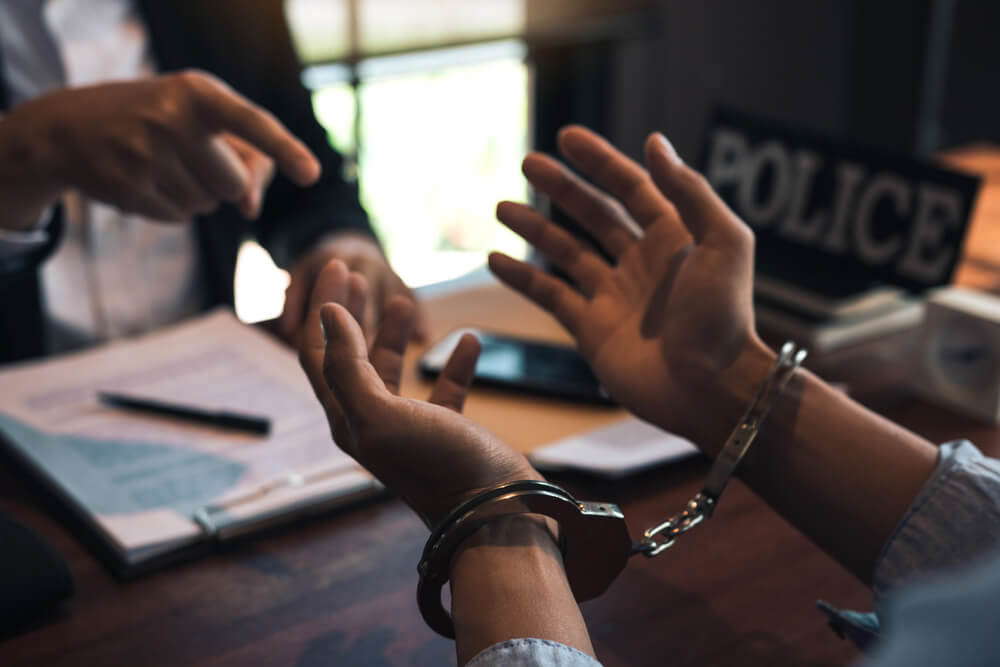
When an individual decides to “press charges,” they are not directly filing a lawsuit in the way one might sue for damages in a civil case. Instead, their action is directed at the state, which is the entity responsible for prosecuting criminal offenses. The individual acts as the complainant or victim, providing the initial information that triggers the legal machinery. This distinction is vital: the state, represented by a prosecutor, ultimately decides whether to pursue a case, not the individual who reported the crime.
Reporting the Offense to Law Enforcement
The first, and often most critical, step in pressing charges involves reporting the alleged crime to the appropriate law enforcement agency. This could be the local police department, a sheriff’s office, or even a specialized agency depending on the nature of the offense (e.g., FBI for federal crimes). When an individual reports a crime, they are providing the raw information that law enforcement will use to assess the situation. This typically involves providing a detailed account of what happened, who was involved, when and where it occurred, and any evidence available.
At this stage, law enforcement officers will gather information, and depending on the circumstances, they may conduct an immediate investigation. This could involve interviewing witnesses, securing a crime scene, and collecting physical evidence. The officer’s assessment of the situation, based on the information provided by the complainant and any initial findings, will inform their next steps. In some cases, if there is probable cause to believe a crime has been committed and a specific individual is responsible, an arrest may be made.
The Distinction Between Reporting and Prosecuting
It is imperative to understand that an individual reporting a crime does not automatically mean charges will be pressed or that a prosecution will occur. The decision to formally charge a suspect rests with a prosecutor, who is an attorney employed by the government (e.g., a District Attorney or State’s Attorney). Prosecutors review the evidence gathered by law enforcement to determine if there is sufficient probable cause to believe that a crime was committed and that the accused person committed it.
The complainant’s desire to “press charges” is a strong indicator of their wishes, and prosecutors will often give significant weight to the victim’s statement. However, they are not bound by the victim’s request. Prosecutors have a duty to seek justice, which involves considering all aspects of a case, including the strength of evidence, the likelihood of conviction, and the overall interests of the public. In some instances, a prosecutor might decide not to proceed with charges even if the victim strongly wishes to, perhaps due to insufficient evidence, legal technicalities, or other strategic considerations. Conversely, in rare cases, a prosecutor might decide to pursue charges even if the victim is hesitant, particularly in cases involving serious offenses or where there is a strong public interest in prosecution.
The Formal Process of Filing Charges
Once a prosecutor decides to move forward with a case, the formal process of filing charges begins. This is the official initiation of criminal proceedings and signifies that the state is taking legal action against an individual. The method by which charges are filed can vary depending on the jurisdiction and the severity of the alleged offense.
Indictment by a Grand Jury
For serious felonies in many jurisdictions, the charging process involves a grand jury. A grand jury is a group of citizens who are convened to hear evidence presented by the prosecutor. The grand jury’s role is not to determine guilt or innocence but rather to decide if there is probable cause to believe that a crime has been committed and that the accused person should be brought to trial. The proceedings of a grand jury are typically secret, and the defendant and their attorney are usually not present.
If the grand jury finds sufficient evidence, they will issue an indictment, also known as a “true bill.” This indictment formally accuses the defendant of specific crimes. Once an indictment is returned, the defendant can be arrested or, if already arrested, will be formally arraigned on the charges. The indictment serves as the legal basis for the prosecution.
Filing an Information or Complaint
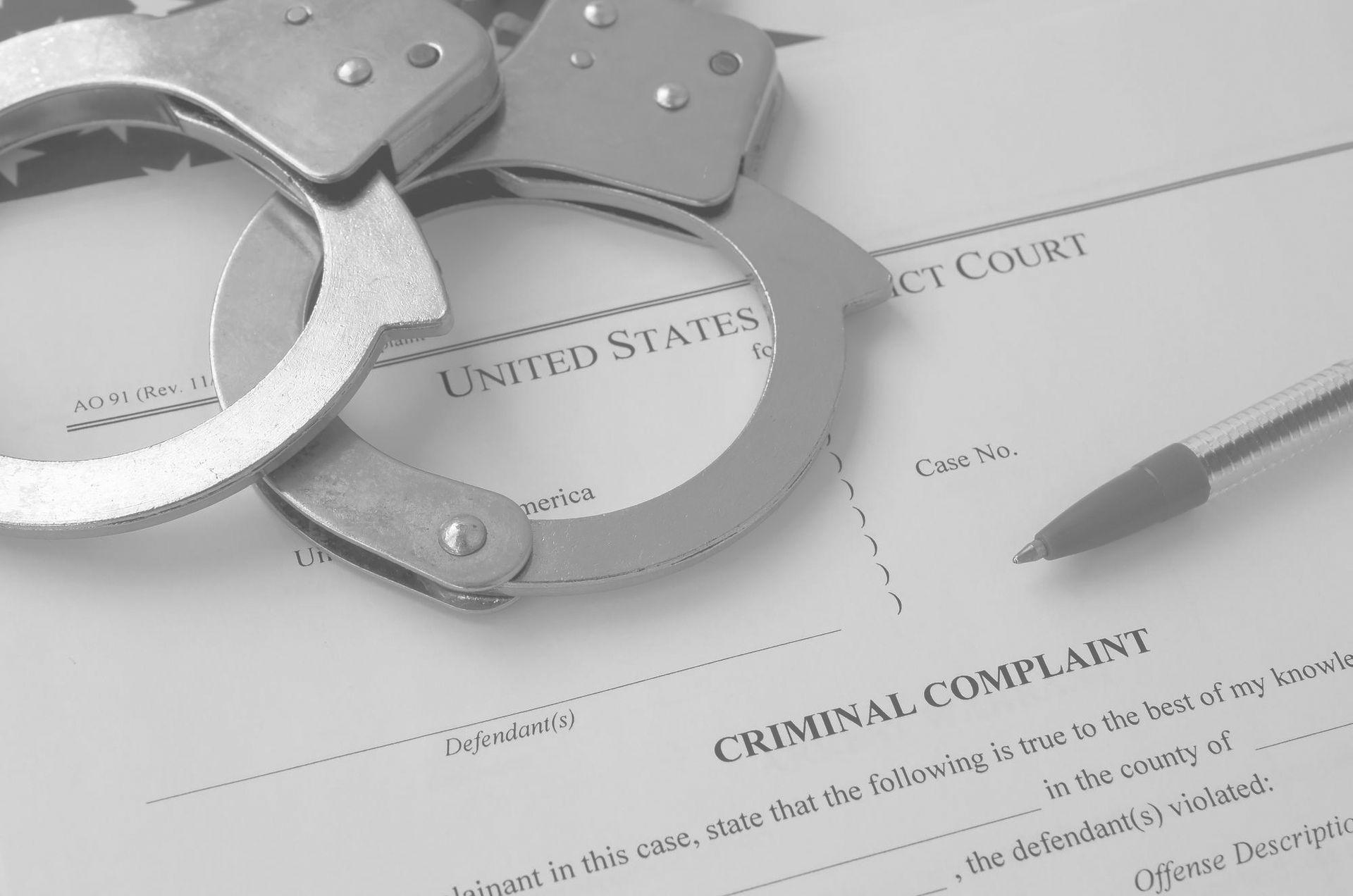
For less serious offenses or in jurisdictions where grand juries are not routinely used for all felonies, a prosecutor may file a charging document known as an “information” or a “complaint.” An information is a formal accusation filed by the prosecutor, outlining the charges against the defendant. A complaint is typically a sworn statement made by a law enforcement officer or the victim, alleging the commission of a crime. These documents are then filed with the court, and a judge reviews them to determine if there is probable cause to issue a warrant for the defendant’s arrest or to proceed with the case.
Regardless of the specific method, the filing of an indictment, information, or complaint marks the official commencement of criminal charges. This document will clearly state the alleged offenses, the relevant statutes, and the legal basis for the prosecution.
The Consequences and Ramifications of Pressing Charges
The act of pressing charges, and the subsequent legal proceedings, carries significant consequences for all parties involved. For the accused, the implications can be severe, affecting their freedom, reputation, and future. For the victim, while justice may be sought, the process can be emotionally taxing and may not always yield the desired outcome.
Impact on the Accused
When charges are pressed and formally filed, the accused individual faces a legal battle. This can involve arrest, arraignment, bail hearings, pretrial motions, and potentially a trial. A conviction can result in a range of penalties, including fines, probation, community service, and imprisonment. Beyond legal penalties, an arrest and formal charges can have a profound impact on an individual’s life. It can lead to job loss, difficulty securing future employment, damage to personal relationships, and a permanent criminal record, which can create lifelong barriers. The presumption of innocence is a fundamental principle, but the stigma of being accused of a crime can be a heavy burden to bear even before a verdict is reached.
The Victim’s Experience and Rights
For the victim, pressing charges can be an act of seeking accountability and closure. However, the criminal justice system is not designed to cater solely to the wishes of the victim. While victims play a crucial role in providing testimony and evidence, their primary role is as a witness. Their rights are protected by law, and they are often informed about the progress of the case, have the right to be present at court proceedings, and may be eligible for victim compensation programs.
However, victims do not have the final say in whether a case proceeds or how it is resolved. Plea bargains, for instance, are negotiated between the prosecution and the defense, and while a victim’s input may be considered, the prosecutor ultimately makes the decision. This can sometimes be a source of frustration for victims who feel their voice is not fully heard. Understanding these limitations and rights is essential for victims navigating the complexities of the legal system.
Alternatives and Nuances in the Charging Process
While “pressing charges” is a common phrase, the reality of the legal system involves various pathways and considerations beyond an individual’s initial desire to see someone prosecuted. Several factors can influence the decision to charge, and alternatives to traditional prosecution exist.
Plea Bargains and Diversion Programs
Plea bargaining is a common practice in criminal justice systems worldwide. It involves an agreement between the prosecutor and the defendant, where the defendant agrees to plead guilty to a lesser charge or to one of the charges in exchange for a more lenient sentence. This process bypasses the need for a full trial and can expedite the resolution of cases. While victims are often consulted, the ultimate decision on whether to accept a plea offer lies with the prosecutor.
Diversion programs offer an alternative to formal prosecution, particularly for first-time offenders or those accused of less serious crimes. These programs often require the defendant to complete certain conditions, such as attending counseling, performing community service, or paying restitution. Upon successful completion of the program, the charges may be dismissed, effectively preventing a criminal record. These programs aim to rehabilitate rather than solely punish and can be a positive outcome for both the accused and the community.

The Power of the Prosecutor’s Discretion
The prosecutor’s discretion is a powerful and often debated aspect of the criminal justice system. Prosecutors have significant latitude in deciding whether to file charges, what charges to file, and whether to offer plea bargains. This discretion is intended to allow prosecutors to make nuanced decisions based on the specific facts of each case, the strength of the evidence, and the interests of justice. However, concerns are sometimes raised about potential bias or inconsistency in the exercise of this discretion. Transparency and accountability mechanisms are therefore important to ensure that prosecutorial power is wielded fairly and effectively.
In conclusion, “pressing charges” is more than just a simple act; it is the initiation of a formal legal process with far-reaching implications. It signifies an individual’s report of a crime, setting in motion a series of events that are ultimately governed by the prosecutor’s decision and the legal framework. Understanding the roles of the individual, law enforcement, and the prosecutor, as well as the various stages and potential outcomes of the charging process, provides a comprehensive view of how the pursuit of justice unfolds within the legal system.
aViewFromTheCave is a participant in the Amazon Services LLC Associates Program, an affiliate advertising program designed to provide a means for sites to earn advertising fees by advertising and linking to Amazon.com. Amazon, the Amazon logo, AmazonSupply, and the AmazonSupply logo are trademarks of Amazon.com, Inc. or its affiliates. As an Amazon Associate we earn affiliate commissions from qualifying purchases.