
In the global marketplace, the word “precio”—the Spanish term for price—represents far more than a simple numerical figure attached to a product or service. For business owners, entrepreneurs, and financial analysts, understanding precio is the cornerstone of sustainable profitability and market positioning. It is the bridge between the perceived value of an offering and the financial reality of the balance sheet. When we dissect the concept of pricing, we are not just looking at a tag; we are examining the mechanics of cash flow, profit margins, and consumer psychology.
The Financial Mechanics of Setting a Price
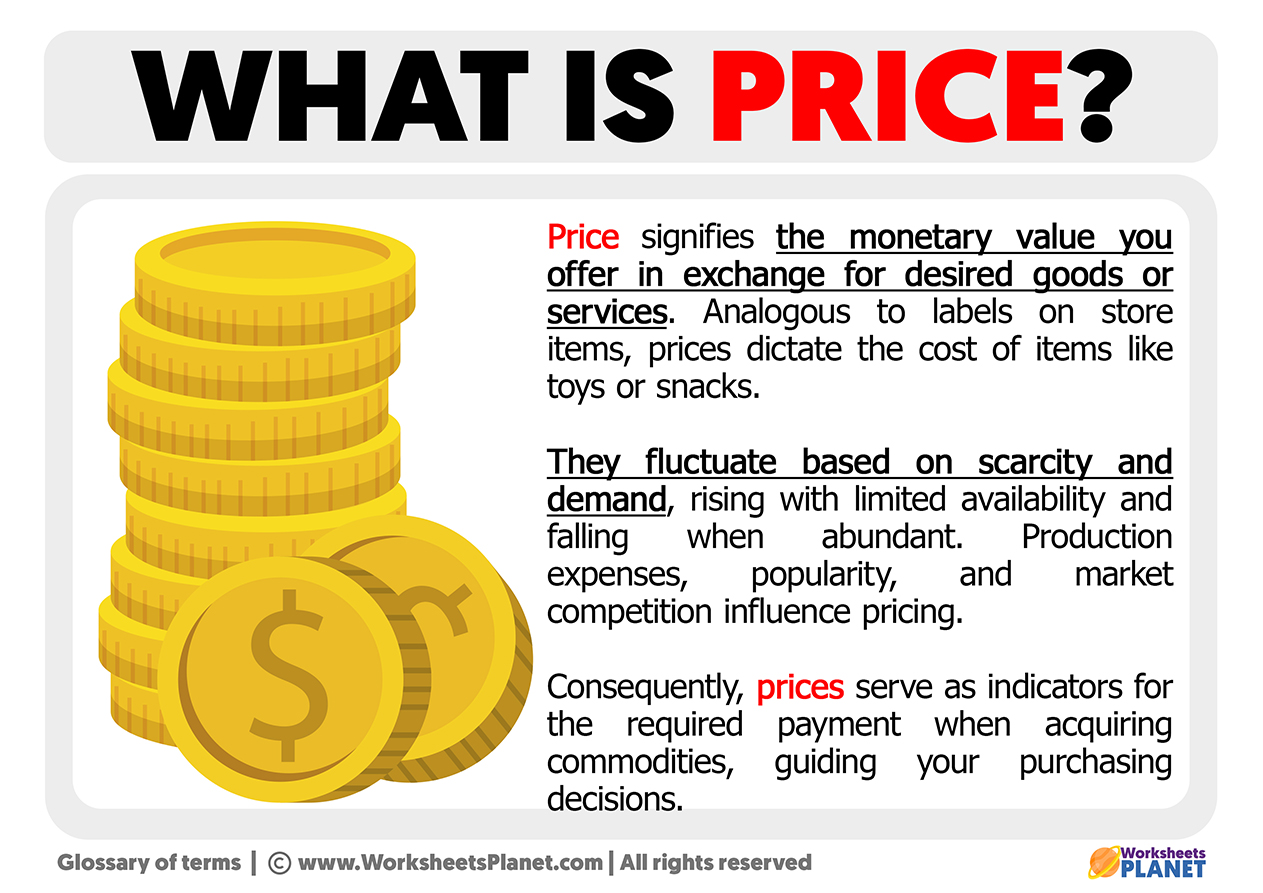
At its core, a price is the amount of money expected, required, or given in payment for something. However, from a business finance perspective, determining the right precio requires a rigorous evaluation of costs, overheads, and target margins. A price that does not cover the full cost of production is not merely a low price; it is a fundamental threat to the long-term viability of an enterprise.
Cost-Plus Pricing vs. Value-Based Pricing
Most businesses begin their journey with cost-plus pricing. This straightforward method involves calculating the total cost of production—including materials, labor, and a proportional share of overhead—and adding a desired markup percentage. While this ensures that every unit sold contributes to covering expenses, it is inherently limited. It ignores the market’s willingness to pay and fails to account for the competitive landscape.
In contrast, value-based pricing shifts the focus from internal costs to external perception. Here, the precio is determined by the utility, benefit, or prestige the customer derives from the product. If a software solution saves a company $100,000 annually in operational costs, pricing that software at $10,000 provides immense value to the client while securing a healthy margin for the developer. Understanding this distinction is essential for scaling a business effectively.
The Impact of Fixed and Variable Costs
To arrive at an optimal precio, one must have a granular understanding of cost structures. Variable costs, which fluctuate based on production volume, represent the floor of your pricing strategy. If your price sits below the variable cost, you are effectively paying the customer to take your product. Fixed costs, such as rent, salaries, and software subscriptions, must be amortized across your total volume of sales. Failing to factor these into your pricing equation is a common catalyst for the “growth trap,” where a company sees rising revenue but declining cash reserves.
Psychological Pricing and Consumer Finance
The human perception of precio is rarely rational. Behavioral economics has long demonstrated that consumers do not evaluate prices in isolation; they view them through a lens of context, anchoring, and emotional framing. For a finance-savvy business owner, manipulating these psychological triggers is as important as the math behind the margins.
The Power of Anchoring
Anchoring is a cognitive bias where the first piece of information offered—the “anchor”—heavily influences subsequent judgments. When a customer walks into a retail store and sees a high-end, premium model priced at $2,000, that figure becomes the anchor. When they subsequently see a mid-range model priced at $800, it feels like a bargain by comparison. Without that initial $2,000 anchor, the $800 item might have been perceived as expensive. By strategically placing “decoy” items or premium tiers, businesses can steer consumer spending toward more profitable price points.

Odd-Even Pricing Strategies
The use of numbers ending in .99 or .95 is a staple of retail finance, but it is often misunderstood. Consumers tend to process prices from left to right. Therefore, a product priced at $19.99 is perceived as being in the “teens” rather than the “twenties,” creating a psychological gap that is significantly larger than the single cent difference. In luxury markets, however, the strategy is often reversed. Rounded numbers are used to signal quality and simplicity, as “round” prices suggest a high-end experience that does not need to resort to discount-store tactics to move inventory.
Market Dynamics and the Competitive Landscape
Your precio does not exist in a vacuum. It is constantly being measured against competitors, market trends, and economic shifts. Maintaining a competitive advantage requires an agile approach to pricing that responds to the broader financial climate.
Price Elasticity of Demand
Elasticity measures how sensitive the quantity demanded is to a change in price. If you increase your price by 10% and your sales volume drops by only 2%, your product is considered price inelastic—customers value the product enough that they will absorb the price hike. If your sales drop by 20%, the product is price elastic. Understanding the elasticity of your offerings is critical for revenue management. For products with low elasticity, there is often room to increase prices to boost profit margins without losing significant market share.
Dynamic Pricing in the Digital Age
The rise of sophisticated data analytics has ushered in the era of dynamic pricing. Airlines, ride-sharing apps, and e-commerce platforms now adjust their precio in real-time based on supply, demand, competitor pricing, and even user behavior. By leveraging AI-driven tools, businesses can maximize revenue by charging what the market will bear at any given second. While effective, this strategy must be managed with caution; if customers perceive that pricing is arbitrary or unfair, it can lead to a erosion of brand trust.
Strategic Financial Planning and Pricing Sustainability
Pricing is not a “set it and forget it” task. It is a dynamic component of your financial roadmap that must evolve as your business scales, your costs change, and the economy fluctuates.
The Role of Pricing in Cash Flow Management
Cash flow is the lifeblood of any business. Strategic pricing affects the speed and volume of this inflow. For instance, offering discounts for early payment can improve liquidity, while subscription-based models provide predictable recurring revenue that stabilizes cash flow. By aligning your pricing structure with your cash flow requirements, you can build a more resilient financial foundation.
Evaluating Profitability Metrics
To determine if your current precio is working, you must move beyond top-line revenue and look at unit economics. Metrics such as Customer Acquisition Cost (CAC) versus Lifetime Value (LTV) provide a clearer picture of whether your pricing is sustainable. If it costs $50 to acquire a customer, but your pricing only yields $40 in lifetime profit, your business model is inherently flawed, regardless of how many units you sell.
Conclusion: Mastering the Art and Science of Precio
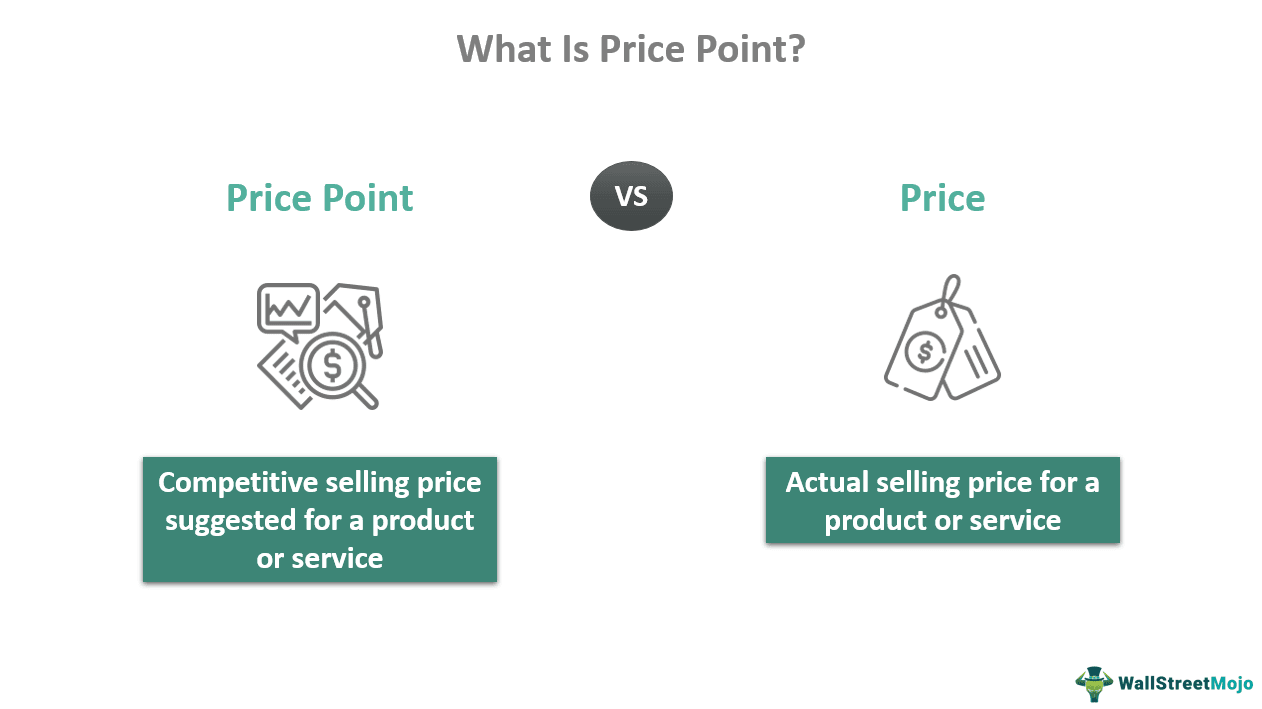
The quest to understand what precio means is ultimately a journey into the heart of business sustainability. It requires a synthesis of hard financial data, psychological insight, and market awareness. Whether you are a startup founder pricing your first product or an established business leader optimizing your revenue streams, the goal remains the same: to find the equilibrium where value delivered meets value captured. By viewing price as a flexible, strategic tool rather than a static number, you can optimize your margins, satisfy your customers, and ensure the long-term fiscal health of your organization. In the world of finance, the right price is the one that fuels your future growth while honoring the value you bring to the marketplace.
aViewFromTheCave is a participant in the Amazon Services LLC Associates Program, an affiliate advertising program designed to provide a means for sites to earn advertising fees by advertising and linking to Amazon.com. Amazon, the Amazon logo, AmazonSupply, and the AmazonSupply logo are trademarks of Amazon.com, Inc. or its affiliates. As an Amazon Associate we earn affiliate commissions from qualifying purchases.