
When you swipe your debit or credit card at a gas pump, check into a hotel, or rent a vehicle, you may notice a pending transaction on your account statement that seems higher than your actual purchase. This is the result of a “pre-auth,” short for pre-authorization. While it is a routine practice in the financial world, it often causes confusion for consumers who are wary of unexpected charges. Understanding how these holds work is essential for managing your personal finances and maintaining liquidity in your checking account.
The Mechanics of a Pre-Authorization Hold
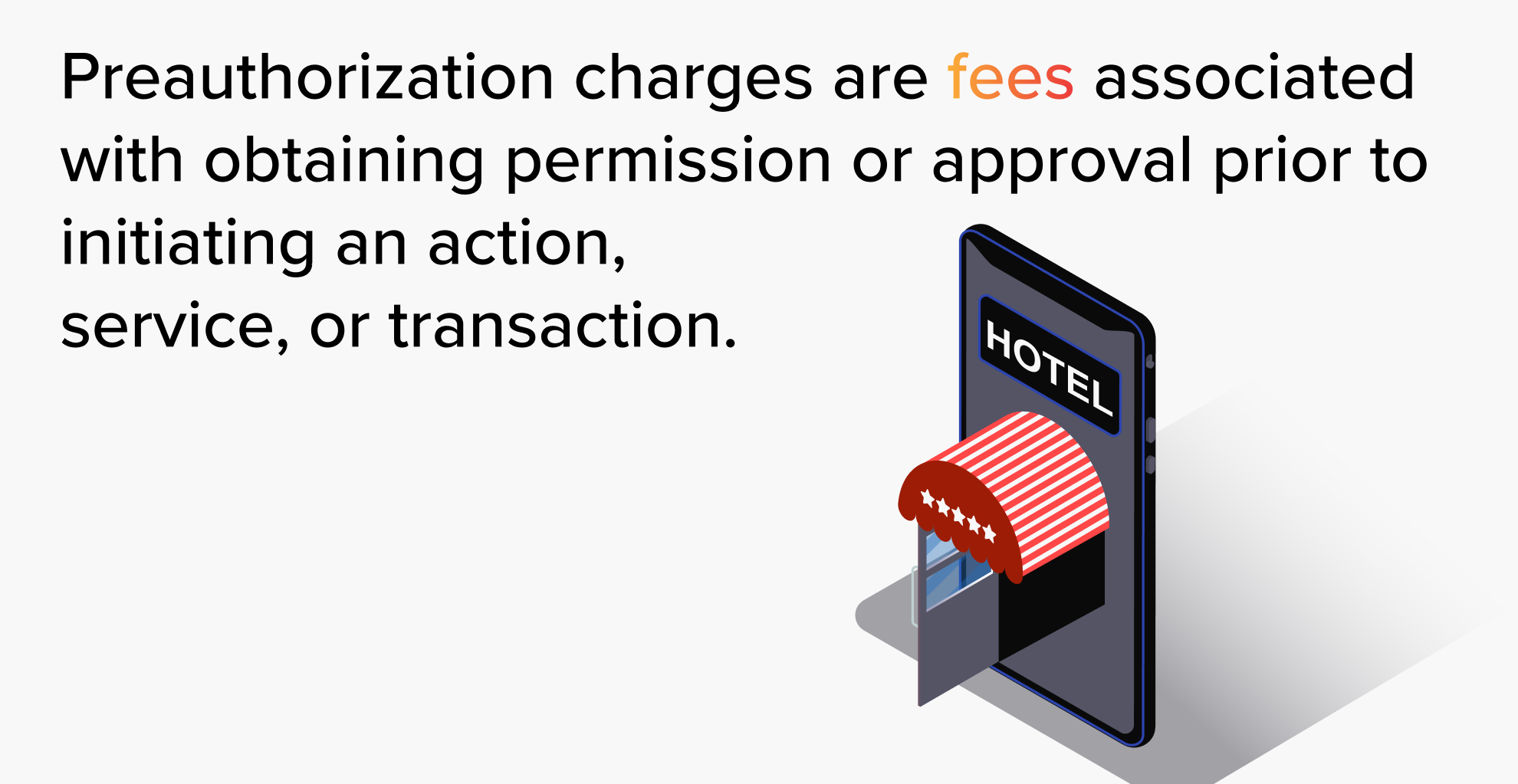
At its core, a pre-authorization is a temporary hold placed on a portion of your available credit or checking account balance. It is not an actual charge, but rather a “guarantee” of funds that a merchant requests from your financial institution.
How the Process Begins
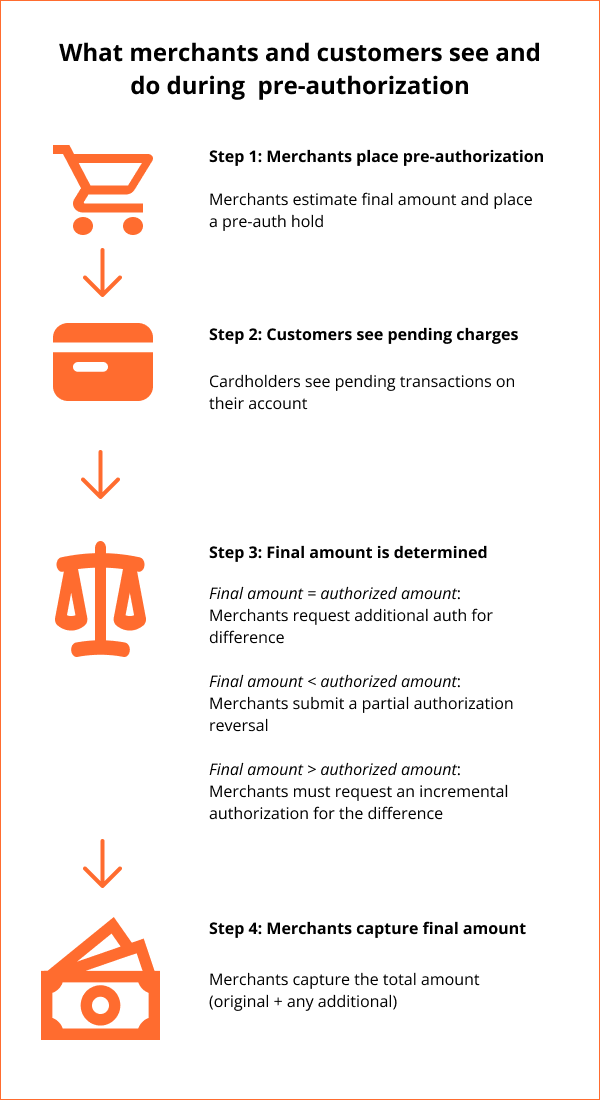
When you present your card for payment, the merchant’s terminal sends an electronic inquiry to your bank. This inquiry asks the bank whether your account is active and whether you have enough funds to cover a potential future transaction. The bank confirms the validity of the card and reserves the requested amount. This money is then set aside—or “blocked”—so that you cannot spend it on other purchases.
Why Merchants Use Pre-Auths
Merchants implement these holds primarily to mitigate risk. Businesses that provide services before the final bill is settled need assurance that the customer has the means to pay. For example, a hotel does not know how many nights you will stay, whether you will raid the minibar, or if you will incur incidental damages. By placing a pre-authorization hold on your card at check-in, the hotel ensures that if you skip out on the bill, they have already secured a baseline amount to cover those potential costs.
Common Scenarios Where Holds Occur
While pre-authorization is a standard industry practice, it appears most frequently in specific sectors where the final cost of a service is unknown at the start of the transaction.
Travel and Hospitality
Hotels are the most frequent users of pre-authorization. Upon arrival, the front desk may authorize your card for the total cost of the room, plus a daily “incidental” deposit. This can range from $50 to several hundred dollars. Rental car agencies follow a similar logic, often placing a hold that covers the rental period plus a security deposit to cover potential damage or fuel charges if the car is returned empty.
Gas Stations and Automated Fuel Pumps
The “pay at the pump” experience is a common source of consumer frustration regarding pre-authorizations. Because the gas station terminal does not know how much fuel you will purchase when you first insert your card, it often places a flat-rate hold—frequently $50 to $100—on your account. Once you finish pumping and the final transaction amount is sent to your bank, the hold is replaced by the actual charge.
Restaurants and Bars
Some establishments, particularly those with a high volume of late-night transactions, may place a temporary hold on your card when you open a “tab.” This ensures that you have enough funds to cover your drinks or food before the bartender invests time and resources into serving you.
Distinguishing Between Holds and Cleared Transactions
A frequent point of confusion for consumers is the difference between a “pending” transaction and a “cleared” transaction. A pre-authorization is always in the pending state.
The Lifecycle of a Hold
When a merchant authorizes your card, the transaction is marked as “Pending” on your online banking portal. During this stage, the money has not actually left your account—it has simply been deducted from your available balance. You cannot spend that money, but it hasn’t technically been transferred to the merchant yet.
Once the final transaction is processed—a process known as “settlement”—the pre-authorization is removed and replaced by the final charge amount. This usually happens within 24 to 72 hours, but it depends heavily on both the merchant’s banking system and your card issuer’s policies.
When Holds Last Too Long
Sometimes, a hold can persist for longer than expected. This usually happens when there is a delay in communication between the merchant’s processor and your bank. While most holds fall off automatically, some can remain for up to 7 to 10 business days. This is common with smaller merchants or international travel where processing systems are slower to sync.
Tips for Managing Pre-Authorizations
If you are living on a tight budget, unexpected holds can be problematic. If your available balance is small, a large pre-authorization could lead to an accidental overdraft if you attempt to make another purchase with the same card.
Use a Credit Card Instead of Debit
The single most effective strategy for managing holds is to use a credit card instead of a debit card for services like hotels, car rentals, and gas. Because credit cards utilize a line of credit rather than your liquid cash, a hold does not affect your checking account balance. You will not face overdraft fees if a pre-authorization is larger than expected, and your actual cash remains in your possession while the hold sits on your credit limit.
Ask Before You Swipe
If you are worried about your available funds, don’t be afraid to ask a merchant about their pre-authorization policy. Asking, “Do you place a hold on my card, and for how much?” is a standard question. If the hold is higher than you are comfortable with, you might consider using an alternative payment method or checking if they accept a cash deposit instead.
Monitor Your Account Regularly
Regularly reviewing your banking app helps you understand where your money is going. If you see a pending hold that seems unusually large or stays on your account for more than a week, contact your bank. While they often cannot force a merchant to release a hold faster, they can provide insight into the transaction status and verify if the merchant has finalized the charge.
Conclusion
Pre-authorization is a vital component of the modern digital economy, acting as a safeguard for businesses while ensuring that transactions are settled securely. While the practice can be inconvenient—particularly when it locks up funds you intended to use elsewhere—it is a temporary mechanism rather than a permanent charge. By understanding the scenarios in which these holds occur and choosing your payment methods strategically, you can navigate the financial landscape with confidence, ensuring that your budget remains protected from unexpected, albeit temporary, deductions.
aViewFromTheCave is a participant in the Amazon Services LLC Associates Program, an affiliate advertising program designed to provide a means for sites to earn advertising fees by advertising and linking to Amazon.com. Amazon, the Amazon logo, AmazonSupply, and the AmazonSupply logo are trademarks of Amazon.com, Inc. or its affiliates. As an Amazon Associate we earn affiliate commissions from qualifying purchases.