
In the rapidly evolving landscape of digital marketing and global brand strategy, language is no longer a static tool for communication; it is a dynamic, often volatile ecosystem. For brands attempting to capture the attention of Gen Z and Alpha demographics, the adoption of internet slang is a common tactic used to build rapport and project a modern, “relatable” image. However, as many international companies and personal brands are discovering, a term that signifies affection in one region can be a profound liability in another.
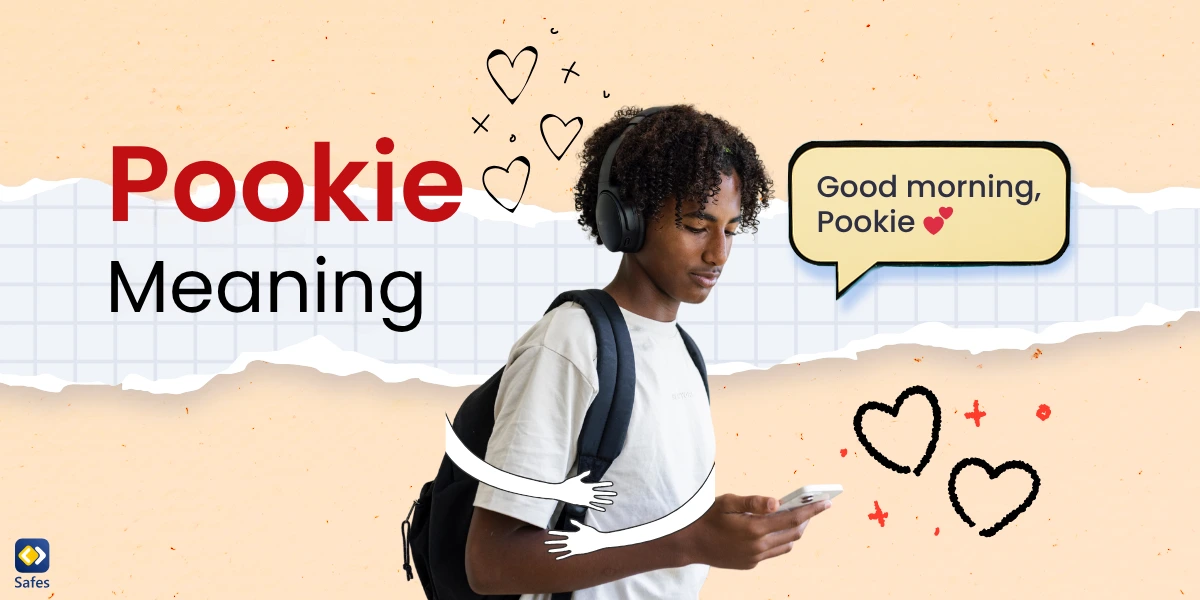
The term “pookie” has recently surged in popularity across TikTok, Instagram, and X (formerly Twitter). In a Western context, it is a term of endearment, often used to refer to a partner, a close friend, or even a pet. Yet, for brands operating within or expanding into the Philippine market, the use of this specific term requires a high degree of caution. Understanding what “pookie” means in Filipino—and why it presents a unique challenge for brand strategy—is essential for any organization aiming for true cultural intelligence in their marketing efforts.
The Global Slang Phenomenon vs. Local Linguistic Realities
The rise of “pookie” as a global term of endearment is a testament to the power of social media to homogenize slang across borders. In the United States and Europe, “pookie” is perceived as soft, cute, and harmless. It is a brand-friendly word, often appearing in the captions of influencers and the marketing copy of “fast-fashion” or lifestyle brands looking to tap into the “soft girl” or “cottagecore” aesthetics.
However, brand strategy is never executed in a vacuum. When these global campaigns cross digital borders into the Philippines, they encounter a linguistic “false friend.” In Tagalog and several other Filipino dialects, the phonetic equivalent of “pookie”—spelled “puki”—is a vulgar, anatomical term for female genitalia.
The Filipino Context: When Affection Meets Taboo
For a brand, the difference between “endearing” and “obscene” is often just a matter of pronunciation and cultural context. In the Philippines, “puki” is not a word used lightly; it is a stark, often offensive term that carries significant social weight. When a global brand uses “pookie” in its advertising or social media engagement, it inadvertently triggers a visceral reaction from the Filipino audience.
This creates a “clash of registers.” On one hand, the brand is attempting to communicate at a high-affinity, casual register. On the other hand, the local audience perceives it at a low, vulgar register. This disconnect can lead to brand erosion, where the corporate identity is compromised by what is perceived as either extreme ignorance or a lack of respect for local sensitivities.
The Power of the Filipino Consumer Market
The Philippines is one of the most digitally active nations in the world, often cited as the “Social Media Capital of the World.” For global brands, this market represents a massive opportunity for growth, particularly in the tech, beauty, and e-commerce sectors. However, the Filipino consumer is also highly attuned to cultural nuances. A brand that fails to localize its language or, worse, uses terms that are considered taboo, risks being “canceled” or becoming the subject of widespread ridicule (the “memeification” of a brand for the wrong reasons).
The High Stakes of Cultural Nuance in Brand Strategy
In the era of global commerce, a brand’s name and its messaging are its most valuable assets. A single linguistic oversight can cost millions in lost revenue, rebranding efforts, and legal fees. The “pookie” dilemma is a micro-example of a macro-problem in brand strategy: the failure to conduct comprehensive linguistic audits.
Avoiding the “Pookie” Pitfall: The Importance of Linguistic Audits
A linguistic audit is a systematic review of brand names, slogans, and campaign keywords across different languages and cultural contexts. In the past, this was a luxury reserved for Fortune 500 companies. Today, for any personal brand or corporate entity with a digital presence, it is a necessity.
When evaluating a term like “pookie,” a strategic linguistic audit would identify:
- Phonetic Overlap: Does the word sound like something offensive in a target market?
- Visual Associations: Does the spelling or the visual representation of the word evoke negative imagery?
- Cultural History: Does the term have a history that conflicts with the brand’s values?
For brands targeting the Southeast Asian market, specifically the Philippines, the audit would have flagged the phonetic similarity between the English “pookie” and the Tagalog “puki” immediately, allowing the brand to pivot its messaging before launch.
Case Studies of Global Naming Blunders
The “pookie” situation echoes several famous branding mishaps where companies failed to account for local meanings. When Chevrolet launched the “Nova” in Latin America, they supposedly overlooked that “no va” translates to “it doesn’t go” in Spanish. While this is often cited as an urban legend in marketing circles, the underlying lesson remains: perception is reality in the mind of the consumer.

Similarly, when KFC entered the Chinese market, their famous “Finger Lickin’ Good” slogan was initially translated as “Eat Your Fingers Off.” These examples highlight that even the most successful brands are susceptible to linguistic “blind spots.” The “pookie” phenomenon in the Philippines serves as a modern, social-media-driven reminder that these risks have not disappeared; they have simply moved into the realm of slang and informal communication.
Digital Marketing and the Algorithm: Navigating Region-Specific Keywords
As brands move toward algorithmic-driven marketing, the “pookie” issue becomes even more complex. Search Engine Optimization (SEO) and social media algorithms are designed to reward trending keywords. If “pookie” is trending globally, a brand’s marketing team may be tempted to include it in their metadata, hashtags, and copy to increase reach.
SEO and Content Moderation in Diverse Markets
For a brand manager, the challenge is balancing global trends with local brand safety. Using the keyword “pookie” might help a post go viral globally, but in the Philippines, it could trigger content moderation filters or lead to the post being reported for “inappropriate content” due to its phonetic proximity to a vulgarity.
Furthermore, SEO strategies must be region-specific. A brand selling products in the Philippines should optimize for keywords that resonate with the local dialect and cultural values, rather than relying solely on Western-centric slang. This requires a shift from “globalization” (one message for the world) to “glocalization” (a global strategy adapted for local markets).
Adapting Brand Voice for the Southeast Asian Demographic
The Southeast Asian demographic, particularly in the Philippines, values brands that demonstrate “pakikisama” (social harmony) and “paggalang” (respect). A brand voice that is too aggressive with Western slang can come across as “feeling close”—a term used to describe someone who assumes a level of intimacy they haven’t earned. By using “pookie,” a brand may think it is being friendly, but the Filipino consumer may see it as a lack of social intelligence.
To build a successful brand identity in this region, companies should:
- Use local influencers to vet and “translate” brand messaging into a culturally appropriate tone.
- Invest in social listening tools that monitor sentiment in local languages, not just English.
- Develop a “Brand Bible” for each specific region that lists forbidden terms and preferred local alternatives.
Protecting Your Corporate Identity in the Age of Gen Z Slang
The speed at which slang moves from niche internet subcultures to mainstream marketing is unprecedented. “Pookie,” “Rizz,” “Gyatt,” and other terms appear and disappear in months. For brand strategists, this creates a high-pressure environment where the desire to be “first” often overrides the need to be “safe.”
Proactive Crisis Management for Cross-Cultural Brands
If a brand has already used “pookie” in its Philippine-facing marketing, the focus must shift to damage control and crisis management. Silence is rarely the best option. Acknowledging the cultural oversight with humility can actually strengthen a brand’s relationship with its audience. This demonstrates that the brand is listening and is willing to learn from its mistakes.
Strategic steps for crisis management include:
- Immediate Content Removal: Removing the offending posts or ads in the specific region.
- Cultural Sensitivity Training: Ensuring that the creative and social media teams understand the specific nuances of the market.
- Localized Apology: If the backlash is significant, a brief, respectful statement acknowledging the linguistic misunderstanding can de-escalate the situation.
Building a Localization Roadmap
The ultimate goal for any brand should be to build a localization roadmap that prevents these issues from arising in the first place. This involves more than just hiring a translator; it involves hiring cultural consultants who live and breathe the local culture.
A localization roadmap for the Philippines should include:
- Dialect Sensitivity: Understanding the differences between Tagalog, Cebuano, Ilocano, and Hiligaynon.
- Religiosity and Taboos: Acknowledging the strong influence of traditional values in Filipino society.
- Humor and Irony: Filipinos have a unique sense of humor that often involves wordplay and puns. A brand that can navigate this successfully will find a very loyal audience.
Conclusion: The Semiotics of Brand Longevity
What does “pookie” mean in Filipino? On the surface, it is a linguistic coincidence that transforms a term of endearment into a vulgarity. But for brand strategists, it is a profound lesson in the semiotics of global marketing. It serves as a reminder that the meaning of a brand is not what the company says it is, but what the consumer perceives it to be.
In a world where digital borders are increasingly porous, the most successful brands will be those that prioritize cultural intelligence over trend-chasing. By understanding the local implications of global slang, brands can avoid embarrassing blunders, protect their corporate identity, and build genuine, respectful connections with audiences around the world. Whether it is “pookie” today or another viral term tomorrow, the principle remains the same: context is king, and localization is the key to reigning in the global marketplace.
aViewFromTheCave is a participant in the Amazon Services LLC Associates Program, an affiliate advertising program designed to provide a means for sites to earn advertising fees by advertising and linking to Amazon.com. Amazon, the Amazon logo, AmazonSupply, and the AmazonSupply logo are trademarks of Amazon.com, Inc. or its affiliates. As an Amazon Associate we earn affiliate commissions from qualifying purchases.