
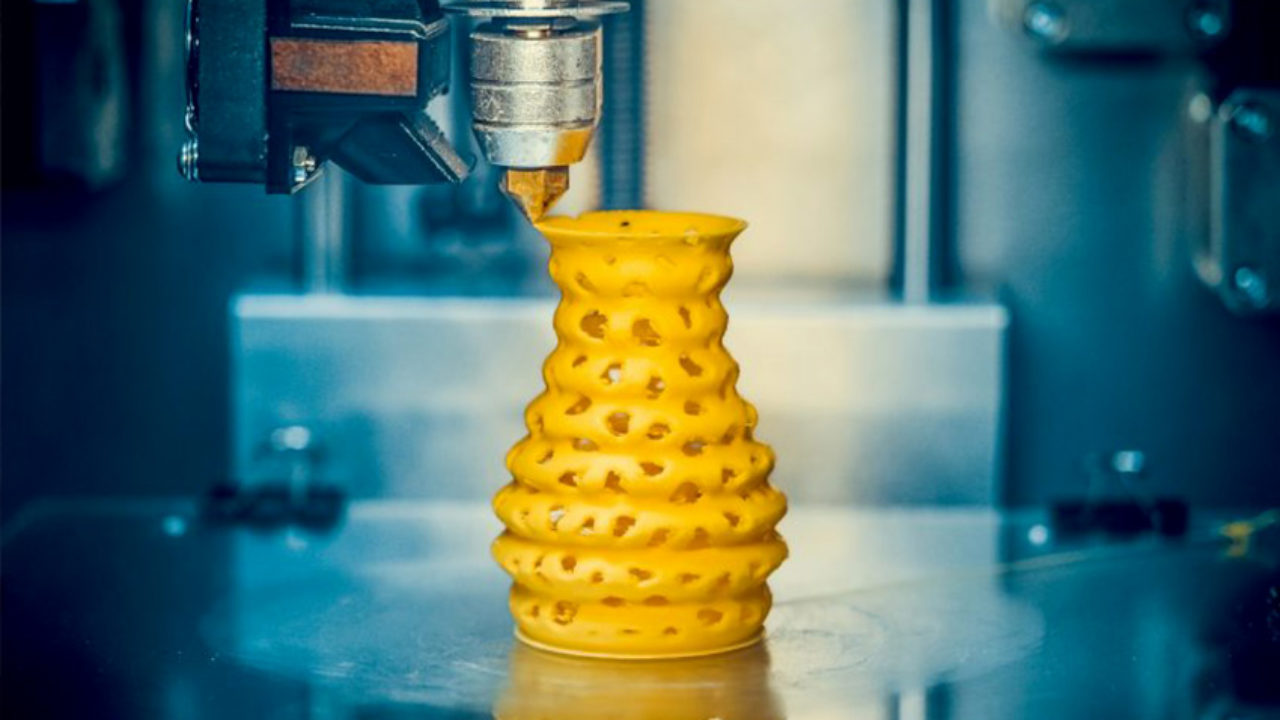
PLA, a ubiquitous material in the realm of additive manufacturing, stands for Polylactic Acid. This bio-based, biodegradable thermoplastic has become a cornerstone for hobbyists, educators, and even many professional applications due to its accessible nature, ease of use, and relatively low environmental impact compared to traditional petroleum-based plastics. Understanding what PLA is, where it comes from, and its properties is fundamental for anyone looking to delve into the world of 3D printing, whether for personal projects, prototyping, or educational purposes. This article will explore the significance of PLA in 3D printing, covering its origins, key characteristics, common applications, and considerations for its use within the technological landscape.
The Genesis and Composition of PLA
The journey of PLA from a niche bioplastic to a staple in 3D printing is a testament to its unique origin and evolving manufacturing processes. Its story is deeply intertwined with advancements in material science and a growing demand for more sustainable alternatives in manufacturing.
From Renewable Resources to Polymer Chains
PLA is not derived from fossil fuels like many conventional plastics. Instead, its primary feedstock comes from renewable resources such as corn starch, sugarcane, or tapioca roots. These natural sources are fermented to produce lactic acid, which is then polymerized to create polylactic acid. This bio-based origin is a significant selling point, aligning with a broader trend towards sustainability in consumer products and manufacturing processes. The process typically involves several stages, starting with the harvesting of crops rich in starches or sugars. These are then industrially processed to extract the necessary sugars, which are subsequently fermented by microorganisms to yield lactic acid. The lactic acid molecules are then linked together through a process called polymerization to form long chains of polylactic acid. The specific properties of the resulting PLA can be influenced by the type of lactic acid isomer used and the polymerization method, allowing for some customization in the final material. This bio-derived nature makes PLA a more environmentally conscious choice, as its production can reduce reliance on finite petroleum resources and, under the right conditions, it can biodegrade, breaking down into natural components.
The Chemical Structure and Its Implications
The molecular structure of PLA is what grants it its characteristic properties and suitability for Fused Deposition Modeling (FDM) 3D printing. It is a polyester, meaning it contains ester functional groups (-COO-) within its polymer chains. This structure contributes to its relatively low melting point and its tendency to degrade under specific environmental conditions, which are both key factors in its printing behavior and its end-of-life disposal. The presence of chiral centers in lactic acid leads to different forms of PLA, primarily poly-L-lactic acid (PLLA) and poly-D-lactic acid (PDLA), and their copolymer, poly(L-D)lactic acid. The ratio of these isomers influences the crystalline structure and thus the physical properties such as melting point, glass transition temperature, and mechanical strength. For 3D printing, the most common form is often a copolymer or a blend, designed to offer a balance of printability and mechanical performance. Its amorphous or semi-crystalline nature affects how it flows when heated and solidifies when cooled, crucial aspects for successful layer-by-layer deposition in 3D printing. The chemical makeup also dictates its rigidity, impact resistance, and thermal stability, all of which are important considerations for designers and engineers selecting materials for their projects.
Key Characteristics of PLA for 3D Printing
PLA’s widespread adoption in 3D printing is not accidental. It possesses a unique combination of physical, thermal, and handling characteristics that make it an ideal starting point for many users and applications.
Ease of Printing and Minimal Warping
One of the most significant advantages of PLA is its ease of printing. It has a relatively low glass transition temperature (around 60°C) and melting point (around 170-180°C), meaning it doesn’t require extremely high temperatures to become pliable. This translates to less stress on the 3D printer’s components and a simpler printing process overall. Crucially, PLA exhibits minimal warping – a common issue in 3D printing where printed objects shrink and lift from the build plate as they cool. This low warping tendency is largely due to PLA’s low coefficient of thermal expansion. Unlike materials like ABS, which can contract significantly and pull away from the print bed, PLA cools down with less dimensional change. This makes it forgiving for users with less advanced printers or those who prefer not to use enclosed print chambers or heated beds, although a heated bed set to around 50-60°C can still improve adhesion and reduce residual stress. This inherent stability during the cooling process leads to higher print success rates, particularly for beginners, and allows for the printing of larger, more complex geometries without the same degree of concern for delamination or structural integrity compromises caused by warping.
Biodegradability and Environmental Considerations
The “bio-based” nature of PLA extends to its end-of-life scenario, where it is often touted for its biodegradability. However, it’s important to understand the nuances of this claim within a practical 3D printing context. PLA is biodegradable under specific industrial composting conditions. This means it requires high temperatures, humidity, and microbial activity, typically found in specialized composting facilities, to break down effectively within a reasonable timeframe. It will not readily biodegrade in a typical home compost bin or a landfill. Despite these limitations, the bio-based origin and the potential for controlled degradation still position PLA as a more environmentally friendly option than many petroleum-based plastics. Manufacturers are continually working on improving PLA formulations and exploring ways to enhance its biodegradability. For users, this means that while PLA isn’t a magic bullet for eliminating plastic waste, its production has a lower carbon footprint than traditional plastics, and responsible disposal through industrial composting can significantly mitigate its environmental impact. This aspect is increasingly important as consumers and industries alike become more conscious of their ecological footprint and seek out sustainable material choices for their additive manufacturing needs.
Mechanical Properties and Limitations
PLA offers a good balance of strength and rigidity, making it suitable for a wide range of applications. It is generally stronger and stiffer than ABS, meaning it can support more weight and resist bending. This makes it an excellent choice for functional prototypes, decorative items, and educational models where durability and a clean finish are paramount. However, it’s not without its limitations. PLA has a lower impact resistance and is more brittle than some other 3D printing filaments. This means it can shatter or crack if subjected to significant force or repeated stress. Furthermore, its lower heat resistance is a key consideration. PLA begins to soften at temperatures around its glass transition point (60°C), making it unsuitable for applications exposed to significant heat, such as parts for automotive interiors or objects placed near heat sources. Its UV resistance is also generally lower than some other plastics, meaning prolonged exposure to sunlight can cause it to degrade over time. When considering PLA for a project, it’s crucial to assess the intended use case and environmental conditions to ensure its mechanical properties are adequate.

Applications of PLA in the Tech Landscape
PLA’s accessibility, ease of use, and improving material science have cemented its role in various sectors within the broader technology landscape, from education and prototyping to consumer products.
Prototyping and Iterative Design
In the fast-paced world of technology development, rapid prototyping is essential. PLA excels in this area due to its cost-effectiveness and printability. Designers and engineers can quickly produce physical models of their concepts, test form and function, and iterate on designs with minimal delay and expense. This allows for faster product development cycles and more informed decision-making. From concept models that showcase aesthetic design to functional prototypes that undergo basic stress tests, PLA provides a tangible representation of digital designs. Its ability to capture fine details makes it ideal for creating visually compelling models that can be presented to stakeholders. The accessibility of PLA filaments and the widespread availability of affordable 3D printers means that even small startups or individual innovators can leverage rapid prototyping to bring their technological ideas to life. This democratizes product development and accelerates innovation across various tech industries.
Educational Tools and STEM Learning
PLA has become an indispensable tool in STEM (Science, Technology, Engineering, and Mathematics) education. Its safety profile (low fumes, minimal odor), ease of use, and affordability make it an ideal material for classroom 3D printing initiatives. Students can bring abstract concepts to life, from geometric shapes and molecular models to functional engineering components. This hands-on approach fosters engagement, problem-solving skills, and a deeper understanding of design and manufacturing principles. By allowing students to design, print, and test their creations, educators can cultivate a generation of future innovators with practical experience in digital fabrication and design thinking. The visual and tactile nature of 3D printed objects created with PLA can make complex scientific and mathematical ideas more accessible and understandable, promoting a more dynamic and interactive learning environment.
Consumer Products and Hobbyist Creations
Beyond professional applications, PLA is a favorite among hobbyists and makers for creating a vast array of consumer products and personal items. From custom phone cases and intricate figurines to functional home organizers and personalized gifts, the possibilities are nearly endless. The wide range of colors and finishes available for PLA filaments further enhances its appeal for creative projects. This accessibility allows individuals to move beyond mass-produced goods and create unique, customized items that reflect their personal style or meet specific needs. The growth of online communities and marketplaces dedicated to 3D printed items further fuels this segment, with PLA being the go-to material for many creators looking to share and sell their designs. It empowers individuals to become micro-manufacturers, producing goods tailored to niche markets or individual preferences.
Considerations for Using PLA in 3D Printing
While PLA offers many advantages, a comprehensive understanding of its properties and best practices is crucial for maximizing its potential and avoiding common pitfalls in 3D printing.
Optimal Printing Settings and Environment
Achieving high-quality prints with PLA involves understanding and fine-tuning specific printing parameters. Typical nozzle temperatures range from 190°C to 220°C, while bed temperatures are usually set between 50°C and 60°C. However, these can vary slightly depending on the specific PLA manufacturer and printer model. Factors like print speed, layer height, and infill density also play a significant role in the final outcome. Slower print speeds often lead to better layer adhesion and detail, especially for complex geometries. Maintaining a stable printing environment is also beneficial; while PLA doesn’t require an enclosure like some other materials, minimizing drafts and sudden temperature fluctuations around the print bed can further reduce the risk of warping and improve overall print quality. Ensuring the filament is dry is also paramount, as moisture absorption can lead to brittle filament and poor print surface quality.
Post-Processing Techniques for PLA
Once a PLA object is printed, various post-processing techniques can enhance its appearance and functionality. Common methods include sanding to smooth out layer lines and imperfections, filling small gaps or blemishes with specialized fillers, and painting to achieve desired aesthetics. For a glass-like finish, vapor smoothing using certain solvents can be employed, though this requires caution and proper ventilation. Gluing can be used to assemble multi-part prints, with common adhesives like super glue or epoxy working well. Heat treatment, such as annealing in an oven (at controlled temperatures below its melting point, typically around 100-110°C for a limited time), can increase the rigidity and heat resistance of PLA prints, making them suitable for slightly more demanding applications. However, annealing can also induce some shrinkage, so it’s a technique that requires experimentation.
Storage and Disposal of PLA Filaments
Proper storage of PLA filament is crucial for maintaining its quality. PLA is hygroscopic, meaning it absorbs moisture from the air. This moisture can degrade the filament over time, leading to brittle strands and poor print quality. Therefore, PLA filament should be stored in a dry, airtight container, ideally with a desiccant pack, away from direct sunlight and humidity. When it comes to disposal, as mentioned earlier, PLA’s biodegradability is contingent on industrial composting facilities. While it will break down over time, it’s not suitable for standard recycling bins or home composting. For responsible disposal, users should seek out local facilities that accept bioplastics for industrial composting. If such facilities are unavailable, it should be disposed of as general waste, with the understanding that its environmental impact is still lower than many petroleum-based plastics due to its renewable origin. This highlights the importance of understanding local waste management infrastructure when choosing and disposing of 3D printing materials.
aViewFromTheCave is a participant in the Amazon Services LLC Associates Program, an affiliate advertising program designed to provide a means for sites to earn advertising fees by advertising and linking to Amazon.com. Amazon, the Amazon logo, AmazonSupply, and the AmazonSupply logo are trademarks of Amazon.com, Inc. or its affiliates. As an Amazon Associate we earn affiliate commissions from qualifying purchases.