
In the world of global commerce, few products have successfully bridged the gap between agricultural commodity and high-end luxury lifestyle symbol as effectively as the pink pineapple. Marketed primarily under the brand name Pinkglow®, this genetically modified fruit represents more than just a culinary curiosity; it is a profound study in brand strategy, patent-protected innovation, and the power of visual marketing in the digital age. When consumers ask, “What does pink pineapple taste like?” they are rarely looking for a simple flavor profile. They are engaging with a carefully curated brand experience that begins long before the first bite.
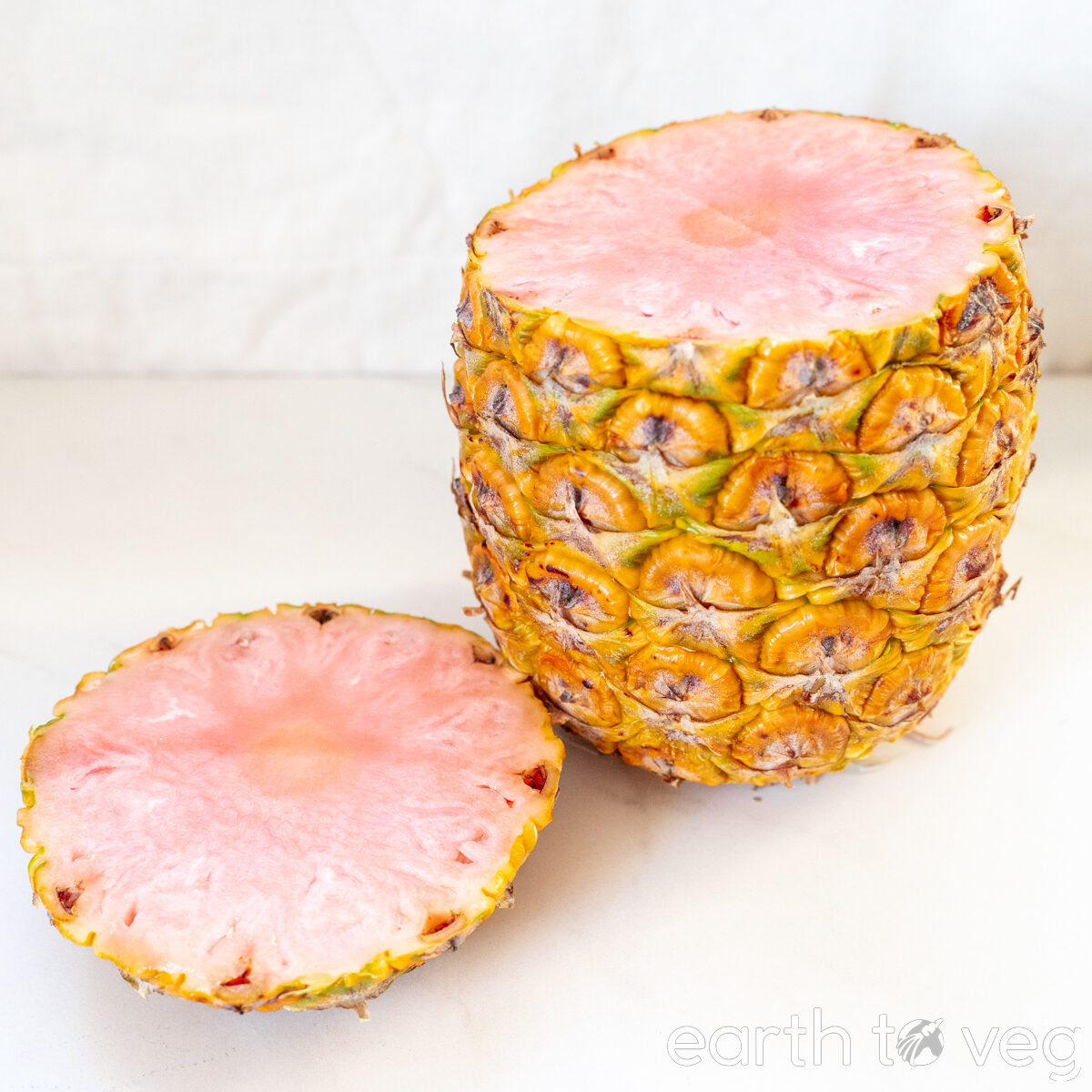
To understand the taste of a pink pineapple, one must first understand the brand identity constructed by Del Monte Fresh Produce. For over sixteen years, the company invested in research and development to create a product that redefined a saturated market. By altering the lycopene levels—the same pigment that gives tomatoes their red hue—scientists produced a flesh that is strikingly rose-colored. However, from a branding perspective, the “taste” is inextricably linked to its status as an exclusive, premium, and innovative disruptor in the produce aisle.
The Sensory Brand: Engineering a Superior Flavor Profile
The primary goal of the Pinkglow® branding strategy was to ensure that the physical product lived up to the visual hype. In the luxury market, a product that looks revolutionary but tastes ordinary is a brand failure. Consequently, the flavor profile of the pink pineapple was engineered to be objectively distinct from its traditional yellow counterparts.
A Refined Sweetness and Reduced Acidity
Standard pineapples are often associated with a sharp, acidic bite that can leave a stinging sensation on the tongue due to the enzyme bromelain. From a brand positioning standpoint, the pink pineapple is marketed as the “refined” alternative. Its taste is characterized by a significantly lower acidity level and a higher concentration of natural sugars. This results in a flavor that is candy-like, frequently described by tasters as having notes of cotton candy, strawberry, and rose water.
This flavor engineering serves a strategic purpose: it justifies the premium price point. By removing the “harshness” of the traditional fruit, Del Monte created a sensory experience that feels more like a gourmet dessert than a raw ingredient. This allows the brand to occupy a space in the consumer’s mind alongside artisanal chocolates or vintage wines, rather than being compared to bulk-buy fruit.
The Aromatic Influence on Perception
Branding is as much about scent as it is about sight and taste. The pink pineapple possesses a more floral, delicate aroma than the pungent, fermented scent sometimes associated with overripe yellow pineapples. This aromatic profile reinforces the “luxury” identity. When a consumer unboxes a Pinkglow®, the scent is designed to be the first indicator of the product’s quality. In high-end marketing, this is known as sensory congruence—where every touchpoint of the physical product aligns with the brand’s promise of elegance and exclusivity.
Exclusivity and the “Pinkglow” Marketing Strategy
The success of the pink pineapple is not merely a result of its flavor; it is a masterclass in controlled supply and demand. Del Monte did not simply release a new fruit; they launched a brand with a rigorous identity. By controlling the intellectual property and the cultivation process, they ensured that the pink pineapple remained a “Giffen good”—a product for which demand increases as the price increases, due to its status-symbol nature.
Scarcity as a Brand Pillar
For the first several years of its release, the pink pineapple was almost impossible to find in local grocery stores. It was sold primarily through direct-to-consumer websites and high-end boutique grocers. This scarcity was a deliberate branding choice. By limiting availability, the brand cultivated an aura of mystery and prestige. When a product is rare, the question of “what it tastes like” becomes a social currency. Those who have tasted it become part of an “in-the-know” circle, driving further organic interest through word-of-mouth marketing.
Premium Packaging and Unboxing Culture
The Pinkglow® pineapple is rarely sold with its crown (the green leafy top). While the official reason is that the crowns are replanted to ensure sustainable growth, it also serves a dual branding purpose. Without the crown, the fruit looks less like a plant and more like a packaged luxury good.
The fruit is typically shipped in a custom-designed, aesthetically pleasing pink box. This transforms the purchase from a grocery errand into an “unboxing experience.” In the modern digital economy, the unboxing process is a vital marketing tool. It encourages consumers to document their purchase on social media, providing the brand with millions of dollars in earned media value. The “taste” of the pink pineapple is thus seasoned by the prestige of the presentation.
Visual Storytelling and the Influencer Economy
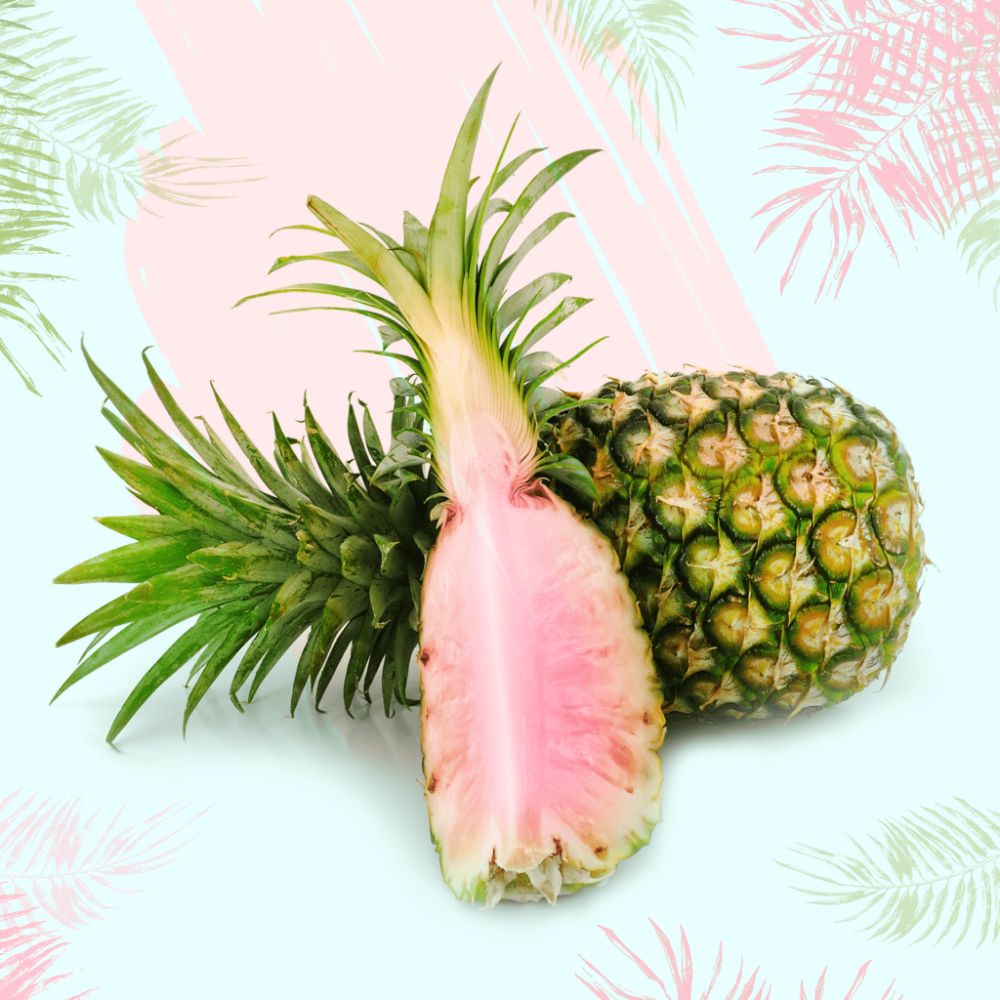
The pink pineapple was born for the age of Instagram and TikTok. In a visual-first digital landscape, the vibrant pink hue of the fruit provides an immediate “thumb-stop” moment for users scrolling through their feeds. This visual appeal has been the engine of the brand’s growth, allowing it to transcend the produce department and enter the realm of lifestyle and design.
The Power of Millennial Pink
The timing of the pink pineapple’s market entry coincided perfectly with the cultural phenomenon of “Millennial Pink.” By tapping into an existing color trend, the brand was able to leverage a pre-established aesthetic preference. The fruit became a prop for food stylists, a centerpiece for high-end events, and a must-have item for lifestyle influencers.
This visual strategy shifted the conversation from “why is this pineapple $30?” to “look at how beautiful this pineapple is.” When a brand can successfully move the consumer’s focus from price to aesthetic value, it has achieved a high level of brand equity. The taste, while important, becomes the reward for the visual engagement.
User-Generated Content and Social Proof
The “what does it taste like” query is frequently answered not by the brand itself, but by thousands of independent creators. Del Monte’s strategy relied heavily on social proof. By sending the product to influential chefs and lifestyle creators, they sparked a wave of “tasting” videos. These videos served as authentic testimonials, confirming the fruit’s superior sweetness and unique texture. For a modern brand, this type of third-party validation is far more effective than traditional advertising. It creates a feedback loop where the curiosity about the taste drives the purchase, and the purchase drives the content creation.
Lessons in Brand Differentiation and Innovation
The pink pineapple serves as a case study for legacy companies looking to innovate within traditional sectors. Del Monte took a centuries-old commodity and, through bio-tech innovation and sophisticated branding, turned it into a high-margin luxury product.
Blue Ocean Strategy in the Produce Aisle
Most agricultural companies compete on price and distribution efficiency—a “Red Ocean” strategy characterized by intense competition. Del Monte, however, created a “Blue Ocean” by introducing a product that had no direct competitors. For years, if you wanted a pink pineapple, there was only one brand you could turn to. This monopoly allowed the brand to set its own price and define the category’s standards.
The lesson for brand strategists is clear: innovation should not just be about making a product better, but about making it different in a way that is visually and sensorially undeniable. The pink pineapple doesn’t just taste better than a yellow pineapple; it occupies a different mental category for the consumer.
Sustainability and Corporate Responsibility
In the modern market, a premium brand must also account for its ethical footprint. The Pinkglow® brand incorporates elements of sustainability into its narrative, emphasizing the hand-harvesting process in Costa Rican farms and the replanting of crowns. By weaving these “origin stories” into the brand identity, Del Monte appeals to the conscious consumer who is willing to pay more for a product that is perceived as being responsibly produced. This adds a layer of “feel-good” value to the taste experience, aligning the brand with the values of its target demographic.

The Future of Food Branding
As we look at the trajectory of the pink pineapple, it is evident that the future of food is not just about nutrition, but about identity. The question of “what does pink pineapple taste like” will eventually be asked of purple tomatoes, designer strawberries, and lab-grown meats.
The pink pineapple has set the blueprint for how these products will be brought to market. It demonstrates that with the right combination of scientific innovation, patent protection, and lifestyle branding, even the most basic elements of our diet can be transformed into icons of luxury. The taste is sweet, yes, but the brand strategy is what truly lingers. It is a reminder that in a crowded marketplace, the most successful brands are those that can turn a simple sensory experience into a cultural moment.
aViewFromTheCave is a participant in the Amazon Services LLC Associates Program, an affiliate advertising program designed to provide a means for sites to earn advertising fees by advertising and linking to Amazon.com. Amazon, the Amazon logo, AmazonSupply, and the AmazonSupply logo are trademarks of Amazon.com, Inc. or its affiliates. As an Amazon Associate we earn affiliate commissions from qualifying purchases.