
Pilling on leggings, those tiny balls of tangled fibers that accumulate on the surface of fabric, is more than just a minor aesthetic flaw; it carries significant implications for a brand’s reputation, product quality perception, and ultimately, its market standing. For companies operating in the apparel sector, particularly those specializing in activewear and athleisure, understanding and managing the phenomenon of pilling is crucial for maintaining consumer trust and ensuring long-term brand equity. This seemingly small issue can dictate consumer purchasing decisions, influence brand loyalty, and even shape the competitive landscape.
The Fabric of Brand Reputation: Understanding Pilling
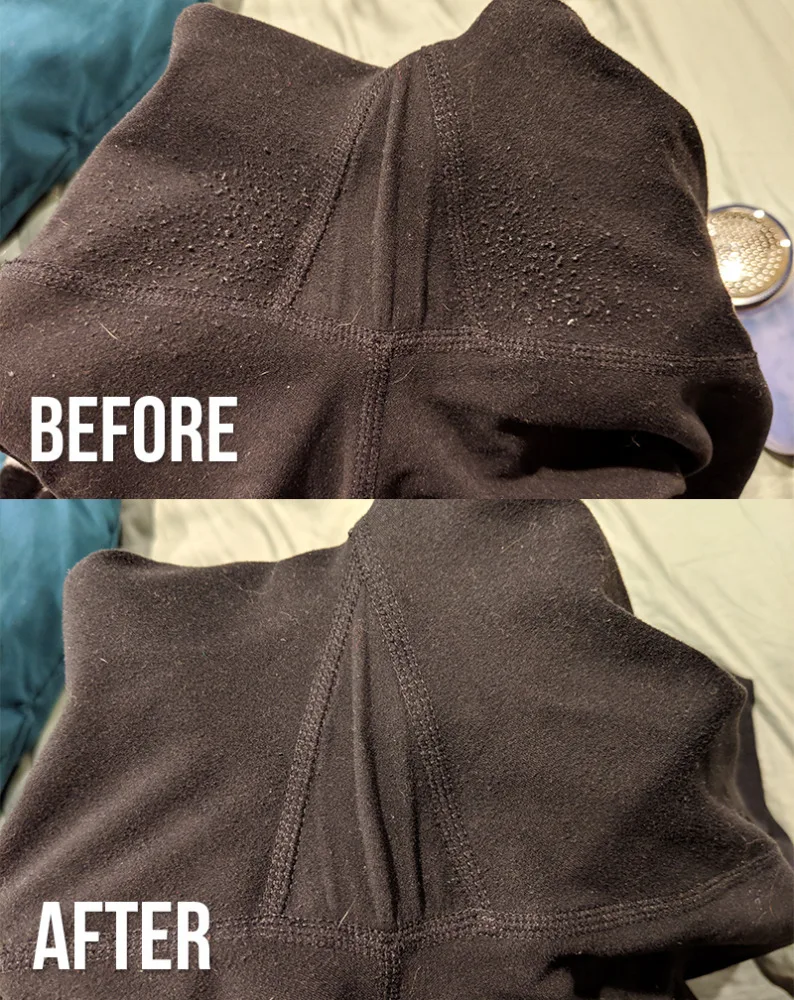
At its core, pilling is a natural wear-and-tear process where short or broken fibers on the surface of a fabric tangle together into small spherical bundles, often appearing in areas of high friction. While ubiquitous across various textiles, its prominence on leggings, a garment subjected to constant movement and stretching, makes it a critical point of consumer scrutiny. For brands, the prevalence and severity of pilling on their products directly reflect upon their commitment to quality and durability.
Defining Pilling: More Than Just Fuzz
Pilling occurs when the ends of loose fibers on a fabric’s surface become abraded, break, and then migrate to the surface. These broken fibers then knot together, forming pills. This process is influenced by several factors, including the type of fiber, the yarn structure, the fabric construction, and the finishing processes applied. Synthetic fibers like polyester, nylon, and spandex, commonly used in leggings for their stretch and moisture-wicking properties, are particularly prone to pilling because their high tensile strength prevents broken fibers from falling off the fabric surface; instead, they remain attached, forming visible pills. Natural fibers like cotton or wool also pill, but their weaker fibers tend to break off and shed more easily, making pills less persistent. A brand’s choice of materials, therefore, is an immediate reflection of its understanding of product performance and its desired quality benchmarks.
The Impact on Consumer Perception and Loyalty
When a consumer invests in a pair of leggings, they expect a certain level of performance and longevity. Discovering significant pilling after only a few wears can lead to profound disappointment, directly eroding confidence in the brand. This negative experience transcends the individual product; it contaminates the entire brand perception. Consumers might perceive the brand as using inferior materials, lacking rigorous quality control, or simply failing to deliver on its implicit promise of durability.
In today’s interconnected market, negative consumer experiences are amplified through social media, online reviews, and word-of-mouth, rapidly tarnishing a brand’s image. A pattern of pilling complaints can lead to reduced sales, higher return rates, and a significant drop in customer loyalty. Conversely, a brand that consistently delivers anti-pilling or low-pilling products builds a reputation for reliability, quality, and consumer value, fostering strong loyalty and encouraging repeat purchases. This directly impacts the lifetime value of a customer, a crucial metric for any brand’s sustained success.
Material Choices and Brand Identity: Preventing Pilling at the Source
For brands, combating pilling effectively begins long before the product reaches the consumer. It is an integral part of the design, material sourcing, and manufacturing process, directly informing the brand’s identity as a purveyor of quality and thoughtful design. Strategic choices in fiber, yarn, fabric construction, and finishing treatments are critical for mitigating pilling and upholding a brand’s commitment to excellence.
Fiber Selection: A Core Brand Decision
The type of fiber chosen is perhaps the most significant determinant of a fabric’s propensity to pill. Brands must weigh the functional benefits of various fibers against their pilling characteristics. For leggings, synthetic fibers offer elasticity, shape retention, and moisture management, but often come with a higher risk of pilling. High-quality synthetic fibers, however, often feature longer staple lengths and tighter molecular structures, which can reduce pilling. Brands committed to durability might opt for blends that combine the performance of synthetics with the softer hand and anti-pilling properties of certain natural fibers, or invest in advanced synthetic yarns engineered for improved abrasion resistance. This strategic fiber selection is not just a technical decision; it’s a statement about the brand’s values, balancing performance with longevity and aesthetic appeal.
Fabric Construction and Weave: Engineering for Durability
Beyond fiber choice, how the fabric is constructed plays a pivotal role in its pilling resistance. Tightly woven or knitted fabrics, where fibers are more securely interlocked, tend to pill less than looser constructions. The density of the fabric, the yarn twist, and the specific knit or weave pattern all contribute to the fabric’s surface integrity. For instance, a tightly packed interlock knit common in high-quality activewear will generally pill less than a loosely constructed single jersey knit. Brands that prioritize durability often invest in advanced knitting technologies and employ specialized fabric engineers to develop constructions that maximize resistance to abrasion and fiber migration, signaling a deep commitment to product quality and technical innovation. This engineering prowess becomes a silent differentiator, enhancing the brand’s perception as a leader in its category.
The Role of Finishing Treatments in Brand Promise
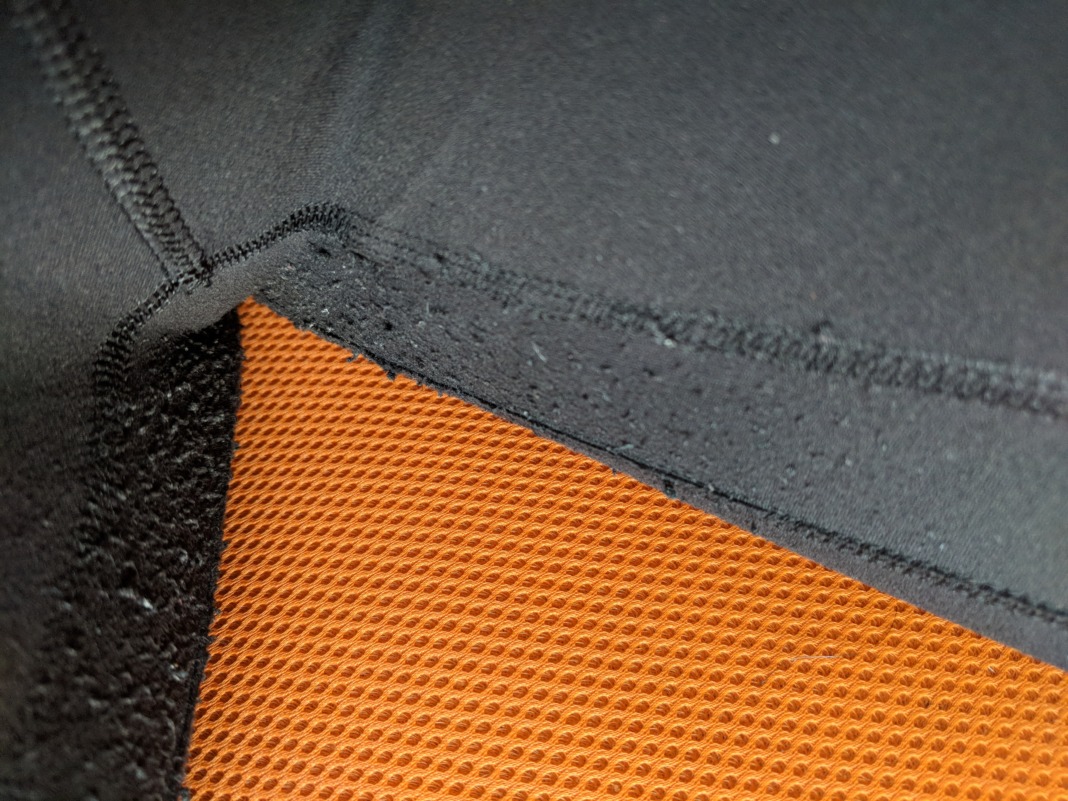
Fabric finishing treatments offer another layer of defense against pilling, reflecting a brand’s dedication to delivering a superior product experience. Chemical treatments can be applied to fabrics to bond loose surface fibers more securely or to reduce friction. Singeing, a process that burns off loose surface fibers, is also used to create a smoother finish and reduce pilling potential. While these treatments add to production costs, a brand’s decision to utilize them underscores its focus on quality over mere cost-cutting. By investing in these protective finishes, brands reinforce their promise of durability and sustained aesthetic appeal, elevating their product beyond competitors who might cut corners, thereby strengthening their brand identity as a premium or reliable choice.
Brand Communication and Consumer Education: Managing Expectations
Even with the most meticulous material selection and manufacturing processes, some degree of pilling can occur over a product’s lifespan. How a brand addresses this inevitability through clear communication and consumer education becomes a vital component of its overall brand strategy, fostering trust and mitigating potential dissatisfaction.
Transparency in Product Information
A brand committed to honesty and transparency will provide clear information about material composition and expected product performance. This includes detailed product descriptions, material breakdowns, and realistic care instructions. Brands can go a step further by openly discussing potential fabric characteristics, such as the likelihood of pilling in certain blends, while simultaneously highlighting their efforts to minimize it. Such transparency manages consumer expectations proactively, reducing the shock and disappointment when pilling does occur and positioning the brand as an honest and reliable entity. It builds a foundation of trust where consumers feel informed and respected, even when confronted with minor imperfections.
Educating for Garment Care and Longevity
Often, pilling can be exacerbated by improper care. A brand that invests in educating its customers on how to properly wash, dry, and store their leggings effectively extends the product’s life and minimizes pilling. This education can take various forms: clear care labels, detailed guides on websites, blog posts, or even social media tutorials. By empowering consumers with the knowledge to maintain their garments, brands not only reduce instances of premature pilling but also demonstrate a commitment to customer well-being and product longevity. This transforms the brand from a mere seller into a helpful resource, deepening the customer relationship and reinforcing a sustainable brand image.
Addressing Pilling in Customer Service and Returns
Despite best efforts, some customers may experience pilling they deem unacceptable. How a brand’s customer service team handles these inquiries is critical for brand perception. A responsive, empathetic, and solution-oriented approach—whether offering repair advice, replacements, or refunds—can turn a potentially negative experience into an opportunity to reinforce brand values. A well-managed return or complaint process demonstrates that the brand stands behind its products and values customer satisfaction, safeguarding brand reputation and potentially converting a dissatisfied customer into a loyal advocate through exceptional service recovery.
The Brand’s Competitive Edge: Beyond Price, Towards Quality and Sustainability
In a crowded market flooded with countless apparel options, quality and durability, particularly concerning issues like pilling, become powerful differentiators for brands. Moving beyond purely price-driven competition, brands that deliver superior product longevity and performance cultivate a distinct competitive edge, attracting discerning consumers and building lasting brand equity.
Building Trust Through Durable Products
In an era of fast fashion, consumers are increasingly seeking value and durability. Brands that consistently deliver leggings resistant to pilling and other forms of premature wear establish themselves as trustworthy providers of high-quality goods. This trust is an invaluable asset, driving repeat purchases and positive recommendations. When consumers know they can rely on a brand for products that last, they are often willing to pay a premium, reflecting a higher perceived value that transcends the initial cost. This positions the brand as a leader in quality, distinguishing it from lower-tier competitors.
The Long-Term Value of Quality for Brand Equity
Investing in anti-pilling technologies and higher-quality materials, while potentially increasing production costs, yields substantial long-term benefits for brand equity. A reputation for quality translates into stronger brand recognition, higher perceived value, and greater pricing power. It fosters a loyal customer base that views the brand as an investment rather than a disposable item. Over time, this focus on product excellence contributes to a robust brand narrative, a clear competitive advantage, and a resilient market position, reinforcing the brand’s status as a go-to choice for dependable, high-performance apparel.
Sustainability and Extended Product Life as a Brand Differentiator
Durability and resistance to pilling are intrinsically linked to sustainability. Products that last longer reduce consumption and waste, aligning with growing consumer demand for environmentally responsible brands. By actively engineering leggings for extended wear, brands can position themselves as leaders in sustainable fashion, appealing to an increasingly eco-conscious demographic. This commitment to product longevity as a pillar of sustainability is a powerful brand differentiator, demonstrating responsible manufacturing practices and a holistic approach to environmental stewardship, further enhancing brand appeal and relevance in a changing global market.
aViewFromTheCave is a participant in the Amazon Services LLC Associates Program, an affiliate advertising program designed to provide a means for sites to earn advertising fees by advertising and linking to Amazon.com. Amazon, the Amazon logo, AmazonSupply, and the AmazonSupply logo are trademarks of Amazon.com, Inc. or its affiliates. As an Amazon Associate we earn affiliate commissions from qualifying purchases.