
In the world of real estate and personal finance, few words carry as much weight—or cause as much anxiety—as “pending.” For a seller, it signals that the light at the end of the tunnel is visible, promising a significant liquidity event. For a buyer, it represents the final hurdle before the official acquisition of a major asset. However, a “pending” status is not a guarantee of a closed deal. From a financial perspective, it is a transitional phase where capital is committed, but the legal transfer of equity remains in a state of flux.
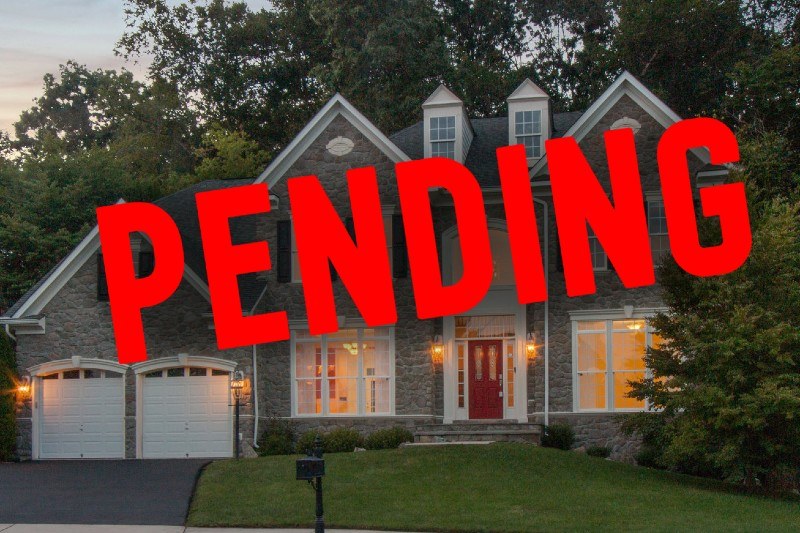
Understanding what pending means is essential for anyone looking to manage their net worth through property. It is the period between the handshake and the actual transfer of funds, and it is fraught with financial nuances that can either solidify or dismantle an investment.
The Financial Mechanics of a Pending Status
When a real estate listing moves from “active” to “pending,” it indicates that a buyer has made an offer, the seller has accepted it, and all initial contingencies have been addressed or are in the process of being satisfied. At this stage, the property is “under contract.” In the context of a financial portfolio, the asset is essentially sidelined. It is no longer being actively marketed to other investors, but the seller hasn’t yet received the proceeds.
The Shift from Active Asset to Contractual Obligation
Once a property is pending, the seller is legally bound to a specific price. This is a critical moment for personal finance management. The seller can no longer benefit from a sudden spike in market value or a higher “bidding war” offer unless the current contract fails. Conversely, the buyer has locked in their purchase price, protecting their capital from further market inflation during the closing period.
The Role of the Escrow Account
During the pending phase, “Money” moves into a neutral territory known as escrow. This is where the buyer’s earnest money—a deposit typically ranging from 1% to 3% of the purchase price—is held by a third party. This deposit serves as a financial “good faith” gesture. From a business finance perspective, this is a restricted asset; the buyer cannot use it for other investments, and the seller cannot access it until the deal is finalized or terminated under specific legal conditions.
Financial Contingencies: The Hurdles Between Pending and Closed
A pending deal is only as strong as the contingencies written into the contract. For those focused on wealth preservation and smart investing, these contingencies represent the primary risks to the transaction’s completion. If these financial hurdles are not cleared, the “pending” status reverts to “active,” often resulting in a loss of time and potential depreciation in the eyes of other buyers.
The Mortgage Commitment and Interest Rate Risk
Most real estate transactions involve some level of leverage. A “pending” status usually implies that the buyer has been pre-approved, but the final loan commitment is still pending. In a volatile economic environment, a shift in interest rates can change a buyer’s debt-to-income ratio overnight. If the cost of borrowing increases significantly during the pending period, the buyer may no longer qualify for the loan, causing the deal to collapse. This highlights the importance of “rate locks” as a financial tool for buyers during this phase.
The Appraisal Gap: An Investment Valuation Check
Lenders do not provide capital based on the agreed-upon purchase price; they provide it based on the appraised value. If a property is pending for $500,000 but the bank’s appraiser values it at $480,000, a “financial gap” is created. As an investor or homeowner, you must then decide: do you cover the $20,000 difference with personal cash reserves, or does the seller lower the price? This valuation check is a safeguard for the lender, ensuring the collateral is worth the investment.
Inspection and Capital Expenditure (CapEx) Adjustments
The pending period is when the “true cost” of the asset is often revealed through professional inspections. If significant structural or mechanical issues are found, they become a point of financial renegotiation. For a buyer, this is an opportunity to mitigate future capital expenditures. For a seller, it may mean a reduction in net proceeds as they are forced to provide credits or pay for repairs to keep the deal alive.
Earnest Money and the Risk of “Dead Capital”
In personal finance, liquidity is king. When a property is pending, both parties are dealing with “dead capital”—money that is tied up and not generating a return.
Protecting the Earnest Money Deposit
For the buyer, the earnest money is at risk. If they back out of the deal for a reason not covered by contingencies, the seller typically retains this money as liquidated damages. This serves as a financial penalty for taking the seller’s asset off the market. Smart financial planning requires buyers to be certain of their ability to close before moving a property into the pending stage.
The Seller’s Opportunity Cost
For the seller, the “pending” period represents a significant opportunity cost. While the home is under contract (often for 30 to 60 days), the seller is still responsible for mortgage payments, taxes, insurance, and maintenance. If the deal fails to close, the seller has lost two months of market exposure and has incurred holding costs without a successful exit. This is why sellers often prefer “all-cash” offers; they reduce the time the property spends in the pending phase, thereby increasing the velocity of their capital.
Strategy for Investors: Navigating the Pending Landscape
Real estate investors view the “pending” status differently than a typical homeowner. To an investor, a pending sign is a data point that reflects market demand and liquidity.
Monitoring “Back-Up” Positions
Savvy investors often keep an eye on pending properties in high-demand areas. Statistically, a certain percentage of pending deals (often 10% to 20% depending on the market) will fall through due to financing or inspection issues. By having a “back-up offer” ready, an investor can step in immediately with a “cleaner” financial package—such as a higher down payment or waived contingencies—to secure an asset that was previously out of reach.
Analyzing Market Velocity through Pending Timelines
The length of time a property remains in the “pending” state can tell you a lot about the local economy. If the average pending-to-closed duration is increasing, it may indicate that local lenders are tightening their credit requirements or that appraisals are coming in low. For someone looking to invest in a specific zip code, tracking the “failure rate” of pending listings is a sophisticated way to gauge whether the market is overheated or stable.
The Final Transition: From Pending to Settled
The culmination of the pending status is the “Closing” or “Settlement.” This is the moment of truth where the financial spreadsheets become reality.
Closing Costs and Net Sheets
As the pending status nears its end, both parties receive a “Closing Disclosure” or a “Settlement Statement.” This document breaks down every cent of the transaction. For the buyer, it details the down payment, loan origination fees, and title insurance. For the seller, it shows the “Net Proceeds”—the actual amount of cash they will walk away with after paying off their existing mortgage, commissions, and transfer taxes.
The Transfer of Equity
Once the documents are signed and the lender funds the loan, the status changes from “pending” to “sold.” At this point, the seller’s equity is converted into cash (liquidity), and the buyer’s cash is converted into a physical asset (equity). This marks the end of the pending phase and the successful execution of a significant financial maneuver.
Conclusion: The Importance of Due Diligence
In summary, “pending” in real estate is a financial placeholder. It signifies a period of intense due diligence where the math of the deal is scrutinized by lenders, appraisers, and inspectors. Whether you are a first-time homebuyer or a seasoned real estate investor, treating the pending period as a rigorous financial audit is the key to protecting your wealth. By understanding the risks associated with contingencies, the importance of earnest money, and the mechanics of the closing process, you can navigate the “pending” status with the professional insight needed to ensure your capital is working for you, rather than being at risk.
aViewFromTheCave is a participant in the Amazon Services LLC Associates Program, an affiliate advertising program designed to provide a means for sites to earn advertising fees by advertising and linking to Amazon.com. Amazon, the Amazon logo, AmazonSupply, and the AmazonSupply logo are trademarks of Amazon.com, Inc. or its affiliates. As an Amazon Associate we earn affiliate commissions from qualifying purchases.