
In the realm of print and design, understanding “paper weight” is foundational. It’s a term that frequently surfaces in discussions about brochures, business cards, invitations, and a myriad of other printed materials. Yet, for many, it remains an abstract concept, a numerical value without a clear tangible meaning. This article aims to demystify paper weight, exploring its significance, the various measurement systems, and how it directly impacts the perceived quality, durability, and cost of printed collateral. For those in the branding and design industry, this knowledge is not merely academic; it’s a crucial tool for effective communication, strategic decision-making, and ultimately, for crafting compelling visual identities.
The Foundation of Paper: Understanding Basis Weight
The term “paper weight” refers to the mass of a ream (500 sheets) of paper in its basic size. This might sound straightforward, but the complexity arises from the fact that different paper types have different “basic sizes.” This fundamental concept is known as basis weight.
The Metric System: Grams per Square Meter (GSM)
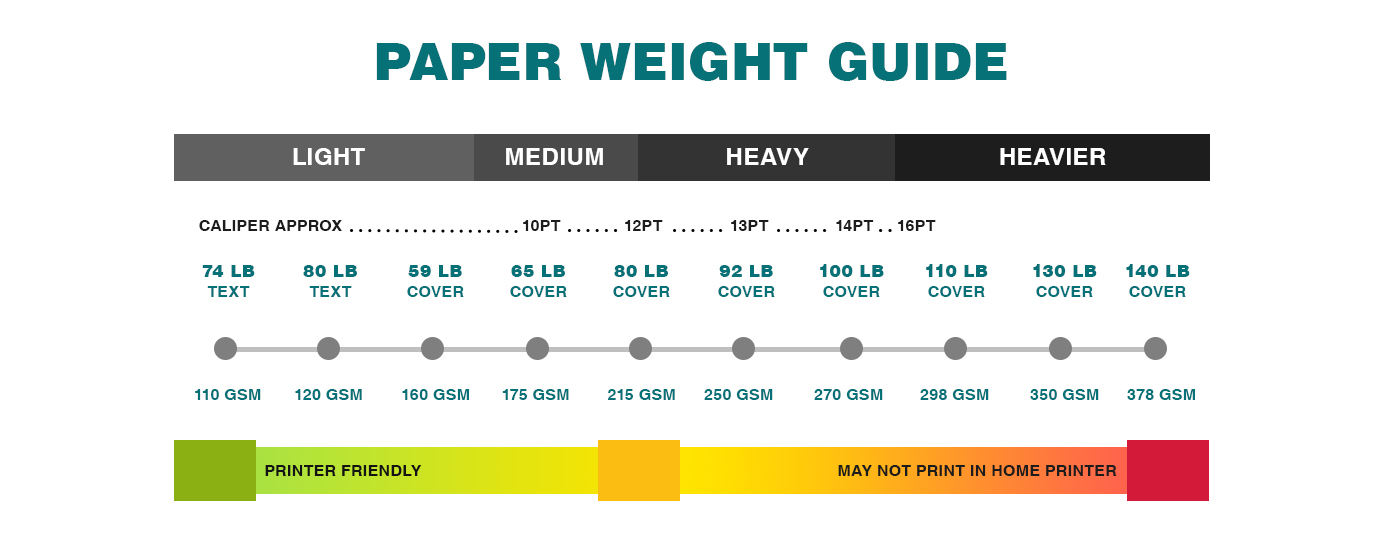
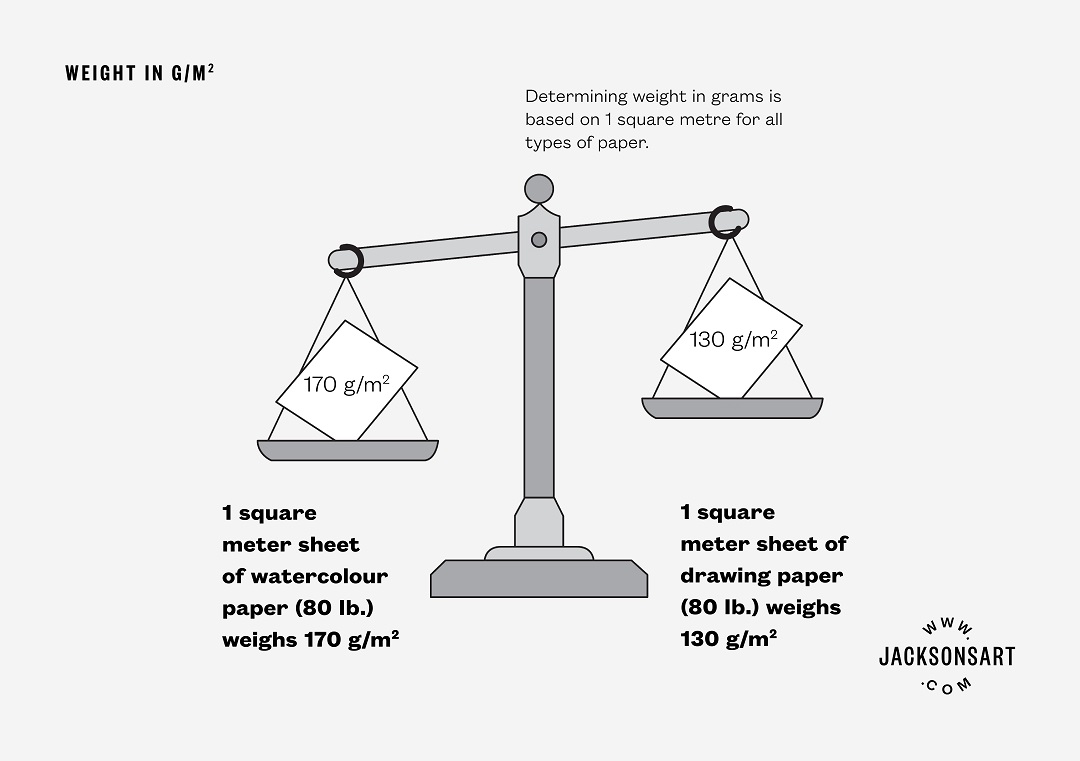
In much of the world, and increasingly in the printing industry globally, paper weight is measured using the metric system in grams per square meter (GSM). This is a universally understood and consistent measurement. It signifies the actual weight of one square meter of paper. The higher the GSM, the thicker and heavier the paper. For instance, a standard copy paper might be around 75-90 GSM, while a premium business card stock could be 300-350 GSM or even higher.
- Why GSM is Preferred: The advantage of GSM is its universality. A 200 GSM paper is 200 GSM everywhere, regardless of its initial basic size before being cut into standard sheets. This eliminates confusion and allows for direct comparison between different paper types.
- Practical Implications: Higher GSM papers feel more substantial, luxurious, and durable. They are less prone to bending, tearing, and show-through, making them ideal for high-quality marketing materials, invitations, and business cards where a strong first impression is paramount. Lower GSM papers are lighter, more flexible, and generally more economical, making them suitable for everyday printing like flyers and brochures where cost and volume are key considerations.
The Imperial System: Basis Weight (Pound – lb)
In the United States, paper weight is traditionally measured using the imperial system, expressed in pounds (lb). This system can be a source of confusion because the “pound” refers to the weight of 500 sheets of a specific “basic size” for that particular paper category.
- Understanding the “Basic Size”: The basic size varies depending on the type of paper. For example:
- Bond Paper: Basic size is 17″ x 22″. So, a 20 lb bond paper means 500 sheets of 17″ x 22″ paper weigh 20 pounds.
- Cover Stock: Basic size is 20″ x 26″. A 65 lb cover stock means 500 sheets of 20″ x 26″ paper weigh 65 pounds.
- Text Paper: Basic size is 25″ x 38″. A 80 lb text paper means 500 sheets of 25″ x 38″ paper weigh 80 pounds.
- The Conversion Challenge: Because the basic size differs, directly comparing pound weights across different paper categories (e.g., comparing a 20 lb bond to a 65 lb cover) is not straightforward without conversion. A 65 lb cover stock is significantly heavier and thicker than a 20 lb bond paper, despite the numerical difference in pounds.
- The “Equivalent” or “Index” Weight: To simplify comparisons, some manufacturers and designers use an “equivalent” or “index” weight. This is essentially the weight of the paper if it were cut to a standard text paper size (25″ x 38″). However, this can still be a point of confusion if not clearly specified.
The Tangible Impact: How Paper Weight Affects Brand Perception
For any brand, the choice of paper stock is a subtle yet powerful element of its identity. It communicates value, professionalism, and attention to detail. Paper weight plays a pivotal role in this communication.
Durability and Tactile Experience
The most immediate impact of paper weight is on the durability and tactile experience of a printed piece.
- Substantial Feel: Heavier weight papers (higher GSM or higher lb rating in the same category) offer a more substantial, robust feel. When a potential client or customer holds a business card printed on thick cardstock, it immediately conveys a sense of quality and permanence. This tactile experience can subconsciously influence their perception of the brand’s reliability and value.
- Resilience: Thicker papers are more resistant to creasing, bending, and tearing. This means your marketing materials will maintain their pristine appearance for longer, even with frequent handling. A brochure that holds its shape and doesn’t fray at the edges projects a more professional image than one that looks worn after a few uses.
- Reduced Show-Through: Higher weight papers typically have better opacity, meaning less of what’s on the back of the sheet will show through to the front. This is particularly important for double-sided printing, ensuring clean, crisp visuals and text without distraction.
Visual Aesthetics and Design Considerations
Paper weight isn’t just about feel; it significantly impacts the visual presentation of your brand’s collateral.
- Color Reproduction: The surface and thickness of paper can influence how inks appear. Heavier, coated stocks often provide a smoother surface for vibrant color reproduction, making images pop and colors appear richer. Uncoated, lighter weight papers might offer a more natural, matte finish, which can be desirable for a specific brand aesthetic.
- Dimensionality and Folding: The weight of the paper dictates how it folds and holds creases. For items like brochures, menus, or folded invitations, a paper that is too thin might result in soft, imprecise folds, while a paper that is too thick might crack when creased. Designers must select a weight that allows for crisp, clean folds without compromising the integrity of the paper.
- Layering and Construction: For more complex print projects, such as multi-page booklets, presentation folders, or packaging, the weight of the paper is crucial for structural integrity. Heavier stocks provide the necessary stiffness and support to ensure the finished product looks and feels professional and performs its intended function.
Choosing the Right Weight: A Strategic Decision for Brands
Selecting the appropriate paper weight is a strategic decision that aligns with a brand’s overall messaging and objectives. It’s a balance between perceived value, functionality, and budget.
Aligning Paper Weight with Brand Positioning
The weight of your paper should be a direct reflection of your brand’s personality and the market you aim to attract.
- Luxury and Premium Brands: Brands that position themselves as high-end, exclusive, or artisanal will often opt for heavier weight papers (e.g., 300-400 GSM cardstock for business cards, 100-130 lb cover for brochures). This choice reinforces an image of quality, sophistication, and attention to detail. The tactile experience of holding a substantial piece of printed material validates the perceived value of the brand.
- Everyday and Accessible Brands: Brands targeting a broad audience or emphasizing affordability might choose lighter weight papers (e.g., 75-90 GSM for flyers, 80 lb cover for basic brochures). This doesn’t necessarily imply lower quality, but rather a practical choice that makes printed materials more cost-effective for wider distribution. The focus here might be on clear, concise information delivery rather than an emphasis on tactile luxury.
- Innovative and Creative Brands: For brands that want to stand out with a unique feel or texture, paper weight can be combined with other paper characteristics like finishes (e.g., matte, gloss, textured) and special effects. However, even in this context, the weight must be suitable for the intended application and the desired aesthetic. A paper that is too flimsy might detract from an otherwise creative design.
Practical Considerations: Cost, Functionality, and Printability
Beyond brand perception, practical factors heavily influence paper weight selection.
- Cost Implications: Generally, the heavier the paper, the higher the cost per sheet. This is a significant factor, especially for large print runs. A strategic choice involves finding the sweet spot where the paper weight conveys the desired brand message without exceeding budgetary constraints. For instance, using a 100 lb cover for a brochure might be ideal, but if the budget is tight, a 80 lb cover might suffice, especially if the design and print quality are exceptional.
- Mailing and Shipping: For materials that will be mailed, paper weight impacts postage costs. Heavier papers mean heavier mail, which can increase shipping expenses. Designers and marketers need to consider the total weight of the piece, including any envelopes or additional inserts, when making paper selections for direct mail campaigns.
- Printer Compatibility: While most commercial printers can handle a wide range of paper weights, it’s always advisable to consult with your printer about their capabilities and recommendations. Extremely thick cardstocks or papers with unusual textures might require specialized equipment or might not be suitable for all printing processes. Understanding your printer’s limitations is key to a smooth production process.
- Intended Use and Lifespan: Consider how the printed material will be used and how long it needs to last. A temporary promotional flyer might be printed on a lighter stock, while a product catalog or a company annual report, intended for longer-term reference, would benefit from a heavier, more durable paper.
Beyond the Basics: Understanding Paper Caliper and Finishing
While basis weight is the primary indicator of paper thickness and heft, other factors contribute to the overall feel and performance of a printed piece.
Paper Caliper (Thickness)
Paper caliper refers to the actual physical thickness of a single sheet of paper, measured in thousandths of an inch (mils or points). While basis weight is related to thickness, it’s not a direct one-to-one correlation. Two different paper types with the same basis weight might have slightly different calipers due to variations in manufacturing processes, fiber density, and coatings.
- Direct Measurement: Caliper provides a precise measurement of the paper’s thickness, which is crucial for applications where precise dimensions are important, such as packaging, inserts, or when fitting materials into specific slots or holders.
- Feel vs. Measurement: While caliper measures thickness, basis weight more directly relates to the “heft” or “substance” of the paper. A paper with a high caliper but low density might feel thinner than a paper with a slightly lower caliper but higher density. For most branding and design purposes, understanding basis weight (GSM or lb) is sufficient to grasp the tactile qualities, but caliper becomes important for technical specifications.
The Role of Finishes and Coatings
The finishing applied to a paper stock can also influence its perceived weight and its overall presentation.
- Coated Papers: Coated papers have a layer of clay or other materials applied to their surface, which affects their finish (e.g., gloss, silk, matte). Coatings generally make the paper smoother and can influence how inks sit on the surface, impacting color vibrancy and image sharpness. Coated papers can sometimes feel slightly thinner than uncoated papers of the same basis weight due to their denser structure.
- Uncoated Papers: Uncoated papers have a more natural, absorbent surface. They tend to have a softer, warmer feel and can provide a more muted, sophisticated look. They are often preferred for stationery and more traditional print applications.
- Textured Papers: Papers with embossing or other textures can add a unique tactile dimension. These textures can sometimes make a paper feel thicker or more substantial than its actual caliper or basis weight might suggest.
By understanding paper weight, caliper, and the impact of various finishes, branding professionals and designers can make informed decisions that enhance the visual and tactile appeal of their printed materials, ensuring they effectively communicate the desired brand message and resonate with their target audience.
aViewFromTheCave is a participant in the Amazon Services LLC Associates Program, an affiliate advertising program designed to provide a means for sites to earn advertising fees by advertising and linking to Amazon.com. Amazon, the Amazon logo, AmazonSupply, and the AmazonSupply logo are trademarks of Amazon.com, Inc. or its affiliates. As an Amazon Associate we earn affiliate commissions from qualifying purchases.