
In the dynamic landscape of digital marketing, YouTube stands as an unparalleled platform for visual content, brand storytelling, and audience engagement. For businesses, content creators, and individuals looking to expand their reach, the concept of “paid promotion” on YouTube is not just a buzzword but a strategic imperative. At its core, paid promotion on YouTube refers to any method by which a brand or creator invests capital to increase the visibility, reach, and engagement of their video content, channel, or products/services. This investment is made with the explicit goal of accelerating growth, achieving specific marketing objectives, and ultimately, bolstering brand presence and performance in a highly competitive digital arena.
This encompasses a range of sophisticated advertising tools and strategic partnerships designed to cut through the noise and place content directly in front of a targeted audience. Unlike organic growth, which relies solely on YouTube’s algorithms and viewer discovery without direct monetary investment, paid promotion provides a mechanism for guaranteed exposure and measurable outcomes. Understanding its multifaceted nature is crucial for any entity aiming to leverage YouTube effectively as a cornerstone of their broader brand strategy.
The Essence of Paid Promotion on YouTube
Paid promotion on YouTube is fundamentally about leveraging financial resources to amplify marketing messages and content. It’s a deliberate act of investing in visibility, reach, and audience engagement that goes beyond the passive hope of organic discovery. This approach is rooted in the understanding that while compelling content is king, even the most exceptional videos can struggle to find their audience amidst the billions of hours of content uploaded daily. Paid promotion serves as the engine that drives content to relevant viewers, significantly shortening the path to brand awareness and customer acquisition.
Differentiating Organic Reach from Paid Tactics
The distinction between organic and paid reach is foundational to understanding YouTube promotion. Organic reach refers to the visibility a video gains through natural means: viewers discovering content via YouTube’s search results, recommendations, subscriptions, or shares, without any direct advertising spend. While highly valued for its authenticity and cost-effectiveness, organic growth can be slow and unpredictable, heavily reliant on algorithm favourability and viewer preference.
Paid tactics, conversely, involve a direct monetary investment to bypass the limitations of purely organic growth. This could mean buying ad placements, sponsoring content with creators, or utilizing various promotional tools offered by the platform itself. The primary advantage of paid promotion is control: brands can dictate who sees their content, when they see it, and often, what action they take. This precision targeting, combined with accelerated reach, makes paid promotion an indispensable tool for strategic marketing campaigns, product launches, and brand building initiatives that require immediate and widespread impact. It allows brands to scale their message quickly and efficiently, directly influencing the growth trajectory of their YouTube presence and broader market footprint.
Transparency and Disclosure Requirements
A critical aspect of paid promotion on YouTube, particularly concerning brand deals and sponsored content, is transparency. Both YouTube and regulatory bodies globally mandate clear disclosure when content is influenced by a paid partnership. This is not merely a courtesy to viewers but a legal and ethical requirement designed to maintain trust and prevent deceptive advertising practices.
For creators, this often involves using YouTube’s built-in “paid promotion” disclosure feature, which displays a text overlay (e.g., “Includes paid promotion”) on the video. For brands, ensuring their partners adhere to these guidelines is paramount for maintaining brand integrity and avoiding potential legal repercussions or reputational damage. Transparency fosters a healthier ecosystem where viewers can make informed decisions about the content they consume, knowing when a brand’s message is being delivered as part of a commercial agreement. Failing to disclose paid promotion can lead to penalties, including demonetization of videos, suspension of channels, and significant harm to a brand’s credibility.
Types of Paid Promotion on YouTube
The landscape of paid promotion on YouTube is diverse, offering brands multiple avenues to connect with their target audience. Each type offers distinct advantages, catering to different marketing objectives, budget constraints, and creative strategies. Understanding these options is key to developing a holistic and effective YouTube marketing plan.
YouTube Ads (Google Ads Platform)
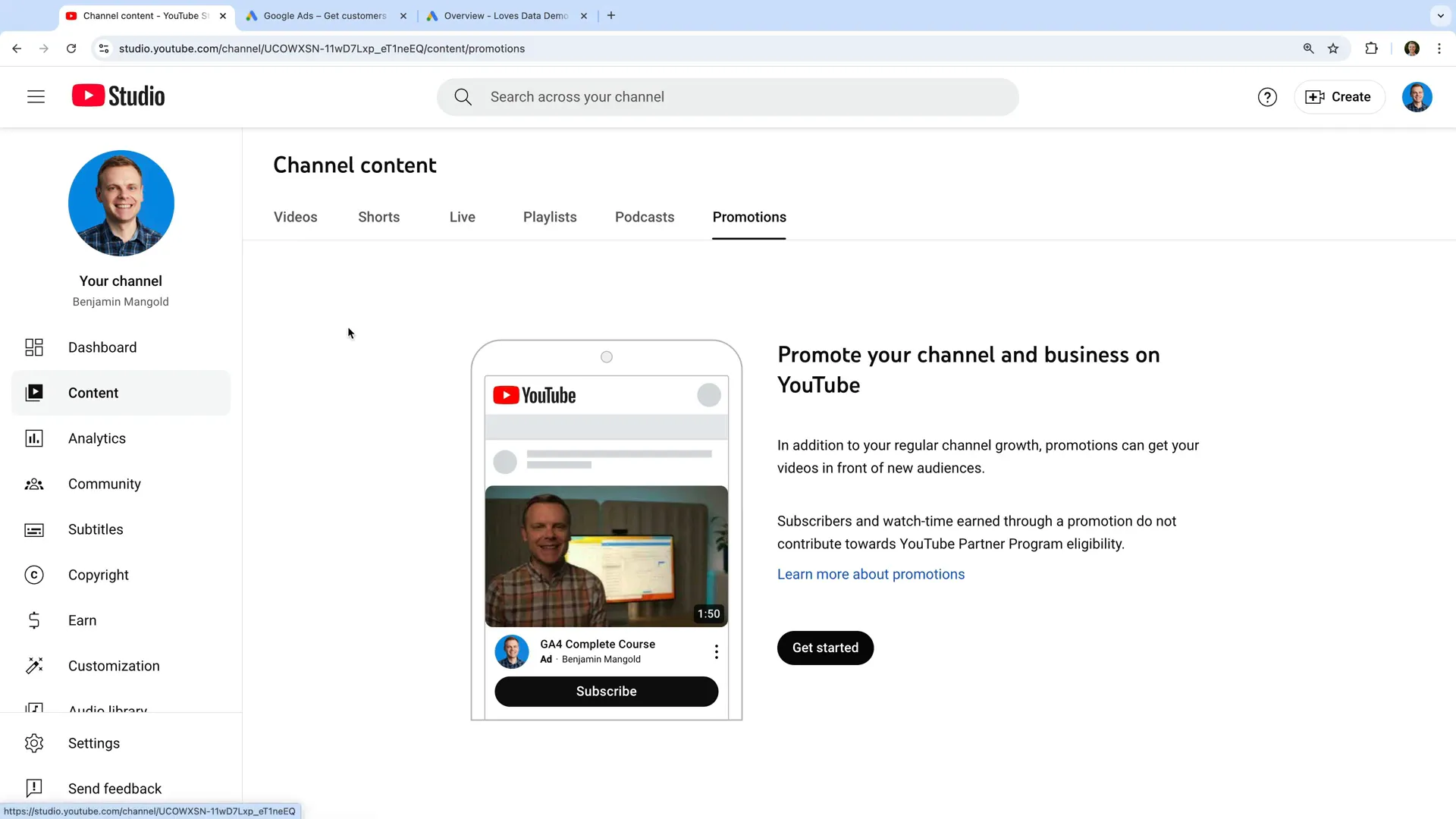
The most direct form of paid promotion on YouTube is through its advertising platform, powered by Google Ads. This robust system allows brands to create and run various ad formats that appear before, during, or alongside YouTube videos, as well as within search results and on the YouTube homepage.
- Skippable In-Stream Ads: These ads play before or during a video and can be skipped by viewers after five seconds. They are ideal for driving brand awareness and consideration, as brands only pay if the viewer watches a certain duration or interacts with the ad.
- Non-Skippable In-Stream Ads: Shorter ads (typically 15-20 seconds) that viewers must watch before their selected video plays. Best for impactful, concise messaging and strong brand recall.
- Bumper Ads: Very short (up to 6 seconds), non-skippable ads. These are excellent for delivering a memorable message quickly and increasing brand reach, often used in conjunction with longer campaigns.
- In-Feed Video Ads (formerly TrueView Video Discovery Ads): These appear in YouTube search results, next to related videos, or on the YouTube mobile homepage. They invite viewers to click and watch a video, making them suitable for driving views to specific content and increasing channel subscriptions.
- Outstream Ads: Mobile-only video ads that appear on partner websites and apps outside of YouTube, expanding a brand’s reach across the Google Display Network.
- Masthead Ads: A premium ad format placed at the top of the YouTube homepage for a full day. These are reserved for large brands seeking maximum visibility and brand awareness on a massive scale.
YouTube Ads offer unparalleled targeting capabilities, allowing brands to reach specific demographics, interests, behaviours, and even custom audiences, ensuring marketing budgets are spent effectively on the most receptive viewers.
Brand Deals and Sponsored Content
Brand deals and sponsored content involve collaborations between brands and YouTube creators (influencers) to promote products, services, or the brand itself. This form of promotion taps into the creator’s existing audience, leveraging their authenticity and established trust.
- Product Placements: A brand’s product is featured or subtly used within a creator’s regular content.
- Dedicated Reviews/Mentions: A creator explicitly talks about or reviews a brand’s product or service, often dedicating a segment or an entire video to it.
- Integrated Sponsorships: A brand’s message or product is seamlessly woven into the creator’s content, often as a sponsor of a particular video series or channel.
- Ambassadorships: Long-term partnerships where a creator consistently promotes a brand over an extended period, becoming a recognizable face for the brand.
The effectiveness of brand deals lies in the creator’s ability to present the brand message in a way that resonates with their audience, often feeling more organic and less intrusive than traditional ads. For brands, this strategy builds credibility, fosters community engagement, and can introduce their products to highly engaged, niche demographics.
Affiliate Marketing and Product Placements
Affiliate marketing on YouTube is another form of paid promotion where creators earn a commission for driving sales or leads to a brand through unique affiliate links or codes provided in their video descriptions. While the initial “payment” to the creator is contingent on performance (sales), the brand is effectively paying for promotional activity that results in conversions.
Product placements, whether part of a larger brand deal or a standalone arrangement, involve integrating a brand’s product into a creator’s video content. This can range from a subtle background presence to a prominent feature. The payment here is for the exposure and association, often aiming for brand recognition and aspiration rather than immediate conversion. Both affiliate marketing and product placements leverage the creator’s influence and content style to subtly or overtly promote products, contributing to brand visibility and potential revenue generation.
Strategic Implications for Brands and Creators
The strategic adoption of paid promotion on YouTube carries significant implications for both brands seeking to expand their market presence and creators aiming to monetize their content and grow their influence. It transforms YouTube from merely a content repository into a powerful, results-driven marketing channel.
Enhancing Brand Visibility and Reach

The most immediate benefit of paid promotion is the dramatic increase in brand visibility and reach. Organic strategies, while valuable, can be slow. Paid ads and strategic partnerships allow brands to put their message in front of millions of targeted viewers almost instantly. This rapid exposure is critical for:
- Launching new products/services: Generating buzz and awareness before or immediately after a launch.
- Entering new markets: Reaching demographics that might not yet be familiar with the brand.
- Combating competitive pressures: Ensuring a brand’s message is seen even in crowded market segments.
By carefully targeting audiences based on demographics, interests, and viewing habits, brands can ensure their promotional efforts are not just widespread but also highly relevant, maximizing the impact of every dollar spent and solidifying brand presence.
Targeting Specific Audiences
One of the most powerful features of YouTube’s paid promotion ecosystem, especially through Google Ads, is its advanced targeting capabilities. Brands can define their ideal customer profiles with remarkable precision, ensuring their promotional content reaches the viewers most likely to be interested in their products or services. This includes:
- Demographic Targeting: Age, gender, parental status, household income.
- Audience Interests: Based on viewing history, subscriptions, and broader online behaviour.
- Custom Audiences: Uploading customer lists or creating audiences based on specific URLs or apps.
- Placement Targeting: Choosing specific YouTube channels, videos, or websites where ads should appear.
- Remarketing: Reaching viewers who have previously interacted with a brand’s content or website.
This granular control over audience targeting ensures that marketing spend is optimized, reducing wasted impressions and increasing the likelihood of engagement and conversion. For brands, this translates into more efficient campaigns and a stronger return on investment.
Measuring ROI and Campaign Effectiveness
Unlike traditional advertising, digital paid promotion on YouTube offers robust analytics and reporting tools, enabling brands to accurately measure the return on investment (ROI) and overall effectiveness of their campaigns. Through the Google Ads platform and YouTube Analytics, brands can track a multitude of metrics:
- Views and Impressions: How many times the ad or sponsored content was seen.
- Click-Through Rate (CTR): The percentage of viewers who clicked on the ad or link.
- Conversions: Specific actions taken by viewers, such as website visits, sign-ups, or purchases.
- Engagement Rate: Likes, comments, shares on sponsored content.
- Brand Lift: Measuring the impact on brand awareness, ad recall, and consideration.
- Cost Per View (CPV) / Cost Per Click (CPC) / Cost Per Acquisition (CPA): Key metrics for budget efficiency.
By analyzing these data points, brands can refine their strategies in real-time, optimize ad creatives, adjust targeting parameters, and allocate budgets more effectively. This data-driven approach is fundamental to maximizing marketing efficiency and ensuring that paid promotion efforts contribute tangibly to business objectives and brand growth.
Best Practices for Effective YouTube Paid Promotion
To truly harness the power of paid promotion on YouTube, brands must adhere to a set of best practices that extend beyond merely allocating a budget. Strategic planning, creative execution, and ethical considerations are paramount for achieving meaningful and sustainable results.
Aligning with Brand Identity
Any paid promotional content, whether an ad or sponsored video, must be intrinsically aligned with the brand’s core identity, values, and messaging. Inconsistency can confuse consumers, dilute brand perception, and undermine trust. This means:
- Consistent Visuals: Using brand colours, logos, and aesthetics that are instantly recognizable.
- Cohesive Messaging: Ensuring the tone of voice and key selling points are consistent with overall brand communication.
- Creator Fit: For brand deals, partnering with creators whose personal brand, content style, and audience demographics naturally align with the brand’s image and target market. A misalignment can feel inauthentic and lead to negative viewer reactions.
Authenticity is key; viewers are increasingly adept at spotting forced or incongruous promotions. Brands that integrate their message seamlessly and genuinely into the YouTube environment build stronger, more lasting connections with their audience.
Crafting Compelling Content
Even with paid promotion, poor content will fail to engage. The investment in promotion should be matched by an investment in high-quality, compelling video content that provides value to the viewer. This applies equally to ads and sponsored videos.
- High Production Quality: Clear audio, good lighting, professional editing.
- Strong Hook: Capturing viewer attention within the first few seconds, especially for skippable ads.
- Clear Call to Action: Guiding viewers on what to do next (visit a website, subscribe, buy a product).
- Storytelling: Engaging narratives that resonate emotionally with the audience.
- Value Proposition: Clearly communicating how the product or service benefits the viewer.
Content designed specifically for the YouTube platform, understanding its unique viewing habits and audience expectations, will always outperform repurposed traditional advertisements. The goal is not just to be seen, but to be remembered and acted upon.
Adhering to Platform Policies and Ethical Guidelines
Successfully navigating YouTube’s paid promotion landscape requires strict adherence to both the platform’s community guidelines and advertising policies, as well as broader ethical marketing principles.
- YouTube’s Ad Policies: Google Ads has strict guidelines regarding prohibited content (e.g., hate speech, dangerous products), editorial and technical quality, and user experience. Non-compliance can lead to ad disapproval, account suspension, or even legal action.
- Community Guidelines: All content on YouTube, including sponsored content, must abide by the platform’s rules regarding harassment, spam, violent content, and other inappropriate material.
- Disclosure Laws (e.g., FTC Guidelines in the US, ASA in the UK): As mentioned earlier, transparency about paid partnerships is a legal requirement in many regions. Brands and creators must clearly disclose any material connection that influences the content.
Operating ethically and within the bounds of policy not only prevents penalties but also reinforces brand credibility and builds long-term trust with consumers. A brand’s reputation is a fragile asset, and paid promotion executed responsibly protects and enhances it.
The Evolving Landscape of YouTube Promotion
The definition and application of paid promotion on YouTube are continually evolving. As the platform matures and viewer habits shift, so too do the strategies employed by brands and creators. The rise of short-form video (YouTube Shorts), interactive features, and advanced AI-driven targeting continually presents new opportunities and challenges. Successful brands will remain agile, consistently analyzing data, experimenting with new ad formats, and adapting their content strategies to align with both platform changes and audience preferences. Ultimately, paid promotion on YouTube is more than just buying views; it’s a sophisticated marketing discipline requiring strategic foresight, creative excellence, and a deep understanding of audience engagement to build and sustain a powerful brand presence in the digital age.
aViewFromTheCave is a participant in the Amazon Services LLC Associates Program, an affiliate advertising program designed to provide a means for sites to earn advertising fees by advertising and linking to Amazon.com. Amazon, the Amazon logo, AmazonSupply, and the AmazonSupply logo are trademarks of Amazon.com, Inc. or its affiliates. As an Amazon Associate we earn affiliate commissions from qualifying purchases.