
In the rapidly evolving landscape of healthcare, the roles and responsibilities of medical professionals are constantly being redefined. As technology integrates more deeply into patient care, diagnostics, and operational efficiency, understanding the terminology and the professionals who utilize these advancements becomes crucial. One such designation that warrants clarity is “PA-C.” While its roots are firmly in clinical medicine, the “C” signifies a commitment to ongoing professional development and adherence to high standards, principles that are increasingly mirrored and amplified by technological advancements in the medical field. This article will delve into the meaning of PA-C, explore the expanding technological toolkit at their disposal, and examine how these technological integrations are shaping the future of their practice and patient outcomes.
The Foundation: Defining PA-C and Their Scope
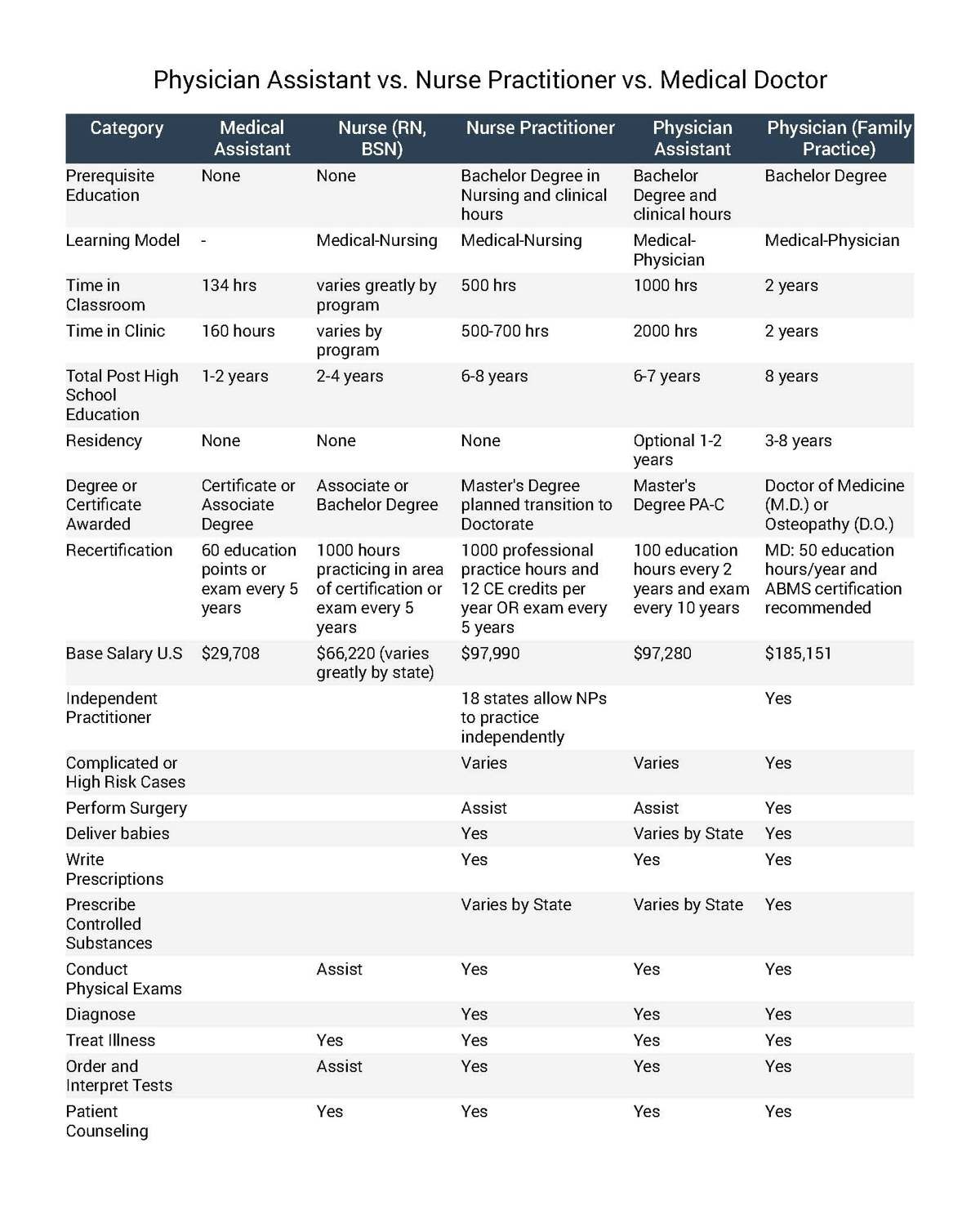
Before exploring the technological intersections, it’s essential to firmly establish what PA-C represents. The designation of PA-C is more than just an abbreviation; it signifies a certified and qualified healthcare professional who works collaboratively with physicians to provide comprehensive medical care.
Physician Assistant (PA) Explained
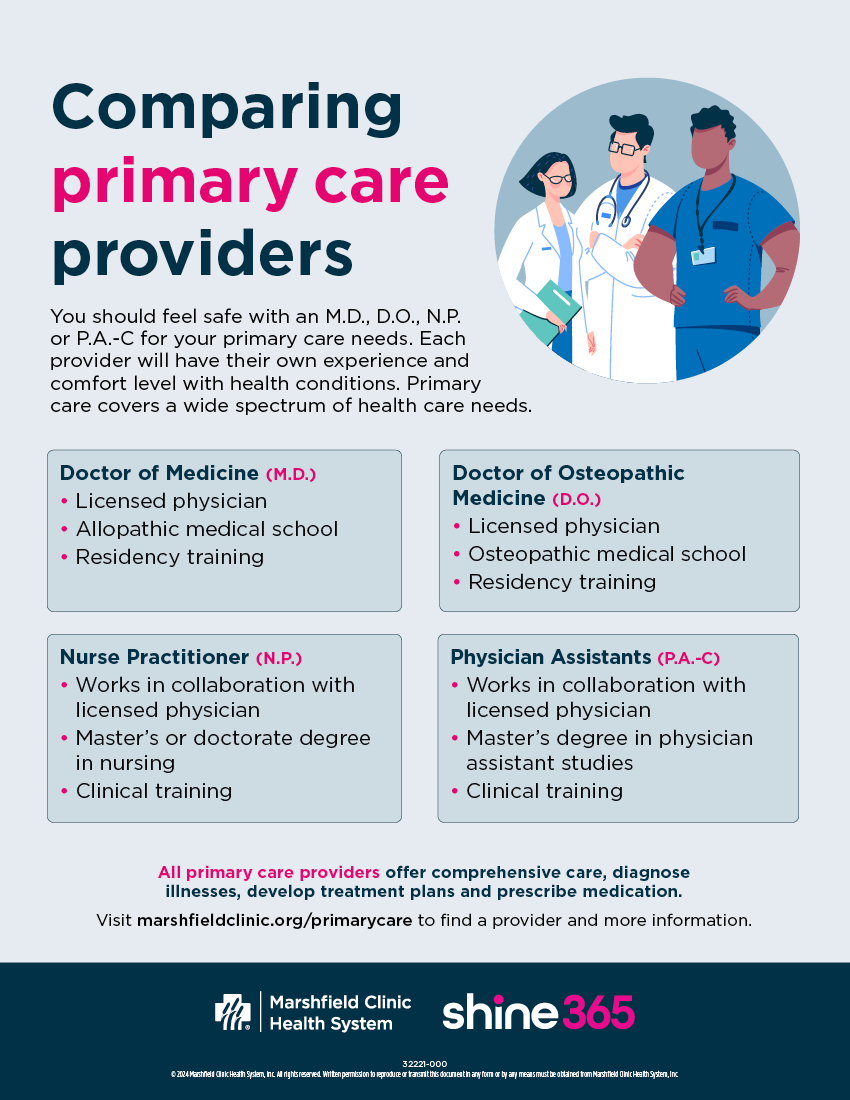
At its core, a Physician Assistant is a licensed medical professional who practices medicine as part of a healthcare team, collaborating with physicians, surgeons, and other healthcare workers. PAs are trained to assess patients, diagnose and treat illnesses, and order and interpret tests. Their education is rigorous, typically involving a graduate-level program that includes classroom instruction and extensive supervised clinical practice. This training equips them with a broad scope of medical knowledge, enabling them to manage a wide range of health conditions across various specialties.
The Significance of the “C” – Certification
The “C” in PA-C stands for “Certified.” This certification is awarded by the National Commission on Certification of Physician Assistants (NCCPA). To become and remain a PA-C, an individual must pass a comprehensive national certifying examination and complete a biennial continuing education requirement. This ongoing commitment to learning and professional development is paramount. It ensures that PAs stay abreast of the latest medical advancements, treatment protocols, and, crucially, the rapidly emerging technologies that are transforming healthcare delivery. The certification process is a testament to a PA’s dedication to maintaining a high level of competence and providing evidence-based, quality care. It signifies a professional who is not only knowledgeable but also committed to continuous improvement, a mindset that perfectly aligns with the dynamic nature of medical technology.
Collaborative Practice: A Cornerstone of PA Care
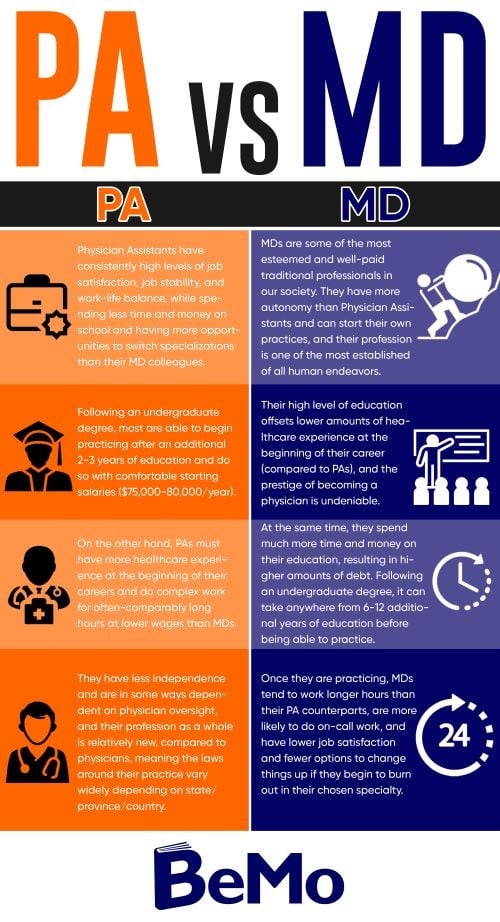
A defining characteristic of the Physician Assistant profession is its collaborative model. PAs work under the supervision of a physician, but this supervision is often more about collaboration and mentorship than direct oversight. PAs have a significant degree of autonomy in diagnosing and treating patients. This collaborative relationship is vital, allowing for the efficient utilization of healthcare resources and ensuring that patients receive timely and effective care. In the context of technological integration, this collaborative spirit extends to how PAs interact with and leverage advanced medical technologies, often working alongside physicians and IT specialists to implement and optimize these tools for patient benefit.
Technological Integration: Empowering the PA-C in Modern Practice
The modern healthcare environment is increasingly digitized and technologically driven. Physician Assistants, with their adaptable training and commitment to ongoing learning, are at the forefront of adopting and utilizing these advancements to enhance patient care, streamline workflows, and improve diagnostic accuracy.
Electronic Health Records (EHRs) and Practice Management Software
One of the most pervasive technological integrations in healthcare is the Electronic Health Record (EHR) system. For PA-Cs, EHRs are not merely digital filing cabinets; they are dynamic platforms that facilitate efficient patient management.
Streamlining Documentation and Information Access
EHRs allow PA-Cs to quickly access a patient’s complete medical history, including past diagnoses, treatments, allergies, and medications. This comprehensive view is critical for accurate diagnosis and personalized treatment planning. Furthermore, the ability to electronically document patient encounters, order tests, prescribe medications, and generate referrals significantly reduces administrative burden, freeing up valuable time for direct patient interaction. Many EHR systems also incorporate clinical decision support tools, providing real-time alerts for potential drug interactions, contraindications, or recommended screenings, thereby enhancing patient safety.
Interoperability and Data Sharing
The push for interoperability in EHR systems is transforming how healthcare data is shared. PA-Cs benefit immensely from this, as it allows for seamless communication with other healthcare providers, specialists, and even patients themselves through patient portals. This collaborative data sharing is crucial for coordinated care, especially for patients with complex medical needs or those transitioning between different healthcare settings. The ability to securely and efficiently access and share patient information ensures that the PA-C has the most up-to-date information at their fingertips, regardless of where the patient has received care.
Diagnostic Technologies: Enhancing Precision and Speed
The diagnostic capabilities available to healthcare professionals have been revolutionized by technological innovation. PA-Cs are increasingly utilizing advanced diagnostic tools to improve the accuracy and speed of diagnoses, leading to earlier interventions and better patient outcomes.
Advanced Imaging and Interpretation
From sophisticated ultrasound machines and CT scanners to advanced MRI technologies, PA-Cs are involved in ordering, interpreting, and sometimes even performing diagnostic imaging procedures. AI-powered tools are now emerging that can assist in the initial interpretation of these images, flagging potential abnormalities for the PA-C and radiologist to review. This synergistic approach can lead to more accurate diagnoses and a reduction in interpretation errors. The ability to access high-resolution images and receive AI-driven insights empowers PA-Cs to make more informed clinical decisions.
Point-of-Care Testing (POCT) and Wearable Devices
Point-of-care testing (POCT) allows for diagnostic tests to be performed at or near the patient’s location, often yielding results within minutes. PA-Cs utilize POCT devices for rapid assessment of conditions like infections, blood glucose levels, and cardiac markers. This immediate feedback is invaluable in emergency settings, urgent care clinics, and even routine primary care, enabling prompt treatment initiation. Furthermore, the rise of wearable health monitoring devices, such as continuous glucose monitors and smartwatches capable of ECG readings, provides PA-Cs with a continuous stream of patient data. Analyzing this data can reveal trends, detect early signs of disease, or monitor treatment effectiveness, offering a more holistic understanding of a patient’s health status.
Telemedicine and Remote Patient Monitoring
The COVID-19 pandemic accelerated the adoption of telemedicine, a technology that has become an integral part of modern healthcare delivery. PA-Cs are playing a pivotal role in expanding access to care through virtual consultations and remote patient monitoring.
Expanding Access and Convenience
Telemedicine platforms allow PA-Cs to conduct virtual appointments with patients, diagnose common ailments, manage chronic conditions, and provide follow-up care from a distance. This is particularly beneficial for patients in rural or underserved areas, individuals with mobility issues, or those seeking convenient access to healthcare services. The ability to conduct a virtual examination, review symptoms, and offer treatment advice through secure video conferencing has opened up new avenues for patient engagement and care continuity.
Remote Patient Monitoring (RPM) for Chronic Disease Management
Remote Patient Monitoring (RPM) leverages technology to collect patient health data outside of traditional clinical settings. PA-Cs can utilize RPM platforms to monitor patients with chronic conditions such as hypertension, diabetes, and heart failure. Devices like connected blood pressure cuffs, glucose meters, and scales transmit data directly to the healthcare team. PA-Cs can then analyze this data, identify concerning trends, and intervene proactively, potentially preventing hospitalizations and improving long-term health outcomes. This technology empowers patients to actively participate in their care while providing PA-Cs with valuable insights for ongoing management.
The Future of PA-C Practice: Driven by Innovation
The integration of technology is not a static process; it’s a continuous evolution that is fundamentally reshaping the practice of Physician Assistants. As new technologies emerge, PA-Cs will undoubtedly be at the forefront of their adoption and application, further enhancing their ability to provide high-quality, efficient, and patient-centered care.
AI and Machine Learning in Clinical Decision Support
Artificial intelligence (AI) and machine learning (ML) are poised to have a profound impact on clinical decision-making. While AI will not replace the clinical judgment of a PA-C, it will serve as a powerful adjunct.
Predictive Analytics and Early Disease Detection
AI algorithms can analyze vast datasets to identify patterns and predict the likelihood of disease development or progression. PA-Cs can leverage these predictive analytics to identify patients at high risk for certain conditions, allowing for earlier interventions and preventative strategies. Machine learning models can also assist in differential diagnosis by suggesting potential diagnoses based on patient symptoms and medical history, aiding the PA-C in their diagnostic process.
Personalized Treatment Plans and Genomics
The field of personalized medicine, driven by advancements in genomics and AI, is creating opportunities for highly tailored treatment plans. PA-Cs will increasingly utilize AI-powered tools to analyze genetic information and patient data to optimize medication choices, predict treatment response, and design individualized care pathways. This precision approach promises to maximize treatment efficacy and minimize adverse reactions.
Embracing Digital Health Literacy and Patient Engagement
As technology becomes more integrated into healthcare, the digital literacy of both providers and patients becomes increasingly important. PA-Cs are crucial in bridging this gap and empowering patients to actively participate in their health journey.
Educating Patients on Digital Tools
PA-Cs play a vital role in educating patients about the use of health apps, wearable devices, patient portals, and telemedicine platforms. By demystifying these technologies and demonstrating their benefits, PA-Cs can foster greater patient engagement and adherence to treatment plans. This proactive educational approach ensures that patients can effectively utilize the tools available to them to manage their health.
Data-Driven Patient Empowerment
The accessibility of health data through patient portals and personal health records empowers patients like never before. PA-Cs can work with patients to interpret their own health data, understand trends, and make informed decisions about their lifestyle and treatment. This shift towards data-driven patient empowerment fosters a more collaborative and engaged patient-provider relationship, leading to better health outcomes.
The Evolving Role of the PA-C in a Technologically Advanced Healthcare System
The designation PA-C signifies a commitment to excellence and ongoing professional development. In the context of modern healthcare, this commitment is intrinsically linked to embracing and mastering the technological advancements that are transforming patient care. From EHRs and advanced diagnostics to telemedicine and AI-driven insights, PA-Cs are not just adapting to technology; they are actively leveraging it to enhance their diagnostic capabilities, streamline their workflows, expand access to care, and ultimately, improve the lives of their patients. As technology continues to evolve, the role of the PA-C will only become more vital, making them indispensable members of a modern, efficient, and patient-centric healthcare system. Their ability to synthesize complex medical information with cutting-edge technological tools positions them as key players in shaping the future of healthcare.
aViewFromTheCave is a participant in the Amazon Services LLC Associates Program, an affiliate advertising program designed to provide a means for sites to earn advertising fees by advertising and linking to Amazon.com. Amazon, the Amazon logo, AmazonSupply, and the AmazonSupply logo are trademarks of Amazon.com, Inc. or its affiliates. As an Amazon Associate we earn affiliate commissions from qualifying purchases.