
In the era of hyper-connected e-commerce, the transition of a transaction from a digital “buy” button to a physical package at a doorstep is managed by a complex web of software, hardware, and automated protocols. When a user receives a notification stating that their “order is dispatched,” it signifies much more than a box moving from a shelf to a truck. From a technological perspective, this status update represents a critical state change within a Distributed Order Management System (DOMS) and the successful execution of a multi-layered digital handshake between various platforms.
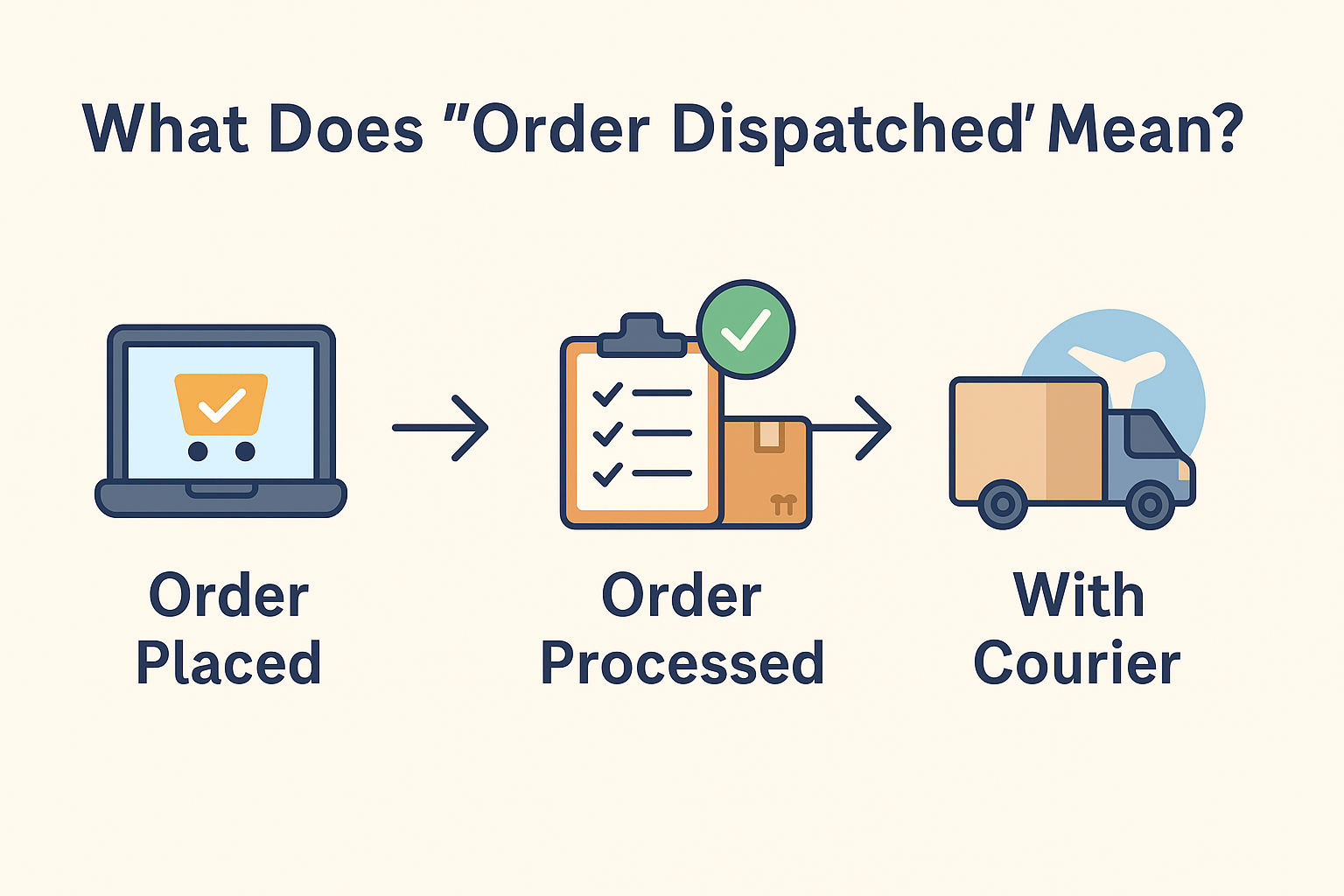
To understand what “order dispatched” truly means, one must look beneath the surface of the user interface and into the backend systems that orchestrate global commerce. It is the point where digital data—inventory records, customer metadata, and payment tokens—converge with physical automation and logistical algorithms.
Deciphering the Digital Handshake: The Logic of Order Statuses
At its core, an e-commerce platform functions as a state machine. Every order progresses through a series of predefined states: “Pending,” “Processing,” “Packed,” “Dispatched,” and “Delivered.” The “Dispatched” status is perhaps the most significant milestone in this lifecycle, as it marks the moment the liability and custody of the product shift from the merchant’s internal systems to a third-party logistics (3PL) provider or carrier network.
The Role of the Distributed Order Management System (DOMS)
When an order is marked as dispatched, the DOMS triggers a cascade of automated events. First, it updates the global inventory ledger across all integrated sales channels. If a company sells on its own website, Amazon, and eBay, the dispatch event ensures that the “Available to Promise” (ATP) quantity is synchronized, preventing overselling. This is handled via high-frequency API calls that reconcile stock levels in near real-time.
Database State Transitions and Webhooks
Technically, “dispatched” is a boolean flag or a status string updated in a centralized database, such as PostgreSQL or MongoDB. Once this state change occurs, the system fires off a “webhook”—a programmatic way for one app to provide other applications with real-time information. This webhook sends a JSON payload to the customer communication engine (like Twilio or SendGrid), which then parses the data to generate the automated email or SMS notification the consumer receives. This payload typically contains the tracking number, carrier ID, and a timestamp, all of which are essential for the next phase of the digital journey.
The Warehouse Management System (WMS) and the Mechanics of Fulfillment
The journey to a “dispatched” status begins long before the delivery truck arrives. It starts within the Warehouse Management System (WMS), the software backbone of the fulfillment center. The WMS controls everything from robot paths to the duty cycles of conveyor belts.
Automated Picking and Robotics
In modern high-tech fulfillment centers, “dispatched” is the culmination of an automated picking process. Autonomous Mobile Robots (AMRs) or Automated Storage and Retrieval Systems (ASRS) receive a “pick list” digitally. These machines navigate the warehouse floor using LIDAR and computer vision to locate the specific SKU (Stock Keeping Unit). Once the item is retrieved, it is scanned using industrial IoT devices, which verify the item’s dimensions and weight against the order data to ensure accuracy.
The Printing and Application of the Shipping Label
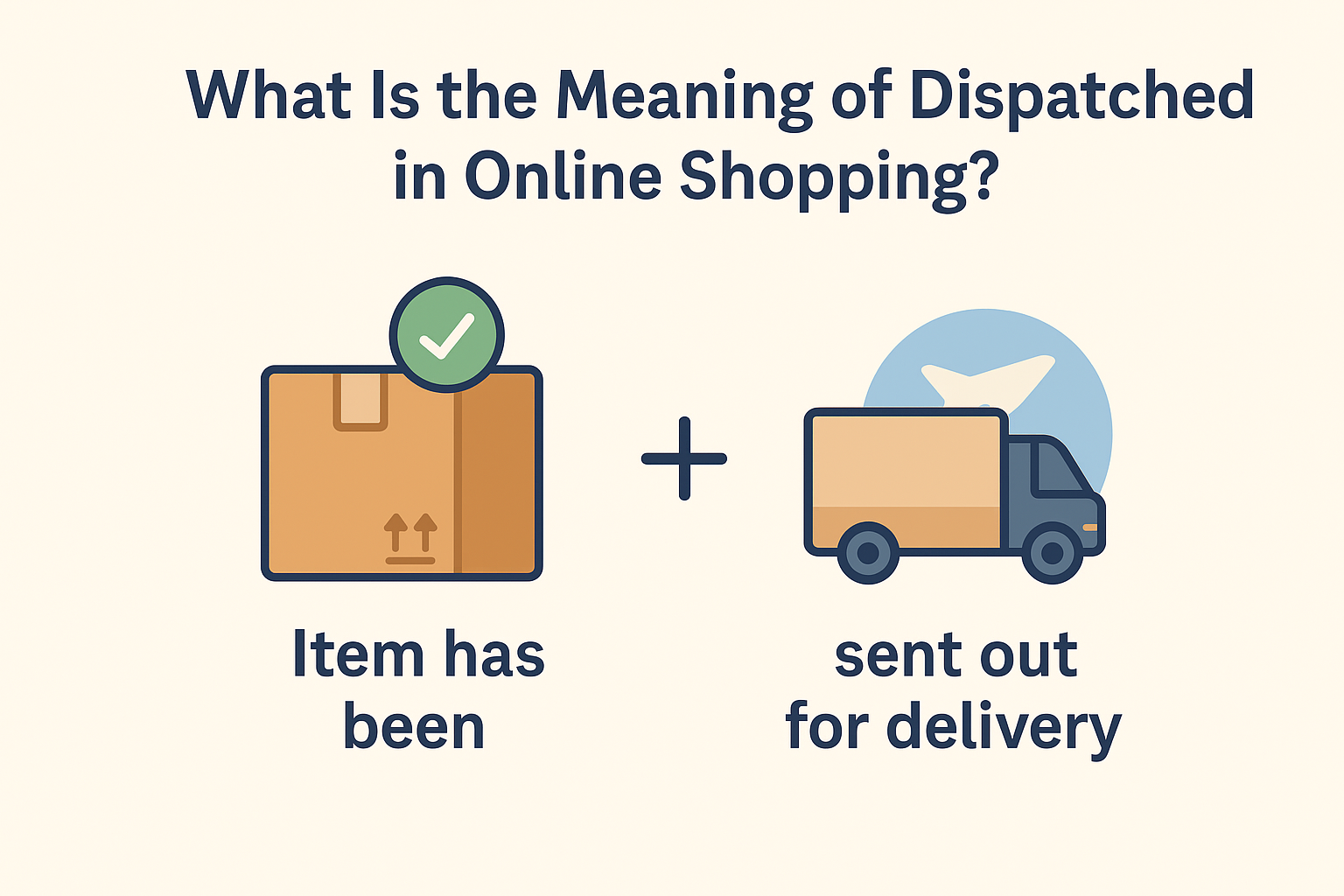
The final step before an order can be officially labeled as “dispatched” is the generation of the shipping label. This is not a simple printing task; it involves a real-time API request to the carrier’s server (e.g., FedEx, UPS, or DHL). The merchant’s system sends the package’s weight, dimensions, and destination coordinates. In return, the carrier’s API provides a unique tracking number and a routing barcode. The moment this barcode is scanned by the outbound dock’s system, the order’s status is programmatically flipped to “dispatched.” This scan acts as a “Proof of Handoff,” signifying that the physical goods have entered the carrier’s sorter system.
Integration Infrastructure: How APIs Connect Merchants to Carriers
The seamless flow of information between a merchant and a shipping company is made possible by Electronic Data Interchange (EDI) and Application Programming Interfaces (APIs). These technologies are the invisible conduits that make the “dispatched” status meaningful to the end-user.
Real-Time Tracking Integration
When an order is dispatched, the merchant’s system must ingest the carrier’s tracking data. This is often done through “Tracking APIs” which aggregate data from thousands of different couriers into a standardized format. Without this layer of tech, a “dispatched” notification would be a dead end; instead, it provides a link that allows the user to query the carrier’s database directly from the merchant’s app.
Load Balancing and Carrier Selection Algorithms
In advanced setups, the decision of which carrier handles a “dispatched” order is made by a machine learning algorithm. The software evaluates factors such as “Zone Skipping” opportunities, current carrier congestion, fuel surcharges, and historical delivery performance for a specific ZIP code. The “dispatched” notification, therefore, is the result of an automated auction or selection process designed to optimize for both cost and speed.
Real-Time Telematics and the Evolution of the “Dispatched” Event
In the past, “dispatched” was a static update. Today, thanks to the Internet of Things (IoT) and telematics, it is the starting gun for a high-fidelity data stream. Once the package is on the move, the technology used to track it becomes increasingly sophisticated.
GPS and Geofencing
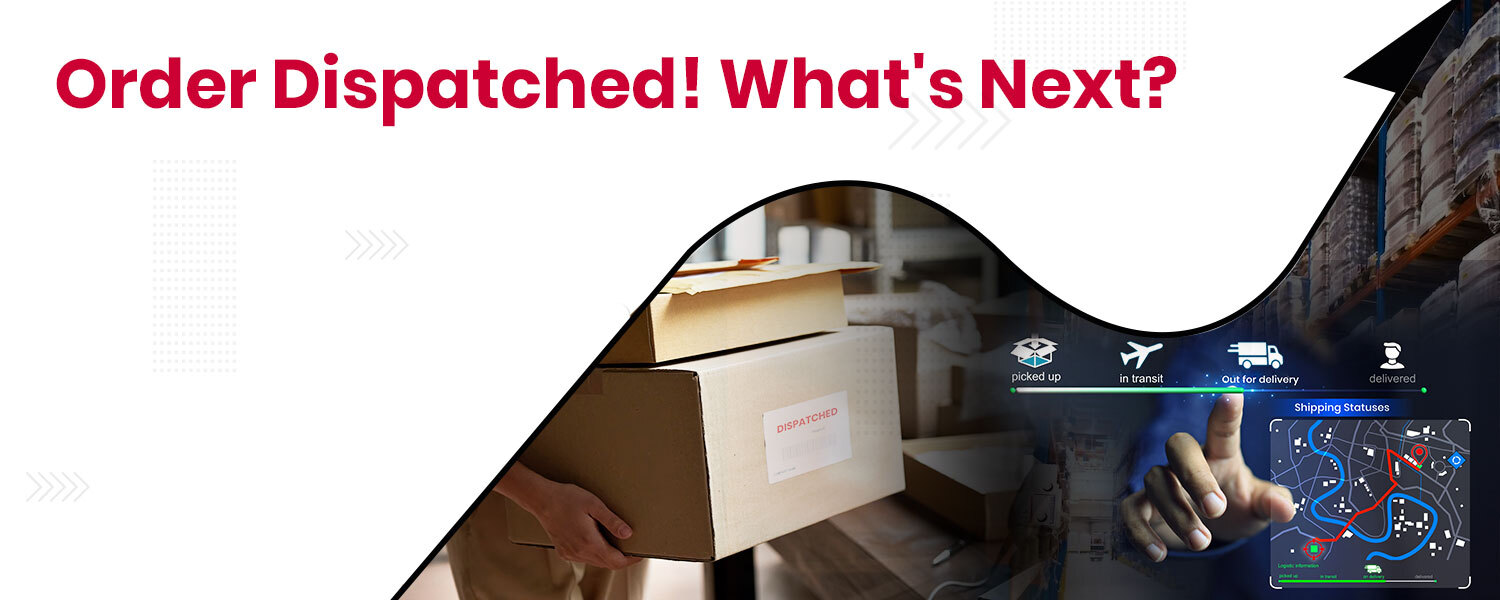
Modern delivery fleets are equipped with GPS telematics that provide constant updates to the central logistics hub. As the package moves from a local depot to a delivery van, geofencing technology is used to trigger secondary notifications. When the delivery vehicle enters a specific radius of the customer’s location, the system can automatically update the status from “Dispatched” to “Out for Delivery” without human intervention.
Environmental Sensors and Asset Tracking
For high-value or sensitive goods (such as pharmaceuticals or electronics), the “dispatched” status might also include the activation of environmental sensors. These IoT devices track temperature, humidity, and even physical shock (G-force). This data is transmitted via cellular or satellite networks back to the merchant’s dashboard. If a “dispatched” package experiences a temperature spike, the system can flag it for inspection before it even reaches the customer, representing a proactive approach to quality control powered by the industrial internet.
AI and Machine Learning: Optimizing the Dispatch Cycle
The future of the “dispatched” status lies in predictive analytics. Leading tech firms are no longer just reacting to movements; they are predicting them. Machine learning models analyze years of dispatch data to identify bottlenecks in the supply chain.
Predictive Dispatching
Some e-commerce giants use “anticipatory shipping” or predictive dispatching. By analyzing user behavior, search history, and regional trends, AI models can predict what customers in a certain area are likely to buy. The system then “dispatches” these items to a local hub before a customer even places an order. In this scenario, the traditional definition of dispatched is flipped; the logistics tech is moving inventory closer to the edge of the network to minimize the “Last Mile” latency.
Route Optimization and Carbon Footprint Tracking
Furthermore, modern dispatch software is increasingly focused on sustainability. Algorithms calculate the most fuel-efficient routes for delivery fleets, minimizing idling time and empty miles. Many platforms now include a “Carbon Footprint” metric in the dispatch data, calculating the estimated CO2 emissions of the shipment based on the vehicle type and distance traveled. This integration of environmental data into the transactional flow highlights the evolving role of logistics technology in corporate responsibility.
Conclusion: The “Dispatched” Status as a Technological Benchmark
To the average consumer, “order dispatched” is a simple signal that their purchase is on its way. To the technologist, it is a sophisticated orchestration of cloud computing, robotics, API integrations, and real-time data processing. It marks the successful transition of a digital intent into a physical reality.
As warehouse automation becomes more intelligent and delivery networks become more connected through 5G and IoT, the “dispatched” phase will continue to shrink in duration and grow in data density. We are moving toward a future where the dispatch process is entirely autonomous, handled by AI systems that manage every variable from the power levels of a picking robot to the optimized flight path of a delivery drone. In this context, “dispatched” isn’t just a status update—it is a testament to the power of the modern digital supply chain.
aViewFromTheCave is a participant in the Amazon Services LLC Associates Program, an affiliate advertising program designed to provide a means for sites to earn advertising fees by advertising and linking to Amazon.com. Amazon, the Amazon logo, AmazonSupply, and the AmazonSupply logo are trademarks of Amazon.com, Inc. or its affiliates. As an Amazon Associate we earn affiliate commissions from qualifying purchases.