
The world of real estate, particularly when navigating online platforms like Zillow, can often feel like a labyrinth of acronyms, statuses, and ever-changing information. For prospective buyers and sellers alike, understanding the precise meaning of each listing status is paramount. Among the most common and potentially confusing is the “off the market” designation. This status doesn’t simply mean a property is no longer available; it carries a spectrum of implications, from a temporary pause in the selling process to a permanent withdrawal from the active listing pool. For those involved in real estate transactions, this status can significantly impact financial strategies, investment timelines, and the overall understanding of market dynamics. This article will dissect the various reasons a property might be marked “off the market” on Zillow and explore the financial ramifications associated with each.

Understanding the Nuances of “Off the Market”
The term “off the market” is not a monolithic descriptor. It encompasses a range of scenarios, each with distinct implications for potential buyers, sellers, and investors. To truly grasp its financial weight, we must first delineate these various states. Zillow, as a leading real estate marketplace, utilizes these statuses to provide clarity to its users, but the underlying reasons for a property’s removal from active search results can be complex and financially significant.
Temporary Pauses: When a Sale is on Hold, Not Over
A property being “off the market” doesn’t always signify the end of a selling endeavor. Often, it represents a temporary pause, during which the seller and their agent are reassessing their strategy, waiting for external factors to align, or dealing with issues that necessitate a temporary withdrawal from active marketing.
Pending Status: A Strong Indicator of Near Sale
One of the most common reasons a property might appear “off the market” to a casual Zillow browser is when it has entered a “pending” status. This signifies that an offer has been accepted by the seller, and the property is now moving through the closing process. While technically still listed, it is no longer actively marketed or available for new showings.
Financial Implication: For potential buyers, a pending status represents a missed opportunity to make an offer. Their financial strategy might need to pivot immediately to other available properties, potentially involving different price points or locations. For sellers who have accepted an offer, the financial outlook is positive, assuming the deal closes. However, there’s still financial risk until closing – the buyer could back out, or financing could fall through, leading to a return to the active market. For investors, a pending sale indicates a competitor’s success, prompting a re-evaluation of their acquisition strategy and market inventory.
Contingencies and Repairs: A Temporary Hold on the Transaction
Many accepted offers are made “contingent” upon certain conditions being met, such as a satisfactory home inspection, appraisal, or the buyer securing financing. If issues arise during these contingency periods – for instance, significant repair needs identified during an inspection – the seller might temporarily take the property “off the market” to address these issues. This allows them to focus on the necessary repairs or negotiations without the constant pressure of new showings.
Financial Implication: This pause can have significant financial implications. For the seller, delays in addressing repairs can lead to increased holding costs (mortgage payments, property taxes, insurance). If they have already purchased a new home, these delays can create a financial strain. For buyers, the contingency period is a crucial financial decision point. If repairs are extensive or the appraisal comes in low, they may need to renegotiate the price or walk away, potentially losing any earnest money deposit. The financial implications for both parties are amplified by the uncertainty of whether the deal will ultimately close.
Delisting for Strategic Reasons: A Seller’s Tactical Maneuver
Sellers may also choose to take their property “off the market” for purely strategic reasons. This could be due to a change in personal circumstances, a desire to wait for a more favorable market condition, or to undertake significant renovations that would increase the property’s value. They might intend to relist the property later, potentially at a higher price or with improved appeal.
Financial Implication: For sellers, this is a strategic financial decision. They are foregoing immediate income in anticipation of a larger future gain. This requires careful financial planning, as carrying the property while it’s off the market incurs ongoing expenses. For potential buyers, this means a property they were interested in has disappeared. They might need to adjust their budget or search criteria. For real estate investors, a strategic delisting signals a potential future opportunity but also a competitor who is actively managing their asset to maximize its eventual sale price, requiring investors to anticipate this resurgence.
Permanent Withdrawals: When a Property is No Longer For Sale
Beyond temporary pauses, “off the market” can also signify a permanent decision by the owner not to sell, or that the property has been sold and is no longer available. Understanding these finality aspects is crucial for managing expectations and financial planning.
Property Sold: The Ultimate “Off the Market” Scenario
The most straightforward reason a property is “off the market” is that it has been sold and the transaction has successfully closed. The listing is removed or updated to reflect this final sale.
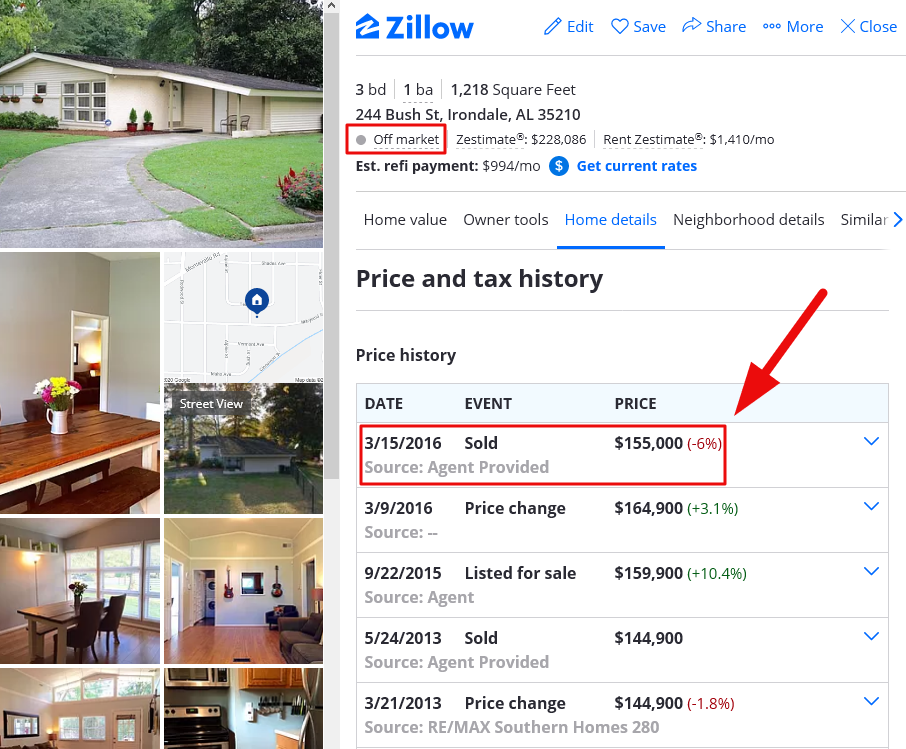
Financial Implication: For the seller, this represents the culmination of their selling efforts and the realization of their property’s market value, which then fuels their next financial move. For potential buyers who missed out, it’s a clear indication that their search must continue. For investors, a sold property removes a potential acquisition target from their radar and provides valuable data on recent sale prices, which can inform their valuation models and future investment strategies. The sold price becomes a benchmark in the local market.
Withdrawn from the Market: Owner’s Decision to Halt the Sale
In some cases, owners decide to entirely withdraw their property from the market, even if no offer has been accepted. This can happen for a multitude of reasons, from personal circumstances changing drastically to the owner simply changing their mind about selling.
Financial Implication: For the owner, this means deferring any potential financial gains from a sale. They continue to incur holding costs. This decision might be influenced by a need for immediate funds not being met by a potential sale, or a belief that market conditions will improve significantly in the future, leading to a more favorable financial outcome. For agents, it means lost commission. For potential buyers, it’s a loss of inventory and a potential opportunity gone. Investors might note this property as a future possibility if the owner re-enters the market.
Off-Market Sales: Transactions Not Publicly Listed
It’s also important to acknowledge that not all real estate transactions are publicly listed on platforms like Zillow. Some properties are sold “off-market,” meaning they are never officially listed for sale to the general public. These can be private sales between known parties or facilitated by agents who have a buyer looking for a specific type of property and find a seller willing to part with it without a public listing.
Financial Implication: For sellers, an off-market sale can sometimes result in a quicker and less stressful transaction, avoiding the costs and hassles of public marketing. It can also lead to a strong sale price if the buyer is highly motivated. For buyers, finding an off-market property often requires a proactive and well-connected real estate agent who can identify unlisted opportunities. The financial advantage can be in securing a property before competition drives up the price. However, the lack of public listings for these sales means less comparable data for market analysis, which can be a challenge for investors trying to gauge true market value across all transactions.
Financial Ramifications for Different Stakeholders
The “off the market” status on Zillow has distinct financial implications for various participants in the real estate ecosystem. Understanding these can help individuals make more informed decisions.
For Home Buyers: Navigating a Shifting Landscape
When a property is marked “off the market,” buyers often experience a sense of urgency or disappointment. This status directly impacts their financial planning by removing potential options from their immediate consideration.
- Budget Reassessment: If a desired property becomes unavailable, buyers may need to reassess their budget, potentially looking at properties in different neighborhoods or at different price points. This could mean revisiting loan pre-approvals or adjusting their down payment strategy.
- Opportunity Cost: The time spent viewing and considering a property that goes off the market represents an opportunity cost. This is time that could have been spent pursuing other, available properties. For buyers in competitive markets, this delay can be financially significant as prices may rise while they are waiting.
- Emotional Investment: Beyond the purely financial, buyers often develop an emotional attachment to a property. The “off the market” status, especially when it’s a permanent withdrawal, can lead to emotional distress, which can sometimes influence subsequent financial decisions in a less rational manner.
For Home Sellers: Strategic Decisions and Holding Costs
For sellers, the decision to take a property “off the market” is a strategic financial move with inherent costs and potential benefits.
- Holding Costs: While a property is off the market, sellers continue to incur expenses such as mortgage payments, property taxes, insurance, utilities, and potential maintenance. These holding costs can accumulate, especially if the property remains off the market for an extended period. This needs to be factored into the overall financial equation.
- Market Timing: Sellers might delist to wait for more favorable market conditions, such as lower interest rates or increased buyer demand. This is a gamble on future financial gains, aiming to achieve a higher sale price. However, there’s no guarantee that market conditions will improve as anticipated.
- Renovation Investments: Taking a property off the market to undertake renovations is a direct financial investment. The goal is to increase the property’s value and thus its eventual sale price, yielding a return on investment (ROI). This requires careful budgeting and execution to ensure the renovations add more value than they cost.

For Real Estate Investors: Market Analysis and Future Opportunities
Real estate investors constantly monitor market activity, and “off the market” statuses provide crucial data points.
- Inventory Management: A property going “off the market” reduces the available inventory for investors. This can increase competition for remaining properties and potentially drive up acquisition costs. Investors need to adapt their strategies to a shrinking pool of opportunities.
- Comparative Market Analysis (CMA): Sold properties, even those that were temporarily off the market, contribute to CMA data. Investors use this data to accurately value properties and assess potential ROI. A property that was delisted and then sold can provide insights into effective pricing and marketing strategies for similar assets.
- Identifying Future Prospects: Properties that are temporarily off the market, especially those with pending sales or undergoing renovations, can be flagged by investors as potential future opportunities. They can monitor these properties and re-engage if they return to the active market, perhaps at a more attractive price or under different circumstances. Understanding why a property went off-market can also inform an investor’s risk assessment for similar future acquisitions.
In conclusion, the “off the market” designation on Zillow is far more than a simple status update. It represents a dynamic interplay of seller intentions, market conditions, and transactional progress, each with tangible financial implications for all parties involved. Whether it signifies a temporary pause, a completed sale, or a strategic withdrawal, understanding these nuances is critical for anyone navigating the complex and often financially consequential world of real estate.
aViewFromTheCave is a participant in the Amazon Services LLC Associates Program, an affiliate advertising program designed to provide a means for sites to earn advertising fees by advertising and linking to Amazon.com. Amazon, the Amazon logo, AmazonSupply, and the AmazonSupply logo are trademarks of Amazon.com, Inc. or its affiliates. As an Amazon Associate we earn affiliate commissions from qualifying purchases.