
In the landscape of global consumer goods, few products have managed to transcend their physical properties to become a cultural shorthand for indulgence quite like Nutella. When a consumer asks, “What does Nutella taste like?” they are rarely looking for a simple list of ingredients. From a brand strategy perspective, the answer lies in a complex intersection of sensory marketing, precise corporate identity, and a masterclass in emotional positioning. Nutella does not simply taste like hazelnuts and cocoa; it tastes like a meticulously engineered brand experience that has sustained market dominance for decades.

For Ferrero, the parent company, the flavor profile of Nutella is its most valuable intellectual property. It is the foundation of a brand equity that allows the product to command a premium price point in a saturated spread market. To understand what Nutella “tastes like” is to understand how a brand can own a specific sensory territory in the mind of the global consumer.
The Sensory Blueprint: Defining a Global Brand Identity
The “taste” of Nutella is the result of a rigorous adherence to sensory branding—a marketing strategy aimed at seducing the consumer’s senses to create a lasting emotional bond. While many competitors attempt to replicate the hazelnut-to-cocoa ratio, they often fail to capture the specific “brand feel” that Ferrero has trademarked through decades of consistent production.
Consistency as a Competitive Advantage
One of the pillars of Nutella’s brand strategy is unwavering consistency. Whether a consumer opens a jar in Paris, New York, or Tokyo, the expectation of the flavor is identical. This consistency builds a “trust bridge” between the brand and the consumer. In brand management, this is known as sensory reliability. By ensuring that the viscosity, the melt-in-the-mouth point, and the aromatic profile remain static, Ferrero eliminates the “risk of disappointment,” which is a key psychological barrier in food marketing. The taste of Nutella is, therefore, the taste of reliability.
The Emotional Resonance of Flavor
Nutella’s flavor profile is strategically designed to trigger nostalgia. The high sugar content combined with the creamy texture mimics the comfort foods of childhood, a tactic often used in personal and corporate branding to foster deep-seated loyalty. When marketing experts analyze the brand, they point to how Nutella positions itself not as a luxury item for the elite, but as an “attainable indulgence” for the family. The taste is engineered to be approachable yet distinct, creating a unique category where Nutella is the only inhabitant.
Strategic Positioning: From Spread to Cultural Icon
The question of what Nutella tastes like is also a question of its positioning in the marketplace. Ferrero has successfully moved Nutella from being a mere “chocolate spread” to a versatile “breakfast essential.” This shift in brand perception was a calculated move to increase usage frequency and market share.
The Ferrero Marketing Machine
The marketing strategy behind Nutella’s flavor revolves around the “Power of the Pair.” By pairing the taste of Nutella with wholesome imagery—fresh bread, fruit, and milk—the brand mitigates the “guilt” often associated with chocolate products. The taste, in this context, becomes a “complementary enhancer” rather than a standalone candy. This positioning allowed Nutella to dominate the breakfast table, a feat few other confectionary-adjacent brands have achieved.
Premiumization and Mass Appeal
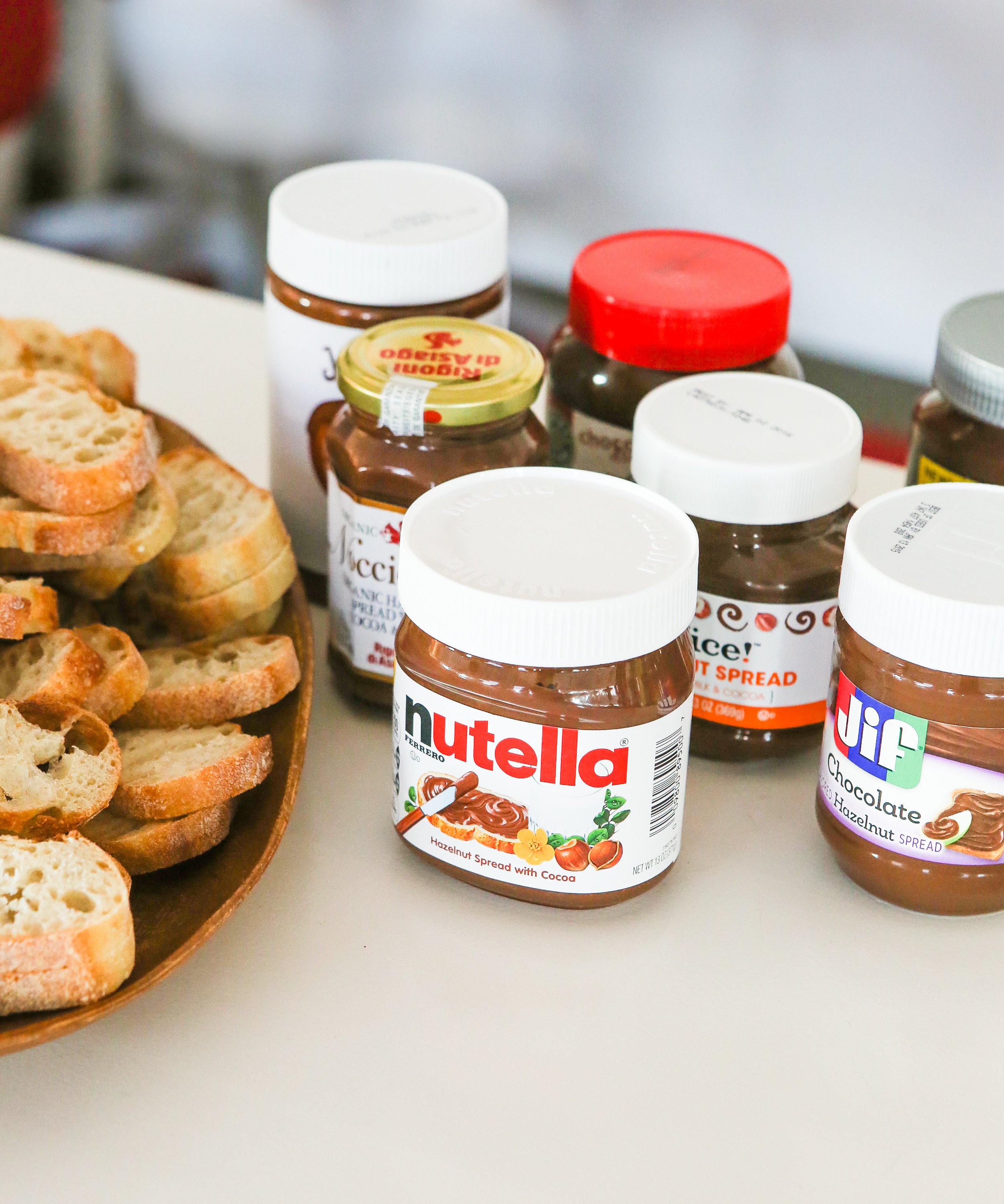
Nutella occupies a “masstige” (mass-prestige) position. It is affordable enough for the average household but carries a brand prestige that generic store brands cannot replicate. This is reflected in the flavor’s complexity. The high concentration of hazelnuts (13%) provides a savory undertone that distinguishes it from cheaper, oil-heavy alternatives. From a brand strategy standpoint, this “signature taste” justifies the premium pricing and protects the product from being commoditized.
Visual Identity and the “Taste” of Packaging
In the world of branding, we often say that “people eat with their eyes first.” The visual identity of Nutella is so inextricably linked to its flavor that the packaging itself informs the consumer’s perception of the taste.
The Iconic Jar and Label Design
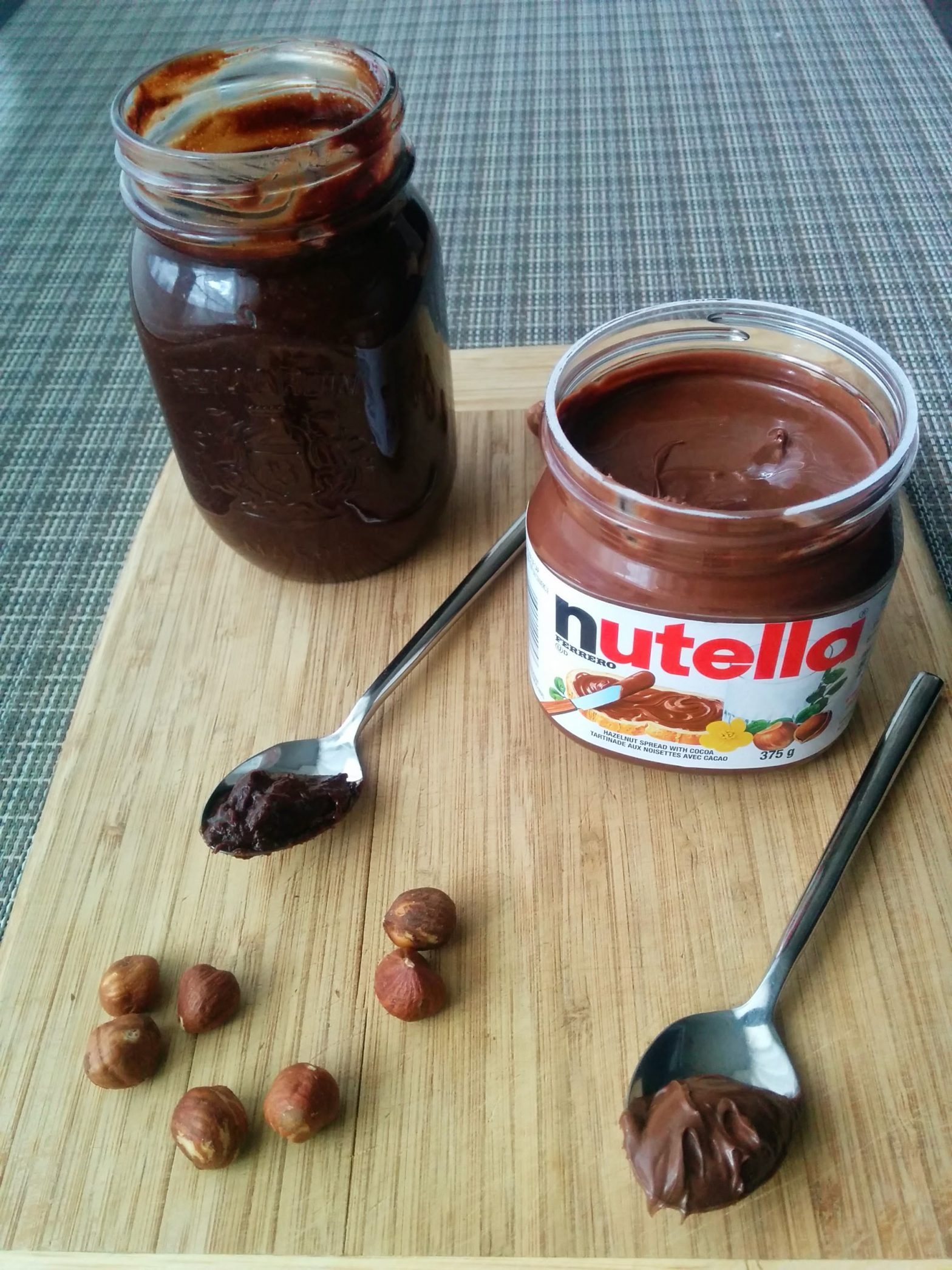
The distinctive shape of the Nutella jar—the “Pelikan” shape—is a key component of its corporate identity. The wide mouth of the jar suggests abundance and ease of use, while the clear plastic or glass allows the rich, brown color of the spread to be the hero of the visual experience. The label, with its simple typography and the iconic image of bread spread with Nutella, serves as a visual “tasting note.” It tells the consumer exactly what to expect before the seal is even broken.
Color Theory in Brand Recognition
The use of red and black in the Nutella logo is a classic example of color theory in marketing. Red stimulates appetite and creates a sense of urgency, while black provides a sense of authority and premium quality. The white background of the label communicates purity and simplicity. When a consumer thinks about what Nutella tastes like, their brain is also processing these visual cues, which reinforce the idea of a clean, high-quality, and delicious product.
The Architecture of Brand Loyalty and Community
Nutella’s taste has become a social currency. The brand has moved beyond the jar to become a lifestyle, fueled by a massive global community of advocates. This “community-driven” taste is a testament to the power of modern brand building.
User-Generated Content and the Nutella Lifestyle
World Nutella Day, an annual event started by a fan and later embraced by Ferrero, is a prime example of how a brand can relinquish control to its community to amplify its reach. Millions of users share recipes, photos, and testimonials about their personal connection to the taste. In this digital ecosystem, Nutella tastes like “creativity” and “connection.” From a marketing perspective, this user-generated content (UGC) provides more “social proof” than any traditional advertisement ever could.
Adapting to Global Palates While Maintaining Core DNA
While the core recipe of Nutella is famously guarded, the brand has shown a sophisticated ability to adapt its marketing message—and occasionally its texture—to suit different climates and regional preferences without losing its brand essence. This “glocal” approach (global brand, local execution) ensures that the taste remains relevant across diverse cultures. Whether it is used in a crepe in France or on toast in Australia, the brand identity remains singular and powerful.
Future-Proofing the Taste: Sustainability and Brand Integrity
In the modern era, what a product “tastes like” is increasingly influenced by the ethics of its production. For Nutella, this has meant addressing the “taste” of its supply chain, particularly regarding palm oil and hazelnut sourcing.
Navigating the Palm Oil Controversy
The Nutella brand faced a significant challenge when consumer sentiment shifted against palm oil due to environmental concerns. However, Ferrero’s response was a masterclass in crisis brand management. Instead of changing the recipe—which would have altered the iconic taste and texture—the company doubled down on transparency. They launched the “Nutella Way” campaign, highlighting their commitment to 100% RSPO-certified sustainable palm oil. By doing so, they protected the “taste” of the product while aligning the brand with modern consumer values.
The “Taste” of Responsibility
Today, for a growing segment of the market, Nutella tastes like responsible sourcing. The brand’s investment in the “Ferrero Farming Values” program ensures that the hazelnuts used are sourced ethically. This commitment to corporate social responsibility (CSR) adds a layer of “moral flavor” to the product. Consumers feel better about their purchase, which enhances their overall sensory experience. In the world of high-level brand strategy, integrity is the ultimate flavor enhancer.
Conclusion: The Legacy of a Flavor-First Brand
What does Nutella taste like? It tastes like a meticulously maintained legacy. It is a flavor that has been protected, polished, and promoted with surgical precision by the Ferrero group. Through the lens of brand strategy, Nutella is more than a spread; it is a textbook example of how to build a global powerhouse by owning a specific sensory experience.
By combining consistency, emotional resonance, iconic visual identity, and a proactive approach to sustainability, Nutella has ensured that its “taste” remains a gold standard in the food industry. For competitors, the lesson is clear: you can replicate the ingredients, but you cannot easily replicate the decades of strategic brand building that make Nutella taste exactly like Nutella. As the brand continues to evolve, its core identity—rooted in that singular, creamy, hazelnut-forward profile—will remain its most potent tool for market dominance and consumer loyalty.
aViewFromTheCave is a participant in the Amazon Services LLC Associates Program, an affiliate advertising program designed to provide a means for sites to earn advertising fees by advertising and linking to Amazon.com. Amazon, the Amazon logo, AmazonSupply, and the AmazonSupply logo are trademarks of Amazon.com, Inc. or its affiliates. As an Amazon Associate we earn affiliate commissions from qualifying purchases.