
In the dynamic world of technology, acronyms and abbreviations are as common as lines of code. For developers, navigating this landscape often means encountering new tools and concepts that can significantly streamline their workflow. One such tool that has become indispensable in the modern JavaScript ecosystem is NPX. While its name might sound like just another tech jargon, understanding “what does NPX mean” unlocks a powerful gateway to efficient development practices, innovative problem-solving, and a more integrated command-line experience.
This article will delve into the essence of NPX, exploring its origins, its fundamental purpose, and how it seamlessly integrates into the broader technological landscape. We’ll examine its impact on the “Tech” aspects of our lives, touching upon how it influences software development, the adoption of new AI tools, and the overall productivity of developers. Furthermore, we’ll briefly consider how this technical utility indirectly touches upon “Brand” by enabling faster iteration and deployment of digital products, and how it can even be linked to “Money” by empowering individuals and businesses to build and launch services more effectively.

The Genesis and Purpose of NPX
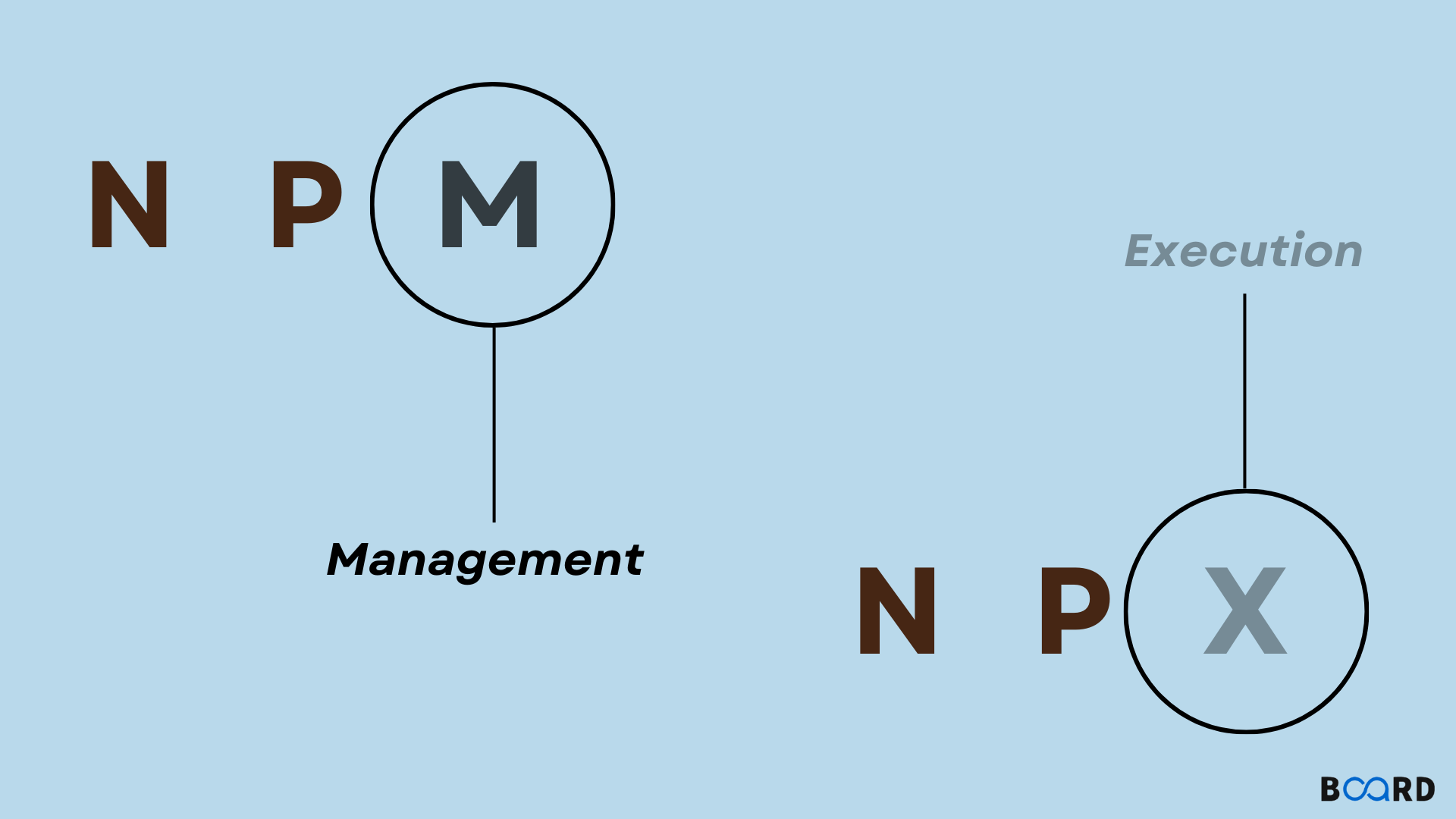
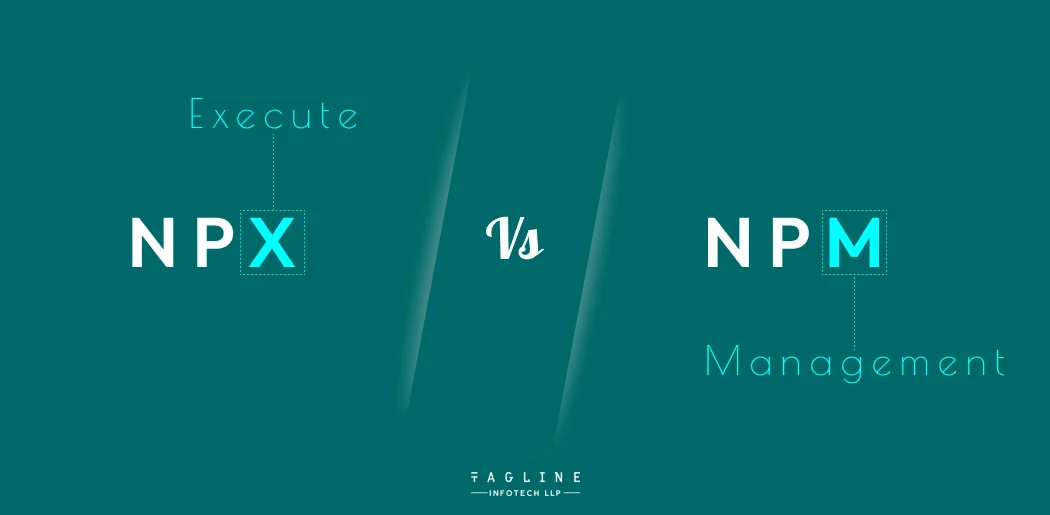
At its core, NPX stands for “Node Package Execute.” It’s a command-line utility that comes bundled with npm (Node Package Manager) version 5.2.0 and higher. Before NPX became commonplace, developers often faced a common dilemma: how to run packages that they only intended to use occasionally, without cluttering their global or local project installations.
Imagine you need to use a specific command-line tool for a one-off task, like generating a new React project with Create React App, running a quick local development server, or trying out a new testing framework. The traditional approach would involve installing this package globally using npm install -g <package-name> or locally within your project using npm install <package-name>. While this works, it has several drawbacks:
- Global Pollution: Installing many packages globally can lead to version conflicts and make it harder to manage dependencies for different projects. It essentially creates a “messy” global environment.
- Local Bloat: Installing a package locally for a single use case can unnecessarily increase your project’s dependency list and the size of your
node_modulesfolder. - Dependency Management Overhead: You’d have to remember to uninstall these packages if you no longer need them, or manage various versions if different projects require different iterations of the same tool.
This is where NPX steps in, offering an elegant solution to this problem. Instead of installing a package, NPX allows you to execute it directly from the npm registry, or from your local node_modules/.bin directory.
How NPX Works Under the Hood
When you run a command prefixed with npx (e.g., npx create-react-app my-app), NPX performs the following steps:
- Checks Local Binaries: It first looks for the specified package in your project’s local
node_modules/.bindirectory. If it finds it, it executes that local version. This is crucial for ensuring consistency within your project. - Searches Global Packages: If the package isn’t found locally, NPX then checks your globally installed packages.
- Downloads and Executes (If Necessary): If the package is not found either locally or globally, NPX will automatically download the latest version of that package from the npm registry, execute it, and then discard it. This is the magic that eliminates the need for explicit installation for temporary or infrequent use.
- Handles Arguments: Any arguments you provide after the package name are passed directly to the executed package.
This automated process of searching, downloading, executing, and discarding makes NPX an incredibly convenient tool for developers. It bridges the gap between wanting to use a tool and the hassle of managing its installation.
NPX in Action: Revolutionizing Developer Workflows
The impact of NPX on developer workflows is profound, particularly within the “Tech” domain. It has become the de facto standard for initiating many modern JavaScript projects and for running a multitude of development tools.
Simplifying Project Scaffolding
One of the most common and celebrated uses of NPX is in setting up new projects. Tools like Create React App, Vue CLI, Angular CLI, and NestJS CLI are typically invoked using NPX. For instance:
npx create-react-app my-react-app
npx @vue/cli create my-vue-app
This approach ensures that you’re always using the latest stable version of the scaffolding tool without needing to manually update it globally or locally beforehand. It provides a clean slate for your new project, allowing you to focus on building features rather than managing tool installations. This directly contributes to enhanced productivity for developers.
Exploring and Using New Tools
The ease of execution offered by NPX encourages experimentation. Developers can readily try out new libraries, frameworks, or command-line utilities without committing to a permanent installation. This is particularly beneficial when exploring the ever-evolving landscape of AI tools, new apps, or experimental gadgets that often come with their own CLI interfaces.
For example, if a new AI-powered code formatter or a static analysis tool emerges, you can often try it out with a simple npx <tool-name>. This quick feedback loop allows developers to stay abreast of the latest technological advancements and adopt the best tools for their needs more rapidly.
Running Local Development Servers and Utilities
Many development tools, such as local web servers for static file serving or specific build tools, are designed to be run on a per-project basis. NPX makes this incredibly straightforward. You can install a tool as a development dependency (npm install --save-dev <tool-name>) and then run it using NPX from your project’s root directory:
npx <tool-name> --port 8080
This ensures that each project can use its own specific version of a tool, preventing potential conflicts and providing a consistent development environment.
Beyond “Tech”: The Broader Implications of NPX
While NPX is fundamentally a technical tool for developers, its influence can ripple outwards, touching upon aspects of Brand and even Money.
Impact on Brand and Product Development
In the realm of Brand, NPX plays a subtle yet significant role in the speed and quality of digital product development. By streamlining the setup and execution of development tools, NPX allows development teams to:
- Iterate Faster: Quick project initialization and easy access to development utilities mean less time spent on setup and configuration, and more time spent on actual coding and feature development. This faster iteration cycle is crucial for startups and established companies alike to respond to market demands and user feedback.
- Maintain Brand Consistency: When using standardized scaffolding tools invoked via NPX, teams can ensure that new projects adhere to established project structures and best practices, contributing to a consistent internal development culture and ultimately, the quality of the brand’s digital presence.
- Leverage Cutting-Edge Technologies: The ease of trying out new tools means that development teams can more readily incorporate innovative technologies, including AI-driven development aids, into their workflows. This can lead to the creation of more sophisticated and competitive products, enhancing the overall brand perception.
- Efficient Case Studies and Demonstrations: For agencies or companies showcasing their work through case studies, the ability to quickly spin up demo applications or tools using NPX can significantly accelerate the creation of compelling demonstrations.
Financial Implications and Entrepreneurial Ventures
From a Money perspective, the efficiency gains provided by NPX translate into tangible benefits for individuals and businesses:
- Reduced Development Costs: Faster development cycles inherently mean lower labor costs. By minimizing setup time and dependency management headaches, NPX contributes to more cost-effective software development.
- Empowering Side Hustles and Small Businesses: For aspiring entrepreneurs or those pursuing side hustles, NPX democratizes access to powerful development tools. They can start building their ideas, creating web applications, or developing mobile apps without significant upfront investment in complex build environments or specialized software licenses for basic tooling.
- Facilitating Online Income Streams: Individuals looking to generate online income through freelance development, building SaaS products, or creating digital assets can leverage NPX to get their projects off the ground quickly and efficiently. This can lead to faster time-to-market for their ventures.
- Adoption of Financial Tools and Apps: While NPX is not directly used for financial management, the ease with which developers can build and deploy new financial tools and apps thanks to efficient development workflows indirectly contributes to the innovation in the fintech space. This can lead to better personal finance management tools and more efficient business finance solutions.
Conclusion: The Indispensable Tool in the Modern Developer’s Arsenal
In summary, “what does NPX mean” is far more than just an acronym. It represents a paradigm shift in how developers interact with the vast ecosystem of JavaScript packages. By abstracting away the complexities of installation and dependency management for executables, NPX empowers developers to:
- Focus on Creation: Spend less time on tooling and more time building innovative solutions.
- Experiment Freely: Explore new technologies and approaches without commitment.
- Maintain Clean Environments: Avoid cluttering global or local installations with single-use packages.
- Boost Productivity: Significantly accelerate project setup and development workflows.
The seamless integration of NPX into modern development practices underscores its importance. It’s a testament to how thoughtful design in tooling can have far-reaching positive effects, not only on the Tech landscape but also indirectly on how Brands are built and how Money is generated and managed in the digital age. For any developer looking to stay efficient, productive, and at the forefront of technological innovation, understanding and utilizing NPX is no longer optional – it’s essential. It’s a powerful, yet simple, command that unlocks a world of possibilities.
aViewFromTheCave is a participant in the Amazon Services LLC Associates Program, an affiliate advertising program designed to provide a means for sites to earn advertising fees by advertising and linking to Amazon.com. Amazon, the Amazon logo, AmazonSupply, and the AmazonSupply logo are trademarks of Amazon.com, Inc. or its affiliates. As an Amazon Associate we earn affiliate commissions from qualifying purchases.