
The human fascination with numbers, their inherent order, and their potential for deeper meaning is a thread woven through millennia of history and culture. This fascination extends powerfully into religious and spiritual traditions, where numbers are often imbued with profound symbolic weight. Within the vast tapestry of the Bible, certain numbers emerge repeatedly, carrying layers of interpretation that speak to theological concepts, divine attributes, and narrative progression. Among these, the number nine holds a distinct, though often subtle, significance. To understand its meaning, we can approach it not just as a numerical value, but as a key element in the grand “brand” of the Divine, a concept that, while modern, offers a useful framework for dissecting biblical symbolism.

Just as successful brands communicate core values, unique selling propositions, and emotional resonance, the biblical narrative constructs a divine identity through consistent themes, symbolic language, and recurring motifs. Exploring the meaning of the number nine through this lens of divine branding allows us to appreciate its contribution to the overarching message and perceived character of God as presented in scripture. It’s not about reducing divine truth to marketing slogans, but rather about recognizing how patterns of meaning are intentionally crafted within the text to shape understanding and foster faith.
The Culmination and Divine Perfection: Nine as the Apex of a Cycle
In numerological systems, both ancient and modern, numbers often represent progression. Nine, being the last single digit before the re-initiation of a new cycle with ten, frequently signifies a point of completion, culmination, and perfection. When we view this through the lens of divine branding, the number nine can be understood as representing the ultimate expression or final stage of a divine process, attribute, or plan. It signifies the apex of God’s work, the point where His purposes are fully realized.
The Fruit of the Spirit: A Ninefold Manifestation of Divine Character
Perhaps one of the most direct and widely recognized instances of the number nine’s significance in the Bible is found in Galatians 5:22-23, which lists the “fruit of the Spirit.” This passage enumerates nine distinct qualities that are cultivated in the life of a believer through the indwelling presence of the Holy Spirit: “But the fruit of the Spirit is love, joy, peace, patience, kindness, goodness, faithfulness, gentleness, self-control.”
From a branding perspective, this list functions as a powerful descriptor of the divine character that God imparts. It’s the tangible outcome, the observable evidence of His presence and work in the world. Each of these nine qualities can be seen as a vital component of God’s “brand” – His essence, His modus operandi, His relational style.
- Love: The foundational attribute, the very core of God’s being. This is the ultimate differentiator, the unique selling proposition that sets the Divine apart.
- Joy and Peace: These speak to the emotional landscape of the divine experience, offering an aspirational state for humanity. They are the positive emotional outcomes associated with aligning with God.
- Patience, Kindness, Goodness: These are the relational attributes, demonstrating how God interacts with His creation – with enduring grace, benevolent action, and inherent moral rectitude.
- Faithfulness, Gentleness, Self-control: These further define the reliability, the tender care, and the supreme authority and order that characterize God.
The strategic placement of exactly nine attributes suggests a deliberate theological statement. It’s not merely a random collection, but a comprehensive package that defines what it looks like when God’s nature is fully at work. This ninefold fruit is the ultimate demonstration of His perfect character, the complete manifestation of His redemptive and sanctifying power. It’s the “brand promise” of a life lived in union with Him, fully realized.
The Ninth Hour: A Moment of Divine Accomplishment
Biblical narratives often pinpoint specific times for significant events, and the “ninth hour” recurs as a moment of pivotal importance, particularly in the New Testament. This refers to 3:00 PM in the afternoon according to Jewish time reckoning. While seemingly a simple chronological marker, its association with key events underscores its symbolic weight, representing a critical juncture of divine intervention and fulfillment.
In the context of divine branding, these instances can be seen as moments where God’s strategic plan is visibly enacted, reinforcing His power and sovereignty. The narrative culminates at these specific junctures, showcasing the ultimate effectiveness of His “brand.”
- The Hour of Jesus’ Crucifixion: The most profound example is the ninth hour on the day of Jesus’ crucifixion. As Jesus cried out, “It is finished!” (John 19:30), His breath was surrendered, and the veil of the temple tore. This was not an hour of defeat, but the very hour of ultimate victory, the culmination of God’s redemptive plan for humanity. The perfection of His sacrifice, the completion of His atoning work, is powerfully symbolized by this ninth hour. It’s the climax of the divine strategy for reconciliation.
- The Temple’s Destruction: While not directly tied to the ninth hour of the day, the concept of “nine” can also resonate with periods leading up to significant judgments or conclusions. The destruction of the Temple, a pivotal event in Jewish history, can be seen as the end of an era, a profound divine statement about the shift in God’s covenantal dealings with His people. This signifies a completion of a particular phase in the divine narrative.
These instances of the ninth hour, and the broader symbolic weight of nine as a concluding number, highlight a consistent theme: the ultimate accomplishment and perfection of God’s purposes. The divine “brand” is one of perfect execution, where even moments of apparent crisis are revealed as orchestrated steps towards ultimate redemption and fulfillment.

Nine as the Number of Judgment and Finality
Beyond completion and perfection, the number nine also carries undertones of divine judgment and the finality of God’s pronouncements. In biblical prophecy and historical accounts, instances where nine is prominently featured can suggest a point of decisive action or a definitive conclusion to a period, often involving divine reckoning. This resonates with the aspect of a divine “brand” that includes unwavering justice and the ultimate accountability for actions.
The Nine Plagues of Egypt: A Precursor to Divine Deliverance and Judgment
While often referred to as the “ten plagues,” the plagues of Egypt can be analyzed more closely to understand the evolving significance of numbers within the narrative. The plagues progressively escalated in severity, demonstrating God’s power over Pharaoh and the Egyptian gods, culminating in the ultimate judgment of the firstborn. Although the tenth plague is the most devastating, the preceding nine plagues build a compelling case for God’s power and His intent to bring about a decisive conclusion.
In a branding analogy, these nine plagues represent a series of escalating “product demonstrations” of God’s power and authority. Each plague is a distinct feature showcasing His ability to disrupt the established order and assert His will.
- Escalation of Power: The progression from frogs to gnats, flies to livestock disease, boils to hail, locusts to darkness, and then the looming threat of the tenth plague, illustrates a carefully orchestrated increase in divine intervention. This builds suspense and underscores the inescapable nature of God’s impending judgment.
- Challenging Rival “Brands”: Each plague directly challenged a specific Egyptian deity, effectively de-branding them as false gods and asserting the singular supremacy of Yahweh. This was a direct marketing campaign of divine superiority.
- The Finality of the Threat: The ninth plague, the overwhelming darkness that covered the land for three days, was a terrifying prelude to the ultimate judgment. It represented a profound disruption of the natural order, a demonstration of God’s absolute control, and a clear warning of the finality of His wrath against obstinacy. This plague signifies the imminent execution of God’s ultimate decree.
The structured, progressive nature of these plagues, culminating in a profound demonstration of divine power, highlights the aspect of God’s “brand” that includes both his power to deliver His people and His unyielding justice against those who defy Him. The number nine, in this context, signifies the penultimate stage of this divine decree, the point just before the ultimate and decisive act of judgment.
The Judgment of Nineveh: A Prophetic Illustration of Divine Sovereignty
The book of Jonah offers a profound narrative concerning the city of Nineveh, the capital of the Assyrian empire, a brutal and powerful civilization. When Jonah reluctantly preached God’s message of impending destruction, warning that Nineveh would be overthrown “in forty days” (Jonah 3:4), the city’s response was repentance and widespread mourning. This event, while ultimately averted through repentance, highlights God’s ultimate sovereignty and His willingness to judge or spare based on the heart of a nation.
The significance of the number nine in this context can be viewed through the lens of divine pronouncements and the potential for their fulfillment or reversal.
- A Fixed Term of Judgment: The forty days, while not directly featuring the number nine, can be seen as a divinely appointed period of reckoning. The implied consequence of not repenting within this period is the ultimate destruction, a finality that aligns with the concept of nine as a number of definitive conclusion.
- The Power of Divine Announcement: The announcement of doom, even if later rescinded, demonstrates the authority inherent in God’s word. His pronouncements carry weight and necessitate a response. This is akin to a powerful brand making a clear statement about its values and expectations.
- Theological Implications: The sparing of Nineveh, a city of pagans, demonstrated a broader divine mercy and a God who operates on principles that extend beyond the boundaries of Israel. This expanded the understanding of God’s “brand” to include a universal dimension of justice and potential for grace.
While the explicit mention of the number nine might be indirect in the Nineveh narrative, the underlying theme of divine judgment, the pronouncement of a period of reckoning, and the ultimate sovereignty of God in decreeing outcomes all resonate with the symbolic weight attributed to nine as a number signifying finality and decisive action. It underscores that God’s “brand” encompasses both His power to enact judgment and His grace that can lead to its deferral or cancellation.
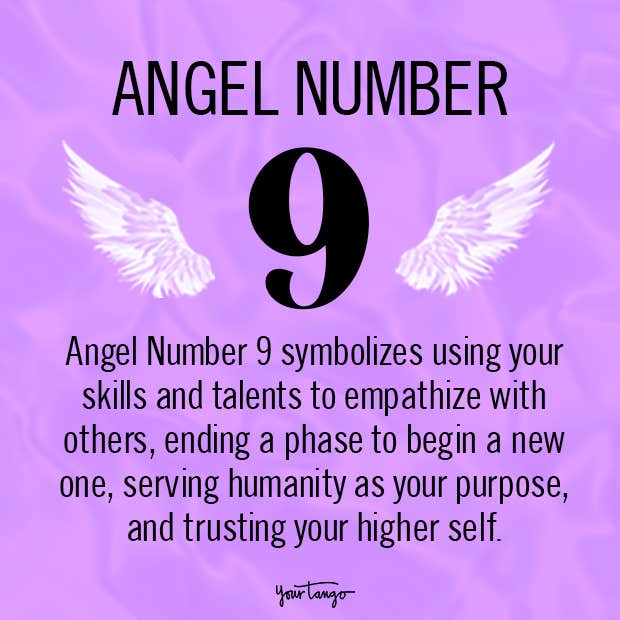
Conclusion: Nine as a Symbol of Divine Completeness and Ultimate Authority
When we examine the biblical landscape through the lens of divine branding, the number nine emerges not as a mere numerical curiosity, but as a potent symbol that reinforces the multifaceted character of God. It signifies completion, perfection, and the ultimate authority that underpins His actions, whether in creation, redemption, or judgment.
The “fruit of the Spirit,” a divinely cultivated bouquet of nine virtues, showcases the perfect expression of God’s character that He desires to impart. The “ninth hour,” a pivotal moment in salvation history, marks the culmination of divine redemptive work. The escalating plagues of Egypt, culminating in the profound darkness of the ninth plague, illustrate God’s unstoppable power and His unyielding justice. Even in prophetic pronouncements like that against Nineveh, the underlying concept of a divinely appointed period of reckoning and the ultimate finality of God’s decrees resonate with the symbolic significance of nine.
In essence, the number nine, within the grand narrative of the Bible, acts as a powerful mnemonic device, a shorthand that points to the completeness of God’s work and the ultimate authority of His reign. It is a number that speaks of the divine brand’s promise of perfection, its unwavering commitment to justice, and its sovereign power to bring all things to their ultimate, divinely ordained conclusion. Understanding this symbolic resonance allows us to appreciate the depth and intentionality of biblical communication, revealing a divine “brand” that is both profound and eternally relevant.
aViewFromTheCave is a participant in the Amazon Services LLC Associates Program, an affiliate advertising program designed to provide a means for sites to earn advertising fees by advertising and linking to Amazon.com. Amazon, the Amazon logo, AmazonSupply, and the AmazonSupply logo are trademarks of Amazon.com, Inc. or its affiliates. As an Amazon Associate we earn affiliate commissions from qualifying purchases.