
The phrase “negative on a drug test” often conjures images of relief, especially in contexts where employment, legal matters, or personal health are involved. However, understanding the nuances behind this seemingly straightforward result is crucial. In the realm of Tech, a negative drug test result doesn’t just signify the absence of a substance; it’s a data point generated and interpreted by sophisticated technological systems, each with its own set of parameters and limitations. This article will delve into the technological underpinnings of drug testing, focusing on how “negative” is determined, the technologies involved, and the implications of this digital output in various professional and personal spheres.
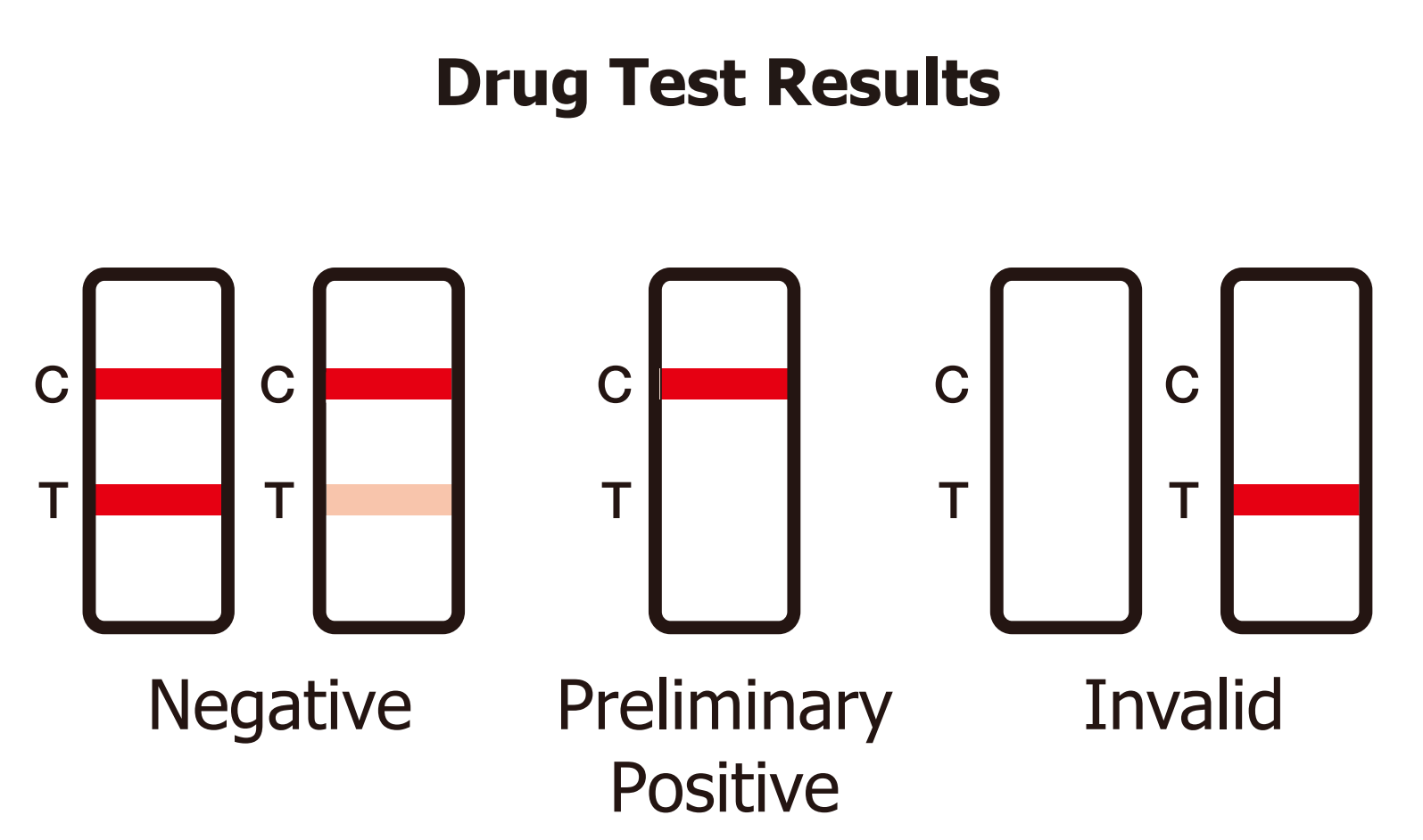
The Technological Foundation of a Negative Result
At its core, a drug test, whether for employment, sports, or medical reasons, is a diagnostic technology. The determination of a “negative” result is a complex process involving sample collection, laboratory analysis, and the interpretation of data against predefined thresholds. This entire workflow relies heavily on technological advancements, from the collection kits to the analytical instruments and the software that processes the results.
Specimen Collection and Initial Screening: The First Line of Defense
The journey to a negative drug test begins with the collection of a biological specimen. The most common types are urine, hair, and saliva, each requiring specific collection protocols to ensure sample integrity and prevent tampering. These protocols are often dictated by technological advancements in tamper-evident collection kits, which utilize seals, unique identifiers, and sometimes even temperature indicators.
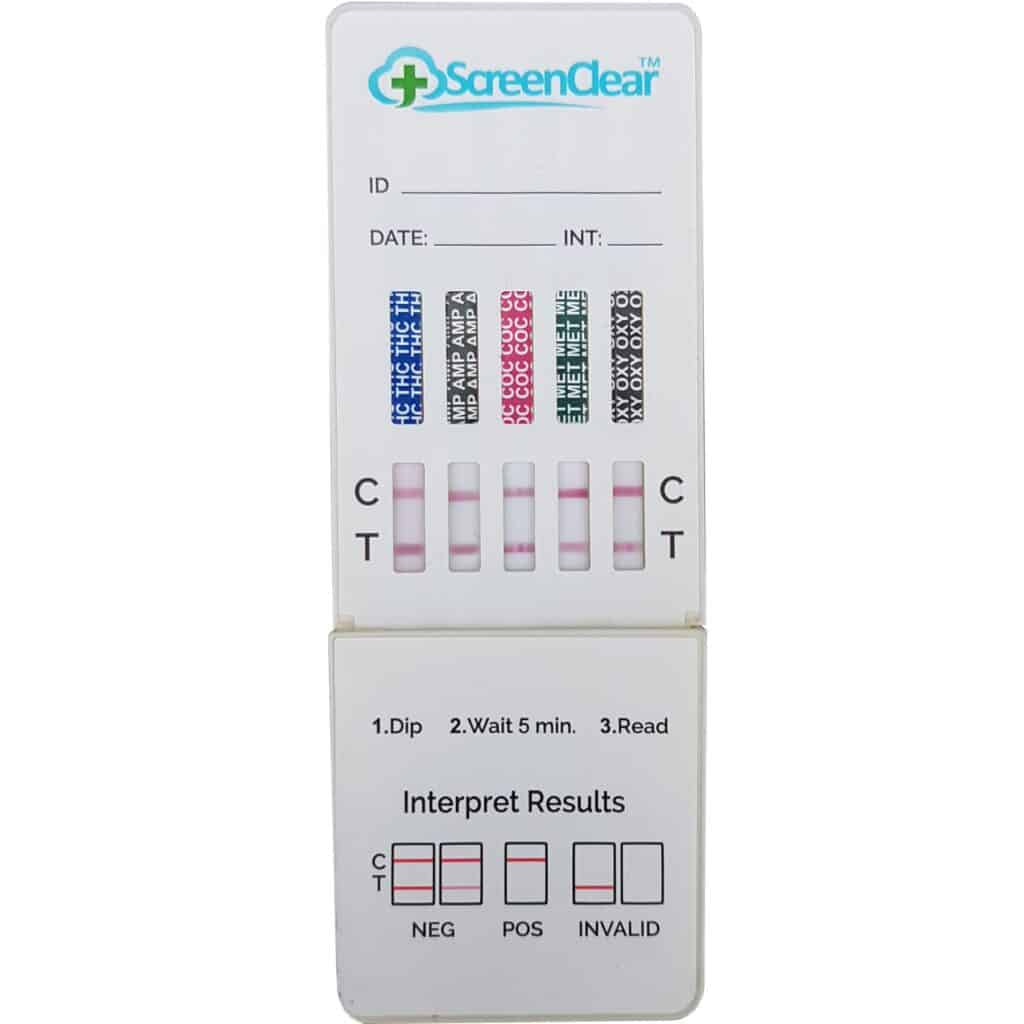
For urine testing, the initial screening is typically performed using immunoassay (IA) technology. These tests are rapid, cost-effective, and designed to detect the presence of specific drug metabolites. They work by using antibodies that bind to drug metabolites in the urine. If the metabolites are present in a sufficient concentration, they will bind to the antibodies, leading to a visible reaction on a test strip or device. A “negative” result from an IA screen indicates that the concentration of drug metabolites is below the designated cutoff level, a threshold established by regulatory bodies and manufacturers.
Immunoassay Technology: Principles and Limitations
Immunoassays, such as enzyme multiplied immunoassay technique (EMIT) or cloned enzyme donor immunoassay (CEDIA), are the workhorses of initial drug screening. These technologies leverage biochemical reactions to detect the presence of specific drug classes. For instance, an opiate test might detect morphine, codeine, and their metabolites. A negative result means that the concentration of these substances, or their specific metabolites, falls below the predefined detection limit of the assay.
However, it’s critical to understand the limitations of IA screening. These tests are designed to be highly sensitive but not necessarily specific. This means they can sometimes produce false positives, where a negative result is incorrectly reported due to cross-reactivity with other substances (e.g., certain prescription medications, foods, or even vitamins). This is where the technological sophistication of confirmatory testing comes into play, ensuring the accuracy of the final “negative” determination.
Confirmatory Testing: The Gold Standard of Accuracy
When an initial screening test yields a non-negative result, or in situations requiring a higher degree of certainty, confirmatory testing is employed. This is a crucial technological step that validates the initial findings and ensures that a truly negative result is not misreported as positive due to an IA’s limitations.
The gold standard for confirmatory drug testing is gas chromatography-mass spectrometry (GC-MS) or liquid chromatography-mass spectrometry (LC-MS). These sophisticated analytical techniques provide both quantitative and qualitative data, allowing for the precise identification and measurement of specific drug compounds and their metabolites.
Gas Chromatography-Mass Spectrometry (GC-MS): Precision in Identification
GC-MS works by separating different chemical components in a sample based on their physical and chemical properties (gas chromatography) and then identifying them by their mass-to-charge ratio (mass spectrometry). This allows for the definitive identification of drug compounds, even at very low concentrations, and distinguishes them from interfering substances that might cause a false positive in IA screening. A negative result from a GC-MS confirms the absence of the targeted drug compounds above the established confirmation cutoff level.
Liquid Chromatography-Mass Spectrometry (LC-MS): A Versatile Alternative
LC-MS offers similar precision to GC-MS but is particularly adept at analyzing a wider range of compounds, including those that may be thermally labile or volatile. This versatility makes it an increasingly popular choice for drug testing. Like GC-MS, a negative result from LC-MS signifies that the tested substances are below the scientifically determined threshold for a positive identification.
The Digital Interpretation of a Negative Result
Beyond the analytical instruments, the interpretation and reporting of drug test results are heavily reliant on digital technology. Laboratory Information Management Systems (LIMS) are instrumental in managing the workflow, tracking samples, storing data, and generating reports. These systems ensure that each step of the testing process is meticulously documented and that the final result, whether positive or negative, is accurately communicated.
Laboratory Information Management Systems (LIMS): The Backbone of Data Integrity
LIMS are specialized software systems designed for the unique needs of laboratories. In the context of drug testing, LIMS track samples from the moment of collection, assigning them unique identifiers and barcodes. They then manage the data generated by analytical instruments, ensuring that results are linked to the correct sample and individual. When a test panel indicates a negative result, the LIMS flags it accordingly, often cross-referencing it with predefined acceptable ranges.
Ensuring Data Accuracy and Traceability
The technological architecture of LIMS is built around data integrity and traceability. Every action performed within the system is logged, creating an audit trail that can be reviewed if any questions or disputes arise. This digital record is crucial for maintaining the credibility of the testing process and ensuring that a negative result is a reliable reflection of the sample’s composition.
Cutoff Levels and Their Technological Definition
The determination of a “negative” result is not simply about the complete absence of a substance. Instead, it’s defined by specific cutoff levels, which are scientifically established minimum concentrations that a drug or its metabolite must exceed to be considered positive. These cutoff levels are often set by regulatory bodies (like the Substance Abuse and Mental Health Services Administration – SAMHSA in the U.S.) or by the testing laboratories themselves, based on scientific literature and the intended purpose of the test.
The Role of Standards and Calibration in Technology
The accuracy of any technological measurement, including drug testing, hinges on proper calibration and the use of certified reference standards. Laboratories must regularly calibrate their instruments against known standards to ensure they are providing accurate readings. For drug testing, this means having pure samples of the drugs being tested for, as well as their metabolites, at known concentrations. When the analytical instruments are calibrated and produce a result below the established cutoff level for a particular drug, the system flags it as negative.
Implications of a Negative Drug Test Result in a Tech-Driven World
In an increasingly digitized and data-driven professional landscape, a negative drug test result has significant implications. It’s a digital credential, a data point that can unlock opportunities or fulfill requirements in various sectors.
Employment and Pre-Employment Screening: Gatekeeping with Data
For many industries, particularly those involving safety-sensitive positions (e.g., transportation, healthcare, aviation), pre-employment drug testing is a standard requirement. A negative result is a prerequisite for being considered for these roles. The technological infrastructure behind these tests allows for rapid and efficient processing of a large volume of applicants, providing employers with the data they need to make informed hiring decisions.
Efficiency and Automation in HR Processes
The automation facilitated by drug testing technology streamlines the HR onboarding process. Once a negative result is confirmed and reported through LIMS or directly to the employer’s HR system, it can automatically clear a candidate for the next stage of hiring. This technological integration reduces administrative burden and speeds up the time to hire.
Workplace Safety and Compliance: A Technological Safeguard
Beyond pre-employment, ongoing drug testing in the workplace serves as a technological safeguard to maintain a safe and productive environment. Companies leverage these tests to ensure compliance with regulatory mandates and to mitigate the risks associated with substance abuse. A consistently negative drug test record for an employee contributes to a positive safety record, both for the individual and the organization.
The Digital Audit Trail for Regulatory Compliance
For companies operating under strict regulations, the digital audit trail generated by drug testing processes is invaluable. It provides concrete evidence of compliance with mandated testing programs, which can be crucial during regulatory inspections or audits. A negative result, properly documented and stored, is a key component of this compliance evidence.
Personal Health and Wellness: Data for Informed Decisions
While often associated with employment, drug testing technology also plays a role in personal health. Individuals may opt for at-home testing kits or seek lab-based testing for various reasons, such as monitoring prescription medication use, personal curiosity, or as part of a rehabilitation program. In these cases, a negative result provides personal data that can inform health decisions and peace of mind.

The Rise of Direct-to-Consumer Testing Technologies
The democratization of health data is also evident in the growing availability of direct-to-consumer (DTC) drug testing kits. These kits, while not as legally definitive as lab-based tests, leverage simplified immunoassay technologies to provide quick, at-home assessments. A negative result from these consumer-grade technologies can empower individuals to take proactive steps regarding their health and lifestyle choices.
In conclusion, the simple phrase “negative on a drug test” represents a complex interplay of advanced technologies. From the biochemical reactions in immunoassay strips to the precise molecular identification by mass spectrometry and the robust data management of LIMS, technology underpins every stage of the process. Understanding this technological foundation is essential for appreciating the reliability and implications of a negative drug test result in our increasingly data-centric world.
aViewFromTheCave is a participant in the Amazon Services LLC Associates Program, an affiliate advertising program designed to provide a means for sites to earn advertising fees by advertising and linking to Amazon.com. Amazon, the Amazon logo, AmazonSupply, and the AmazonSupply logo are trademarks of Amazon.com, Inc. or its affiliates. As an Amazon Associate we earn affiliate commissions from qualifying purchases.