
The National Drug Code (NDC) is far more than just a string of numbers in the pharmaceutical world; it is a critical linchpin connecting drug products to complex financial processes within the healthcare ecosystem. For pharmacies, healthcare providers, and insurance payers, understanding the NDC is fundamental to ensuring accurate billing, efficient reimbursement, precise inventory management, and robust financial compliance. In essence, the NDC acts as a unique, universal product identifier, guiding the flow of money from patient payments and insurance claims through the entire pharmaceutical supply chain. Its accurate application directly impacts a pharmacy’s revenue cycle, cost controls, and overall financial health.
The National Drug Code: A Cornerstone of Pharmaceutical Finance
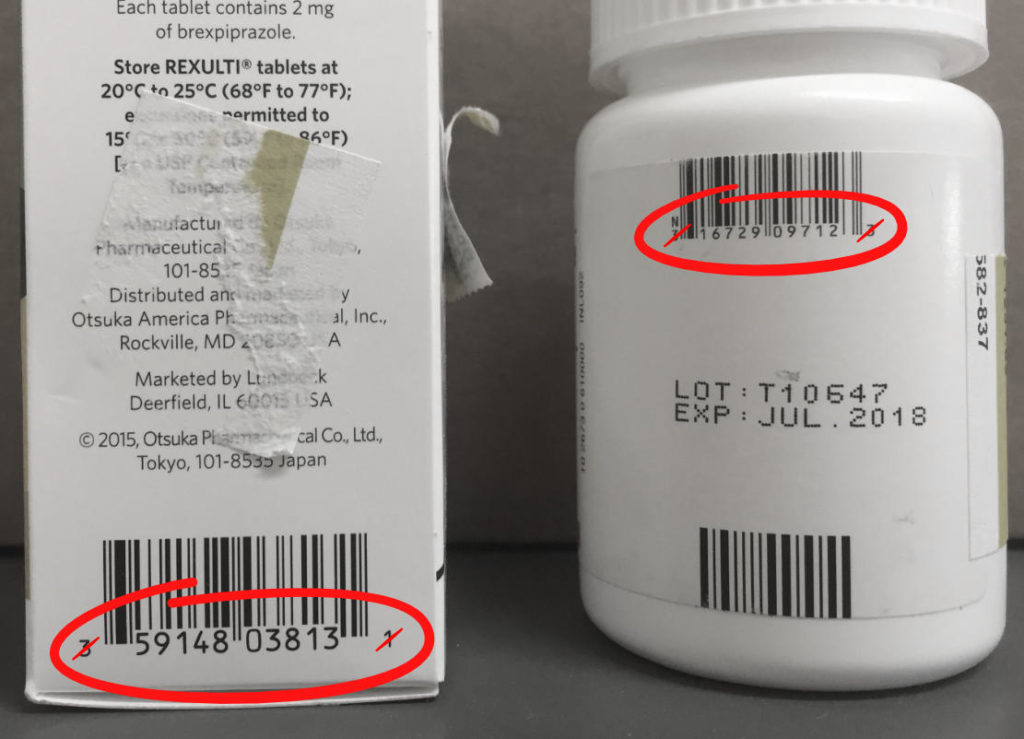
At its core, the NDC is a structured, 10-digit, 3-segment number assigned by the U.S. Food and Drug Administration (FDA) to every prescription and over-the-counter (OTC) drug product manufactured, packaged, or distributed in the United States. This identifier is essential for regulatory tracking, but its most profound impact lies in its role within the financial operations of pharmacies and the broader healthcare system. Without a correct NDC, the financial mechanisms that underpin drug transactions would grind to a halt.
Decoding the NDC Format
The 10-digit NDC is typically presented in one of three formats, with dashes separating its three core segments:
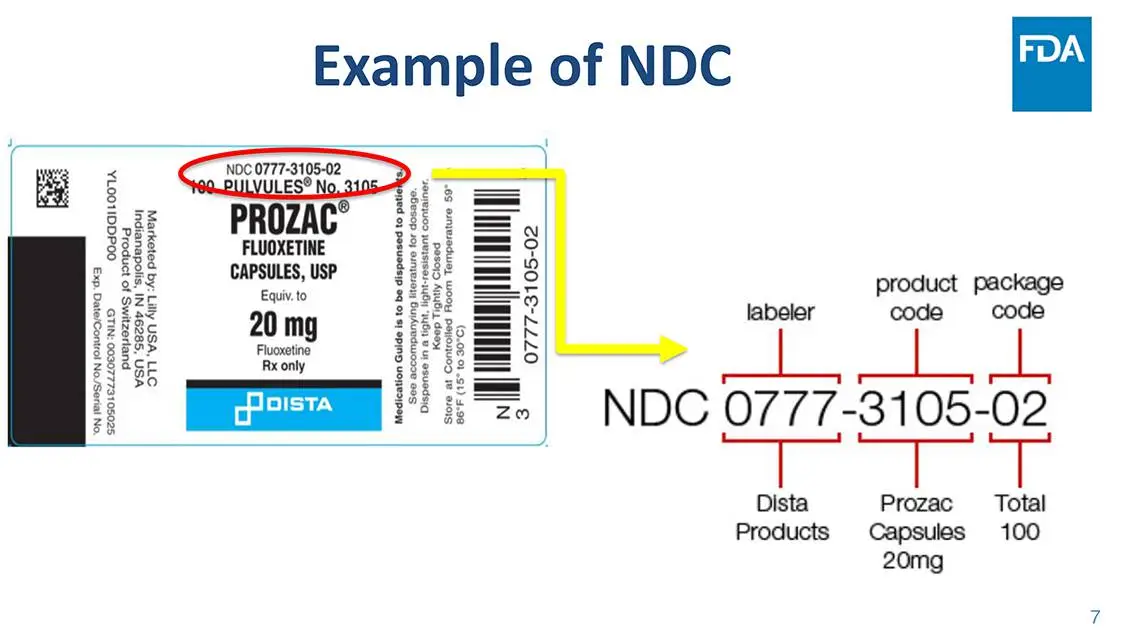
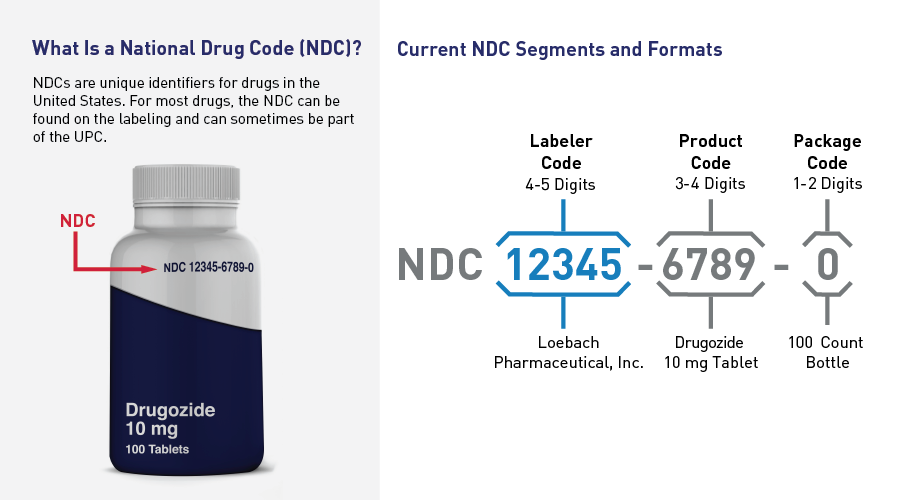
- Segment 1 (Labeler Code): The first four or five digits identify the manufacturer, re-packager, or distributor of the drug. This segment is assigned by the FDA. From a financial perspective, this helps identify the source of a drug for purchasing, pricing agreements, and supply chain finance.
- Segment 2 (Product Code): The next three or four digits identify the specific drug, including its active ingredients, dosage form, and strength. This segment is assigned by the labeler. This level of specificity is crucial for accurate pricing, inventory valuation, and reimbursement calculations, as different strengths or forms of the same drug may have vastly different costs and reimbursement rates.
- Segment 3 (Package Code): The final one or two digits identify the package size and type (e.g., a bottle of 100 tablets vs. a bottle of 500 tablets). This segment is also assigned by the labeler. The package code is vital for precise inventory counts, unit-cost analysis, and ensuring that the billed quantity aligns with the purchased and dispensed package.
While the FDA generally uses a 10-digit format for its systems, healthcare transactions often utilize an 11-digit format, where an additional leading zero is added to the shortest segment to ensure uniformity (e.g., 5-4-2 becomes 5-4-2, 4-4-2 becomes 4-4-3, 5-3-2 becomes 5-4-2). This standardization is critical for the smooth functioning of automated billing and claims processing systems, preventing errors that could lead to significant financial disruptions.
A Unique Identifier for Supply Chain Integrity
Beyond individual transactions, the NDC ensures the integrity of the pharmaceutical supply chain. Each unique NDC represents a distinct financial asset or liability that must be tracked from manufacturing to dispensing. This granular identification facilitates accurate wholesale purchasing, management of returns, and reconciliation of invoices, all of which are fundamental components of a pharmacy’s business finance. Without this unique identifier, managing the vast and diverse inventory of drugs would be financially chaotic, prone to mispricing, and vulnerable to significant losses.
Financial Ramifications: Billing, Reimbursement, and Revenue Cycles
For pharmacies, the most direct and significant financial impact of the NDC is its role in billing and reimbursement. The profitability of a pharmacy heavily relies on its ability to accurately bill for dispensed medications and receive timely reimbursement from third-party payers. The NDC is the primary data element that links a specific drug dispensed to its corresponding price and coverage determination.
Precision in Insurance Claims and Payer Systems
When a pharmacy submits a claim to an insurance company or a government program like Medicare or Medicaid, the NDC for each dispensed drug product must be included. Payer systems utilize the NDC to identify the exact drug, verify its eligibility for coverage under a patient’s plan, and determine the appropriate reimbursement amount. Different NDCs for essentially the “same” drug (e.g., a brand-name drug versus its generic equivalent, or different manufacturers of the generic) will have distinct pricing agreements and reimbursement rates. This precision is non-negotiable; even a single digit error in the NDC can lead to a rejected claim.
Avoiding Reimbursement Denials and Delays
Incorrect or missing NDCs are a leading cause of claim denials and payment delays. Each denied claim represents lost revenue, increased administrative costs for re-submission, and potential cash flow issues for the pharmacy. Pharmacists and billing staff must ensure that the NDC reported on the claim precisely matches the NDC of the product dispensed from their inventory. This often involves careful reconciliation between dispensing software, inventory management systems, and billing platforms. The financial burden of managing denied claims can be substantial, making accurate NDC reporting a critical financial control point.
Impact on Pharmacy Profitability
The difference in reimbursement rates between NDCs, even for therapeutically equivalent drugs, can significantly impact a pharmacy’s gross margin. Pharmacies strategically manage their inventory to dispense NDCs that offer the most favorable reimbursement while adhering to prescribing requirements. Understanding the cost of acquiring a specific NDC versus its expected reimbursement is vital for pricing decisions, inventory stocking levels, and overall financial planning. Any discrepancy between the billed NDC and the actual product dispensed can trigger audits, leading to recoupments and substantial financial penalties.
Inventory Management and Cost Control
Beyond billing, the NDC is an indispensable tool for robust inventory management, a key pillar of financial health for any pharmacy. Effective inventory management directly translates to optimized cash flow, reduced waste, and improved profitability.
Tracking Drug Assets and Liabilities
Each NDC identifies a specific inventory item, allowing pharmacies to track drug products from the moment they are ordered to when they are dispensed. This tracking is essential for accurately valuing inventory on the balance sheet. An NDC system enables precise records of stock on hand, drugs nearing expiration, and drugs that are moving quickly or slowly. This data is critical for financial reporting, tax purposes, and making informed purchasing decisions. Without NDCs, inventory would be a generic mass, impossible to accurately value or manage.
Optimizing Purchasing and Reducing Waste
By using NDCs, pharmacies can analyze purchasing patterns and dispense rates for specific products. This data-driven approach helps optimize order quantities, minimize overstocking of slow-moving items, and prevent stockouts of essential medications. Overstocking ties up capital and increases the risk of product expiration and subsequent financial write-offs. Conversely, stockouts can lead to lost sales and patient dissatisfaction, impacting future revenue. The NDC provides the granular detail needed to make financially sound purchasing decisions that directly impact a pharmacy’s working capital and overall profitability.
The Role in Auditing and Financial Reporting
The NDC is integral to internal and external financial audits. Auditors can trace specific drug purchases and sales using NDCs, verifying that inventory records align with financial statements and that dispensing practices comply with regulatory requirements. For example, a pharmacy’s cost of goods sold (COGS) relies heavily on accurate inventory valuation, which is precisely enabled by NDC-level tracking. Robust NDC management ensures transparency and accuracy in financial reporting, building confidence for stakeholders and regulatory bodies.
Regulatory Compliance and Financial Risk Mitigation
Adherence to NDC regulations is not merely an operational task; it’s a critical component of financial risk management for pharmacies. Non-compliance can lead to severe financial penalties, audits, and even exclusion from participation in federal healthcare programs, which would be financially catastrophic.
Adhering to FDA and Payer Mandates
The FDA mandates that NDCs be present on all drug packaging and listed in various pharmaceutical databases. Beyond the FDA, third-party payers also have strict requirements for NDC inclusion on claims. These mandates are designed to ensure patient safety and prevent fraud, waste, and abuse within the healthcare system. Financially, adhering to these mandates prevents costly investigations and fines. Pharmacies must stay current with any changes in NDC requirements from both regulatory bodies and individual payers to avoid compliance pitfalls.
Mitigating Penalties and Fines
Errors in NDC reporting can trigger payer audits. If an audit reveals discrepancies between the NDC billed and the drug dispensed, or if NDCs are incorrectly used for billing purposes (e.g., billing a brand-name NDC for a generic drug), pharmacies can face recoupment demands for previously paid claims. These recoupments can amount to hundreds of thousands or even millions of dollars, representing a direct and significant hit to a pharmacy’s bottom line. Additionally, state and federal agencies can impose civil monetary penalties for non-compliance, further eroding financial stability. Robust internal controls, staff training, and reliable software that accurately manages NDCs are therefore indispensable financial safeguards.
Ensuring Data Accuracy for Financial Integrity
Beyond direct penalties, maintaining accurate NDC data ensures the overall financial integrity of a pharmacy. It allows for precise tracking of drug costs and revenues, supports accurate budgeting and forecasting, and provides reliable data for strategic financial decisions. In an industry where margins can be tight, any erosion of data integrity due to NDC errors can have cascading negative financial effects.
The Future of NDC in a Digital Financial Landscape
As healthcare increasingly moves towards digitalization, the role of the NDC in financial processes is evolving. Enhanced data exchange and interoperability promise to streamline operations and offer new avenues for financial optimization.
Interoperability with Financial Systems
Modern pharmacy management systems are deeply integrated with financial software, point-of-sale systems, and electronic health records. The NDC serves as the common identifier that allows these disparate systems to communicate seamlessly, enabling real-time inventory updates, automated billing, and instant claim validation. This integration reduces manual errors, accelerates the revenue cycle, and provides comprehensive financial oversight. As technology advances, expect NDCs to play an even more crucial role in blockchain-based supply chain solutions and advanced analytics platforms, further strengthening financial transparency and efficiency.
Leveraging Data for Strategic Financial Decisions
The wealth of data associated with NDCs—from purchase prices and reimbursement rates to dispensing patterns and expiration dates—can be leveraged for strategic financial decision-making. Pharmacies can use this information to negotiate better deals with wholesalers, identify profitable drug categories, forecast demand more accurately, and optimize their formulary. This data-driven approach, powered by the fundamental identification provided by the NDC, transforms the pharmacy from a dispensing entity into a sophisticated financial operation. In essence, the NDC is not just a regulatory identifier; it is a vital piece of financial infrastructure, essential for the solvency, profitability, and compliance of pharmacies in the complex world of healthcare.
aViewFromTheCave is a participant in the Amazon Services LLC Associates Program, an affiliate advertising program designed to provide a means for sites to earn advertising fees by advertising and linking to Amazon.com. Amazon, the Amazon logo, AmazonSupply, and the AmazonSupply logo are trademarks of Amazon.com, Inc. or its affiliates. As an Amazon Associate we earn affiliate commissions from qualifying purchases.