
The scent of myrrh is a sensory portal, transporting us through millennia of human history, ritual, and commerce. For centuries, this aromatic resin has been prized for its complex fragrance, its perceived medicinal properties, and its profound spiritual associations. But beyond its ancient pedigree, what does myrrh mean in the contemporary landscape of branding? In an era where authenticity, heritage, and sensorial experiences are paramount to consumer connection, myrrh offers a compelling case study in how an age-old ingredient can be meticulously positioned and leveraged to cultivate a powerful and resonant brand identity. This exploration delves into the multifaceted meaning of myrrh, not just as a raw material, but as a potent brand asset that embodies luxury, well-being, and a connection to something deeper and more enduring.
The Genesis of a Brand: Myrrh’s Historical and Cultural Resonance
Myrrh’s journey from ancient resin to modern brand element is deeply rooted in its rich history and profound cultural significance. Understanding this genesis is crucial to appreciating its contemporary brand value. Its very essence is steeped in narratives that resonate with enduring human aspirations – purity, healing, and spiritual connection.
A Sacred Gift: Myrrh in Antiquity and Religion
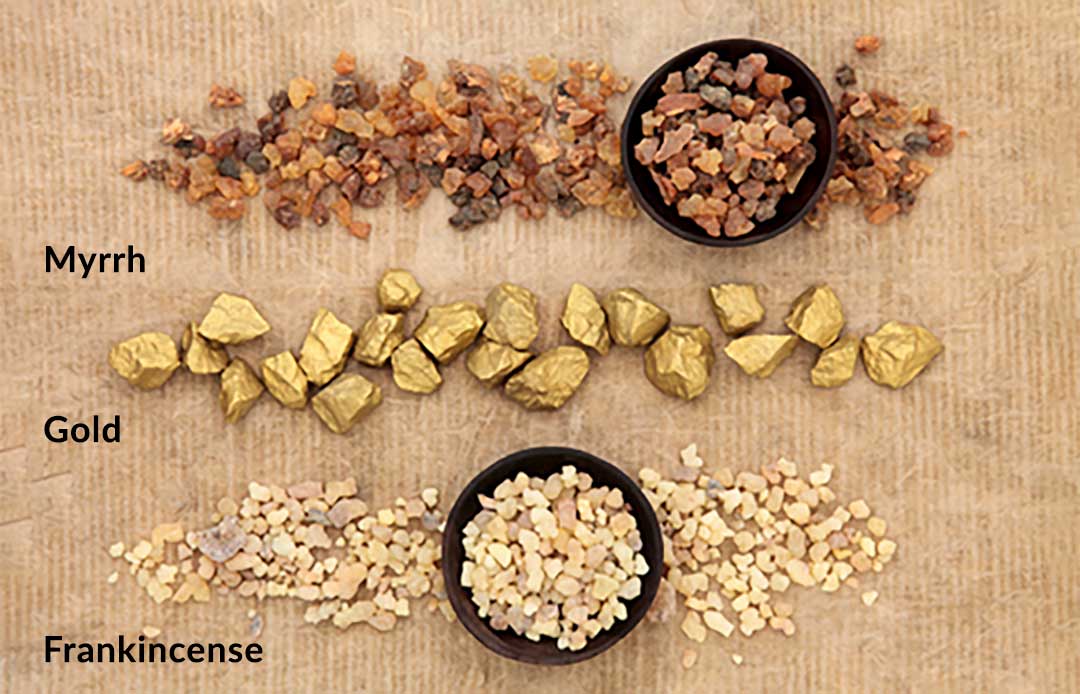
The earliest recorded uses of myrrh stretch back thousands of years, with evidence of its trade and application in ancient Egypt, Babylon, and Greece. It was a staple in religious ceremonies, funerary rites, and as a prized incense. Its inclusion in the Nativity story, alongside gold and frankincense, as a gift to the infant Jesus, cemented its status as a symbol of divinity, sacrifice, and profound reverence. This biblical association imbues myrrh with an almost sacred aura, a quality that few other natural ingredients can claim. This historical narrative is not merely academic; it forms the bedrock of myrrh’s perceived value, lending it an inherent gravitas and exclusivity. When a brand incorporates myrrh, it implicitly taps into this deep well of historical and spiritual meaning, offering consumers a product that is more than just its physical form – it’s a connection to tradition and timelessness.
The Elixir of Wellness: Ancient Perceptions of Myrrh’s Properties
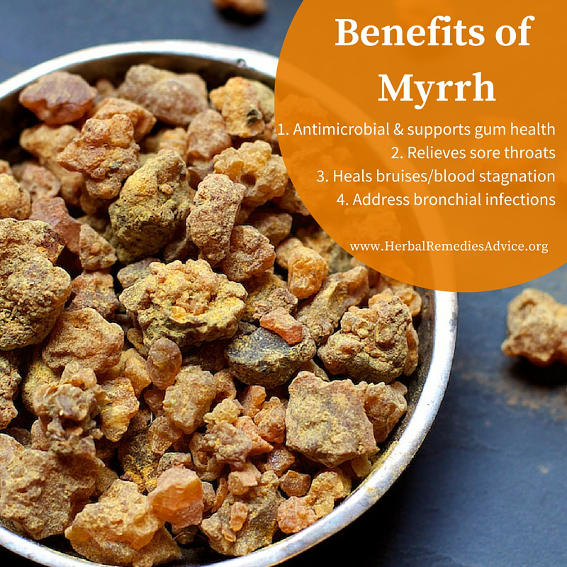
Beyond its spiritual connotations, myrrh has long been recognized for its purported therapeutic qualities. Ancient physicians and healers utilized it for a wide range of ailments, from digestive issues and inflammation to skin conditions and oral hygiene. While modern science continues to investigate these claims, the historical perception of myrrh as an elixir of well-being has significantly shaped its brand narrative. This perception positions myrrh as a natural, restorative, and beneficial ingredient. For brands operating in the wellness, aromatherapy, and natural beauty sectors, this legacy is invaluable. It allows them to credibly associate their products with health, vitality, and self-care, drawing upon a collective understanding of myrrh as a benevolent force for physical and mental balance. The inherent trust built over millennia, even if anecdotal, provides a powerful marketing advantage.
Myrrh as a Brand Differentiator: Crafting an Identity of Exclusivity and Sophistication
In a crowded marketplace, brands constantly seek unique identifiers that set them apart. Myrrh, with its distinct olfactory profile and storied past, offers a potent avenue for differentiation, allowing brands to cultivate an identity that speaks of luxury, authenticity, and a refined sensorial experience.
The Olfactory Signature: Crafting a Distinctive Scent Profile
The aroma of myrrh is notoriously difficult to describe precisely, often characterized as woody, earthy, smoky, and slightly bitter, with subtle balsamic and spicy undertones. This complexity is not a challenge but a significant brand asset. Unlike more common or easily replicated scents, myrrh offers a sophisticated and nuanced olfactory signature that can be both grounding and uplifting. Brands that choose to feature myrrh in their fragrances, personal care products, or home scents are instantly communicating a level of discernment and an appreciation for the finer details. It signals a departure from the ubiquitous and an embrace of the distinctive. The very effort required to source and work with myrrh – often a more artisanal process than with synthetic fragrances – further enhances this perception of exclusivity. Consumers seeking a unique and memorable scent experience are naturally drawn to ingredients like myrrh that promise something beyond the ordinary.
The Art of Sourcing and Storytelling: Authenticity in Every Drop

In today’s market, consumers are increasingly discerning about the origins and ethical sourcing of the products they purchase. Myrrh, with its deep historical ties to regions like the Arabian Peninsula and Africa, carries with it a narrative of ancient trade routes and time-honored cultivation practices. Brands that can transparently and compellingly tell the story of their myrrh – from its provenance and harvesting methods to its cultural context – build an unparalleled level of authenticity. This storytelling transforms the ingredient from a mere component into a journey. It allows consumers to connect with the land, the people, and the heritage behind the product. For luxury brands, this narrative of authenticity is paramount. It elevates the product beyond mere utility, imbuing it with meaning and a sense of ethical responsibility. Brands that effectively leverage this aspect of myrrh are not just selling a scent; they are selling an experience, a connection, and a piece of living history.
Myrrh in Modern Brand Applications: From Luxury Perfumery to Holistic Wellness
The timeless allure of myrrh translates seamlessly into a diverse range of contemporary brand applications, demonstrating its versatility and enduring appeal across various consumer sectors. Its inherent qualities lend themselves to products that aim to evoke a sense of richness, tranquility, and well-being.
The Epitome of Luxury: Myrrh in High-End Fragrances and Cosmetics
In the realm of high-end perfumery, myrrh is a prized ingredient, often found in sophisticated and complex fragrance compositions. Its rich, warm, and slightly resinous notes add depth, longevity, and an air of mystery to fine perfumes. Brands that feature myrrh in their fragrance lines are positioning themselves at the apex of olfactory artistry, appealing to a discerning clientele that values exclusivity and nuanced scent profiles. Similarly, in luxury cosmetics and skincare, myrrh is increasingly being incorporated for its perceived skin-conditioning and revitalizing properties. Brands can leverage its historical association with healing and rejuvenation to create premium skincare products that promise not only efficacy but also a touch of ancient wisdom and indulgence. The presence of myrrh in a product signals a commitment to quality ingredients and a sophisticated brand ethos, resonating with consumers who seek out luxury that is both efficacious and steeped in heritage.
Cultivating Well-being: Myrrh in Aromatherapy and Holistic Brands
The ancient understanding of myrrh as an agent of balance and restoration makes it a natural fit for brands focused on aromatherapy, meditation, and holistic wellness. Its grounding and calming aroma is believed to promote a sense of peace, reduce anxiety, and support spiritual practices. Brands that utilize myrrh in essential oils, diffusers, candles, and other wellness products are tapping into a growing consumer desire for natural remedies and self-care rituals. The narrative of myrrh as a spiritual balm and a tool for mindfulness allows these brands to create products that go beyond mere sensory pleasure, offering consumers a pathway to greater inner peace and well-being. The ethical sourcing and sustainable practices associated with this category further enhance the brand’s appeal, aligning with the values of conscious consumers.
The Enduring Meaning of Myrrh: A Symbol of Timeless Value
Ultimately, what does myrrh mean in the context of branding? It signifies more than just a fragrance or an ingredient; it represents a convergence of history, spirituality, and natural efficacy. It is a brand asset that, when leveraged with authenticity and intention, can imbue a product with a profound sense of timeless value.
Connecting with Heritage: The Irresistible Pull of Authenticity
In an age of rapid innovation and ephemeral trends, the allure of heritage and authenticity is stronger than ever. Myrrh, with its millennia-old story, offers brands a direct connection to this powerful consumer desire. It provides a tangible link to the past, grounding products in a narrative that transcends fleeting fads. Brands that embrace myrrh are not just offering something new; they are offering something enduring, something that has been valued and sought after for generations. This connection to heritage fosters trust and loyalty, as consumers feel they are investing in something with a deeper, more meaningful lineage.
The Promise of Purity and Transformation: Myrrh’s Evolving Brand Narrative
The enduring perception of myrrh as a substance of purity, healing, and even transformation continues to shape its brand narrative. Whether it’s the purity of a natural fragrance, the transformative effects of a skincare product, or the spiritual elevation offered by an aromatherapy blend, myrrh embodies a promise. It speaks to an aspiration for something better, something more profound, whether that be physical well-being, emotional balance, or a deeper connection to oneself and the world. As brands continue to explore and innovate with this ancient resin, its meaning will undoubtedly evolve, but its core essence – a potent symbol of timeless value and transformative potential – is set to endure.
aViewFromTheCave is a participant in the Amazon Services LLC Associates Program, an affiliate advertising program designed to provide a means for sites to earn advertising fees by advertising and linking to Amazon.com. Amazon, the Amazon logo, AmazonSupply, and the AmazonSupply logo are trademarks of Amazon.com, Inc. or its affiliates. As an Amazon Associate we earn affiliate commissions from qualifying purchases.