
The term “MSRP” is a familiar one in the world of retail, often appearing prominently on price tags, online product listings, and advertisements. But what exactly does MSRP mean, and how should consumers interpret it when making purchasing decisions? This article delves into the concept of Manufacturer’s Suggested Retail Price, exploring its purpose, implications, and how it fits into the broader landscape of pricing strategies, particularly within the realm of consumer electronics and automotive industries, where it plays a significant role.
The Genesis and Purpose of MSRP
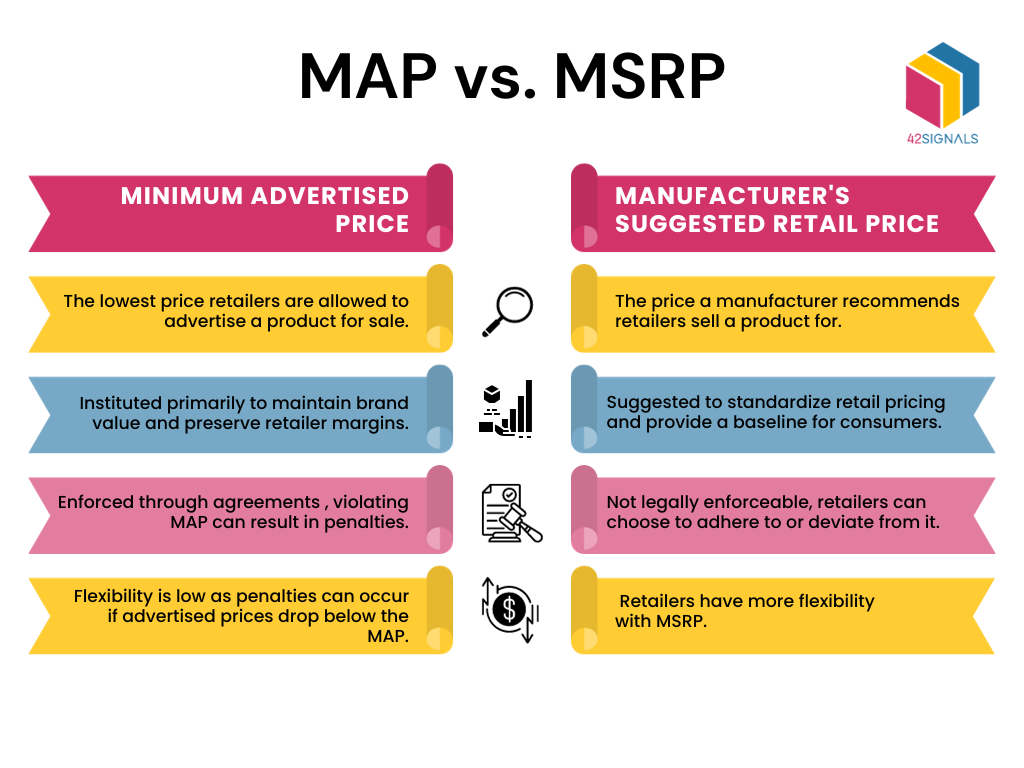
MSRP, standing for Manufacturer’s Suggested Retail Price, is a benchmark price that manufacturers recommend retailers sell their products for. It’s not a legally mandated price, but rather a guideline intended to establish a perceived value for a product and provide a consistent baseline across different retail outlets. Understanding its origins and the intentions behind its implementation is crucial for appreciating its role in the market.
A Manufacturer’s Tool for Value Perception and Market Positioning
The primary purpose of MSRP is to offer a standardized reference point for consumers. By setting a suggested price, manufacturers aim to communicate the intended value of their product to the market. This is particularly important for new or innovative products, where consumers may not have a clear understanding of fair market value. MSRP helps to:
- Establish a Premium or Value Proposition: A higher MSRP can signal a premium product with advanced features, superior quality, or a strong brand reputation. Conversely, a lower MSRP might indicate a more budget-friendly option.
- Guide Retailer Pricing Strategies: While retailers are not obligated to adhere to MSRP, it provides a starting point for their pricing decisions. It helps them determine profit margins and competitive positioning.
- Facilitate Comparisons: MSRP allows consumers to easily compare similar products from different brands. If two products have similar features but vastly different MSRPs, it prompts further investigation into why.
- Support Marketing and Promotional Activities: MSRP often serves as the “sticker price” from which discounts and sales are advertised. A percentage off MSRP or a specific dollar amount off can be compelling promotional tools.
The Legal and Ethical Considerations of MSRP
It’s essential to clarify that MSRP is not a price floor. Retailers are free to sell products above, below, or at the suggested price. However, there are nuances and regulations to consider.
- No Legal Obligation: In most jurisdictions, including the United States, retailers are not legally bound to sell at MSRP. They can offer discounts or markups as they see fit, driven by market demand, inventory levels, and competitive pressures.
- “Suggested” is Key: The word “suggested” is paramount. Manufacturers provide this price as a recommendation, not a directive. This freedom allows retailers to adjust prices based on their own business objectives and local market conditions.
- Avoiding Deceptive Practices: While retailers can deviate from MSRP, they must be careful not to engage in deceptive advertising. For instance, falsely advertising a high MSRP to make a discounted price seem more significant could be considered misleading. This is particularly regulated in industries like automotive, where “dealer markups” can be a point of contention.
The Dynamics of Pricing: MSRP vs. Street Price
The relationship between MSRP and the actual selling price, often referred to as the “street price,” is a critical aspect of consumer purchasing. Understanding this dynamic can lead to significant savings.
Understanding the “Street Price”
The street price is the actual price at which a product is sold to the consumer in a retail environment. This price is determined by a multitude of factors beyond the manufacturer’s suggestion.
- Retailer Competition: Intense competition among retailers often drives prices down. To attract customers, retailers may undercut each other, leading to prices below MSRP.
- Sales and Promotions: Seasonal sales, holiday discounts, and special promotions are common ways for retailers to move inventory and attract buyers, resulting in prices significantly lower than MSRP.
- Inventory Levels and Product Lifecycles: When a product is new, its street price is often closer to MSRP. As it ages, or as newer models are released, retailers may lower prices to clear out older stock.
- Bundling and Value-Added Services: Sometimes, the street price might appear higher than MSRP if it includes additional services, warranties, or bundled accessories. Conversely, a lower street price might be offered as part of a larger package.
- Negotiation (Especially in Automobiles): In certain industries, like the automotive sector, MSRP is merely a starting point for negotiation. The final “out-the-door” price is what truly matters.
Why Retailers May Sell Below MSRP
Several strategic reasons motivate retailers to offer prices below the manufacturer’s suggestion:

- Driving Sales Volume: Lowering prices can significantly increase sales volume, which can be more profitable overall than achieving a higher margin on fewer units.
- Market Share Acquisition: In competitive markets, aggressive pricing can be a strategy to capture market share from rivals.
- Inventory Management: Retailers need to manage their inventory effectively. Selling products below MSRP can be a way to liquidate excess stock and free up capital for newer, more profitable items.
- Customer Acquisition and Loyalty: Offering attractive prices can draw new customers to a store or website, and consistently good deals can foster customer loyalty.
- Clearing Older Models: As technology advances, particularly in consumer electronics, older models are often discounted heavily to make way for new releases.
The Role of MSRP in Specific Industries
The impact and interpretation of MSRP can vary significantly across different industries. While it serves a general purpose, its application and consumer perception differ.
Consumer Electronics: A Constant Dance with Discounts
In the fast-paced world of consumer electronics, MSRP often acts as a launchpad for a predictable cycle of price reductions.
- Initial Launch and Early Adopters: When a new gadget or piece of technology is first released, its price is typically at or very close to MSRP. Early adopters, eager to be among the first to own the latest innovation, are often willing to pay this premium.
- The Inevitable Price Drop: Within months, and sometimes even weeks, of a product’s release, discounts begin to emerge. Retailers will often offer promotions, bundle deals, or simply lower the price as competition heats up and demand stabilizes.
- Clearance and Obsolescence: As newer models are introduced, the prices of older electronics can plummet. MSRP becomes a distant memory as retailers try to clear out remaining inventory before the product becomes completely obsolete.
- MSRP as a Marketing Tool: Manufacturers and retailers alike use MSRP in advertising to highlight the “savings” a customer is making. Phrases like “Save 30% off MSRP” are ubiquitous in electronics advertising. This implies that the current selling price is a deal, even if that price is a common market rate for the product.
Automotive Industry: A Starting Point for Negotiation
The automotive sector has a unique relationship with MSRP, where it is often referred to as the “sticker price” or “window sticker price.”
- The MSRP as a Baseline: For new vehicles, MSRP represents the manufacturer’s suggested price, including the base vehicle price, optional equipment, and destination charges. It’s a comprehensive starting point for understanding the vehicle’s potential cost.
- The Invoice Price: A related concept is the invoice price, which is what the dealer supposedly paid the manufacturer for the vehicle. The difference between MSRP and the invoice price represents the dealer’s potential profit margin.
- Negotiation is Key: In the car buying process, MSRP is almost always negotiable. Dealers have significant flexibility to adjust prices based on market demand, their inventory, manufacturer incentives, and their own profit targets.
- “Market Adjustments” and Markups: Conversely, in high-demand situations, or for highly sought-after models, dealers may add “market adjustments” or markups above MSRP, turning the suggested price into a floor rather than a ceiling. This is a significant departure from the typical consumer goods market.
- Dealer Incentives and Rebates: Manufacturers often offer incentives, rebates, and financing deals that can significantly reduce the final purchase price, making the original MSRP less relevant to the consumer’s final cost.
Navigating the Market: Strategies for Smart Consumers
Understanding MSRP is a crucial step towards becoming a more informed and savvy consumer. It empowers you to make better purchasing decisions and potentially save money.
Leveraging MSRP for Better Deals
Knowing what MSRP represents allows you to engage more effectively in the purchasing process.
- Recognize the “Discount” Opportunity: When you see a product advertised significantly below MSRP, you know there’s a potential for a good deal. However, it’s also wise to research the typical street price for that item to ensure the advertised discount is genuine.
- Understand True Value: MSRP can help you gauge whether a product is overpriced or underpriced relative to its features and market positioning. If a product’s street price is consistently much higher than its MSRP, it might indicate high demand or limited supply.
- Negotiate Effectively: In industries where negotiation is common, like with cars or sometimes high-end electronics, knowing the MSRP gives you a strong starting point for discussions. You can use it to justify your offer and understand the dealer’s potential profit margin.
- Be Wary of Inflated MSRPs: Some retailers or manufacturers may artificially inflate the MSRP to make their discounts appear more substantial. Comparing prices across multiple retailers and checking historical pricing data can help identify such practices.

Research is Your Greatest Asset
The most effective strategy for any consumer is thorough research.
- Compare Prices Across Retailers: Don’t settle for the first price you see. Use online comparison tools, visit multiple stores, and check different e-commerce platforms to find the best available price.
- Read Reviews and Look for Benchmarks: Consumer reviews and independent product reviews can offer insights into the typical selling price and whether a product is perceived as good value for its cost.
- Track Price History: For popular items, especially in electronics, price tracking websites can reveal historical price trends. This helps you understand if the current price is a genuine sale or if it’s likely to drop further.
- Understand Bundles and Hidden Costs: When evaluating a price, consider what is included. Is it just the product, or does it come with accessories, extended warranties, or software? Are there shipping costs or taxes that need to be factored in? In the automotive world, always consider “out-the-door” pricing, which includes all fees and taxes.
In conclusion, MSRP is a valuable piece of information for consumers, serving as a manufacturer’s recommendation that often acts as a reference point in the complex world of pricing. While it’s not a fixed price, understanding its purpose, the dynamics of street pricing, and how it’s applied across different industries can empower you to make more informed purchasing decisions and ultimately, get more for your money.
aViewFromTheCave is a participant in the Amazon Services LLC Associates Program, an affiliate advertising program designed to provide a means for sites to earn advertising fees by advertising and linking to Amazon.com. Amazon, the Amazon logo, AmazonSupply, and the AmazonSupply logo are trademarks of Amazon.com, Inc. or its affiliates. As an Amazon Associate we earn affiliate commissions from qualifying purchases.