
The acronym “MSc” frequently appears in academic and professional contexts, often sparking curiosity about its meaning and, more importantly, its value proposition. Far beyond a mere collection of letters, an MSc — Master of Science — represents a significant academic achievement, a testament to specialized knowledge, and a strategic investment in one’s future. For individuals considering advanced education, understanding the financial implications, both in terms of cost and potential return, is paramount. This article delves into what an MSc means from a monetary perspective, exploring the investment required and the potential financial benefits it can unlock in one’s career and personal finances.
The Core Concept: What an MSc Represents
Before analyzing its financial impact, it’s essential to define what an MSc truly signifies in the academic landscape.
Beyond the Acronym: Master of Science Explained
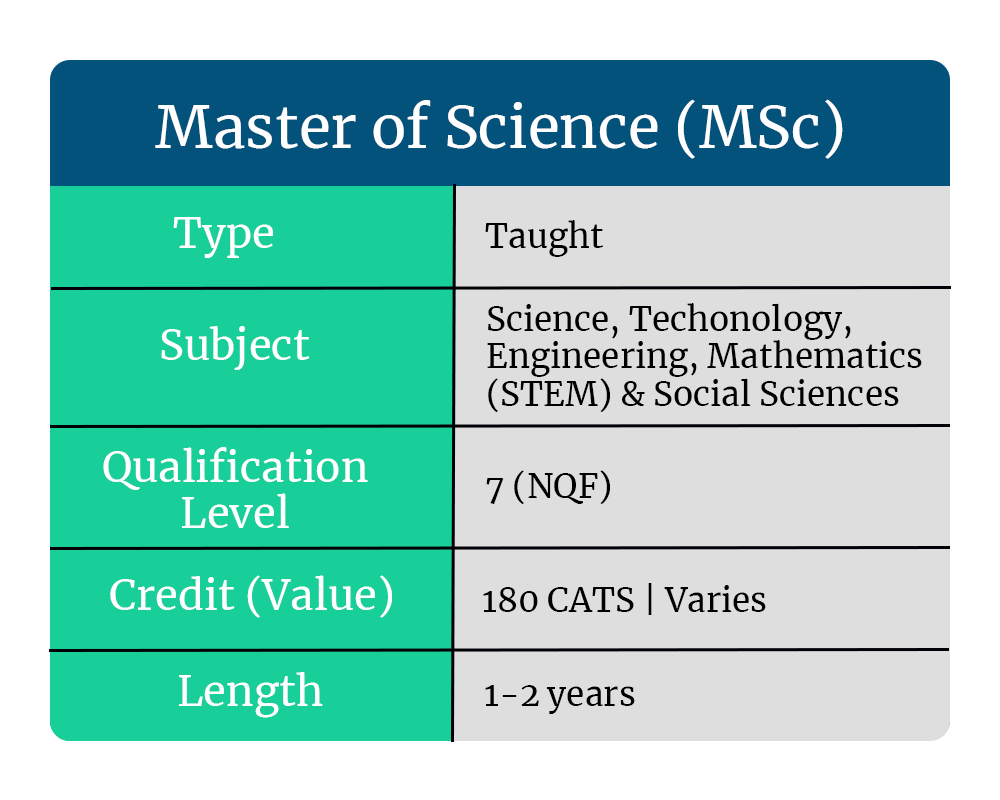
An MSc, or Master of Science, is a postgraduate academic degree awarded by universities across a wide array of scientific and technical disciplines. It typically requires one to two years of full-time study beyond a bachelor’s degree, culminating in a comprehensive understanding of a specific field, often involving original research, a dissertation, or a capstone project. Unlike an MBA (Master of Business Administration) which is primarily focused on management and leadership, an MSc is designed to provide deep theoretical knowledge and practical skills within a specialized scientific or technical domain.
Fields and Specializations
The scope of MSc programs is vast, encompassing fields from traditional sciences like physics, chemistry, and biology to cutting-edge areas such as artificial intelligence, data science, cybersecurity, renewable energy, and financial engineering. Each specialization offers a unique pathway for career development, directly influencing the potential earning capacity and professional trajectory of its graduates. The choice of specialization is therefore a critical early financial decision, as market demand and salary expectations vary significantly across industries.
The Financial Investment: Costs of an MSc
Pursuing an MSc is a substantial financial undertaking, requiring careful consideration of both direct and indirect costs. Approaching an MSc as an investment asset necessitates a clear understanding of its upfront capital requirements.
Direct Costs: Tuition and Fees
The most obvious financial component of an MSc is tuition. Tuition fees vary dramatically based on the institution’s prestige, location (domestic vs. international), program duration, and whether it’s a public or private university. For instance, an MSc program at a top-tier private university in a major global city could easily run into tens of thousands of dollars per year, while public university programs, especially for in-state residents, might be considerably less. Beyond tuition, students must account for mandatory university fees, application fees, examination fees, and graduation fees, which can add hundreds to thousands of dollars to the total bill.
Indirect Costs: Living Expenses and Opportunity Cost
Direct costs are only part of the equation. Living expenses, including rent, utilities, food, transportation, health insurance, and personal necessities, constitute a significant portion of the total investment. These costs are highly dependent on the geographic location of the university and the student’s lifestyle choices.
Perhaps the most overlooked, yet crucial, financial consideration is opportunity cost. This refers to the income and career progression forgone by choosing to study full-time instead of remaining in the workforce. For someone with several years of professional experience, the annual salary given up can be a substantial sum. For example, if a professional earning $70,000 annually takes two years off for an MSc, the opportunity cost in lost wages alone is $140,000, not including potential raises or bonuses they might have received. Factoring in this “hidden” cost provides a more accurate picture of the true financial sacrifice involved.
Funding Your MSc: Loans, Scholarships, and Savings
Given the significant costs, prospective MSc students typically explore various funding avenues. Student loans, both federal and private, are a common route but accrue interest and necessitate future repayment planning. Scholarships, grants, and bursaries, offered by universities, governments, or private organizations, can significantly reduce the financial burden, often awarded based on merit, need, or specific demographic criteria. Personal savings, parental contributions, and part-time work during studies are also common strategies. Strategic financial planning here involves minimizing high-interest debt and maximizing “free money” sources.
The Financial Return: Potential Upside of an MSc
While the investment is considerable, the potential financial returns of an MSc can be equally compelling, manifesting in various forms throughout a professional’s career.
Enhanced Earning Potential

One of the primary motivations for pursuing an MSc is the prospect of a higher salary. Graduates with an MSc often command a significant salary premium over those with only a bachelor’s degree, especially in specialized and in-demand fields. This premium can vary by industry, role, and geographic location but tends to compound over a career lifetime. For example, an MSc in Artificial Intelligence or Data Science might open doors to roles with starting salaries substantially higher than a general computer science bachelor’s graduate. This enhanced earning power directly impacts personal finance, allowing for faster wealth accumulation, better debt management, and greater financial security.
Accelerated Career Progression
Beyond just higher starting salaries, an MSc can act as a catalyst for faster career progression. The specialized knowledge and analytical skills acquired during an MSc program often equip graduates to take on more complex responsibilities, leadership roles, and strategic positions earlier in their careers. This acceleration translates into quicker promotions, performance-based bonuses, and access to a higher tier of professional opportunities, all contributing to increased lifetime earnings.
Access to Niche and High-Value Roles
Many cutting-edge industries and highly specialized sectors require advanced degrees as a baseline for entry. An MSc can unlock access to niche roles that are not accessible with a bachelor’s degree alone, such as R&D scientists, quantitative analysts, specialized consultants, or advanced engineers. These roles often come with higher compensation packages due to the scarcity of qualified talent and the critical nature of the work. For instance, a pharmaceutical company might mandate an MSc or PhD for certain research positions.
Entrepreneurial Opportunities and Online Income
An MSc can also empower individuals to create their own income streams. The deep expertise gained can be leveraged to launch startups, offer specialized consulting services, develop proprietary technologies, or even generate online income through content creation, specialized tutoring, or digital product development in their field of expertise. The credibility and knowledge associated with an MSc can be a significant advantage in attracting clients or investors for entrepreneurial ventures, thus contributing directly to personal wealth generation outside traditional employment.
Evaluating the Return on Investment (ROI)
The decision to pursue an MSc should ideally be viewed through an ROI lens, balancing the significant investment against the potential financial gains.
Quantifying the Benefits
Calculating the precise ROI for an MSc involves comparing the total costs (direct + opportunity) with the projected increase in lifetime earnings. While exact figures are difficult to predict, many studies and salary surveys provide data on the average salary differentials between bachelor’s and master’s degree holders in various fields. A robust financial model would project future earnings trajectories with and without the MSc, discount future cash flows to present value, and then assess the net financial benefit over a chosen time horizon (e.g., 10, 20, or 30 years).
Factors Influencing ROI
The ROI of an MSc is not uniform and is influenced by several critical factors:
- Field of Study: STEM (Science, Technology, Engineering, Mathematics) and business-related MScs often show higher financial returns than those in certain humanities or arts fields.
- Institution’s Reputation: Degrees from highly ranked universities can sometimes command a greater salary premium and offer better networking opportunities.
- Pre-MSc Experience: Professionals with relevant work experience prior to their MSc may see a faster and higher return, as the degree complements their practical skills.
- Economic Conditions: Market demand for specific skills can fluctuate, impacting job availability and salary levels for graduates.
- Geographic Location: Salary expectations and cost of living vary significantly by region and country.
Making an Informed Financial Decision
Ultimately, the decision to pursue an MSc is a highly personal financial one. It requires prospective students to conduct thorough research, evaluate their career goals, assess their financial capacity, and project the potential financial benefits realistically. While an MSc can be a powerful engine for financial growth, it is crucial to enter into it with a clear-eyed understanding of the financial commitment and a strategic plan for maximizing its return.
Strategic Financial Planning for an MSc
Given the investment, effective financial planning is indispensable for MSc students to mitigate risks and maximize their financial well-being during and after their studies.
Budgeting and Debt Management
Creating a detailed budget before and during an MSc program is crucial. This budget should account for all direct and indirect costs, projected income (if any), and living expenses. Strict adherence to the budget helps prevent overspending and reduces the need for additional borrowing. For those taking out loans, understanding repayment terms, interest rates, and exploring options like income-driven repayment plans is vital. The goal should be to manage debt efficiently to minimize its long-term impact on personal finances.

Long-Term Financial Impact
An MSc is not merely a short-term educational endeavor; it is a long-term investment in human capital with enduring financial implications. The increased earning potential can lead to greater savings, more robust retirement planning, and a stronger financial foundation for future life goals, such as homeownership or family planning. By strategically leveraging the advanced knowledge and enhanced career prospects, an MSc graduate can significantly alter their financial trajectory, making it a powerful tool for achieving long-term financial prosperity and security.
aViewFromTheCave is a participant in the Amazon Services LLC Associates Program, an affiliate advertising program designed to provide a means for sites to earn advertising fees by advertising and linking to Amazon.com. Amazon, the Amazon logo, AmazonSupply, and the AmazonSupply logo are trademarks of Amazon.com, Inc. or its affiliates. As an Amazon Associate we earn affiliate commissions from qualifying purchases.