
In the world of international travel and maritime commerce, few acronyms carry as much weight—literally and figuratively—as MSC. For the casual traveler booking a week-long getaway to the Caribbean or the Mediterranean, the letters are synonymous with towering white ships, Swarovski crystal staircases, and a distinctly European flair. However, the question “What does MSC Cruise stand for?” goes far beyond a simple translation of its initials.
At its most literal level, MSC stands for Mediterranean Shipping Company. But as a brand, it represents one of the most successful transitions in corporate history: the evolution from a gritty, logistics-focused cargo giant into a premier luxury and leisure lifestyle brand. Understanding what MSC stands for requires an analysis of its heritage, its strategic market positioning, and its unique approach to corporate identity in an industry dominated by North American conglomerates.
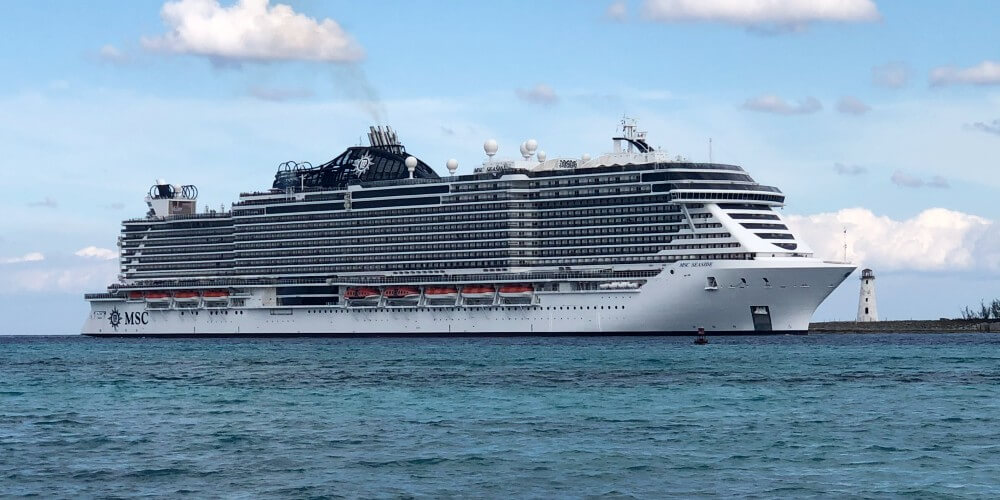
The Origin Story: From Mediterranean Shipping Company to Global Cruise Icon
The brand identity of MSC Cruises is inseparable from its parent company, the Mediterranean Shipping Company (MSC). To understand the cruise line, one must first understand the foundation upon which it was built. Founded in 1970 by Gianluigi Aponte, a Neapolitan ferry captain, MSC began as a private shipping line with a single vessel. Over the decades, it grew into the world’s largest container shipping line.
Decoding the Acronym and Its Heritage
The “Mediterranean” in MSC is not just a geographical marker; it is the soul of the brand. While many cruise lines attempt to manufacture a specific “vibe,” MSC’s identity is authentically rooted in the traditions of the Mediterranean. This heritage informs everything from the onboard cuisine to the multilingual environment. For the brand, “MSC” signifies a bridge between the old-world elegance of European seafaring and the modern scale of global commerce.
The Strategic Transition from Logistics to Leisure
In the late 1980s, MSC saw an opportunity to diversify its portfolio by entering the cruise market. The acquisition of Lauro Lines (later renamed MSC Cruises) was a pivotal branding move. The challenge was significant: how does a company known for moving freight convince families and luxury seekers to board their vessels? The brand strategy centered on “The Human Touch.” Unlike its publicly traded competitors, MSC remained a family-owned business. This private ownership allowed the brand to maintain a long-term vision, focusing on steady growth and a consistent aesthetic that reflected the Aponte family’s personal taste for understated luxury and Italian design.
Core Values and Brand Positioning: The Mediterranean Way of Life
In the hyper-competitive cruise industry, brand differentiation is the difference between a full ship and a fleet of empty cabins. MSC Cruises has carved out a niche by leaning into its “Mediterranean Way of Life.” This isn’t just a marketing slogan; it is the framework for their entire brand strategy.
Defining “The Mediterranean Way”
In branding terms, the “Mediterranean Way” is characterized by a slower pace of life, an emphasis on high-quality food, and a multi-generational family focus. While brands like Royal Caribbean focus on high-energy thrills (surf simulators and skydiving), MSC positions itself as a more sophisticated, culturally rich alternative. This positioning appeals to an international demographic. While American lines primarily target English speakers, an MSC ship is a microcosm of the world, with announcements often made in five or more languages. This inclusivity is a core pillar of what the brand “stands for” in the global marketplace.
Design as a Brand Differentiator
One cannot discuss the MSC brand without mentioning its visual identity. The company has a long-standing partnership with the award-winning architectural firm De Jorio Design International. This collaboration has created a consistent visual language across the fleet. The use of natural stone, marble, and the signature Swarovski crystal staircases (which can cost up to $30,000 per step) serves a specific branding purpose: it elevates the perception of the “mass-market” cruise experience. By offering a “premium-looking” product at a competitive price point, MSC utilizes design as a tool for brand premiumization.
Strategic Brand Expansion: The Yacht Club and Luxury Tiering

As the cruise industry evolved, MSC recognized that a “one-size-fits-all” approach would limit its market share. To compete with ultra-luxury lines while maintaining its mass-market appeal, the company introduced the “MSC Yacht Club.” This was a masterclass in brand architecture—creating a “ship within a ship.”
The “Ship Within a Ship” Concept
The MSC Yacht Club is a dedicated area on the upper decks of their largest ships, offering 24-hour butler service, private lounges, and exclusive pools. From a branding perspective, this allowed MSC to capture the “aspirational” traveler. It solved a common brand problem: how to provide an intimate, luxury experience without losing the economies of scale provided by a 5,000-passenger vessel. The Yacht Club has become so successful that it is now a primary driver of the brand’s high-value customer retention.
Expanding the Brand to the North American Market
For years, MSC was perceived primarily as a European brand. However, their recent brand strategy has focused heavily on “Americanizing” their offerings for the U.S. market without losing their Italian essence. This involved significant investments in private destinations like Ocean Cay MSC Marine Reserve in the Bahamas. By branding Ocean Cay as a “Marine Reserve” rather than just a “Private Island,” MSC aligned itself with the growing consumer demand for eco-conscious travel. This subtle shift in branding allowed them to appeal to the environmentally aware North American traveler while maintaining their status as a global player.
Corporate Identity and Sustainability: Branding the Future
In the 21st century, what a brand “stands for” is increasingly measured by its environmental and social impact. MSC Cruises has had to navigate the complex waters of industrial sustainability, especially given its roots in the heavy-emissions world of container shipping.
Environmental Stewardship as a Brand Pillar
To future-proof the brand, MSC has committed to becoming a leader in maritime technology. The launch of ships like the MSC World Europa, which is powered by Liquefied Natural Gas (LNG), is a central component of their modern brand identity. They are no longer just a “shipping company”; they are positioning themselves as a “technology and sustainability leader.” This transition is essential for attracting Gen Z and Millennial travelers, who prioritize corporate responsibility when choosing travel providers.
The MSC Foundation: Giving Back
Beyond the ships, the brand is supported by the MSC Foundation. By focusing on ocean conservation and disaster relief, the foundation helps to humanize the massive corporate entity. Whether it’s restoring coral reefs or providing logistics for humanitarian aid, these actions reinforce the brand’s message that it is a responsible global citizen. In the eyes of the modern consumer, the “S” in MSC could just as easily stand for “Sustainability” or “Stewardship.”
The MSC Brand Legacy: Consistency in a Competitive Market
Ultimately, what MSC Cruise stands for is a unique synthesis of private family values and massive industrial scale. In an era where many brands are subject to the whims of quarterly earnings calls and shareholder pressure, MSC’s private status has allowed it to maintain a remarkably consistent brand identity.
The brand has successfully navigated the transition from the “Mediterranean Shipping Company”—a name that evokes images of rusted steel and shipping containers—to a name that evokes the glamour of the Italian Riviera. They have achieved this by never forgetting their roots while aggressively pursuing the future.
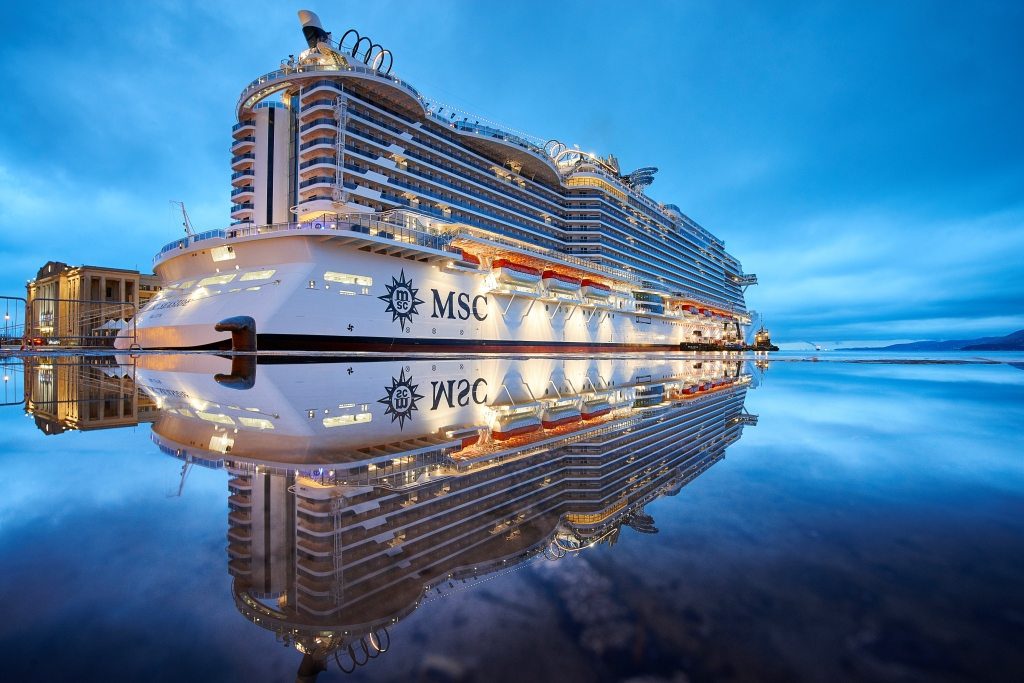
Conclusion: A Brand of Contradictions and Harmony
MSC is a brand of fascinating contradictions. It is a mass-market line that offers world-class luxury; it is an Italian company with a global workforce; and it is a shipping giant that has become a guardian of the oceans.
When a traveler asks, “What does MSC Cruise stand for?” the answer is more than three words. It stands for a commitment to the Mediterranean lifestyle, a dedication to high-end design, a strategic approach to market tiering, and a long-term vision for sustainable travel. As the company continues to launch “World Class” vessels and expand into new territories, the MSC acronym will continue to evolve, representing not just where the company came from, but where the entire travel industry is headed. Through meticulous brand strategy and a refusal to compromise on its heritage, MSC has ensured that its three letters remain a symbol of reliability and elegance on the high seas.
aViewFromTheCave is a participant in the Amazon Services LLC Associates Program, an affiliate advertising program designed to provide a means for sites to earn advertising fees by advertising and linking to Amazon.com. Amazon, the Amazon logo, AmazonSupply, and the AmazonSupply logo are trademarks of Amazon.com, Inc. or its affiliates. As an Amazon Associate we earn affiliate commissions from qualifying purchases.