
In the landscape of modern diagnostics, the technical nomenclature used in laboratory reporting can often seem like an impenetrable wall of acronyms. Among the most frequent queries in occupational health and clinical toxicology is the meaning of “MOP” on a drug screening panel. Technically, MOP stands for Morphine, but the implications of this label extend far beyond a simple identification of a substance. It represents a complex intersection of biotechnology, chemical engineering, and digital data interpretation that defines the current state of drug testing technology.
To understand what MOP means on a drug test is to understand the mechanics of the immunoassay—a biochemical test that measures the presence or concentration of a macromolecule or a small molecule through the use of an antibody. As the diagnostic industry shifts toward high-throughput screening and integrated digital reporting, the technology behind the MOP indicator has become a cornerstone of forensic science and corporate compliance.
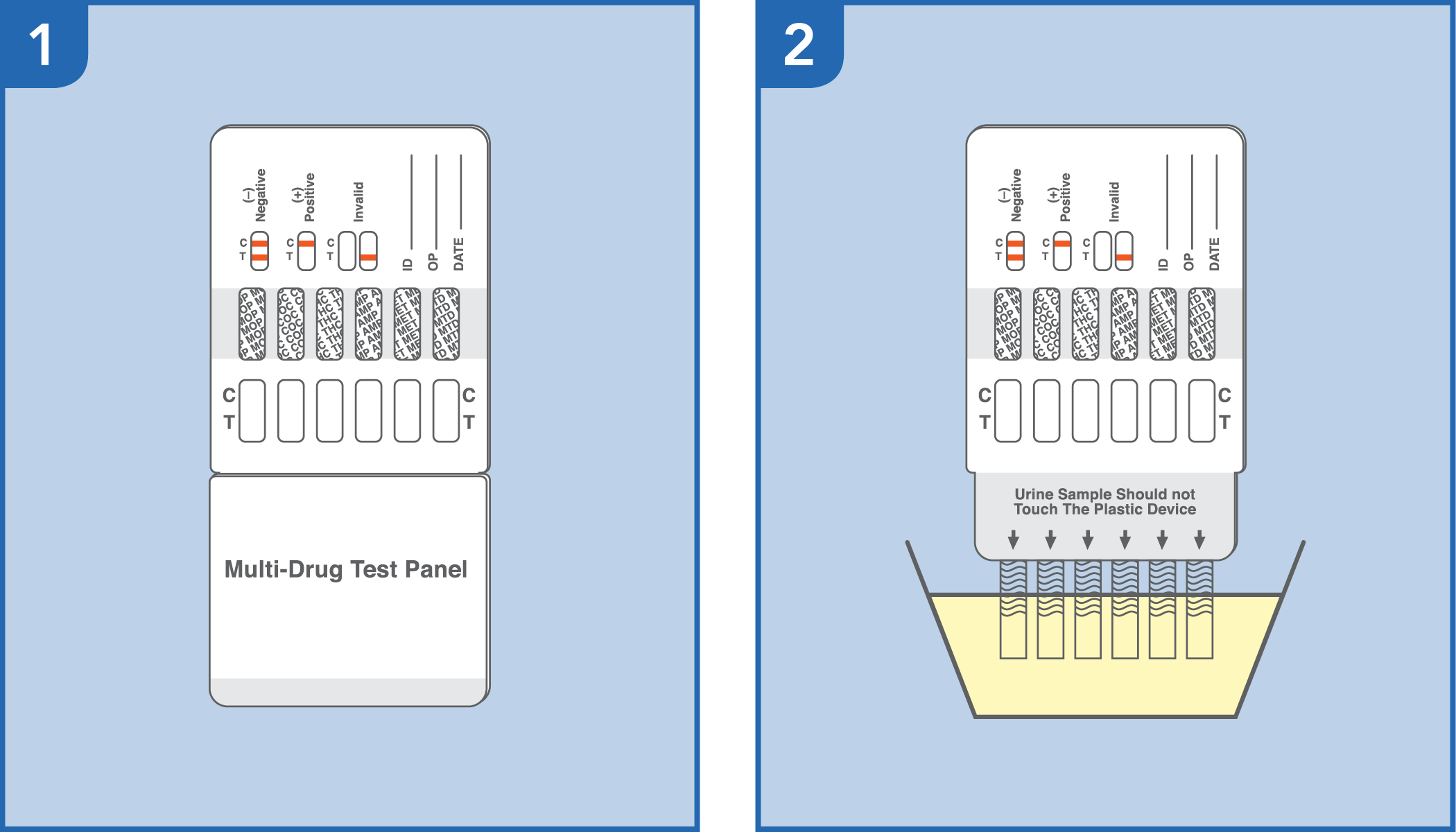
The Chemistry of Detection: The Technology Behind the MOP Label
At its core, the MOP designation on a drug test utilizes the principles of competitive binding. When a sample, typically urine or saliva, is applied to a diagnostic device, it interacts with a series of engineered proteins designed to recognize specific molecular structures.
The Specificity of Morphine Immunoassays
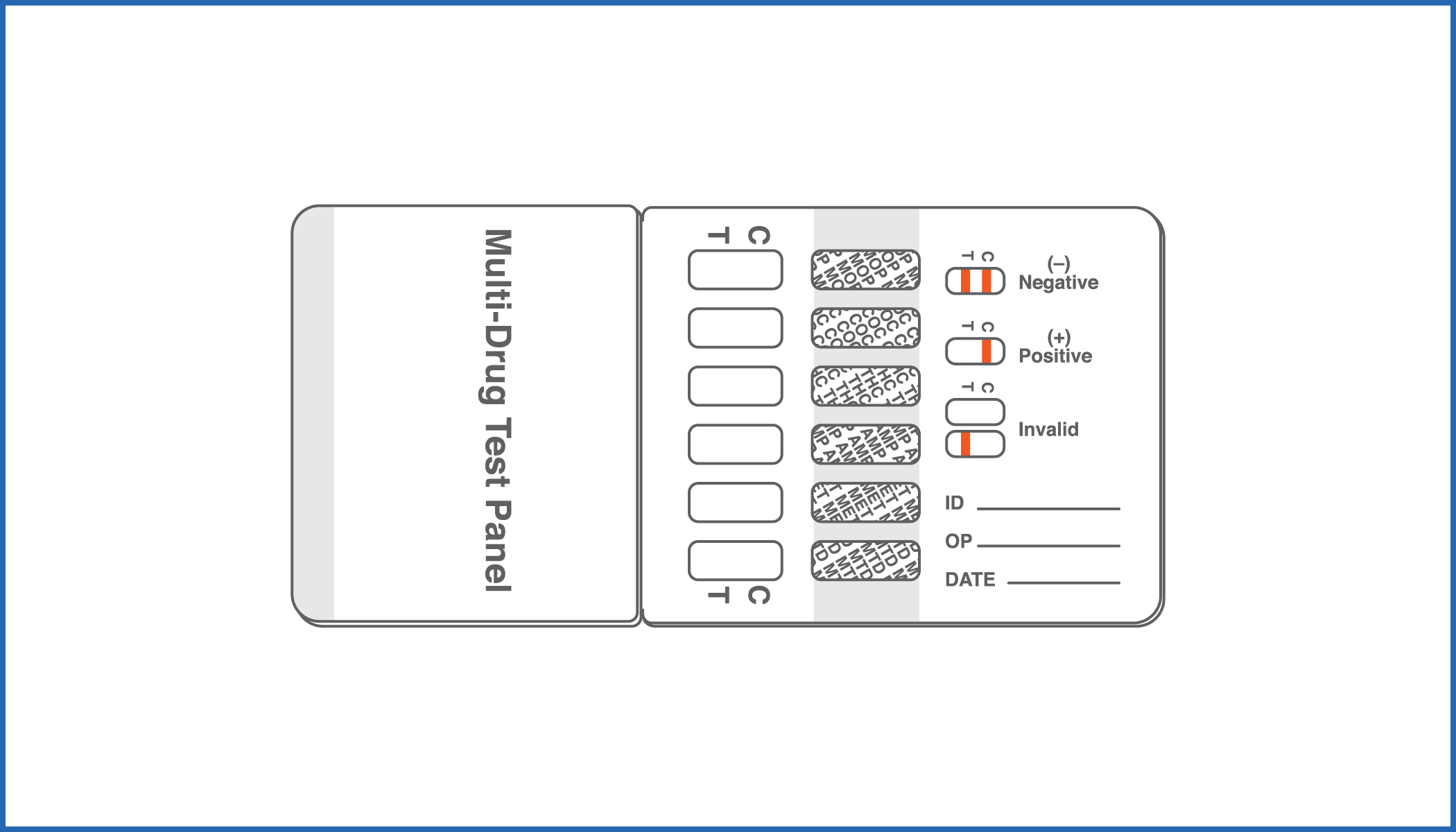
The MOP acronym specifically targets morphine, but it is important to note the technological nuance of “cross-reactivity.” Morphine is the primary metabolite of several substances, including heroin and codeine. Therefore, the MOP test is designed as an “opiate” screen with a specific sensitivity to the morphine molecule.
In a standard lateral flow assay—the technology used in “dip-cards”—the MOP strip contains a membrane coated with morphine-protein conjugates. A separate pad contains gold-labeled antibodies. If no morphine is present in the sample, the antibodies bind to the conjugates on the membrane, creating a visible line. If morphine is present, it competes for the antibody binding sites. This competitive inhibition technology is a marvel of microfluidics, allowing for a binary digital-style readout (positive or negative) based on a specific chemical threshold, often set at 300 ng/mL or 2,000 ng/mL by federal standards.
Engineering Sensitivity and Cut-off Levels
The “Tech” in MOP testing is largely defined by the calibration of cut-off levels. These are not arbitrary numbers but are programmed into the biochemical architecture of the test. Engineers must balance sensitivity (the ability to detect low levels of a substance) with specificity (the ability to avoid false positives from non-target substances). Advances in monoclonal antibody production have allowed MOP tests to become increasingly precise, reducing the likelihood that common over-the-counter medications will trigger a positive result through structural similarity.
The Evolution of Screening: From Lateral Flow to Digital Readers
While the physical test strip is the most visible aspect of the MOP designation, the diagnostic industry is undergoing a digital transformation. The manual interpretation of “lines on a strip” is being replaced by sophisticated optical imaging systems and digital readers.
Optical Sensors and Signal Quantification
Modern diagnostic hardware now utilizes high-resolution optical sensors to read MOP results. These devices eliminate human error and subjectivity in interpreting “faint lines.” By using specific wavelengths of light to analyze the colorimetric change on the MOP test strip, the hardware can quantify the concentration of the substance with a higher degree of accuracy than the human eye.
This shift toward digital reading allows for the immediate conversion of biological data into digital records. Once the sensor identifies the MOP reaction, the data is transmitted to a Laboratory Information Management System (LIMS), where it is timestamped, encrypted, and logged. This integration of hardware and software ensures a chain of custody that is vital for legal and professional environments.
The Role of Microfluidics in Rapid Testing
The technology that powers the MOP indicator is also becoming more miniaturized. Lab-on-a-chip (LOC) technology is the next frontier for drug screening. These devices integrate several laboratory functions on a single integrated circuit only millimeters to a few square centimeters in size. By using microfluidic channels, a tiny amount of fluid can be analyzed for MOP and other indicators simultaneously, with the results processed by an onboard microprocessor. This represents a significant leap from traditional “wet chemistry” toward a more “tech-centric” diagnostic model.
Laboratory Precision: GC-MS and the Software of Confirmation
When an initial MOP screen returns a positive result, the technological process moves from the field to the laboratory for “confirmation.” This is where the most advanced analytical technology is deployed: Gas Chromatography-Mass Spectrometry (GC-MS) or Liquid Chromatography-Tandem Mass Spectrometry (LC-MS/MS).
Algorithmic Analysis of Molecular Weight
GC-MS is often referred to as the “gold standard” of forensic chemistry. In this process, the sample is vaporized and moved through a long capillary column. Different molecules move through the column at different speeds based on their physical properties—this is known as “retention time.”
The software associated with GC-MS instruments contains vast libraries of molecular fingerprints. As the MOP-related molecules emerge from the chromatography column, they are hit with an electron beam that breaks them into fragments. The mass spectrometer measures the mass-to-charge ratio of these fragments. The system’s software then compares this unique “fragmentation pattern” against its digital library to confirm with 99.9% certainty that the substance is indeed morphine.
Eliminating False Positives through Software Logic
One of the most critical roles of software in the MOP confirmation process is the ability to distinguish between morphine derived from illicit use and morphine derived from legal dietary sources, such as poppy seeds. Sophisticated algorithms can now analyze the presence of “marker” metabolites. For instance, the presence of the metabolite 6-monoacetylmorphine (6-MAM) is a definitive indicator of heroin use. If the software detects MOP (morphine) but fails to find 6-MAM or other specific markers within the spectral data, it can help forensic toxicologists determine the origin of the substance, providing a layer of analytical depth that simple test strips cannot achieve.
The Digital Shift: Data Security and Integrated Reporting
As MOP results move from the lab to the employer or clinician, the focus shifts to the technology of data management. The sensitivity of drug testing data requires a robust cybersecurity infrastructure to protect Personal Health Information (PHI).
Blockchain and Result Integrity
The emerging use of blockchain technology in diagnostic reporting is revolutionizing how MOP results are handled. By creating a decentralized, immutable ledger of the test results, organizations can ensure that the data has not been tampered with from the moment the sample was collected to the final report. This “Digital Chain of Custody” utilizes cryptographic hashing to secure the MOP status, providing an audit trail that is indispensable in high-stakes environments like professional sports or federal employment.
API Integration and Occupational Health Platforms
Modern businesses do not just receive a PDF of a drug test result. Instead, diagnostic labs use Application Programming Interfaces (APIs) to push MOP results directly into human resource management systems and occupational health platforms. This automation streamlines the “onboarding” process, where software triggers workflows based on the “Pass/Fail” status of the MOP indicator. The tech stack involved here—ranging from secure cloud storage to automated notification systems—ensures that data moves at the speed of modern commerce while maintaining strict privacy standards.
The Future of MOP Detection: AI and Wearable Biosensors
The trajectory of MOP detection technology is moving toward real-time monitoring and predictive analytics. The integration of Artificial Intelligence (AI) and Machine Learning (ML) is set to redefine how we interpret drug metabolites.
Machine Learning in Toxicology
AI models are currently being trained on massive datasets of toxicology reports to identify patterns that human analysts might miss. These algorithms can predict the metabolism rate of morphine based on an individual’s genetic markers and other physiological data. In the future, a “MOP positive” result might come with an AI-generated report detailing the exact time of ingestion and the likely dosage, based on a sophisticated analysis of metabolic decay curves.
Wearable Biosensing Technology
Perhaps the most disruptive technology on the horizon is the development of wearable biosensors capable of detecting morphine and other opioids through interstitial fluid or sweat. These devices use flexible electronics and enzyme-based sensors to provide continuous monitoring. Instead of a one-time “MOP” label on a urine cup, the technology would provide a continuous stream of data to a smartphone app. This “Digital Health” approach could revolutionize pain management for patients on prescribed morphine, ensuring they stay within therapeutic windows while alerting healthcare providers to potential misuse in real-time.
In conclusion, while the term “MOP” on a drug test stands for a single substance—morphine—it serves as a focal point for a vast array of technological innovations. From the microfluidic engineering of the initial screen to the massive computing power of GC-MS confirmation and the secure digital pipelines of result reporting, the MOP indicator is a testament to the sophistication of modern diagnostic technology. As we move into an era defined by AI and continuous monitoring, the way we detect, analyze, and report these chemical markers will only become more integrated into our digital lives.
aViewFromTheCave is a participant in the Amazon Services LLC Associates Program, an affiliate advertising program designed to provide a means for sites to earn advertising fees by advertising and linking to Amazon.com. Amazon, the Amazon logo, AmazonSupply, and the AmazonSupply logo are trademarks of Amazon.com, Inc. or its affiliates. As an Amazon Associate we earn affiliate commissions from qualifying purchases.