
In the competitive landscape of the global beverage industry, few brands have managed to cultivate as fierce and recognizable a corporate identity as Monster Energy. While competitors might focus on refreshment or tradition, Monster has carved out a multi-billion dollar niche by selling a lifestyle—packaged in a matte black can with a neon green claw mark. However, the core of this brand’s massive success isn’t just found in its extreme sports sponsorships or its edgy marketing campaigns; it is found in the liquid itself.
To ask “what does Monster Energy taste like” is to peel back the layers of one of the most successful sensory branding strategies in modern history. The taste is not an accident; it is a calculated component of a corporate identity designed to evoke power, rebellion, and high-intensity performance. In this analysis, we will explore how Monster Energy’s flavor profile serves as a cornerstone of its brand strategy and market dominance.

The Flavor of Aggressive Differentiation
The primary goal of any brand is differentiation—standing out in a crowded marketplace where consumer attention is a scarce commodity. When Monster Energy launched in 2002, the beverage market was dominated by traditional colas and lemon-lime sodas. Monster chose a different path, crafting a flavor profile that was intentionally “other.”
Breaking the Soda Mold
Monster Energy does not taste like a traditional soft drink. Its flavor is a complex, chemically-tinged fusion of tart citrus, intense sweetness, and a distinct medicinal undertone that comes from its blend of taurine, ginseng, and B-vitamins. From a brand strategy perspective, this “medicinal” edge is a feature, not a bug. By moving away from the familiar comfort of cola, Monster signaled to its audience that this was a functional tool for performance, not just a casual refreshment. The taste tells the consumer, “This is doing something to your body.”
The “Green” Profile: Why Sharpness Matters
The “Original” Monster (the green can) is often described as having an apple-like acidity mixed with an exotic fruit punch. However, the dominant sensation is sharpness. This acidity serves a branding purpose: it creates a physical “jolt” that mirrors the psychological “kick” of the caffeine. In the world of brand identity, alignment between the sensory experience and the marketing promise is vital. If Monster tasted like a mild grape juice, the “unleash the beast” slogan would feel hollow. The sharpness of the taste reinforces the brand’s aggressive, high-energy persona.
Lifestyle Branding through Palate Perception
Monster Energy has successfully pivoted from being a simple beverage to a lifestyle brand. Their identity is inextricably linked to the world of motocross, skateboarding, gaming, and the UFC. The taste of the product is designed to fit seamlessly into these high-adrenaline environments.
The Connection Between Adrenaline and Acidity
Research in sensory marketing suggests that consumers seek out specific flavors to match their desired emotional states. For the Monster consumer—often younger, active, and seeking “edge”—a flavor that is “too smooth” might be perceived as boring or weak. The syrupy, heavy, and carbonated intensity of Monster matches the high-octane environment of its marketing. When a gamer or an athlete drinks a Monster, the taste acts as a sensory anchor for the focus and intensity they are trying to achieve.
Consistency as a Brand Promise
From a corporate identity standpoint, consistency is the hallmark of trust. No matter where you are in the world, a Green Monster tastes exactly the same. This consistency is difficult to achieve given the complex chemical makeup of energy drinks, yet Monster’s supply chain and quality control ensure that the “Monster experience” is universal. This reliability builds immense brand equity; the consumer knows exactly what “edge” they are buying, reinforcing their loyalty to the claw.
Visual Identity vs. Sensory Reality
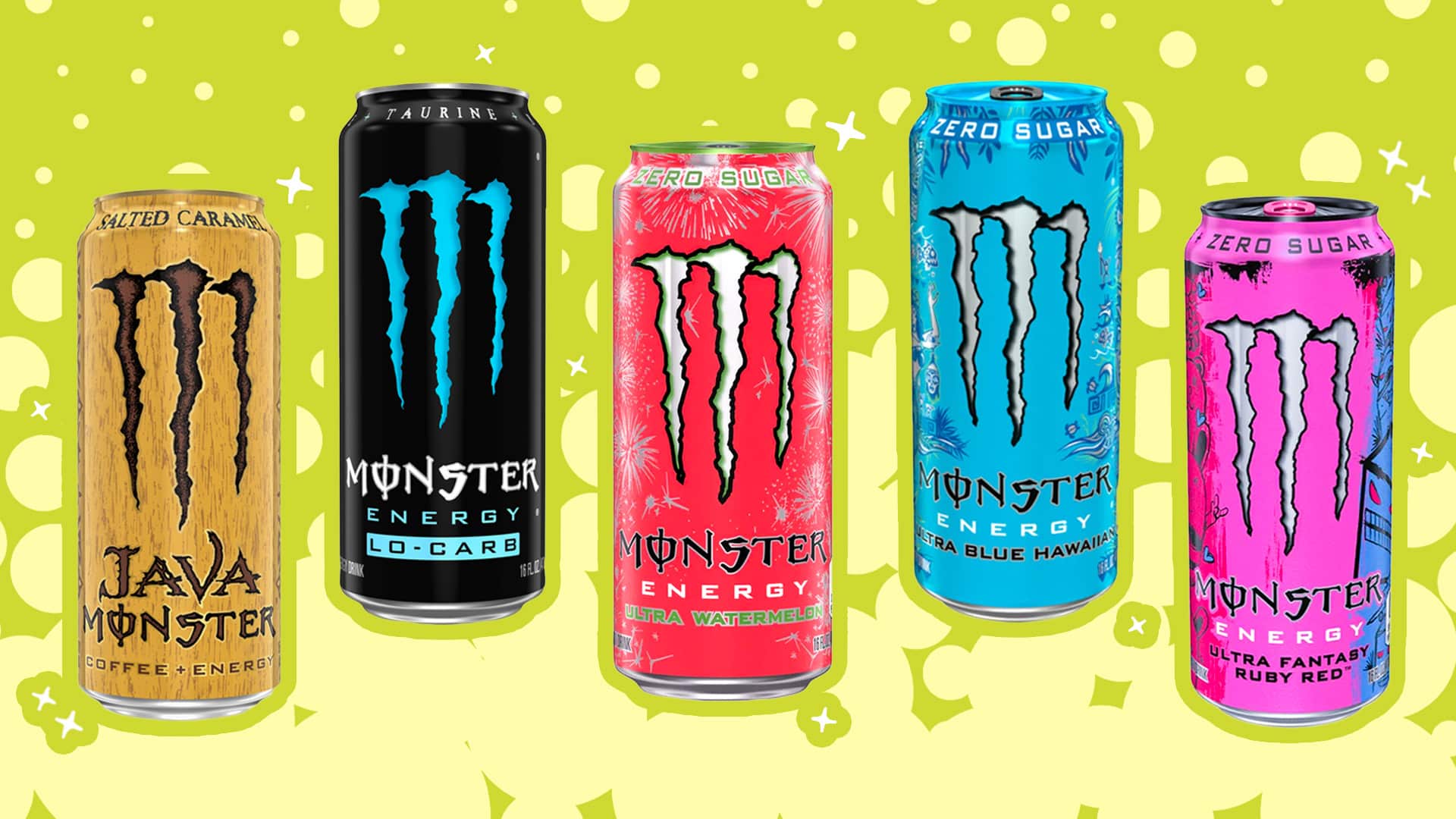
A brand is a holistic experience where the visual, auditory, and gustatory elements must work in harmony. Monster Energy is a masterclass in how visual packaging sets the stage for sensory perception.
The Iconic “M” Claw and Flavor Association
The neon green of the Monster claw is one of the most recognizable logos in the world. Interestingly, the color green in the food industry often denotes “lime,” “sour,” or “energy.” By choosing this specific hue, Monster primed the consumer’s brain to expect a sharp, zingy flavor long before the can was ever opened. This is a classic example of cross-modal perception, where the visual identity of the brand dictates how the actual taste is interpreted by the consumer.
Packaging Design as a Taste Precursor
The physical act of opening a Monster can is part of the brand’s “taste.” The loud, high-pressure “crack” and “hiss” of the carbonation, followed by the immediate scent of synthetic citrus, prepares the palate. The 16-ounce “tallboy” can also plays a role. It feels substantial and heavy in the hand, suggesting a more potent and intense experience than a standard 12-ounce soda. Every aspect of the packaging is designed to make the taste feel “larger than life.”
Market Positioning and Consumer Psychology
To understand the taste of Monster, one must understand the psychology of the “acquired taste.” Like coffee or craft beer, Monster Energy has a flavor profile that can be polarizing. However, in brand strategy, being “everything to everyone” is often a recipe for mediocrity.
The Ritual of the First Sip
For many loyalists, the taste of Monster is part of a daily ritual. Whether it’s the early morning “eye-opener” for a construction worker or the late-night “fuel” for a software developer, the specific sweetness and carbonation level of Monster act as a psychological trigger. The brand has moved beyond the palate and into the realm of habit-forming behavior. The taste becomes associated with productivity and the “win,” making the brand an essential partner in the consumer’s daily life.
Emotional Connection and Brand Loyalty
Monster doesn’t just sell caffeine; it sells the feeling of being part of a tribe. Because the taste is so distinct—and to some, unconventional—consuming it becomes a badge of identity. It separates the “Monster Army” from those who prefer the corporate polish of Red Bull or the domesticity of Starbucks. This “us vs. them” mentality, fueled by a unique taste profile, is a powerful driver of long-term brand health and market share.
The Evolution of the Monster Portfolio
As the brand grew, it faced a challenge: how to maintain its “rebel” identity while expanding to a broader, more health-conscious audience. The solution lay in diversifying the taste narrative without losing the brand’s core essence.
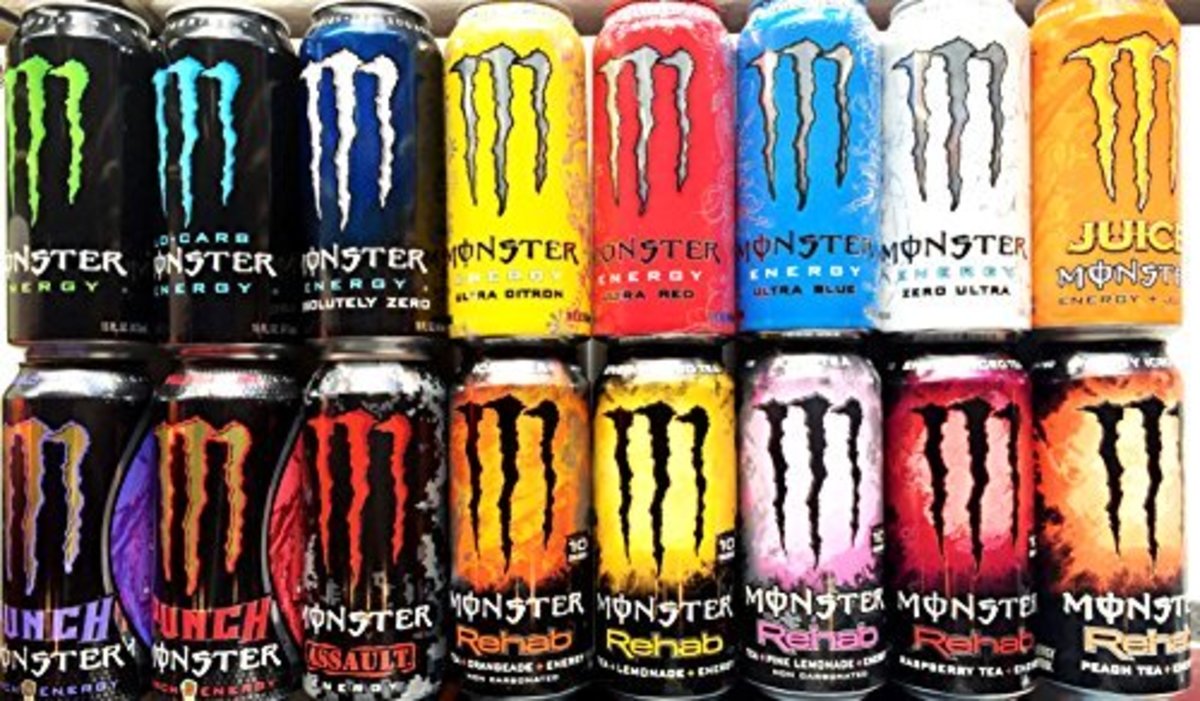
Expanding the Taste Narrative (Ultra, Juice, Java)
The “Monster Ultra” line (the white can) was a strategic masterpiece in brand expansion. By offering a zero-sugar, lighter, and more citrus-forward flavor, Monster captured a demographic that found the original flavor too heavy or sweet. However, they kept the iconic branding and the “kick.” Similarly, the “Juice” and “Java” lines allowed Monster to enter the juice and coffee markets while maintaining the “Monster” attitude. They didn’t just change the taste; they translated the brand identity into new sensory categories.
Future-Proofing the Brand through Innovation
Monster’s R&D department is constantly iterating on flavor. From the watermelon of “Reign” (their performance sub-brand) to the boozy “The Beast Unleashed” (their entry into the flavored malt beverage market), the brand uses taste as a tool for market penetration. Each new flavor is a new entry point for a different consumer, yet they all share the common DNA of being bold, intense, and unapologetically Monster.
In conclusion, the taste of Monster Energy is far more than a simple combination of sugar and caffeine. It is a sophisticated manifestation of the brand’s corporate strategy. It is designed to be sharp enough to differentiate, intense enough to match a high-adrenaline lifestyle, and consistent enough to build global loyalty. By treating the liquid inside the can as a vital part of its brand identity, Monster Energy has ensured that its flavor is not just tasted—it is experienced. When a consumer cracks open a can, they aren’t just drinking a beverage; they are consuming a brand identity that has been meticulously crafted to be as bold and unforgettable as the taste itself.
aViewFromTheCave is a participant in the Amazon Services LLC Associates Program, an affiliate advertising program designed to provide a means for sites to earn advertising fees by advertising and linking to Amazon.com. Amazon, the Amazon logo, AmazonSupply, and the AmazonSupply logo are trademarks of Amazon.com, Inc. or its affiliates. As an Amazon Associate we earn affiliate commissions from qualifying purchases.