
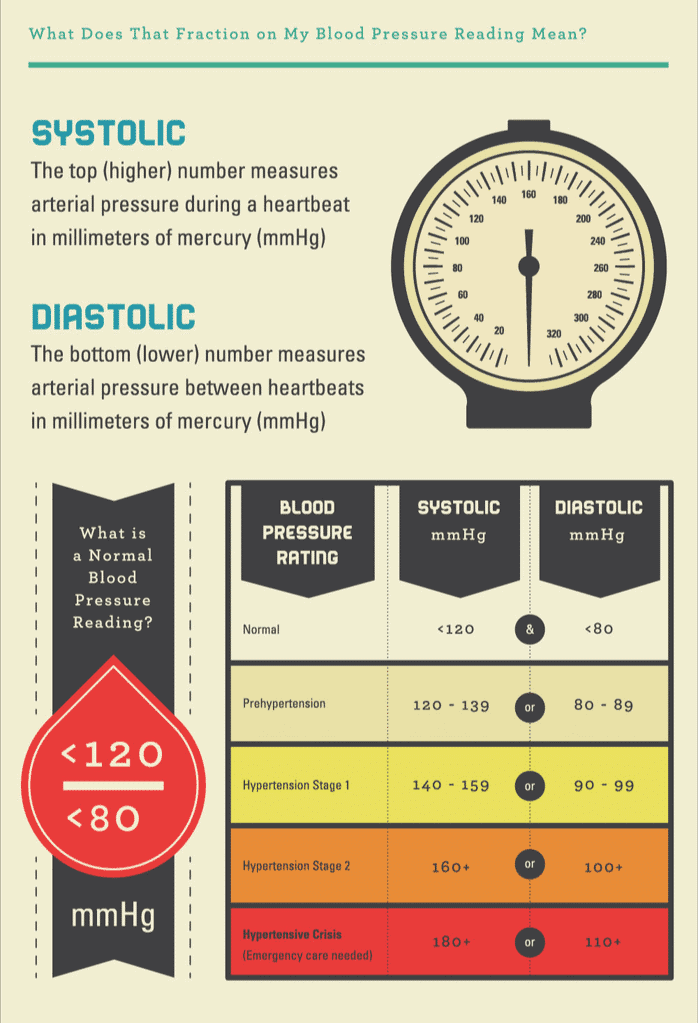
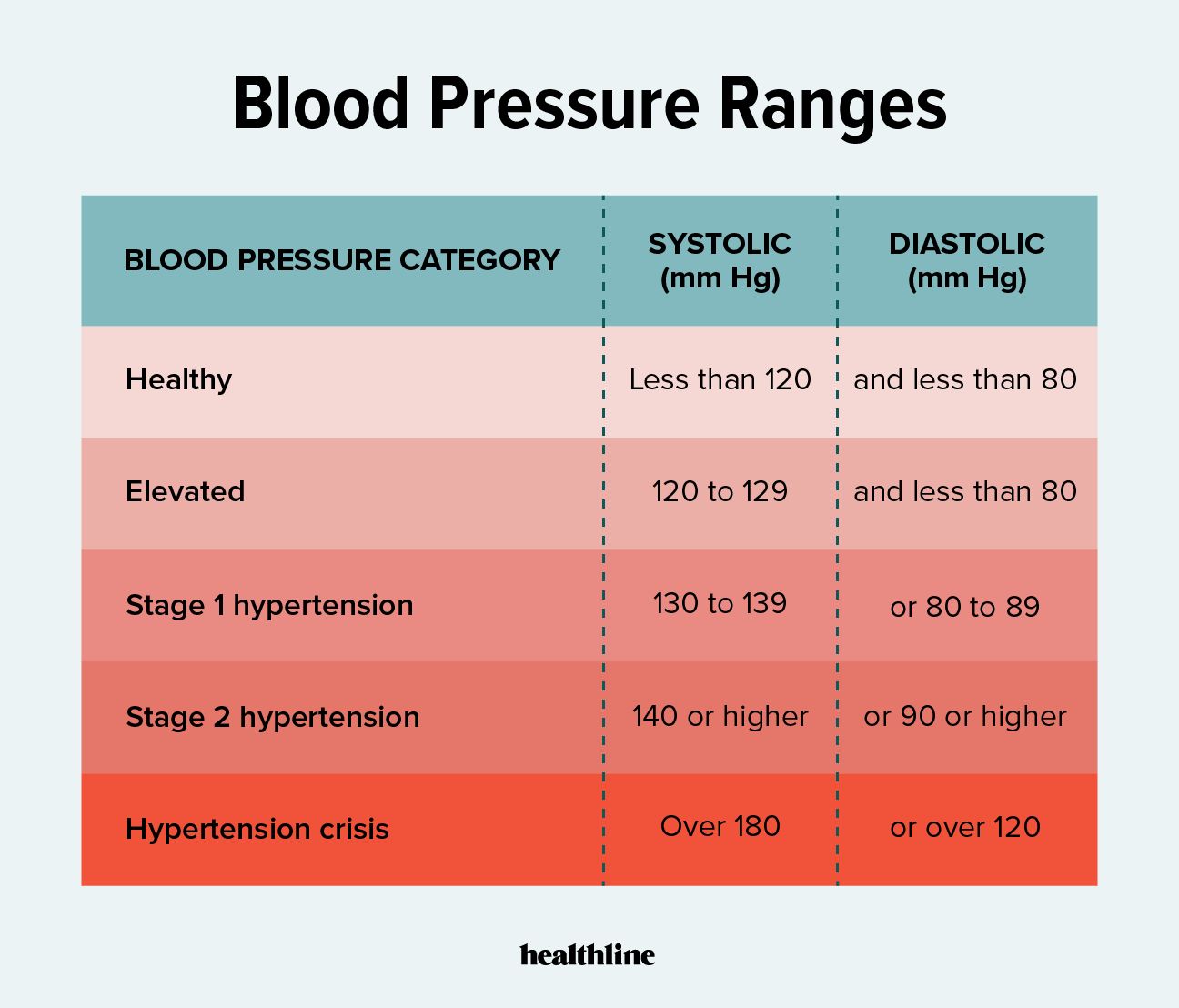
In the lexicon of modern health technology and industrial engineering, few units of measurement are as ubiquitous yet as frequently misunderstood as “mmHg.” Standing for “millimeters of mercury,” this metric serves as the global gold standard for measuring pressure—most notably in clinical settings for blood pressure monitoring, but also in specialized fields like vacuum physics and meteorology. As we move deeper into the era of the Internet of Things (IoT) and high-precision wearable tech, understanding what mmHg means from a technical perspective is essential. It is no longer just a number on a doctor’s chart; it is a critical data point processed by sophisticated sensors, filtered by AI algorithms, and transmitted via cloud architectures to provide real-time health insights.
The Engineering Heritage: From Physical Columns to Digital Standards
To understand the technological significance of mmHg, one must first look at its mechanical origins. The unit originates from the mercury barometer, a device invented in the 17th century. A millimeter of mercury represents the extra pressure generated by a column of mercury one millimeter high. While the physical use of liquid mercury has been phased out in modern tech due to toxicity and the convenience of digital alternatives, the unit remains the foundational language of pressure sensing.
The History of the Millimeter of Mercury
The “mmHg” standard is technically equivalent to one “torr,” named after Evangelista Torricelli. In early engineering, measuring pressure required a physical medium. Mercury was chosen because its high density allowed for relatively short, manageable columns compared to water. For centuries, this was an analog process. However, as the digital revolution took hold, the challenge for engineers was to translate this physical displacement of liquid into a digital signal that a processor could interpret. This transition marked the birth of modern pressure-sensing technology.
The Transition to Digital Piezoelectric Sensors
In contemporary technology, we rarely use actual mercury. Instead, we use transducers that convert mechanical pressure into an electrical signal. The most common technology used to report mmHg today is the piezoelectric or piezoresistive sensor. When pressure is applied to a specialized silicon diaphragm, the material’s electrical resistance changes. The hardware then calculates the force and converts it back into the “mmHg” scale to ensure compatibility with global standards. This conversion is a marvel of micro-engineering, allowing a sensor smaller than a grain of rice to provide readings that once required a three-foot glass tube.
Wearable Tech and the mmHg Digital Revolution
The most significant tech trend involving mmHg is its integration into consumer electronics. Ten years ago, measuring pressure in mmHg required a bulky, inflatable cuff. Today, tech giants are racing to integrate “cuffless” pressure monitoring into smartwatches, rings, and even earbuds. This shift represents a massive leap in optical and haptic engineering.
Optical vs. Oscillometric Measurements
Traditional digital monitors use the oscillometric method. This involves a motor-driven pump that inflates a cuff to detect vibrations in the arterial wall. However, the next generation of tech—seen in prototypes from companies like Apple and Samsung—utilizes Photoplethysmography (PPG). This involves shining LED light through the skin to detect changes in blood volume. The tech challenge here is immense: engineers must develop algorithms that can translate light reflection patterns into an accurate mmHg value. This is where software meets physics; the “noise” of movement, skin tone, and ambient light must be filtered out to provide a precise pressure reading.
Challenges in Calibration and Accuracy
The primary hurdle for tech companies today is not just measuring pressure, but maintaining the accuracy of the mmHg output. Because PPG-based sensors are indirect, they require frequent calibration against a “true” gold-standard device. The software architecture behind these devices often includes a “calibration layer” where the user inputs a manual mmHg reading, and the device’s machine-learning model adjusts its baseline. Ensuring that a wearable can stay within a 5-10 mmHg margin of error is currently one of the most rigorous testing phases in health-tech hardware development.

The Role of AI and Data Analytics in Interpreting Pressure Metrics
In the world of Big Data, a single mmHg reading is just a snapshot. The real value lies in the longitudinal tracking and the algorithmic interpretation of that data. Tech platforms are no longer just reporting the numbers; they are contextualizing them through advanced AI models.
Predictive Health Monitoring and Machine Learning
Modern health-tech ecosystems use AI to analyze “pressure trends” rather than isolated mmHg points. For example, an AI model can correlate a spike in mmHg with data from an accelerometer (detecting stress or exercise) or a GPS (detecting altitude changes). By using “Time-Series Analysis,” software can predict hypertensive crises before they happen. This predictive capability is transforming the “mmHg” from a reactive measurement into a proactive digital tool. The software doesn’t just say “your pressure is 130 mmHg”; it says, “your pressure has trended 5% higher over the last three days, correlating with poor sleep data.”
Integrating mmHg Data into the IoT Ecosystem
The “Internet of Medical Things” (IoMT) allows mmHg data to flow seamlessly between devices. A smart scale, a wearable watch, and a dedicated home monitor can all feed into a unified cloud database. This interoperability is governed by protocols like FHIR (Fast Healthcare Interoperability Resources), which ensure that when a device records an “mmHg” value, it is tagged with metadata regarding the device’s state, the user’s posture, and the time of day. This creates a high-fidelity digital twin of the user’s cardiovascular system, accessible to tech-enabled healthcare providers in real-time.
The Future of Pressure-Sensing Hardware: Beyond the Surface
As we look toward the next decade, the tech used to measure and report mmHg is becoming even more invisible and integrated. We are moving away from external devices and toward “bio-integrated” electronics.
Solid-State Sensors and Miniaturization
The future of mmHg measurement lies in MEMS (Micro-Electro-Mechanical Systems) that are becoming increasingly sophisticated. Engineers are now developing “solid-state” pressure sensors that do not require any moving parts or fluid-filled chambers. These sensors utilize graphene and other 2D materials that are sensitive to the slightest molecular pressure changes. Because these materials are so thin, they can be integrated into “electronic skin” or temporary tattoos that monitor mmHg continuously throughout the day without the user ever feeling a pulse or a squeeze.
Non-Invasive Continuous Monitoring via Ultrasound
One of the most exciting frontiers in pressure tech is the use of miniaturized ultrasound-on-a-chip. Researchers are developing wearable patches that use ultrasonic waves to “see” the diameter of deep-seated arteries. By measuring the expansion and contraction of these vessels, the chip can calculate the internal mmHg with a level of precision that matches invasive arterial lines used in ICUs. The transition of this technology from high-end medical labs to consumer-facing gadgets will represent the ultimate evolution of the “mmHg” metric—moving it from a manual, occasional check to a constant, high-definition stream of digital data.
Conclusion: The Tech-Driven Legacy of mmHg
What does mmHg mean in the context of modern technology? It is the bridge between a 300-year-old physical principle and the cutting-edge future of bio-sensing. While the “mercury” in the name is a relic of the past, the “millimeter” remains a vital unit of precision in the digital age.
From the piezoelectric sensors in our smartphones to the AI-driven analytics in the cloud, mmHg is the standard language that allows our devices to understand the physical pressures of our world and our bodies. As we continue to innovate in the realms of MEMS, AI, and wearable hardware, the way we capture and interpret this metric will only become more seamless, turning a simple measurement into a powerful tool for life-saving technology and data-driven insights. In the intersection of tech and health, mmHg remains the most important three-syllable acronym for understanding the pressure of existence.
aViewFromTheCave is a participant in the Amazon Services LLC Associates Program, an affiliate advertising program designed to provide a means for sites to earn advertising fees by advertising and linking to Amazon.com. Amazon, the Amazon logo, AmazonSupply, and the AmazonSupply logo are trademarks of Amazon.com, Inc. or its affiliates. As an Amazon Associate we earn affiliate commissions from qualifying purchases.