
Microsoft is no longer just the “Windows and Office” company that defined the personal computing era of the 1990s. Today, it stands as a diversified technological powerhouse with an ecosystem that spans from the silicon in its data centers to the augmented reality headsets used in industrial manufacturing. To understand what Microsoft sells is to understand the modern digital fabric of both enterprise business and consumer life. The company’s revenue streams are categorized into three primary segments: Productivity and Business Processes, Intelligent Cloud, and More Personal Computing.
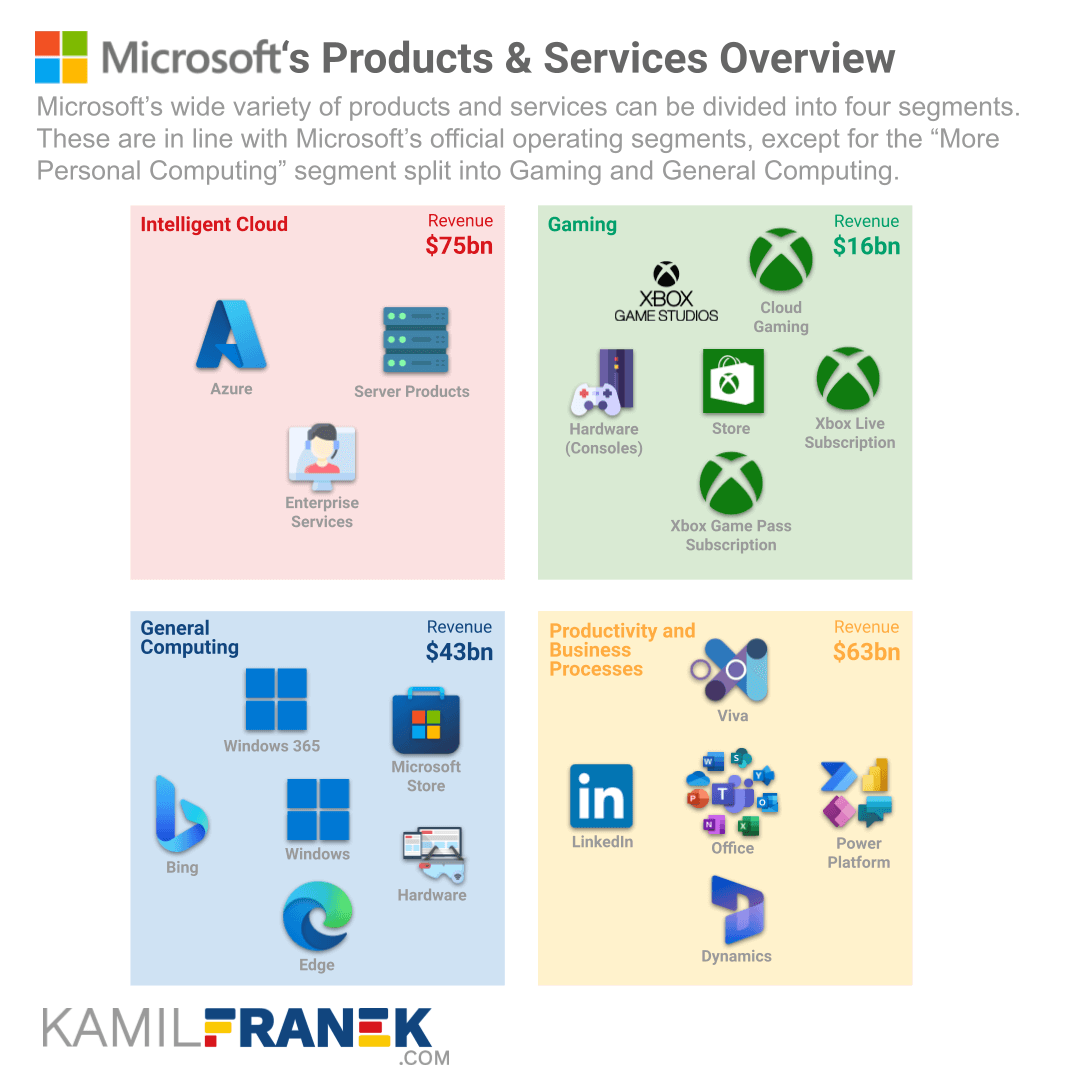
Within these segments lies a vast array of software, hardware, and services designed to capture every facet of the digital experience. From the developer writing code on GitHub to the gamer exploring virtual worlds on an Xbox, Microsoft’s reach is nearly universal.
Operating Systems and the Personal Computing Core
At its foundation, Microsoft remains a platform company. The core of its identity is built upon the software that allows humans to interact with hardware. While the delivery model has shifted from one-time licenses to service-based subscriptions, the operating system remains a critical pillar of their sales strategy.
Windows: The Backbone of Global Computing
Windows remains the most widely used desktop operating system in the world. Microsoft sells Windows in several ways. First, through OEM (Original Equipment Manufacturer) licenses, where computer makers like Dell, HP, and Lenovo pay Microsoft to pre-install Windows on their devices. Second, through volume licensing for enterprises, which includes advanced security features, management tools, and virtualization rights. Windows 11, the current flagship, serves as the gateway to Microsoft’s other services, integrating deeply with cloud storage and AI-driven features.
Surface Hardware: Where Software Meets Premium Design
Microsoft sells a line of premium hardware under the Surface brand. This includes the Surface Pro (tablets that replace laptops), Surface Laptop, Surface Studio (all-in-one desktops for creatives), and Surface Hub (large-scale collaboration screens for boardrooms). By selling its own hardware, Microsoft demonstrates the “ideal” implementation of its software, competing directly with Apple’s integrated ecosystem. These devices are marketed toward professionals and students who require high performance and touch-integrated workflows.
Peripherals and Specialized Hardware
Beyond computers, Microsoft sells a range of peripherals, including keyboards, mice, and webcams. Additionally, they occupy a niche in the industrial and enterprise space with HoloLens—a mixed-reality headset. Unlike consumer VR, HoloLens is sold to industries like healthcare, engineering, and defense, providing “mixed reality” overlays that allow workers to see digital data superimposed on the physical world.
Productivity Suites and the Modern Workplace
Microsoft’s most recognizable products fall under its productivity umbrella. This sector has undergone a massive transformation from static desktop applications to a dynamic, cloud-connected suite of tools that facilitate remote work and global collaboration.
Microsoft 365: The SaaS Revolution
Formerly known as Office 365, Microsoft 365 is a Software-as-a-Service (SaaS) offering sold via monthly or annual subscriptions. It includes the classic applications—Word, Excel, PowerPoint, and Outlook—but adds cloud-centric tools like OneDrive for storage and Exchange for enterprise-grade email. Microsoft sells various tiers of this service, ranging from personal and family plans to highly complex Enterprise (E3, E5) tiers that include advanced compliance, analytics, and security features.
Collaboration Tools: Teams and Viva
In the wake of the shift toward hybrid work, Microsoft Teams has become a central product. While often bundled with Microsoft 365, it is a standalone platform for chat, video conferencing, and project management. Microsoft also sells “Viva,” an employee experience platform that sits within Teams, offering tools for internal communications, knowledge management, and productivity insights. These tools are sold to organizations looking to digitize their corporate culture and streamline communication across distributed teams.
Professional Services and LinkedIn
Microsoft’s acquisition of LinkedIn brought a massive social and professional data asset into its portfolio. Microsoft sells LinkedIn Talent Solutions (for recruiters), Marketing Solutions (for B2B advertising), and Premium Subscriptions for individuals. Additionally, they sell LinkedIn Learning, a massive library of video courses aimed at professional development. This segment allows Microsoft to capture revenue from the “human capital” side of technology.
The Cloud Revolution: Azure and Enterprise Solutions
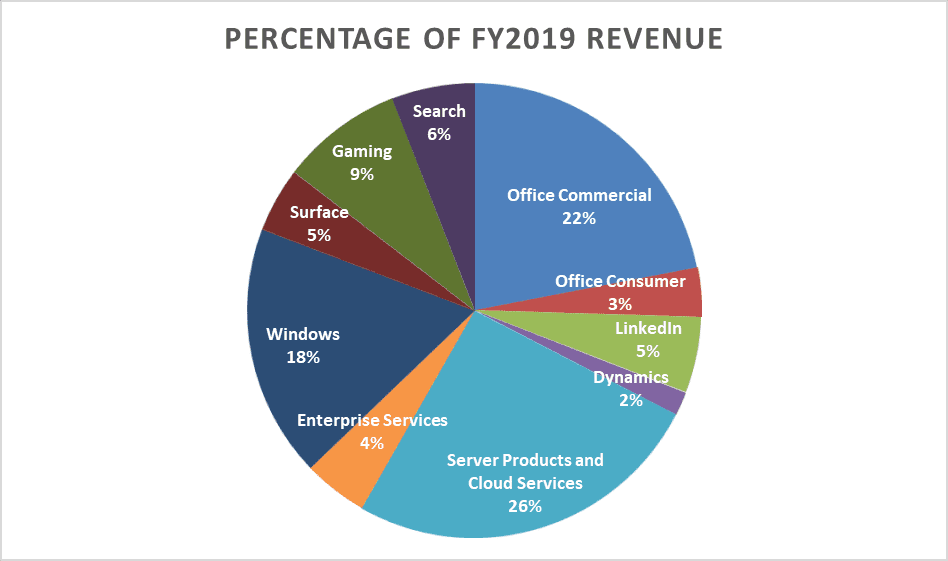
The most significant driver of Microsoft’s growth over the last decade has been the “Intelligent Cloud.” This represents a shift away from on-premise servers toward decentralized, scalable computing power hosted in Microsoft’s global network of data centers.
Microsoft Azure: Infrastructure and Platform Services
Azure is a comprehensive suite of cloud services that allows businesses to build, deploy, and manage applications without owning physical servers. Microsoft sells Azure through a “pay-as-you-go” or consumption-based model. Key offerings within Azure include:
-
Compute: Virtual machines and container services.
-
Storage: Scalable cloud storage for massive datasets.
-
Networking: Virtual private networks and content delivery networks (CDNs).
-
Databases: Managed SQL and NoSQL database services.
-
AI and Machine Learning: Tools that allow developers to integrate speech recognition, computer vision, and language processing into their own apps.
Cybersecurity and Identity Management
As digital threats evolve, Microsoft has become one of the world’s largest security vendors. They sell advanced security solutions like Microsoft Defender, Microsoft Sentinel (a cloud-native SIEM), and Microsoft Entra (formerly Azure AD) for identity and access management. For many enterprises, these security products are the “glue” that keeps their digital infrastructure safe, making them an essential part of the Microsoft sales portfolio.
Dynamics 365: ERP and CRM
Microsoft competes directly with companies like Salesforce and SAP through Dynamics 365. This is a suite of Enterprise Resource Planning (ERP) and Customer Relationship Management (CRM) software. It helps businesses manage their sales pipelines, customer service operations, finance, and supply chains. By integrating Dynamics with Microsoft 365 and Azure, Microsoft sells a “unified” view of business data that few competitors can match.
Gaming and Consumer Entertainment
Microsoft is one of the “big three” players in the global gaming industry. Its gaming strategy has shifted from selling individual boxes and discs to building a platform-agnostic subscription ecosystem.
Xbox Ecosystem: Consoles and Content
Microsoft sells the Xbox Series X and Series S consoles, which serve as the hardware entry point for its gaming ecosystem. However, the hardware is often sold at thin margins to get users into the software environment. Microsoft sells first-party games developed by its massive roster of studios, which now includes heavyweights like Bethesda (ZeniMax) and Activision Blizzard. This means Microsoft owns and sells iconic franchises like Call of Duty, Halo, Minecraft, The Elder Scrolls, and Forza.
Xbox Game Pass and Cloud Gaming
The “Netflix for Games” model is central to Microsoft’s current gaming sales. Xbox Game Pass is a monthly subscription service that provides access to hundreds of games on consoles, PCs, and mobile devices. Microsoft also sells “Xbox Cloud Gaming,” allowing users to stream high-end games to low-power devices like smartphones or smart TVs. This reflects a shift from selling products (games) to selling access (subscriptions).
The Era of Artificial Intelligence and Future Horizons
The most recent and perhaps most transformative addition to Microsoft’s catalog is its suite of Artificial Intelligence tools. Through a multi-billion dollar partnership with OpenAI, Microsoft has positioned itself at the forefront of the generative AI revolution.
Copilot: The AI Assistant
Microsoft is now selling “Copilot,” an AI assistant integrated across its entire product line. There is Copilot for Windows, Copilot for Microsoft 365 (which helps write documents or analyze spreadsheets), and Copilot for Sales. These are sold as add-on subscriptions or integrated into premium tiers, representing a new way for the company to monetize software through utility and automation.
GitHub and Developer Tools
Microsoft owns GitHub, the world’s leading platform for software development and version control. They sell GitHub Enterprise subscriptions to companies and “GitHub Copilot” to individual developers. Copilot for developers is an AI tool that suggests code in real-time, significantly increasing programming efficiency. By selling to the people who build the world’s software, Microsoft ensures its tools remain the standard for the next generation of tech innovation.
Power Platform: Low-Code/No-Code Solutions
To empower non-technical users, Microsoft sells the Power Platform. This includes Power BI (business analytics), Power Apps (app development), and Power Automate (workflow automation). These tools are sold to businesses that want to digitize processes quickly without hiring a full team of developers, effectively selling the “democratization of technology.”
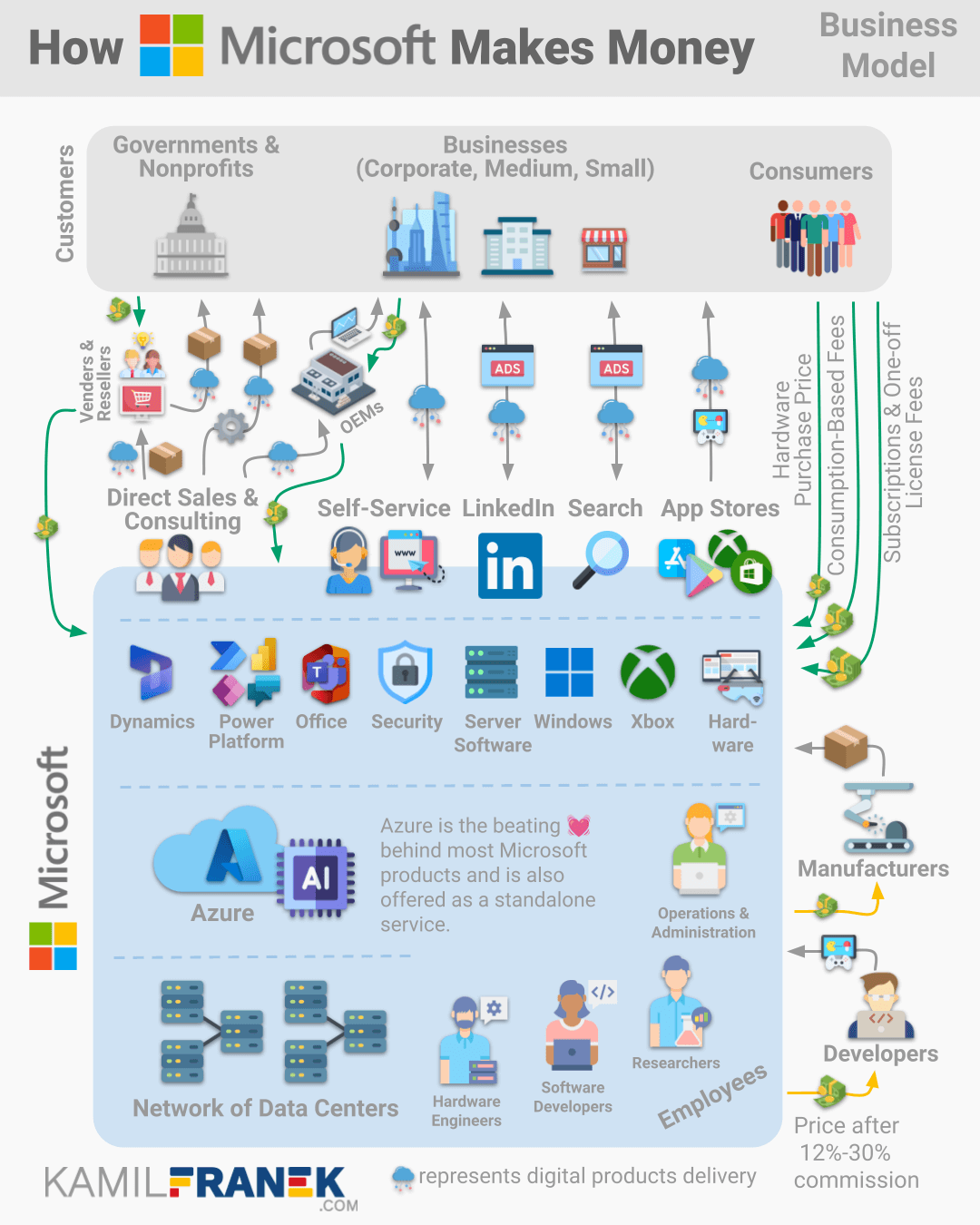
In summary, what Microsoft sells is an interconnected web of digital capabilities. Whether it is the infrastructure of the cloud, the tools of productivity, the thrill of gaming, or the intelligence of AI, Microsoft’s products are designed to be the foundational layer upon which the modern world operates. By diversifying across hardware, software, and services, they have moved beyond being a vendor to becoming an essential utility for the 21st century.
aViewFromTheCave is a participant in the Amazon Services LLC Associates Program, an affiliate advertising program designed to provide a means for sites to earn advertising fees by advertising and linking to Amazon.com. Amazon, the Amazon logo, AmazonSupply, and the AmazonSupply logo are trademarks of Amazon.com, Inc. or its affiliates. As an Amazon Associate we earn affiliate commissions from qualifying purchases.