
Micron Technology stands as a global titan in the semiconductor industry, a foundational pillar of the digital age. Far from being a niche player, Micron is one of the world’s leading providers of innovative memory and storage solutions, products that are absolutely critical to the functionality of virtually every electronic device and digital system we interact with daily. From the smartphones in our pockets and the computers on our desks to the colossal data centers powering the cloud and the sophisticated AI systems driving future innovations, Micron’s technology forms the invisible, yet indispensable, infrastructure that enables the modern digital experience. Understanding “what Micron does” is to understand a significant portion of how information is processed, stored, and accessed across the globe.
At its core, Micron designs, develops, manufactures, and markets a comprehensive portfolio of memory and storage products. These are not merely components; they are the intellectual property and precision-engineered physical assets that dictate speed, capacity, efficiency, and reliability in a world increasingly hungry for data. The company’s profound impact stems from its relentless pursuit of technological advancement in the highly competitive and capital-intensive semiconductor landscape, continually pushing the boundaries of what’s possible in terms of memory performance and data density.
Micron’s Core Business: Memory and Storage Innovation
Micron’s strategic focus is on two primary categories of semiconductor memory: Dynamic Random-Access Memory (DRAM) and NAND Flash. These two technologies, though distinct in their function, are complementary and together form the backbone of modern computing and data storage.
DRAM: The Engine of Computing Performance
DRAM, or Dynamic Random-Access Memory, is Micron’s flagship product and a cornerstone of contemporary computing. It serves as the primary working memory for almost all digital devices, providing the rapid, temporary storage needed for a CPU to execute programs, process data, and manage operating systems. When you open an application, load a webpage, or render a complex graphic, it is DRAM that holds the instructions and data momentarily, allowing for swift access and seamless multitasking.
Micron is a leading innovator in DRAM technology, consistently pushing the envelope on density, speed, and power efficiency. Its extensive portfolio includes various types of DRAM tailored for specific applications:
- LPDRAM (Low-Power DRAM): Crucial for mobile devices like smartphones and tablets, where battery life is paramount. Micron’s LPDRAM enables longer usage times while still delivering high performance for demanding apps and multimedia.
- DDR (Double Data Rate) SDRAM: The standard for personal computers and enterprise servers. Micron produces the latest generations, such as DDR5, which offers significantly increased bandwidth and reduced power consumption compared to its predecessors, vital for high-performance computing tasks and large-scale data processing.
- Graphics DRAM (GDDR): Engineered for graphics cards in gaming PCs, workstations, and AI accelerators, GDDR memory delivers extremely high bandwidth to handle the immense data throughput required for rendering complex visuals and performing parallel computations.
- High-Bandwidth Memory (HBM): A revolutionary type of stacked memory that offers unparalleled bandwidth, HBM is critical for advanced AI systems, supercomputing, and high-performance data center applications where every nanosecond of data access time matters.
Micron’s expertise in DRAM extends beyond raw specifications. The company invests heavily in process technology, enabling the fabrication of smaller, more efficient memory cells, which translates into higher capacity modules without increasing physical size. This continuous innovation ensures that Micron remains at the forefront of powering the next generation of computing platforms, from edge devices to exascale supercomputers.
NAND Flash: Pervasive Data Storage
NAND Flash memory is the other critical half of Micron’s core business, serving as the technology behind non-volatile storage solutions. Unlike DRAM, NAND Flash retains data even when power is turned off, making it ideal for permanent storage. It has fundamentally transformed how we store and access data, largely replacing older, slower mechanical hard drives in many applications.
Micron has been instrumental in the development and proliferation of advanced NAND technologies. Its contributions include:
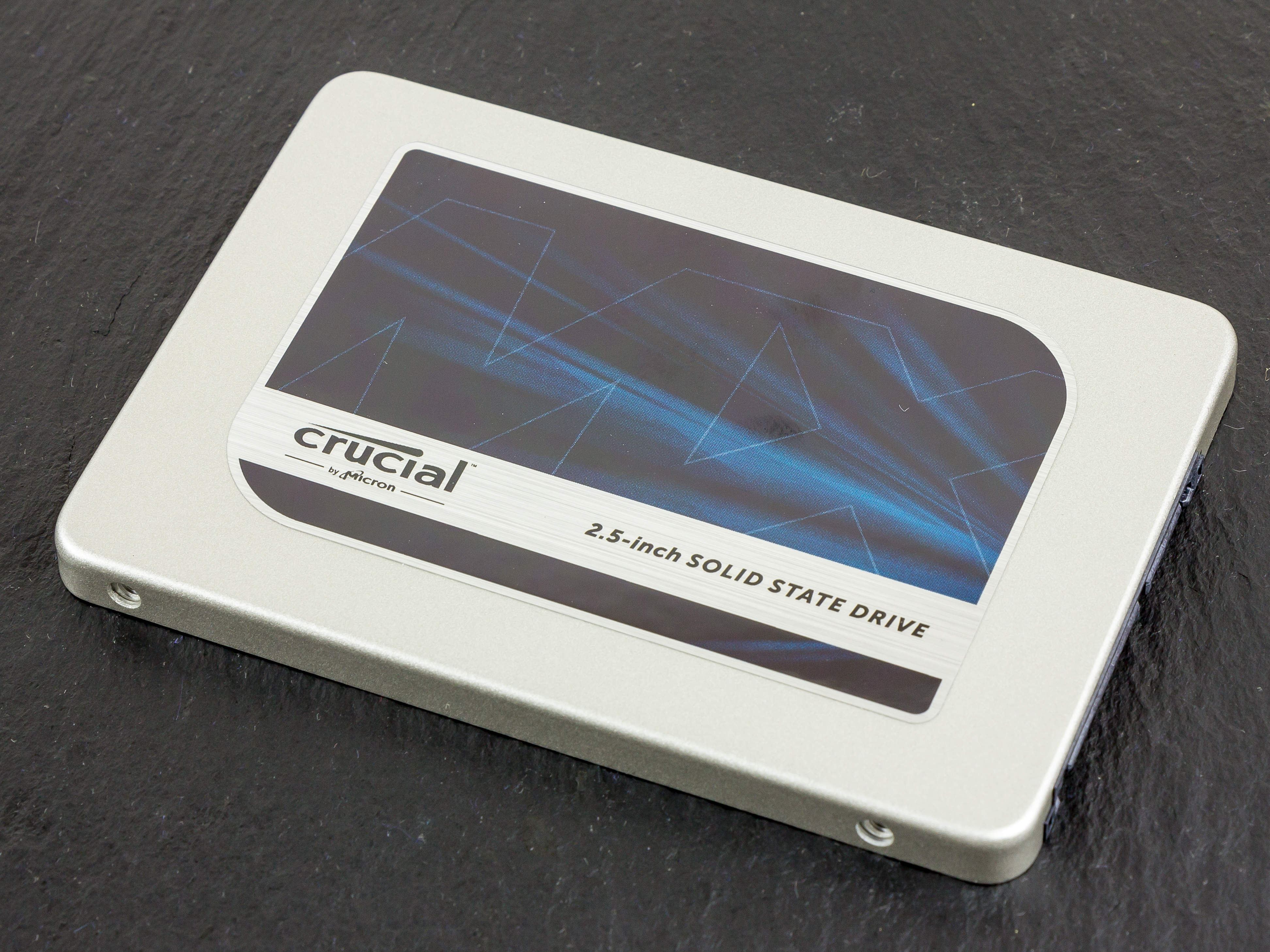
- Solid-State Drives (SSDs): Micron is a major supplier of NAND for client SSDs (in PCs and laptops) and enterprise SSDs (in data centers and servers). These devices offer vastly superior speed, durability, and power efficiency compared to traditional hard drives, dramatically improving system boot times, application loading, and overall responsiveness.
- Embedded Flash Solutions: NAND is integrated into countless devices, from smartphones (e.g., Universal Flash Storage or UFS) and tablets to smart TVs and automotive systems. Micron’s embedded solutions enable quick access to operating systems, applications, and user data.
- Removable Storage: Though less of a direct focus for Micron’s branded products, their NAND technology powers a vast array of USB drives, SD cards, and other portable storage media.
A significant innovation in NAND Flash has been the transition to 3D NAND. Instead of purely planar cell arrangements, 3D NAND stacks memory cells vertically, allowing for far greater density and capacity within a smaller footprint. Micron has been a leader in 3D NAND development, continuously increasing the number of layers and optimizing cell architecture to deliver higher capacities, improved endurance, and better performance for demanding storage applications. This technological leap has been crucial for meeting the exponential growth in data generation and the increasing demand for high-capacity, high-speed storage solutions across all sectors.
Driving Innovation Across Diverse Markets
Micron’s memory and storage solutions are not confined to a single market; their versatility and performance make them essential across a vast spectrum of industries, powering the digital transformation in unique ways for each.
Data Center and Cloud Computing
The modern data center is a sprawling, interconnected ecosystem, and Micron’s technologies are fundamental to its operation. With the explosive growth of cloud services, big data analytics, and virtualization, data centers demand memory and storage solutions that offer unparalleled speed, capacity, and reliability. Micron provides:
- Enterprise-Grade SSDs: Designed for intensive workloads, these NVMe and SATA SSDs offer high endurance, consistent performance, and data integrity features critical for mission-critical applications, databases, and virtualization platforms.
- High-Capacity DRAM Modules: Server DRAM modules, including DDR4 and DDR5, are optimized for maximum density and stability, enabling servers to handle more virtual machines, larger datasets, and more concurrent user requests with efficiency.
- Emerging Memory Technologies: Micron is actively involved in developing and promoting technologies like Compute Express Link (CXL), which allows for memory pooling and sharing, enhancing resource utilization and flexibility in data center architectures for future AI and high-performance computing workloads.
Micron’s solutions enable data centers to scale effectively, reduce latency, and lower operational costs, forming the backbone of cloud services, enterprise applications, and the global internet.
Mobile and Client Devices
In the realm of personal electronics, Micron plays a pivotal role in delivering the responsiveness and power efficiency users demand.
- Smartphones and Tablets: Micron’s LPDRAM (Low-Power DDR) and UFS (Universal Flash Storage) solutions are at the heart of many leading mobile devices. LPDRAM ensures smooth multitasking, rapid app loading, and seamless gaming, all while conserving battery life. UFS provides fast boot-up times, quick app launches, and rapid data transfer for photos, videos, and other media.
- Laptops and Desktops: Micron’s DRAM modules and client SSDs significantly enhance the user experience in personal computers. Faster memory means quicker application response, smoother video editing, and improved gaming performance. SSDs dramatically cut down boot times and make software feel snappier, breathing new life into older systems and maximizing the potential of new ones.
These components are meticulously designed to balance performance with power consumption, heat dissipation, and compact form factors, which are all crucial considerations for personal computing devices.
Automotive and Industrial
The automotive sector is undergoing a profound transformation driven by digital technology, and Micron is at the forefront of supplying the memory and storage required for this evolution.
- Advanced Driver-Assistance Systems (ADAS) & Autonomous Driving: Self-driving cars require immense processing power and reliable, high-speed memory to process real-time sensor data from cameras, radar, and lidar. Micron’s automotive-grade DRAM and NAND are built to withstand extreme temperatures, vibrations, and have extended longevity, ensuring safety and performance in critical systems.
- Infotainment and Connectivity: Modern vehicles are increasingly becoming mobile hubs, offering sophisticated infotainment systems, navigation, and seamless connectivity. Micron’s embedded memory and storage solutions power these features, ensuring quick boot times, responsive interfaces, and reliable data storage for maps, media, and over-the-air updates.
- Industrial Automation and IoT: In industrial settings and the vast ecosystem of the Internet of Things (IoT), reliability and durability are paramount. Micron provides robust memory and storage for industrial control systems, smart factories, robotics, and edge computing devices, enabling real-time data processing and long-term operation in challenging environments.
Micron’s commitment to rigorous testing and automotive qualifications ensures that their products meet the stringent demands of safety-critical applications.
AI and Machine Learning
Artificial Intelligence (AI) and Machine Learning (ML) are rapidly reshaping industries, and they are inherently data-intensive. Micron’s high-performance memory is critical to unleashing the full potential of AI.
- High-Bandwidth Memory (HBM): For training complex neural networks and executing large-scale AI models, HBM is indispensable. Its stacked architecture and wide data pathways allow AI accelerators (GPUs, TPUs) to access massive amounts of data at unprecedented speeds, significantly reducing bottlenecks and accelerating model training and inference.
- Specialized DRAM: Beyond HBM, other high-performance DRAM solutions are tailored to optimize data throughput for AI workloads, ensuring that the vast datasets used in AI algorithms can be quickly accessed and processed.
- High-Performance Storage: Fast NAND-based SSDs are essential for quickly loading datasets into memory for AI training, minimizing delays and maximizing the utilization of expensive computing resources.
Micron is actively collaborating with AI hardware developers to design memory solutions that can keep pace with the exponential growth in AI computing demands, from cloud-based AI training to edge AI inference.
Manufacturing Excellence and Supply Chain Leadership
Micron’s ability to deliver cutting-edge memory and storage solutions at scale is underpinned by its world-class manufacturing capabilities and a robust, globally integrated supply chain. This operational excellence is crucial for a capital-intensive industry where precision, yield, and efficiency directly impact competitiveness and market position.
Global Scale and Advanced Fabrication
Micron operates a sophisticated global manufacturing network comprising advanced wafer fabrication facilities (fabs), assembly, and test operations across the Americas, Asia, and Europe. These facilities leverage state-of-the-art lithography, deposition, and etching technologies to produce billions of memory cells on each wafer.
- Leading-Edge Process Nodes: Micron continually invests in developing and implementing the latest process technology nodes for both DRAM and NAND. Smaller process nodes enable higher memory density, lower power consumption, and improved performance, allowing for more capacity on a single chip. This involves intricate engineering and billions of dollars in R&D and capital expenditure.
- Vertical Integration: Micron maintains a high degree of vertical integration, controlling much of its design, manufacturing, and assembly processes. This allows for tighter quality control, faster innovation cycles, and greater responsiveness to market demands.
- Advanced Packaging: Beyond the silicon itself, Micron focuses on advanced packaging technologies, such as stacking memory dies and integrating them with logic chips, which is critical for high-bandwidth solutions like HBM and for creating compact, power-efficient modules for mobile and edge devices.
This extensive global footprint ensures a reliable supply chain and allows Micron to respond to fluctuations in demand, while its focus on advanced manufacturing processes positions it at the forefront of memory technology.
Research and Development: Shaping the Future
Innovation is the lifeblood of the semiconductor industry, and Micron’s substantial investment in Research and Development (R&D) is a testament to its commitment to long-term leadership. Micron’s R&D teams are tasked with solving some of the most complex challenges in materials science, electrical engineering, and manufacturing process development.
- Next-Generation Architectures: R&D efforts are focused on developing the next generations of DRAM and NAND, exploring new memory cell structures, interconnections, and even entirely new memory types that could offer unprecedented performance or efficiency.
- Materials Science and Physics: Micron scientists explore novel materials that can improve charge retention, reduce leakage currents, and enhance the overall reliability and endurance of memory cells. This includes working at atomic scales to refine the fundamental physics of memory operation.
- Ecosystem Collaboration: Micron actively collaborates with industry partners, academic institutions, and standards bodies to define future memory interfaces and architectures (like CXL or Gen-Z), ensuring its products are compatible with the evolving computing landscape.
This relentless pursuit of innovation ensures that Micron remains ahead of the curve, providing the foundational technologies that will power the next waves of digital transformation and intelligent systems.
Impact on the Digital World and Future Outlook
Micron Technology’s role in the global economy and technological progress is profound and pervasive. While often working behind the scenes, its contributions are fundamental to enabling virtually every aspect of the modern digital experience and driving future advancements.
Enabling Digital Transformation
Micron’s products are not merely components; they are enablers of digital transformation across every sector. They empower:
- Cloud Computing and Big Data: Providing the speed and capacity for vast data processing and storage, underpinning everything from online streaming to scientific research.
- Artificial Intelligence and Machine Learning: Supplying the high-bandwidth memory crucial for training complex AI models and performing real-time inference, driving breakthroughs in healthcare, finance, and autonomous systems.
- 5G Connectivity and Edge Computing: Delivering the low-latency memory and storage needed for rapid data processing closer to the source, essential for the Internet of Things (IoT) and instant decision-making.
- Smart Cities and Automotive Innovation: Powering the intelligence within connected vehicles and urban infrastructure, enhancing safety, efficiency, and sustainability.
In essence, Micron provides the essential building blocks that allow other innovators to create, compute, and connect, making sophisticated technologies accessible and practical.
Sustainability and Corporate Responsibility
As a major global manufacturer, Micron recognizes its responsibility to operate sustainably and ethically. The company is committed to:
- Environmental Stewardship: Implementing initiatives to reduce energy consumption, water usage, and waste across its manufacturing operations, aligning with global efforts to combat climate change.
- Ethical Supply Chain: Ensuring responsible sourcing of materials and promoting fair labor practices throughout its complex global supply chain.
- Community Engagement: Investing in STEM education and community development programs in regions where it operates, fostering the next generation of engineers and technologists.
These efforts reflect a broader commitment to not just technological leadership but also responsible corporate citizenship.
The Road Ahead: Continuous Evolution
The demand for memory and storage is projected to continue its exponential growth, driven by ever-increasing data generation, the expansion of AI into new domains, and the proliferation of connected devices. Micron faces the continuous challenge of innovating faster, producing more efficiently, and diversifying its portfolio to meet these future demands.
The future holds exciting developments, including:
- Advanced Memory Architectures: Further development of CXL, Gen-Z, and other memory disaggregation technologies to optimize data center resource utilization.
- New Memory Types: Research into emerging memory technologies beyond DRAM and NAND that could offer even higher performance, lower power, or greater persistence.
- Increased Integration: Tighter integration of memory and logic chips, potentially leading to “in-memory computing” paradigms that vastly accelerate data processing.
Micron’s enduring success will hinge on its ability to navigate these technological frontiers, maintain its manufacturing prowess, and continue its legacy of relentless innovation.
In conclusion, “what Micron does” is provide the essential memory and storage solutions that power the vast majority of the world’s computing infrastructure and electronic devices. From enhancing the speed of your smartphone to enabling the most advanced AI algorithms, Micron’s technology is a silent but powerful force shaping our digital present and future. As the world becomes increasingly data-driven, Micron’s foundational contributions will only grow in importance, solidifying its position as an indispensable leader in the technological landscape.
aViewFromTheCave is a participant in the Amazon Services LLC Associates Program, an affiliate advertising program designed to provide a means for sites to earn advertising fees by advertising and linking to Amazon.com. Amazon, the Amazon logo, AmazonSupply, and the AmazonSupply logo are trademarks of Amazon.com, Inc. or its affiliates. As an Amazon Associate we earn affiliate commissions from qualifying purchases.