
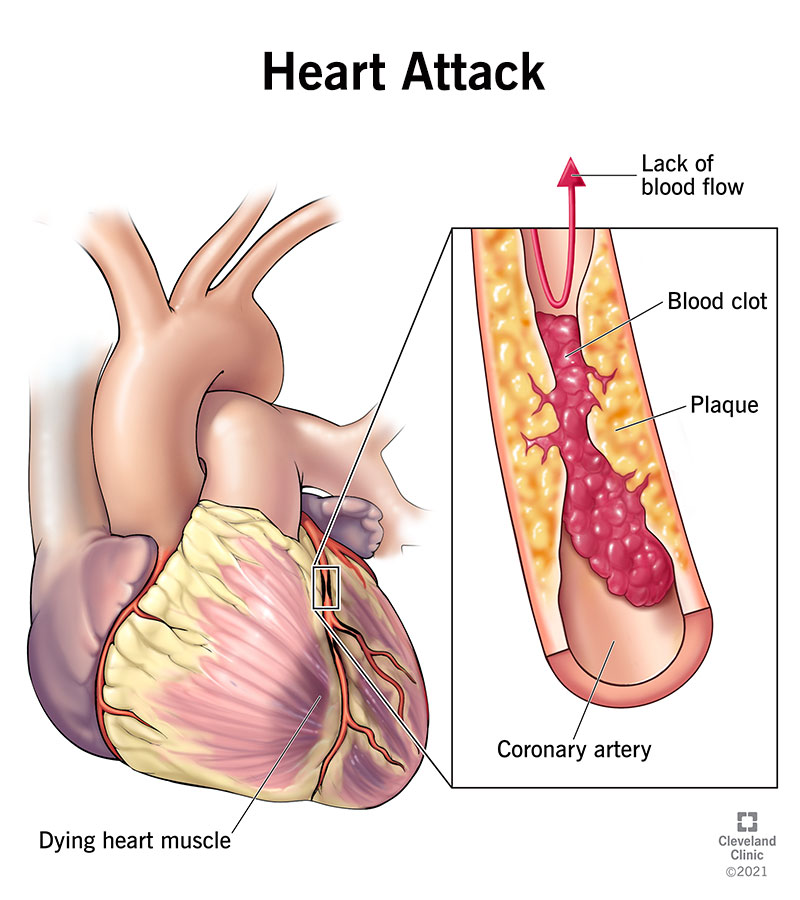
In the traditional clinical lexicon, the acronym MI stands for Myocardial Infarction, more commonly known as a heart attack. While the biological definition—a blockage of blood flow to the heart muscle—remains constant, the way the modern world identifies, monitors, and treats an MI has undergone a radical digital transformation. We are no longer living in an era where diagnosis relies solely on a doctor’s physical examination or a basic paper-strip EKG.
Today, the “MI” in medical terms is increasingly synonymous with the “MI” in Machine Intelligence. The intersection of high-speed computing, wearable sensors, and sophisticated algorithms is reshaping the landscape of cardiology. This article explores the technological ecosystem surrounding Myocardial Infarction, examining how cutting-edge software and hardware are saving lives through early detection and precision intervention.

The Digital Transformation of MI Diagnosis through Artificial Intelligence
The most critical factor in treating a Myocardial Infarction is time. In the tech world, this is often referred to as “latency.” In medicine, the phrase is “time is muscle.” The longer an MI goes untreated, the more heart tissue dies. To combat this, the tech industry has developed advanced AI-driven diagnostic tools that outperform traditional methods in both speed and accuracy.
AI-Enhanced Electrocardiogram (EKG) Interpretation
Historically, interpreting an EKG required a trained cardiologist to identify subtle patterns in wave fluctuations. Modern software platforms, powered by deep learning, can now analyze thousands of data points in seconds. These AI tools are trained on millions of historical EKG records, allowing them to detect “silent” MIs or subtle ST-elevation changes that the human eye might miss. Companies like AliveCor and Eko are leading the charge by integrating these algorithms into portable devices, ensuring that an MI can be flagged before the patient even reaches the emergency room.
Predictive Analytics and Risk Stratification
Beyond immediate diagnosis, technology is being used to predict the likelihood of an MI occurring in the first place. By utilizing Big Data and predictive modeling, hospitals can aggregate electronic health records (EHRs) to identify high-risk patients. These software tools look at variables such as heart rate variability, historical blood pressure data, and even socioeconomic factors to create a digital “risk score.” This shift from reactive to proactive tech-driven healthcare is the hallmark of the modern MedTech era.
Wearable Technology: The Rise of Continuous Cardiac Monitoring
One of the most significant shifts in the tech landscape over the last decade is the transition of medical-grade hardware into the hands of the consumer. What was once restricted to an Intensive Care Unit (ICU) is now strapped to the wrists of millions.
The Democratization of EKG Sensors
Gadgets like the Apple Watch, Samsung Galaxy Watch, and various Fitbit models have integrated FDA-cleared EKG sensors. For the user, the “MI” medical term takes on a practical meaning: a notification on their screen. These wearables use photoplethysmography (PPG) and electrical heart sensors to monitor for arrhythmias and signs of myocardial distress. This constant stream of data provides a longitudinal view of heart health that a single doctor’s visit could never capture.
Real-Time Data Streaming and Remote Patient Monitoring (RPM)
The true power of wearable tech lies in its connectivity. Remote Patient Monitoring (RPM) platforms allow data from a patient’s wearable to be streamed directly to a centralized cloud server. If a patient experiences symptoms of an MI, the device can automatically trigger an alert to a specialized monitoring center. This integration of the Internet of Medical Things (IoMT) ensures that the “golden hour” of treatment—the window where intervention is most effective—is never missed due to a lack of communication.
Precision Intervention: Robotics and Software in MI Treatment
Once an MI is confirmed, the technological intervention moves into the catheterization lab or the operating suite. The evolution of “Tech” here involves high-precision robotics and 3D-mapping software that allows surgeons to navigate the complex vascular system with unprecedented accuracy.
Robotic-Assisted Percutaneous Coronary Intervention (PCI)
In the event of an MI, the standard treatment is often a PCI (stenting). Robotic platforms like the Corindus CorPath System allow interventional cardiologists to perform these procedures via a digital console. Using a joystick and high-definition monitors, the surgeon can position stents with sub-millimeter precision. This reduces radiation exposure for the medical team and increases the procedural success rate by eliminating human tremors and manual measurement errors.
3D Heart Mapping and Digital Twins
One of the most exciting tutorials in modern medical training involves the use of “Digital Twins.” Before a complex surgery related to MI complications, software can create a 1:1 digital replica of a patient’s heart using MRI and CT data. Surgeons can then “rehearse” the procedure in a virtual environment. This software-driven approach minimizes surprises during the actual operation and allows for a customized treatment plan tailored to the specific anatomy of the patient’s blockage.
Digital Security and Data Privacy in Cardiac Care
As we lean more heavily on technology to manage Myocardial Infarction, the importance of digital security cannot be overstated. Every heartbeat recorded by a wearable and every scan stored in a hospital database represents sensitive personal information.
Securing the Internet of Medical Things (IoMT)
Medical devices are increasingly targets for cyberattacks. A compromised pacemaker or an encrypted hospital database can be a matter of life and death. Tech firms are now prioritizing “security by design,” implementing end-to-end encryption for cardiac data transmission. Blockchain technology is also being explored as a method to secure patient records, ensuring that data is immutable and accessible only to authorized personnel during an MI emergency.
Compliance and Cloud Infrastructure
Cloud providers like AWS, Google Cloud, and Microsoft Azure have developed specialized “Health Cloud” environments that are HIPAA-compliant. These platforms allow for the massive computational power needed for AI diagnostics while maintaining strict privacy standards. The tech infrastructure behind an MI diagnosis is a complex web of secure APIs and encrypted databases, ensuring that while the data flows quickly to save lives, it remains protected from malicious actors.
The Future of MI Tech: Genomics and Predictive AI Digital Twins
Looking ahead, the intersection of tech and cardiology is moving toward a molecular level. The next generation of technology will not just detect an MI; it will prevent it through genomic sequencing and advanced simulations.
Integrating Genomic Data into Tech Platforms
Bioinformatics is a rapidly growing tech sector that analyzes genetic predispositions to cardiovascular diseases. In the future, your digital health profile will include your “polygenic risk score.” Software will integrate this genetic data with real-time biometric data from your wearables to provide a hyper-personalized health forecast. This is the ultimate synthesis of biological “MI” and technical “Intelligence.”

The Evolution of the “Smart Hospital”
The future “Smart Hospital” will utilize AI tools to manage the flow of MI patients from the moment the ambulance—itself a mobile tech hub—arrives. Using computer vision and real-time location systems (RTLS), the facility can automate the preparation of the surgical suite, ensuring that the necessary hardware and staff are synchronized the moment the patient arrives. This level of automation represents the pinnacle of digital transformation in the healthcare sector.
In summary, while “MI” in medical terms stands for Myocardial Infarction, its modern management is entirely a story of Technology. From the AI that detects a heart attack on a smartwatch to the robotics that clear the blockage, we are witnessing a digital revolution. As software continues to evolve and hardware becomes even more non-invasive, the tech industry will continue to be the most vital partner in the global fight against heart disease. The future of cardiac health is not just in the hands of doctors, but in the code, the chips, and the clouds that power our modern world.
aViewFromTheCave is a participant in the Amazon Services LLC Associates Program, an affiliate advertising program designed to provide a means for sites to earn advertising fees by advertising and linking to Amazon.com. Amazon, the Amazon logo, AmazonSupply, and the AmazonSupply logo are trademarks of Amazon.com, Inc. or its affiliates. As an Amazon Associate we earn affiliate commissions from qualifying purchases.