
In the world of real estate investing, “due diligence” is the difference between a high-yield asset and a catastrophic financial liability. While most investors focus on structural integrity, market comps, and interest rates, there is a visceral, often overlooked risk that can decimate the valuation of a property overnight: clandestine drug production. Specifically, the presence of a former or active meth lab. For the modern investor, the ability to identify the chemical signatures of such a site is not just a matter of safety; it is a critical component of financial risk management.
Identifying the scent of a meth lab is the first line of defense in protecting your capital. If you are scouting a foreclosure, a distressed flip, or a multi-family unit, your olfactory senses are often more reliable than a quick visual inspection. Understanding what a meth lab smells like—and the financial ruin it represents—is essential for any serious portfolio manager or individual landlord.
Why Odor Detection is a Critical Skill for Property Investors
When we talk about “the smell of money” in real estate, we are usually referring to the scent of fresh paint and new carpet. However, a different kind of scent can signal a massive drain on your cash flow. The chemicals used in the production of methamphetamine are volatile, pervasive, and incredibly expensive to remediate once they have permeated the drywall, flooring, and HVAC systems of a building.
The Financial Impact of Chemical Contamination
The discovery of a meth lab on a property you own or are looking to purchase is a major financial event. Unlike common mold or minor water damage, meth contamination involves hazardous chemical residues that are governed by strict state and federal regulations. If a property is flagged as a former lab, it may be condemned until a certified industrial hygienist clears it.
The costs associated with this are three-fold. First, there is the direct cost of remediation, which can range from $5,000 to over $50,000 depending on the square footage and the level of “cook” that occurred. Second, there is the loss of rental income during the months the property sits vacant for cleaning. Finally, there is the permanent “stigma” attached to the property’s history, which can lower the resale value by 10% to 20% even after it has been cleared.
Due Diligence Beyond the Surface Level
Traditional home inspections often miss the signs of chemical manufacturing because inspectors are focused on code compliance and mechanical systems. As an investor, you must conduct a sensory audit. If you walk into a potential investment and something smells “off,” it shouldn’t just be ignored as a lack of cleanliness. It should be investigated as a potential threat to your Return on Investment (ROI).
Identifying the Scents: The Chemical Profile of Risk
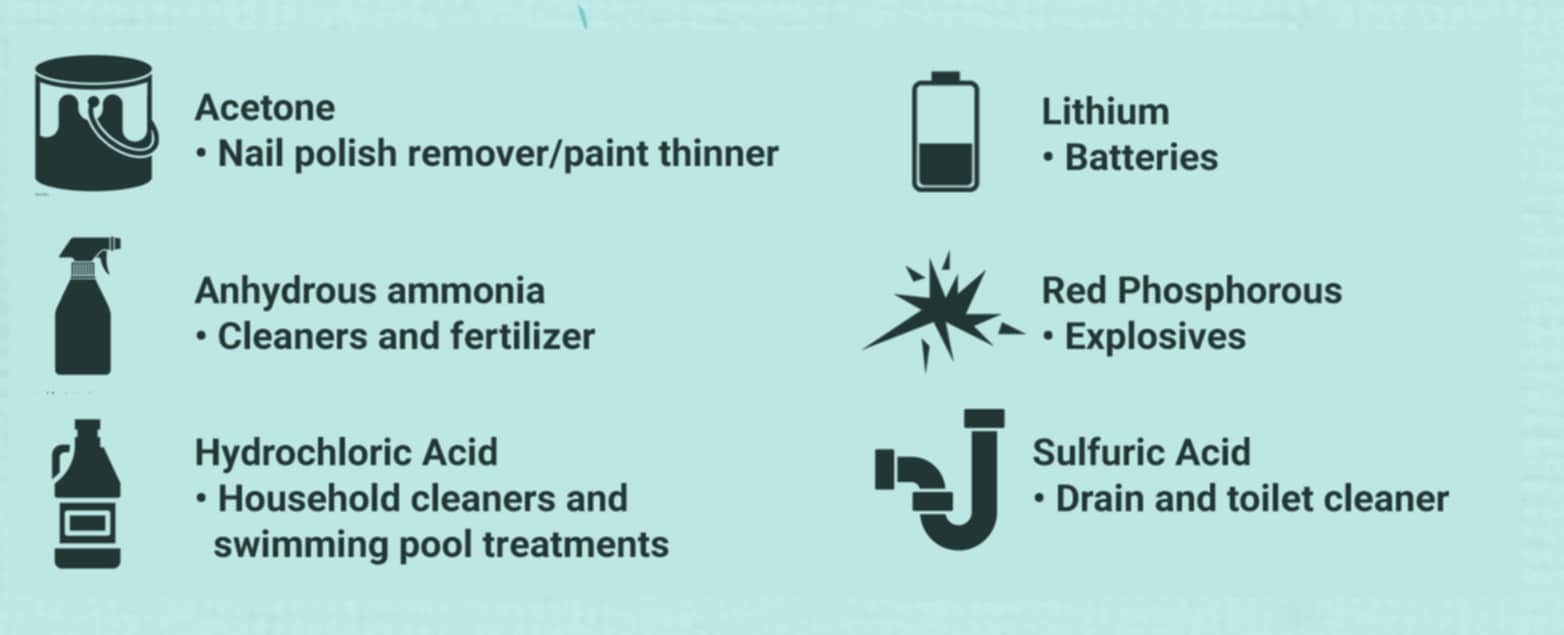
Methamphetamine is produced using a variety of household and industrial chemicals. Because these “labs” are often makeshift, the ventilation is poor, causing the odors to saturate the environment. There is no single “meth smell,” but rather a cocktail of chemical odors that vary depending on the production method used (such as the “Shake and Bake” method or the Red Phosphorus method).
The “Cat Urine” or Ammonia Red Flag
One of the most common descriptions of a meth lab’s scent is a powerful, overwhelming smell of ammonia. While a dirty apartment might smell faintly of pet waste, the ammonia used in meth production is industrial-grade. It is sharp, stinging to the nostrils, and often lingers long after the inhabitants have left.
For an investor, this is a particularly dangerous scent because it is easy to misdiagnose. A landlord might assume the previous tenant simply had too many cats and plan for a simple carpet replacement. However, if that ammonia smell is actually the result of anhydrous ammonia used in a “Birch reduction” meth cook, the walls themselves may be off-gassing toxic fumes. Treating it as a simple pet odor issue will lead to a failed investment when the “pet smell” refuses to dissipate after thousands of dollars in cosmetic repairs.
Sweet, Ether-Like, or Rotten Egg Aromas
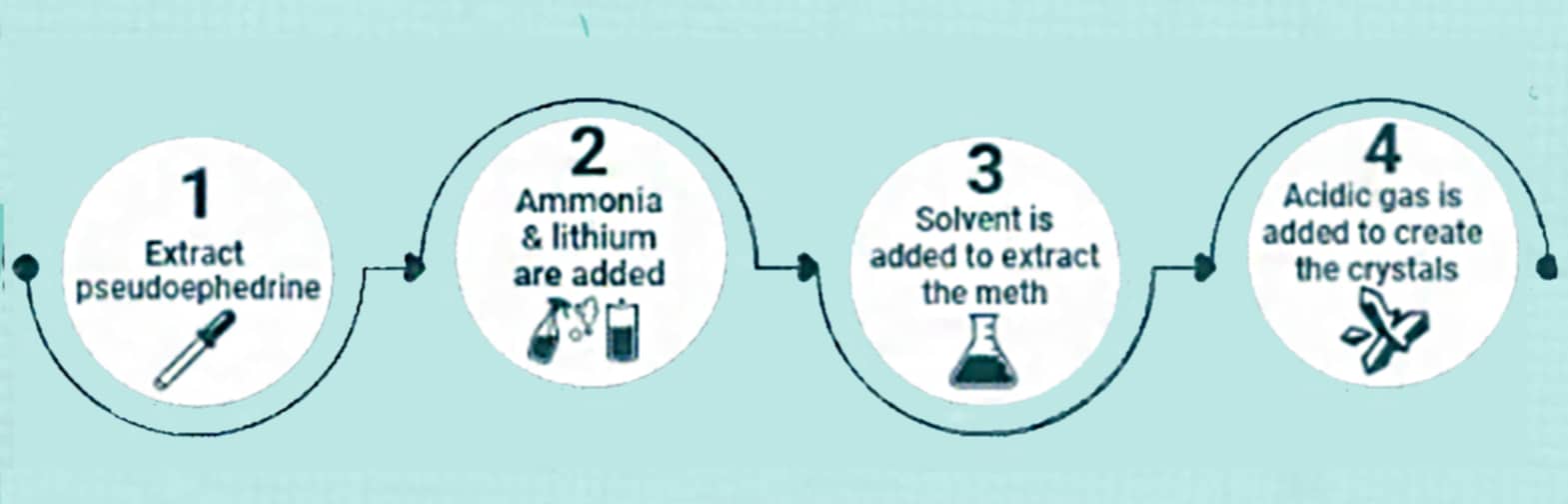
Not all labs smell like cleaning supplies. Depending on the stage of the process, you may encounter a range of other distinct chemical signatures:
- The Ether/Hospital Smell: Many investors report a medicinal or “sweet” chemical smell. This is often caused by the use of starting fluids or solvents. It smells like a sterile hospital wing mixed with a paint thinner.
- Rotten Eggs or Sulfur: This is a byproduct of the cooking process involving phosphorus or sulfur-based compounds. While sometimes mistaken for a natural gas leak or sewer issues, a persistent sulfur smell in a property with no gas utility is a major red flag.
- The “New Construction” Solvent Smell: If a property smells strongly of acetone (fingernail polish remover) or paint thinner, but there is no evidence of recent renovation work, it is highly likely that chemical solvents are being used or stored on-site.
Beyond the Smell: Evaluating the Financial Liability of Contaminated Sites
If your nose alerts you to a potential issue, the next step is a cold, hard look at the numbers. Contamination isn’t always a deal-breaker, but it must be priced into your acquisition strategy. A property with meth residue is a “distressed asset” in the truest sense of the word.
Remediation Costs vs. Profit Margins
Professional remediation is not a DIY project. It involves stripping the property down to the studs in many cases. Porous materials like carpets, curtains, and even laminate countertops must be disposed of as hazardous waste. The HVAC ductwork, which acts as a circulatory system for chemical vapors, usually needs to be replaced entirely.
If you are a house flipper, these costs must be subtracted from your After Repair Value (ARV). If your margin on a flip was projected at $40,000, and remediation costs $30,000, your profit is effectively wiped out once you factor in the holding costs and the increased difficulty of securing traditional financing for a stigmatized property.
Legal Implications and Insurance Coverage
From a business finance perspective, the liability of owning a contaminated property is significant. If you lease a unit that was previously a meth lab without proper remediation, and the new tenants suffer health issues (such as respiratory problems or skin rashes), you could face a massive lawsuit.
Furthermore, most standard landlord insurance policies do not cover “pollution” or “chemical contamination” resulting from illegal acts unless specifically added as a rider. This means the investor often bears the full brunt of the cleanup costs out of pocket. Before closing on a suspect property, it is vital to consult with a legal professional regarding disclosure laws in your jurisdiction, as many states require permanent disclosure of a property’s history as a drug lab.
Strategic Risk Management for Landlords and Flippers
Smart investing is about mitigating risk before it manifests as a loss. Incorporating “smell checks” and chemical awareness into your standard operating procedures can save you from a “money pit” scenario.
Implementing Inspection Protocols
For landlords managing existing portfolios, regular inspections are a financial necessity. Train your property managers to look for and smell for these signs during quarterly walk-throughs. Beyond the smell, they should look for:
- Unusual amounts of trash, specifically containers of lye, HEET, or stripped lithium batteries.
- Coffee filters stained with red or blue substances.
- Windows that are blacked out or sealed with aluminum foil (to hide the light and trap odors).
- Modified ventilation, such as fans blowing out of windows in unusual rooms.

Leveraging Technology and Professional Assessments
If you suspect a property you are about to purchase has been used as a lab, do not rely solely on your senses. For a few hundred dollars, you can purchase a “meth swab kit” or hire a professional to conduct field testing. In the context of a six-figure real estate transaction, this is a negligible expense that provides an immense “insurance policy” on your capital.
In the modern market, data and analytics drive most investment decisions. However, the physical reality of the asset still matters. Being able to answer the question, “What does a meth lab smell like?” allows you to walk away from toxic deals and protect your investment capital for opportunities that offer genuine growth. In real estate, what you don’t smell can indeed hurt your bottom line; stay vigilant, trust your senses, and always prioritize the long-term health of your financial portfolio over a seemingly “cheap” deal.
aViewFromTheCave is a participant in the Amazon Services LLC Associates Program, an affiliate advertising program designed to provide a means for sites to earn advertising fees by advertising and linking to Amazon.com. Amazon, the Amazon logo, AmazonSupply, and the AmazonSupply logo are trademarks of Amazon.com, Inc. or its affiliates. As an Amazon Associate we earn affiliate commissions from qualifying purchases.