
In our increasingly digital lives, communication is paramount. From personal chats with loved ones to crucial business exchanges, messages are the lifeblood of our connections. Yet, as the volume of these messages grows, so too does the complexity of managing and accessing them efficiently. This is where the often-seen, yet sometimes mysterious, phrase “messages finish indexing” comes into play. While it might sound like a purely technical jargon, understanding what it means can significantly enhance your productivity, digital security, and even how you leverage your communication data for broader brand and financial insights.
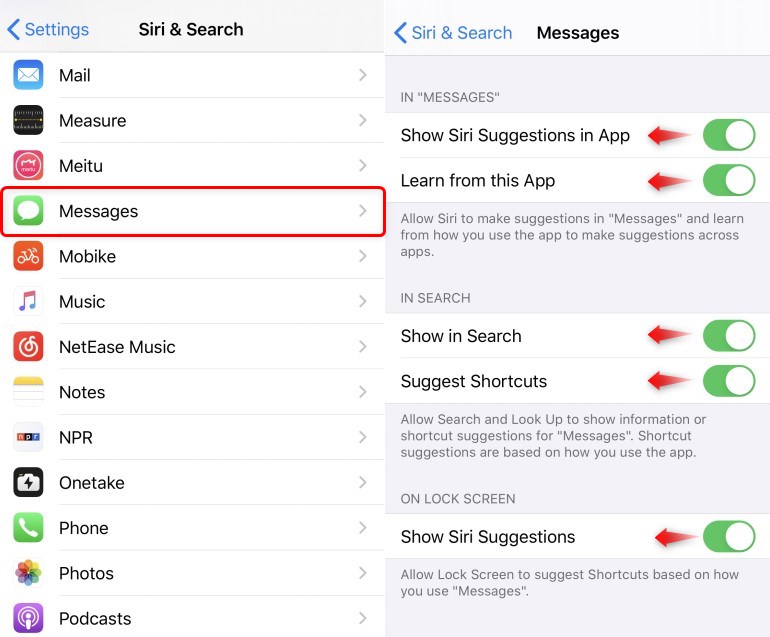
At its core, “messages finish indexing” refers to the process by which an application or system organizes and categorizes all the messages stored within it. Think of it like building a comprehensive index for a massive library. Without an index, finding a specific book or even a particular passage would be an arduous, if not impossible, task. Similarly, without message indexing, searching through your chat history, emails, or other communication platforms would be incredibly slow and frustrating.
This process is fundamental to the “Tech” pillar of our understanding, directly impacting the usability and functionality of countless apps and software. Whether you’re using a messaging app on your smartphone, an email client on your desktop, or a collaborative platform for your team, indexing is happening behind the scenes to make your digital communication accessible and searchable.
The Technical Backbone: How Message Indexing Works
To truly grasp what “messages finish indexing” signifies, it’s essential to delve into the technical underpinnings. Indexing is not a single, monolithic process but rather a sophisticated system designed to create a searchable database from your message content.
Building the Index: From Raw Data to Searchable Assets
When you send or receive a message, it’s essentially raw data – a string of text, perhaps accompanied by metadata like sender, recipient, timestamp, and attachments. For an application to allow you to quickly find a specific message, it can’t simply scan every single message every time you perform a search. This would be computationally expensive and incredibly slow, especially with thousands or even millions of messages.
Instead, indexing creates a separate, optimized data structure that maps keywords, phrases, sender/recipient information, dates, and other relevant attributes to the actual messages. This is akin to a book’s index, where specific terms are listed along with the page numbers where they appear.
Here’s a simplified breakdown of the indexing process:
- Scanning and Parsing: The system reads through each message. This involves breaking down the message into individual words or “tokens.” Punctuation, common words (like “the,” “a,” “is” – often called “stop words”), and variations of words might be handled to make the index more efficient.
- Tokenization: Each significant word or phrase is identified as a token.
- Normalization: Tokens are often normalized to ensure consistent searching. For example, “running,” “ran,” and “runs” might all be mapped to a common root word like “run.” Similarly, capitalization is usually standardized.
- Building the Inverted Index: This is the core of the indexing process. An inverted index maps each unique token to a list of all the messages it appears in. For instance, if you search for “project deadline,” the index would quickly provide a list of all messages containing those words.
- Storing Metadata: Beyond just the content, indexing also involves organizing and making searchable the metadata associated with each message. This includes sender, recipient, date, time, subject lines (in emails), and even flags or labels you might have applied.
Why “Finish Indexing”? The Significance of Completion
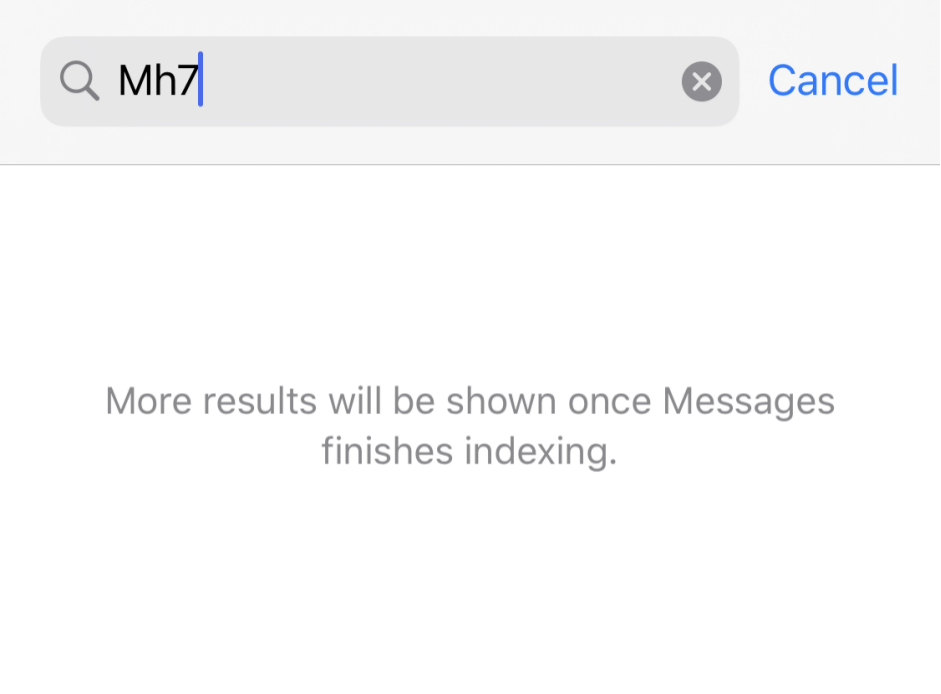
The phrase “messages finish indexing” indicates that this background process has been completed for a specific set of messages or for your entire message history within that application. This is crucial because:
- Search Performance: Until indexing is finished, your search functionality might be slow, incomplete, or entirely unavailable. New messages might not be searchable until they’ve been processed.
- New Feature Enablement: Many advanced features, such as intelligent message sorting, sentiment analysis, or even AI-powered summarization, rely on a fully indexed message history.
- Data Integrity: A complete index suggests that the application has successfully processed all available message data, ensuring that none is lost or inaccessible.
- Resource Management: Indexing can be a resource-intensive process. When it’s finished, the application might return to normal resource usage, meaning your device or system won’t be bogged down by the indexing task.
For users, seeing “messages finish indexing” is generally a positive sign. It means your communication data is being organized and optimized, paving the way for a smoother and more powerful user experience.
Beyond the Search Bar: How Indexing Impacts Your Brand and Money
While the immediate impact of message indexing is on the “Tech” aspect of our lives – making our apps work better – its implications ripple outward, touching upon the “Brand” and “Money” pillars as well.
Enhancing Your Personal and Corporate Brand
In today’s hyper-connected world, your communication is an extension of your brand. Whether you’re an individual building a personal brand or a company shaping its corporate identity, the way you communicate, and the information you exchange, are critical.
Personal Branding: The Digital Footprint of Your Voice
For individuals, a well-indexed message history can be a goldmine for reinforcing their personal brand.
- Content Curation: Need to recall an insightful comment you made in a professional forum or a key piece of advice you gave to a mentee? A complete index allows you to quickly surface these conversations, which can then be used for blog posts, social media updates, or networking conversations.
- Professionalism and Responsiveness: If you’re in a client-facing role or actively building your network, being able to quickly find past conversations and respond promptly demonstrates professionalism and reliability. This builds trust and strengthens your reputation.
- Showcasing Expertise: By easily retrieving discussions where you demonstrated expertise, you can use these as case studies or testimonials, further solidifying your position as an authority in your field.
Corporate Identity: Consistency and Clarity in Communication
For businesses, message indexing is fundamental to maintaining a cohesive and effective brand voice.
- Brand Voice Consistency: Across various platforms (customer service chats, internal team communications, marketing emails), ensuring that employees have access to and can recall previous brand messaging helps maintain a consistent tone and message.
- Reputation Management: Quick access to customer service interactions allows for faster resolution of issues and provides valuable data for understanding customer sentiment. This proactive approach is vital for managing and enhancing brand reputation.
- Onboarding and Knowledge Sharing: New employees can be brought up to speed much faster by having access to indexed historical communication, learning how the company communicates, what key decisions were made, and how issues were previously handled. This fosters a stronger corporate identity.
- Marketing and Sales Insights: Analyzing communication patterns and content can reveal trends in customer inquiries, product feedback, and sales conversations, providing invaluable data for refining marketing strategies and sales pitches.
Unlocking Financial Insights from Your Messages
The “Money” pillar is perhaps the most surprising area where message indexing can offer significant benefits, often by leveraging data that is already at your fingertips.
Personal Finance: Tracking and Optimizing Your Spending
While not directly financial software, communication platforms often contain information that can impact your personal finances.
- Receipt and Invoice Retrieval: Many online purchases and service agreements are confirmed via email or messaging apps. An indexed history makes it incredibly easy to find digital receipts, invoices, or order confirmations, which are crucial for budgeting, expense tracking, and returns.
- Subscription Management: A quick search can reveal all the services you’ve signed up for, helping you identify and cancel underutilized subscriptions, thereby saving money.
- Negotiation Power: If you’re negotiating a service renewal or disputing a bill, having easy access to past communication can provide leverage and evidence.
Business Finance: Efficiency and Record Keeping
For businesses, the financial implications of well-indexed communication are substantial.
- Streamlined Invoicing and Payments: Locating invoices, payment confirmations, or purchase orders becomes a matter of seconds, speeding up payment cycles and improving cash flow.
- Contractual Agreements: Accessing the history of negotiations and agreements made via message or email is vital for ensuring compliance, resolving disputes, and understanding terms.
- Expense Reporting: Employees can quickly attach relevant email confirmations or chat logs to expense reports, streamlining the reimbursement process and improving accuracy.
- Auditing and Compliance: For regulatory compliance and internal audits, having a readily searchable record of communications, especially those related to financial transactions or agreements, is indispensable.
- Identifying Cost-Saving Opportunities: Analyzing communication logs can reveal patterns of inefficient spending, redundant services, or opportunities for bulk purchasing that can lead to significant cost savings.
Conclusion: Embracing the Power of Organized Communication
The seemingly simple phrase “messages finish indexing” is a gateway to a more efficient, secure, and insightful digital experience. It’s the silent workhorse that transforms your vast sea of messages from an unmanageable jumble into a valuable, searchable resource.
By understanding the technical process behind indexing, we can better appreciate the tools we use daily. More importantly, recognizing its impact on our “Brand” and “Money” spheres empowers us to leverage our digital communication more strategically. Whether you’re meticulously crafting your personal brand, managing your company’s reputation, or striving for greater financial control, the power of an indexed message history is undeniable. So, the next time you see “messages finish indexing,” remember that it’s not just a technical update; it’s a step towards unlocking the full potential of your digital life.
aViewFromTheCave is a participant in the Amazon Services LLC Associates Program, an affiliate advertising program designed to provide a means for sites to earn advertising fees by advertising and linking to Amazon.com. Amazon, the Amazon logo, AmazonSupply, and the AmazonSupply logo are trademarks of Amazon.com, Inc. or its affiliates. As an Amazon Associate we earn affiliate commissions from qualifying purchases.