
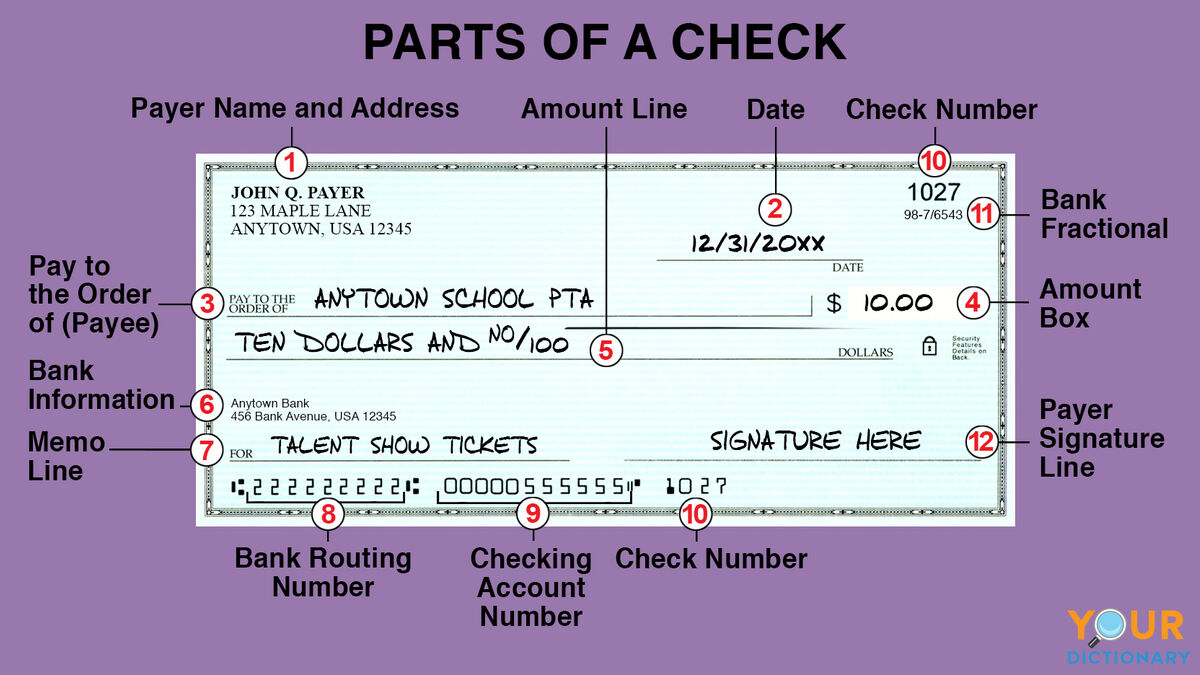
In an era dominated by instantaneous digital transfers, tap-to-pay mobile wallets, and peer-to-peer apps, the traditional paper check remains a surprisingly resilient fixture in the world of personal and business finance. Whether you are paying your monthly rent, settling a debt with a friend, or handling corporate accounts payable, you will likely encounter a small, unassuming line in the bottom left corner of the check labeled “Memo.”
While many people leave this space blank, the memo line—often referred to as the “for” line—serves as a critical tool for financial organization, legal clarity, and accounting precision. Understanding what the memo line means and how to use it effectively can significantly streamline your financial life and provide a necessary layer of protection during tax season or legal disputes.
The Purpose and Utility of the Memo Line
The memo line is an optional field on a check used to provide a brief description or reference for the payment. Unlike the signature line or the numeric amount box, the bank’s automated processing systems generally do not read the memo line to authorize a transaction. Its primary purpose is to provide context for the two parties involved in the exchange: the drawer (the person writing the check) and the payee (the person receiving it).
For the person writing the check, the memo serves as a primary record-keeping device. When you review your bank statements or canceled checks months later, a memo like “July 2024 Rent” or “Repairs for Ford F-150” is far more helpful than a generic entry for a specific dollar amount. It transforms a simple transaction into a searchable piece of financial history.
For the recipient, the memo line is often a requirement for administrative accuracy. Large entities, such as utility companies, government agencies, and property management firms, process thousands of checks daily. Without a memo indicating an account number or an invoice reference, these organizations may struggle to apply your payment to the correct account, leading to late fees or service interruptions.
The Anatomy of Record-Keeping
From a professional finance perspective, the memo line is the “subject line” of your financial communication. It bridges the gap between the raw movement of money and the reason for that movement. In accounting terms, it provides the “why” behind the “how much.” For individuals managing a household budget, this small line of text is the first step toward disciplined expense tracking. By consistently using the memo line, you create a built-in audit trail that requires no additional software or complex filing systems.
Practical Uses for the Memo Line in Personal Finance
While the memo line is technically optional, there are several scenarios where leaving it blank is a missed opportunity for financial security. In personal finance, the memo line acts as a safeguard against confusion and a tool for long-term planning.
Rent and Mortgage Payments
Housing is often the largest monthly expense for the average consumer. When paying rent to a private landlord, the memo line is your primary evidence of fulfillment of contract. Writing “November Rent – Unit 4B” provides a clear record that the payment was intended for a specific obligation. In the event of a dispute regarding whether rent was paid for a particular month, a canceled check with a clear memo can serve as powerful evidence in a legal or mediation setting.
Tax-Deductible Expenses and Charitable Giving
One of the most valuable uses of the memo line is for tax preparation. When writing a check to a 501(c)(3) non-profit organization, using the memo line to specify “Donation” or “Annual Fund” helps categorize the expense for your tax return. Similarly, if you are paying for medical expenses, child care, or business-related costs that may be deductible, noting the nature of the expense on the check simplifies your life when April 15th rolls around. Instead of digging through old receipts, you can simply scan your bank records for these specific notations.
Personal Reimbursements and Gifts
When paying back a friend or family member, the memo line can help avoid social awkwardness or confusion. A note like “Dinner at Smith’s” or “Concert Tickets” clarifies that the money is a reimbursement for a specific event rather than a loan or a gift. For larger gifts, such as those that might trigger gift tax considerations, noting “Birthday Gift” or “Wedding Present” helps maintain a clear distinction between commercial transactions and personal transfers.
Avoiding Sensitive Information
While the memo line is useful, it is equally important to know what not to write. You should never include your Social Security number, full credit card numbers, or passwords on the memo line. While the check is a private document between you and the recipient, it passes through several hands and scanning systems. Protecting your sensitive data is a cornerstone of digital and physical security. If a biller asks for an account number, only provide the necessary digits required to identify the account.
The Memo Line in Business and Professional Transactions

In the corporate world, the memo line transitions from a helpful reminder to a professional necessity. Business finance relies on the reconciliation of accounts, and the memo line is a key component of this process.
Invoice Management and Account Identification
Businesses often deal with multiple vendors and recurring service contracts. When a business issues a check to a vendor, the memo line almost always includes an invoice number or a purchase order (PO) number. This ensures that the vendor’s accounts receivable department can immediately match the payment to the correct balance. Without this information, payments may be held in suspense accounts, or worse, the business may be incorrectly flagged for non-payment.
Payroll and Independent Contractors
For small business owners who still issue physical checks to employees or freelancers, the memo line is essential for categorizing labor costs. Notations such as “Contract Labor – Web Design” or “Payroll Period Ending 10/15” are vital for accurate bookkeeping. When it comes time to issue 1099 or W-2 forms, these memos allow the business owner or their accountant to quickly verify total payments made to specific individuals for specific services.
Auditing and Financial Transparency
During a formal audit—whether internal or conducted by a regulatory body—clear documentation is the best defense. Auditors look for consistency and clarity. A business that consistently utilizes the memo line demonstrates a high level of financial literacy and internal control. It shows that every dollar leaving the company has a documented purpose, reducing the likelihood of being flagged for suspicious activity or mismanagement of funds.
Legal Implications and the “Paid in Full” Legend
A common question regarding the memo line involves its legal weight. Can you write your way out of a debt? A frequent financial myth suggests that if you owe $500 but write a check for $300 with “Paid in Full” in the memo line, the creditor’s act of cashing the check constitutes an agreement to settle the debt for the lower amount.
The Doctrine of Accord and Satisfaction
In legal terms, this is known as “accord and satisfaction.” While this can occasionally hold up in court, it is far from a universal rule. In many jurisdictions, and under the Uniform Commercial Code (UCC), certain conditions must be met for a “Paid in Full” check to be legally binding. Often, the debt must be “unliquidated” or honestly disputed. If you have a clear contract for a set amount, simply writing a memo will not magically erase the remaining balance. Furthermore, many large companies use automated systems to scan checks, and they have legal protections that prevent them from being bound by memo line notations they didn’t manually review.
Evidence in Disputes
While the memo line may not always create a new contract, it is excellent evidence of “intent.” If a person accepts a check with a memo that says “Loan – To be repaid by Dec 31,” and they cash that check, it supports the argument that the money was a loan and not a gift. In small claims court, the memo line is often cited as a contemporaneous record of what the parties believed the transaction to be at the moment the money changed hands.
The Digital Evolution: Memos in Online Banking
As paper checks are replaced by electronic payments, the concept of the “memo” has evolved but has not disappeared. In fact, digital memos are often more powerful than their physical counterparts.
Digital Reference Fields
When using online bill pay through a banking portal, there is almost always a “Reference” or “Account Number” field. This is the digital equivalent of the memo line. Unlike a handwritten note, this digital data is transmitted directly to the payee’s system, ensuring near-instantaneous reconciliation. In peer-to-peer apps like Venmo or PayPal, the memo (or “What’s this for?” field) is often mandatory. In these platforms, the memo serves as a social and financial tag, allowing users to search their transaction history by keyword.
Searchability and Budgeting Software
Modern financial tools like Mint, YNAB (You Need A Budget), or Quickbooks rely on transaction descriptions to categorize spending. When you write a digital memo, these programs can often automatically “tag” the expense. For example, if you consistently include the word “Grocery” in your electronic transfers to a local co-op, your budgeting software can automatically aggregate those costs into a food budget. This level of automation is the modern successor to the handwritten check register.
The Future of Transactional Context
We are moving toward a financial landscape where “metadata”—the data about the data—is just as important as the transaction itself. The memo line was the original financial metadata. As we move toward blockchain and smart contracts, the “memo” may become a permanent, unalterable part of a digital ledger, providing a level of transparency and security that the architects of the original paper check could never have imagined.

Conclusion: Mastering Your Financial Narrative
The memo line on a check may seem like a minor detail, but it is a powerful instrument for anyone looking to master their personal or business finances. It is a tool for clarity in an often-confusing financial world, providing a simple way to document intent, track spending, and ensure that payments are credited correctly.
By taking the few extra seconds to fill out the memo line, you are doing more than just writing a note; you are taking control of your financial narrative. You are ensuring that your future self, your accountant, and your creditors all have a clear, unambiguous understanding of where your money went and why. In the discipline of finance, clarity is king, and the memo line is one of the easiest ways to achieve it.
aViewFromTheCave is a participant in the Amazon Services LLC Associates Program, an affiliate advertising program designed to provide a means for sites to earn advertising fees by advertising and linking to Amazon.com. Amazon, the Amazon logo, AmazonSupply, and the AmazonSupply logo are trademarks of Amazon.com, Inc. or its affiliates. As an Amazon Associate we earn affiliate commissions from qualifying purchases.