
In the rapidly evolving world of technology, precision is the bedrock upon which innovation is built. From the microscopic architecture of a semiconductor to the sprawling dimensions of a data center’s server rack, symbols and notations dictate the language of engineering. Among these symbols, the double prime (“) is perhaps one of the most frequently encountered yet occasionally misunderstood. While many recognize it as a shorthand for inches, its application in the tech sector spans much further, influencing hardware specifications, digital display technology, and geographic information systems (GIS).
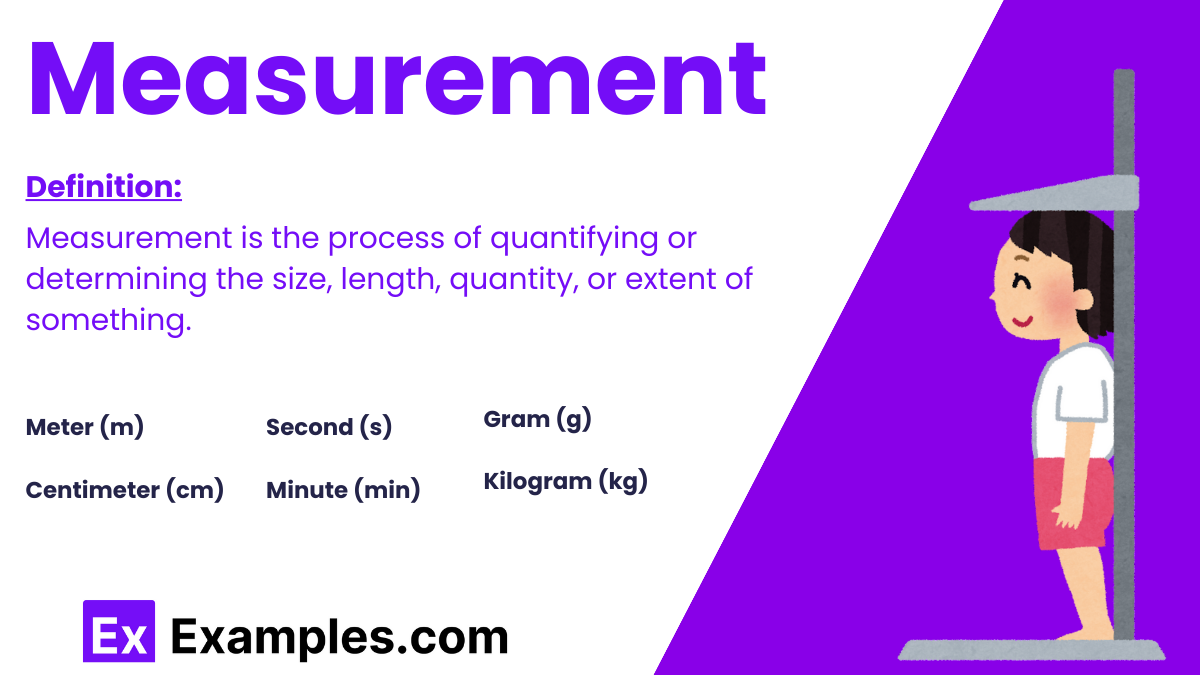
Understanding what (“) means in measurement is not merely a lesson in punctuation; it is an exploration of the standards that ensure compatibility across global supply chains. Whether you are a hardware engineer, a software developer, or a tech enthusiast, grasping the nuance of this symbol is essential for navigating technical documentation and product specifications.
Understanding the Double Prime Symbol in the Technical Landscape
The double prime symbol (“), often substituted with the double quotation mark for typographical convenience, serves as a critical unit of measure in several technical disciplines. In the English-speaking world and within international manufacturing standards, it primarily represents two distinct concepts: linear distance (inches) and angular measurement (arcseconds).
The Origin and Standardization of the Double Prime (“)
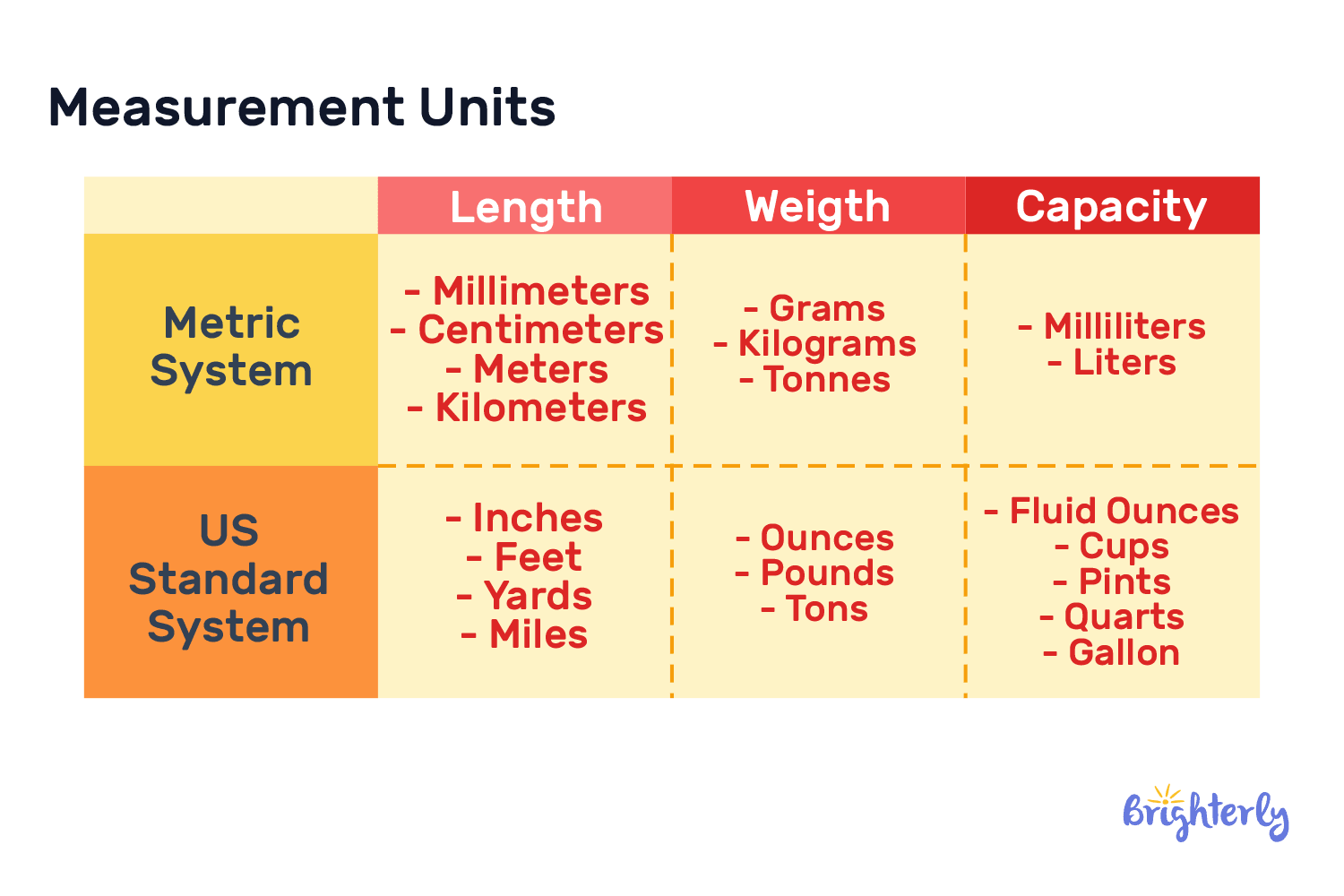
Historically, the double prime evolved as a shorthand to differentiate between subdivisions of a whole. In the imperial system, a single prime (‘) denotes a foot, while the double prime (“) denotes an inch (1/12th of a foot). In the context of tech, these symbols were standardized to ensure that components manufactured in different parts of the world would fit together seamlessly. Organizations like the International Organization for Standardization (ISO) and the American National Standards Institute (ANSI) maintain strict guidelines on how these measurements are applied to technical drawings and CAD (Computer-Aided Design) software.
Inches vs. Arcseconds: The Dual Identity
In the tech world, the context in which (“) appears defines its meaning. In hardware manufacturing, it almost exclusively refers to the inch. However, in fields like aerospace, satellite technology, and optics, (“) represents an arcsecond—a unit of angular measurement equal to 1/3600th of a degree. This distinction is vital; a mistake in interpreting (“) could mean the difference between a perfectly fitted smartphone screen and a satellite that misses its orbital target by several kilometers.
The Role of (“) in Hardware Specifications and Consumer Tech
When browsing the latest gadgets or reading a specification sheet for enterprise hardware, the (“) symbol is omnipresent. It defines the physical presence of the technology we interact with daily.
Screen Sizes and Display Real Estate
The most common consumer-facing use of (“) is in defining screen real estate. Whether it is a 6.7″ smartphone, a 14″ laptop, or a 32” professional monitor, the double prime indicates the diagonal measurement of the display panel. In the tech industry, this measurement is crucial because it dictates the aspect ratio and pixel density (PPI). Tech reviewers and manufacturers use this figure to communicate the balance between portability and immersive viewing. However, the measurement refers only to the viewable area of the glass, excluding the bezels, which is a key distinction in the “bezel-less” design trend of modern mobile devices.
Form Factors in Component Engineering
Beyond displays, (“) defines the form factors of internal hardware. For decades, the storage industry was built around the 3.5″ and 2.5” drive standards. Even as we transition to M.2 NVMe drives, the legacy of these measurements persists in server rack configurations and laptop chassis designs. A “2.5-inch” SSD (Solid State Drive) is a standard that ensures a drive from one manufacturer will fit into a bay designed by another. This interoperability is what allows the tech ecosystem to scale, enabling modularity in both consumer PCs and massive enterprise data centers.
Precision in Semiconductor Manufacturing
While we often talk about nanometers (nm) when discussing processor nodes, the initial stages of semiconductor fabrication involve “wafers” measured in inches. The industry standard moved from 8″ (200mm) to 12″ (300mm) wafers over the last two decades. The move to larger diameters—measured and referred to by the (“) symbol—allows for more chips to be printed on a single wafer, significantly reducing the cost of production for CPUs and GPUs. In this context, the (“) symbol is directly tied to the economics of Moore’s Law.

Digital Design and UI/UX: Translating Physical Measurements to Pixels
For software developers and UI (User Interface) designers, the (“) symbol acts as a bridge between the physical world and the digital canvas. Understanding how physical inches translate to digital displays is fundamental to creating accessible and functional software.
The Relationship Between Inches and DPI/PPI
In digital imaging and display technology, the relationship between the physical inch (“) and the pixel is defined by DPI (Dots Per Inch) or PPI (Pixels Per Inch). A 27″ monitor with a 4K resolution has a much higher PPI than a 27″ monitor with a 1080p resolution. For tech professionals, this means that an icon that is 1” wide on one screen might appear significantly smaller on another if the software does not account for scaling. The double prime measurement is therefore the constant against which software engineers must calculate “device-independent pixels” to ensure a consistent user experience.
Responsive Design and Physical Scale
When designing for mobile apps, developers often have to consider the “thumb zone”—the area of a screen a user can comfortably reach. This is calculated based on the physical dimensions of the device, typically noted in inches (“). As smartphone screens have grown from 3.5″ to nearly 7”, tech companies have had to reinvent navigation patterns (such as moving address bars to the bottom of the screen) to accommodate the physical reality of the double-prime measurements of modern hardware.
Geographic Information Systems (GIS) and Advanced Navigation Tech
When we move away from physical hardware and into the realm of data and software services, the (“) symbol takes on its second technical meaning: the arcsecond.
Coordinate Systems and Angular Measurements
In GPS technology and GIS software, location is defined by latitude and longitude. These are measured in degrees, minutes, and seconds. Here, (“) represents the “second.” For example, a coordinate might be written as 34° 03′ 08″. This level of precision is what allows autonomous vehicles, drones, and delivery apps to pinpoint a location with incredible accuracy. Without the mathematical precision represented by the (“) in angular measurement, global navigation systems would fail to function.
Satellite Technology and GPS Precision
The tech behind satellite imagery relies heavily on arcsecond measurements to define “spatial resolution.” If a satellite sensor has a resolution of 1″, it means it can distinguish objects that are approximately 30 meters apart on the Earth’s surface (depending on the altitude and angle). High-end commercial satellites now offer sub-arcsecond resolution, allowing tech companies like Google or Apple to provide the high-definition map data that powers modern logistics and urban planning.
The Future of Measurement in Emerging Tech
As we look toward the future, the way we use and define measurements like the inch (“) or the arcsecond is being refined by cutting-edge technology.
Quantum Metrology and the Redefinition of Standards
While the double prime remains a standard symbol, the way we define the actual length of an inch has moved from physical artifacts to the speed of light and quantum constants. Tech companies involved in quantum computing and nanotechnology require measurements far more precise than the traditional (“). We are now entering an era where “picometer” precision is required, yet the double prime remains the macro-standard for the casing and interfaces that house these micro-marvels.
AI-Driven Precision Measurement
Artificial Intelligence is now being integrated into industrial “Computer Vision” systems to perform quality control. These AI systems are trained to detect deviations in hardware components down to a fraction of a (“). In automated factories, cameras use laser interferometry to ensure that a part is within 0.001” of its specification. This fusion of AI and traditional measurement symbols highlights how legacy units of measure continue to be relevant in the age of automation.
In conclusion, the symbol (“) in measurement is a cornerstone of the technology industry. It bridges the gap between the physical size of our devices and the mathematical precision of our software. Whether it is defining the screen of the latest flagship smartphone, the size of a server in a cloud farm, or the coordinate of a GPS-tracked package, the double prime is a small symbol with a massive impact. For anyone working in or interested in tech, understanding this notation is key to understanding the scale of the digital and physical worlds we inhabit.
aViewFromTheCave is a participant in the Amazon Services LLC Associates Program, an affiliate advertising program designed to provide a means for sites to earn advertising fees by advertising and linking to Amazon.com. Amazon, the Amazon logo, AmazonSupply, and the AmazonSupply logo are trademarks of Amazon.com, Inc. or its affiliates. As an Amazon Associate we earn affiliate commissions from qualifying purchases.