
In the landscape of modern music, few entities have navigated the complexities of brand identity and market positioning as skillfully as the Swedish rock band Ghost. When the track “Mary on a Cross” exploded into the mainstream consciousness via TikTok years after its initial release, it didn’t just represent a musical trend; it signaled a masterclass in brand longevity, visual storytelling, and strategic subversion. To understand what “Mary on a Cross” means is to understand the intersection of counter-culture aesthetics and sophisticated corporate marketing.
The Anatomy of a Viral Brand: Decoding the Phenomenon
The sudden resurgence of “Mary on a Cross” in 2022—originally a B-side from the 2019 EP Seven Inches of Satanic Panic—is a textbook example of how a well-defined brand can capitalize on algorithmic serendipity. While the lyrics carry a dual meaning—alternating between 1960s psychedelic drug references and provocative religious metaphors—the “meaning” for a brand strategist lies in its accessibility.
Subversion as a Brand Pillar
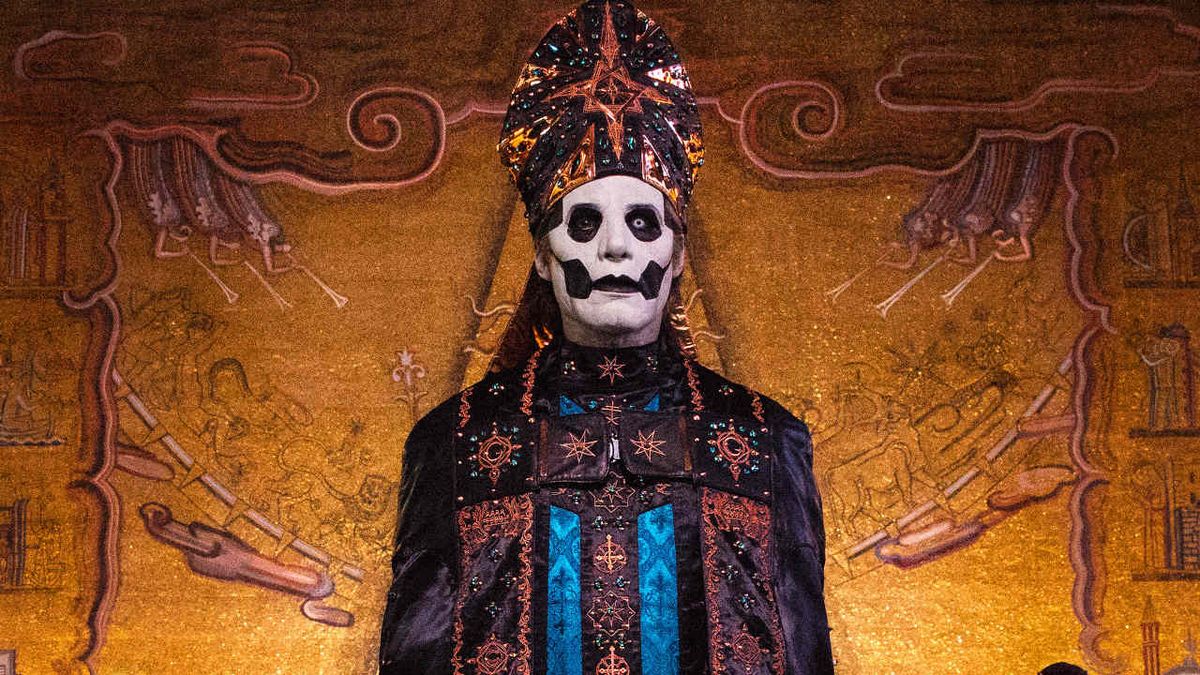
Ghost, led by mastermind Tobias Forge, has built a brand centered on the subversion of traditional ecclesiastical imagery. By utilizing the aesthetic of the Catholic Church and inverting its symbols, the band creates an immediate, recognizable “corporate identity.” In the case of “Mary on a Cross,” the title itself serves as a brand hook. It provokes a reaction, invites curiosity, and establishes a rebellious “us versus them” narrative that resonates deeply with Gen Z and Millennial consumers who value authenticity and institutional critique.
The Power of Ambiguity in Marketing
Great brands often leave room for consumer interpretation, and this song is no exception. Is it a song about a romantic encounter, a spiritual awakening, or a chemical experience? By maintaining an ambiguous lyrical stance, the brand allows different audience segments to “own” the song. For some, it is a gothic anthem; for others, a catchy pop-rock track. This versatility is essential for any brand looking to expand its Total Addressable Market (TAM) without alienating its core “early adopter” fanbase.
Visual Identity and the Lore of the “Anti-Pope”
Ghost does not operate like a standard rock band; it operates like a franchise. The central figure, currently Papa Emeritus IV, undergoes “rebrandings” with every album cycle. This is a level of personal branding and corporate evolution rarely seen outside of major fashion houses or tech giants.
Character-Based Branding and Succession
The “Papa Emeritus” character is a stroke of genius in brand strategy. By retiring one version of the character and introducing another, the brand creates built-in obsolescence and renewed hype. This keeps the visual identity fresh and provides a constant stream of new “products” (merchandise, costumes, and lore). When “Mary on a Cross” went viral, it wasn’t just a faceless voice that people discovered; it was a rich, theatrical world with a clear leader, a defined uniform, and a compelling backstory.
The Nameless Ghouls: Consistency Through Anonymity
While the leader of the brand changes, the “Nameless Ghouls” (the backing band) provide a consistent visual anchor. In brand design, consistency is key to recognition. The masks and uniforms of the Ghouls act as a logo. They represent the “employees” of the Ghost corporation, ensuring that even as the lead character evolves, the brand’s foundational visual language remains intact. This allows the brand to scale and even survive lineup changes without losing its market value.
Strategic Subversion: Navigating the Mainstream
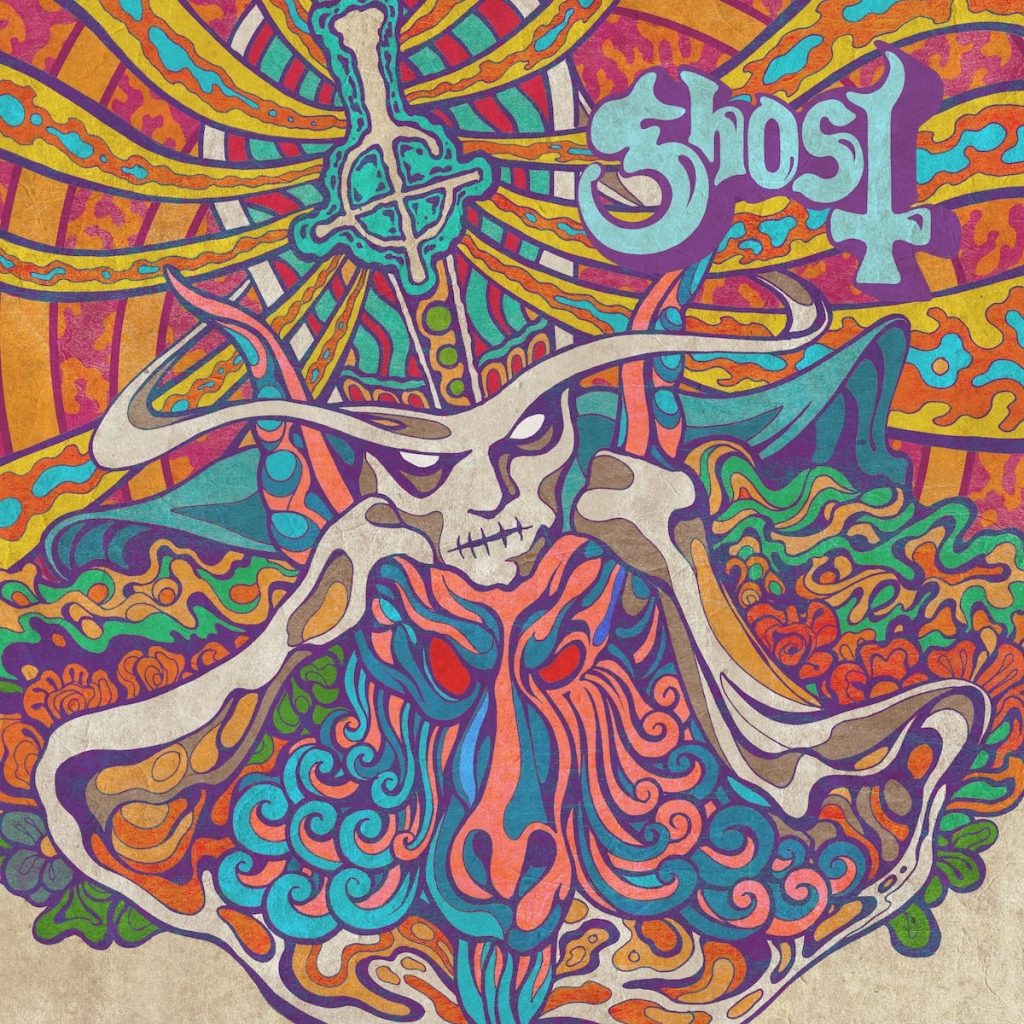
One of the most difficult feats in branding is moving from a niche, “edgy” market into the global mainstream without losing brand equity. Ghost’s “Mary on a Cross” represents the perfect bridge between these two worlds.
The Intersection of Metal and Pop
The brand’s musical evolution—from doom metal to 80s-inspired stadium rock—is a calculated strategic pivot. To achieve global reach, a brand must be palatable. By wrapping provocative, “Satanic” themes in the “sugar-coating” of pop sensibilities, Ghost lowered the barrier to entry for the average consumer. “Mary on a Cross” is fundamentally a pop song, which allowed it to bypass the gatekeepers of heavy metal and enter the lucrative world of mainstream radio and social media trends.
Leveraging the “Stranger Things” Effect
The viral success of the song was also tied to the broader cultural trend of “dark nostalgia.” Following the success of shows like Stranger Things, there was a market hunger for 1980s aesthetics and occult-lite themes. Ghost had spent a decade building a brand that sat exactly at this intersection. When the market was ready, the brand was already positioned to provide the soundtrack. This highlights the importance of market timing and the value of a brand staying true to its core identity until the zeitgeist catches up.
Lessons in Audience Engagement and Community Building
A brand is only as strong as its community. Ghost refers to its fanbase as “The Clergy,” a term that immediately fosters a sense of belonging and exclusivity. This is a common tactic in lifestyle branding, where the consumer isn’t just buying a product; they are joining a movement.
Merchandising as a Lifestyle Choice
The merchandise strategy for Ghost is exhaustive. From traditional apparel to high-end collectibles and even branded beverages, the “Mary on a Cross” era saw a massive expansion in how fans could interact with the brand. By treating the band as a lifestyle brand, Forge has ensured multiple revenue streams that exist independently of record sales. This is a vital lesson for any modern brand: diversification of touchpoints is the key to resilience.
User-Generated Content and the TikTok Loop
The “meaning” of “Mary on a Cross” was ultimately redefined by the audience on TikTok. Users began using the track to soundtrack moments of “glow-ups,” historical montages, and even clips from Stranger Things. Instead of policing how the brand was used, Ghost (and their label, Loma Vista) leaned into the trend. They released a “slowed and reverb” version of the track—a direct response to how the community was already consuming the content. This is a prime example of “reactive branding”—listening to the market and pivoting the product to meet current consumer behavior.
The Future of Music Branding in a Digital-First World
As we look at the legacy of “Mary on a Cross,” it becomes clear that the song’s meaning is tied to the future of how we build and sustain brands in a fragmented digital landscape.
Adapting to the Algorithm
Modern brand strategy requires a “social-first” mindset. Content must be “clip-able,” visually striking, and emotionally resonant within a 15-second window. The “Mary on a Cross” chorus provides a perfect sonic “hook” that aligns with the mechanics of the TikTok algorithm. Brands that succeed in the 2020s are those that design their core offerings with digital shareability in mind, even if the primary product is an analog experience like a live concert.

Maintaining Brand Integrity Amid Growth
The greatest risk Ghost faces is “brand dilution.” As they become more mainstream, the very subversion that made them unique risks becoming a caricature. However, by continually leaning into the “lore” and maintaining high production values, the brand manages to keep its “premium” status. They have successfully avoided the “sell-out” trap by framing their growth as part of the narrative—a literal “church” expanding its reach across the globe.
In conclusion, “Mary on a Cross” is far more than a catchy chorus or a provocative title. It is the flagship product of a meticulously crafted brand that understands the power of visual identity, the necessity of market pivots, and the importance of community engagement. For brand strategists and marketers, the lesson is clear: a strong, consistent identity, paired with the flexibility to adapt to cultural trends, can turn even a niche B-side into a global powerhouse. Ghost has shown that you don’t have to choose between being an “artist” and being a “brand”; if done correctly, the two are one and the same.
aViewFromTheCave is a participant in the Amazon Services LLC Associates Program, an affiliate advertising program designed to provide a means for sites to earn advertising fees by advertising and linking to Amazon.com. Amazon, the Amazon logo, AmazonSupply, and the AmazonSupply logo are trademarks of Amazon.com, Inc. or its affiliates. As an Amazon Associate we earn affiliate commissions from qualifying purchases.