
The digital age has a peculiar way of bestowing new life and meaning upon words, often divorcing them from their historical or regional origins and imbuing them with fresh cultural significance. This phenomenon is particularly evident in the online vernacular, where slang, memes, and trending phrases can emerge, evolve, and disseminate with astonishing speed. The word “malaka,” a term that has recently seen a resurgence in online discourse, is a prime example of this linguistic evolution. While its roots are deeply embedded in Mediterranean culture, its contemporary usage, particularly within online communities and tech-adjacent conversations, often takes on nuances that extend far beyond its traditional dictionary definition. To truly understand what “malaka” means in the current digital landscape, we must delve into its etymology, trace its trajectory through popular culture, and analyze its emergent connotations within the tech sphere.
The Etymological Roots and Cultural Baggage of “Malaka”
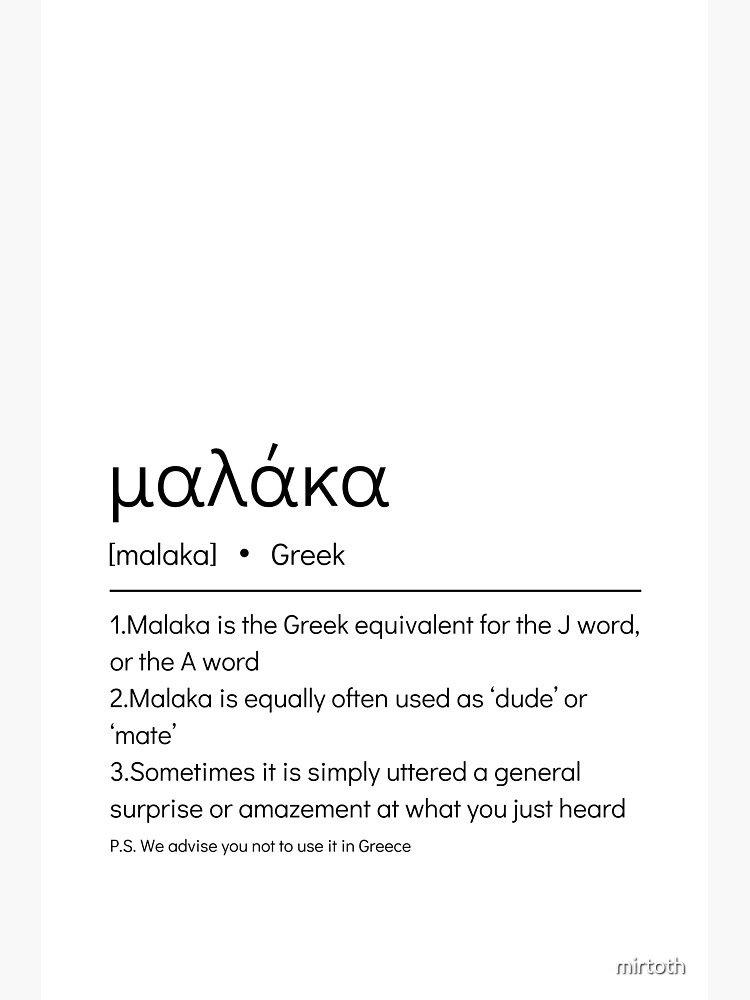
Before examining its digital manifestations, it is crucial to acknowledge the word’s original context. “Malaka” (μαλάκας) is a Greek word with a complex and often contentious history. Its literal translation is rooted in the word for “masturbator,” and for a significant period, it was primarily used as a highly offensive and derogatory slur. This origin story is inseparable from its perception and can explain why its use, even in seemingly innocuous online contexts, can sometimes be jarring or misunderstood.
The Evolution from Slur to Colloquialism
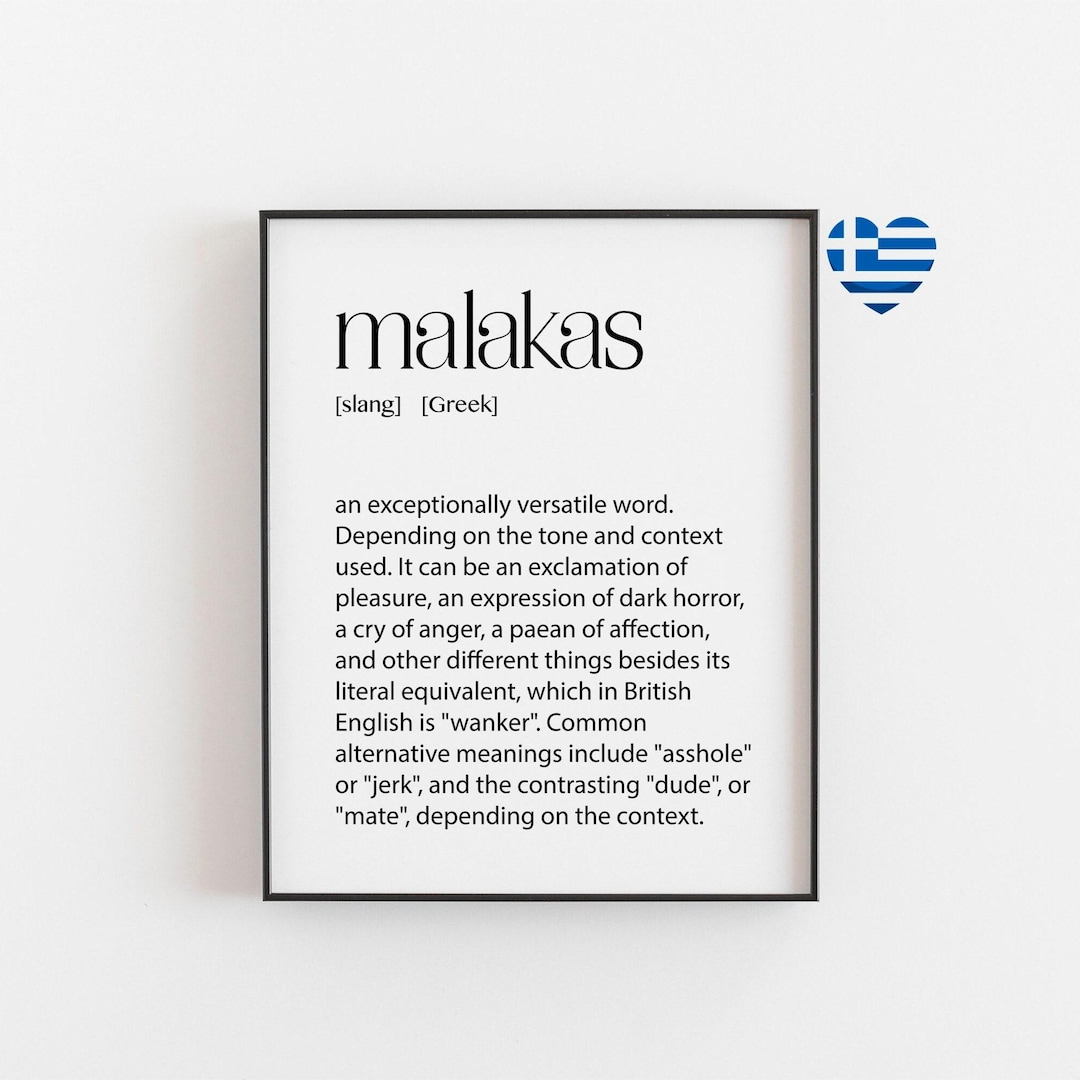
The transition of “malaka” from a purely offensive term to a more multifaceted colloquialism is a testament to the dynamic nature of language and the influence of cultural exchange. In Greece and Cyprus, its usage began to diversify, particularly among younger generations and in informal settings. It started to be employed not just as an insult, but also as an expression of surprise, frustration, exasperation, or even as a friendly, albeit coarse, form of address among close male friends. This shift, however, was largely confined to specific cultural contexts and linguistic communities.
The Impact of Media and Globalization
The global reach of Greek and Cypriot media, including popular television shows, music, and eventually, the internet, played a pivotal role in exposing the term to a wider audience. As content transcended geographical boundaries, so too did linguistic elements. The internet, with its ability to connect individuals from disparate backgrounds, provided a fertile ground for such words to be adopted, adapted, and reinterpreted. This global exposure, however, often stripped away the intricate cultural and social cues that governed its original usage, leading to potential misunderstandings. It is this decontextualized adoption that forms the bedrock of its contemporary digital meaning, often detached from its more aggressive historical connotations.
“Malaka” in the Digital Agora: Memes, Communities, and Misinterpretations
The internet has become a vast, interconnected space where language is constantly being tested, reshaped, and weaponized. “Malaka” has, in recent years, found a peculiar niche within this digital ecosystem, often appearing in contexts that might surprise those familiar only with its traditional usage. Its presence is frequently tied to specific online communities, meme culture, and the broader digital conversation surrounding technology and its impact.
The Rise of “Malaka” in Online Communities
Online forums, social media platforms, and gaming communities have often served as incubators for new linguistic trends. “Malaka,” in its less offensive, more informal guise, began to surface in these spaces. It might appear as a reaction to a perceived absurdity, a shared inside joke, or a term of endearment within a particular online subculture. The anonymity and detachment offered by the internet can embolden individuals to experiment with language, pushing the boundaries of acceptable discourse. This can lead to the adoption of words with strong cultural baggage, often without a full appreciation of their historical weight.
Memetic Diffusion and Semantic Drift
Memes, by their very nature, are designed for rapid dissemination and often rely on repetition and context collapse. When “malaka” is incorporated into a meme, its meaning can become even more fluid. The visual or textual context of the meme dictates its interpretation, often overshadowing the word’s original connotations. This process of memetic diffusion can lead to a significant semantic drift, where the word becomes divorced from its etymological origins and is understood primarily through its association with the specific meme or trend. In this context, “malaka” might simply signify a particular emotional response or a shared understanding within the meme’s audience, devoid of its historical offensive weight.
The “Tech Bro” Connotation and Accidental Offense
Perhaps the most significant recent evolution of “malaka” in the digital sphere, particularly within certain tech-adjacent circles, is its association with a specific archetype. The term has, in some online discussions, been used to describe a certain type of individual within the tech industry – often perceived as overly confident, prone to jargon, and sometimes exhibiting a degree of arrogance or naiveté. This usage is not necessarily a direct translation of its Greek origins but rather an emergent descriptor within a specific subculture. It’s important to note that this usage is often informal and can be unintentionally offensive to those from cultures where the word carries significant negative connotations. The digital adoption can be a case of linguistic appropriation without full cultural understanding, leading to situations where the word is used with a dismissive or even mocking undertone, unintended by the user but felt keenly by those with a deeper connection to its origins.
Navigating the Nuances: Responsible Digital Communication
The evolving meaning of “malaka” in the digital realm underscores a broader challenge in online communication: the difficulty of maintaining precise meaning across diverse audiences and contexts. As technology continues to connect us globally, understanding the potential for linguistic misunderstanding becomes paramount for fostering respectful and effective digital interactions.
The Importance of Context in Digital Discourse
In the online world, context is often fragmented and fluid. A word that might be understood in one online community can be utterly alien or even offensive in another. The absence of non-verbal cues, intonation, and shared physical presence makes it far easier for meaning to be misinterpreted. When engaging with terms that have a complex or potentially offensive history, such as “malaka,” it is crucial to consider the audience and the platform. What might be an acceptable inside joke among a specific group could be deeply inappropriate when used more broadly.
The Ethical Considerations of Linguistic Adoption
The adoption of words from different languages and cultures into online vernacular raises ethical questions. While language is inherently dynamic and borrowing is a natural part of its evolution, there is a responsibility to understand and respect the origins and potential impact of the words we use. Using terms like “malaka” without an awareness of their historical baggage can inadvertently perpetuate harm or disrespect. It requires a conscious effort to educate oneself and to consider the implications of our language choices, especially in a globalized digital space. This is not about stifling creativity or discouraging linguistic innovation, but rather about promoting a more mindful and inclusive digital environment.
Towards a More Nuanced Digital Lexicon
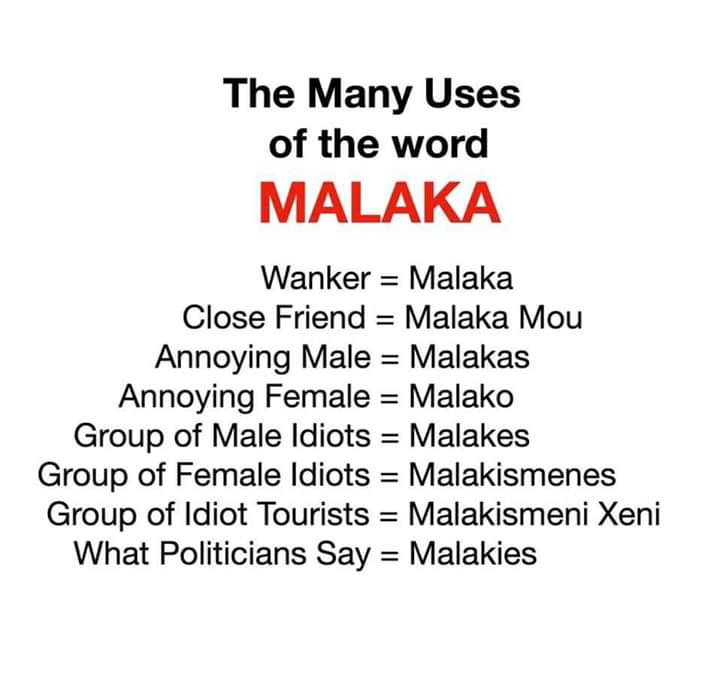
The case of “malaka” serves as a valuable lesson for navigating the complexities of the digital lexicon. It highlights the need for ongoing awareness and education regarding the evolving meanings of words. As new slang and trending phrases emerge, a critical approach to their origins and potential interpretations is essential. For those who engage with such terms, a willingness to learn, to be corrected, and to adapt their usage is key. The goal should be to foster a digital landscape where communication is not only efficient but also considerate and respectful of the diverse linguistic and cultural backgrounds of its users. Understanding what “malaka” means in its contemporary digital context requires an appreciation for its journey from a deeply offensive slur to a multifaceted, and often ambiguous, online descriptor, a journey shaped by globalization, meme culture, and the ever-evolving nature of digital communication.
aViewFromTheCave is a participant in the Amazon Services LLC Associates Program, an affiliate advertising program designed to provide a means for sites to earn advertising fees by advertising and linking to Amazon.com. Amazon, the Amazon logo, AmazonSupply, and the AmazonSupply logo are trademarks of Amazon.com, Inc. or its affiliates. As an Amazon Associate we earn affiliate commissions from qualifying purchases.