
Lululemon Athletica, often simply referred to as Lululemon, has grown from a niche yoga apparel store in Vancouver into a global titan of athletic wear and a formidable lifestyle brand. To ask “what does Lululemon mean” is to delve into more than just the etymology of its name; it’s to explore the intricate layers of its brand identity, its strategic positioning, its cultural impact, and the aspirational universe it has meticulously crafted for its consumers. It represents a confluence of product innovation, community building, and a distinct approach to marketing that has profoundly shaped perceptions of wellness, fashion, and status in the 21st century. Understanding Lululemon means understanding a masterclass in modern brand development.
The Genesis and Evolution of a Lifestyle Brand
Lululemon’s journey began not as a mere clothing retailer, but as a vision for a specific lifestyle, one deeply rooted in wellness and personal actualization. This foundational principle has been instrumental in distinguishing it from competitors and forging an enduring connection with its target audience.
Origins and the Vision of Chip Wilson
Founded in 1998 by Chip Wilson in Vancouver, Canada, Lululemon’s inception was deeply tied to the emerging popularity of yoga. Wilson, observing the lack of suitable athletic wear for women practicing yoga, identified a significant market gap. His initial concept was to create technical athletic apparel that would perform exceptionally well during yoga practices, addressing comfort, fit, and style. The first Lululemon store, opened in 2000, doubled as a design studio and a yoga studio, immediately embedding the brand within the very community it aimed to serve. This fusion of retail and experience was revolutionary at the time, positioning Lululemon not just as a seller of garments, but as a facilitator of a lifestyle. Wilson’s vision was clear: to empower people to live a life of “sweat, grow, connect” – a mantra that continues to resonate with the brand’s core values. This early focus on functionality, coupled with a deep understanding of its initial customer base, laid the groundwork for Lululemon’s future success. It wasn’t just about selling pants; it was about selling an enhanced experience and a sense of belonging to a community dedicated to well-being.
Beyond Athleisure: Cultivating a Community
From its humble beginnings, Lululemon quickly transcended the realm of mere athleisure to become a powerful lifestyle brand. The brand understood that its customers weren’t just buying clothes; they were buying into a belief system, an identity. Lululemon intentionally fostered a sense of community through various initiatives. In-store yoga and fitness classes, local ambassador programs featuring fitness instructors and wellness leaders, and community events became hallmarks of the Lululemon experience. These touchpoints created a loyal following that felt genuinely connected to the brand and to each other. By positioning itself as a partner in its customers’ wellness journeys, Lululemon built an emotional bond that extended far beyond transactional purchases. This community-centric approach transformed Lululemon from a clothing company into a cultural phenomenon, where wearing the brand signified a commitment to health, mindfulness, and a certain aspirational way of life. The brand became a symbol of self-care, personal growth, and connection, deeply embedding itself into the social fabric of its target demographic.
Crafting a Distinctive Brand Identity
Lululemon’s success is a testament to its meticulously crafted brand identity, built on a foundation of premium products, unique retail experiences, and a aspirational marketing approach that resonates deeply with its audience.
The Power of Premium Positioning and Product Innovation
At the heart of Lululemon’s brand identity lies its commitment to premium quality and relentless product innovation. From the outset, the brand differentiated itself by focusing on proprietary fabrics, superior craftsmanship, and functional design. Fabrics like Luon, Everlux, and Nulu were engineered for specific performance needs—whether it was moisture-wicking, four-way stretch, or a buttery-soft feel—providing an unparalleled comfort and fit that justified its higher price point. This premium positioning was not just about luxury; it was about delivering tangible value through advanced technical properties that genuinely enhanced the athletic experience. The brand strategically embraced a premium price strategy, which, rather than deterring customers, reinforced the perception of exclusivity, quality, and aspirational status. Customers were willing to invest in Lululemon because they believed they were buying into garments that would last longer, perform better, and make them feel good. This unwavering focus on product excellence became a cornerstone of its brand promise, distinguishing it from mass-market competitors and fostering a loyal customer base who valued durability and performance.
Experiential Retail and Community Engagement
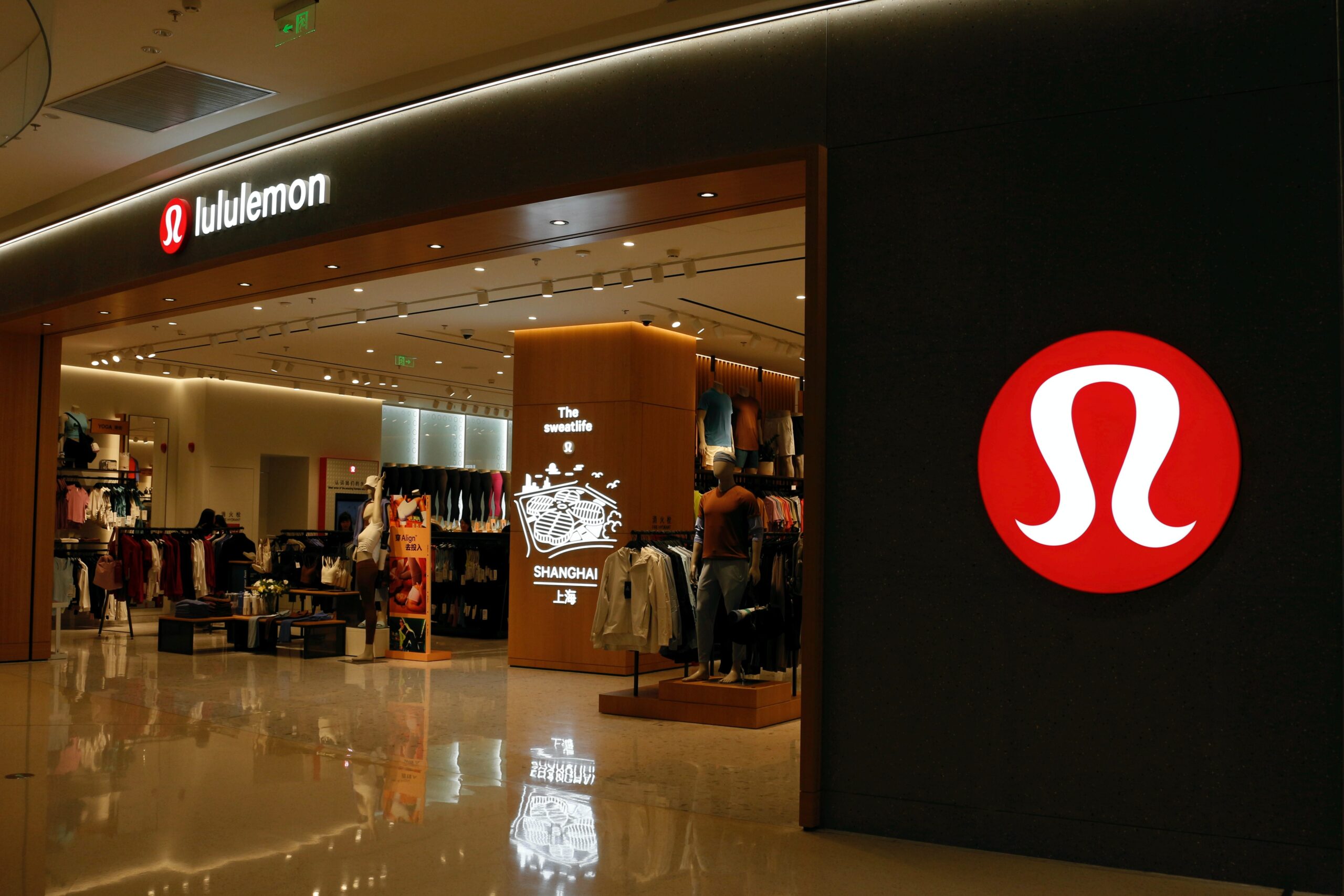
Lululemon reinvented the retail experience by transforming its stores into vibrant community hubs. Far from being mere points of sale, Lululemon stores are designed as extensions of the brand’s lifestyle ethos. They often feature welcoming layouts, minimalist aesthetics, and highly knowledgeable staff, known as “educators,” who embody the brand’s values. Crucially, many locations offer complimentary in-store yoga, meditation, and fitness classes, creating unique opportunities for customers to engage with the brand beyond shopping. These classes not only drive foot traffic but also reinforce Lululemon’s commitment to wellness and community. The brand’s local ambassador program further solidifies this engagement, partnering with local yoga instructors, personal trainers, and fitness influencers who genuinely resonate with the brand’s mission. These ambassadors lead classes, host events, and become authentic voices for Lululemon within their communities, fostering a grass-roots connection that feels organic and trustworthy. This experiential approach to retail and community engagement has cultivated a deep sense of belonging and loyalty, making customers feel like they are part of a broader Lululemon family.
Marketing Through Aspiration and Authenticity

Lululemon’s marketing strategy cleverly avoids traditional advertising in favor of a more subtle, aspirational, and community-driven approach. Instead of bombarding consumers with overt product promotions, Lululemon markets a lifestyle—one of health, mindfulness, self-improvement, and active living. Their messaging focuses on the transformative power of movement and personal growth, using evocative imagery and narratives that inspire rather than instruct. The brand leverages social media to showcase real people engaging in athletic pursuits and wellness activities, aligning itself with authenticity and relatability. Influencer marketing, particularly through its ambassador program, plays a significant role, as it relies on trusted figures within the fitness community to organically promote the brand. This strategy creates a powerful sense of aspiration: customers buy Lululemon not just for the clothing, but for the lifestyle it represents and the person they aspire to be. By consistently associating its products with positive emotions, achievement, and well-being, Lululemon has built a brand identity that is less about what you wear and more about who you are and what you achieve.
Decoding the Lululemon Name and Logo
Beyond its products and community, the very name and emblem of Lululemon contribute significantly to its unique brand identity, often sparking curiosity and becoming conversation points in themselves.
The Enigma of “Lululemon Athletica”
The name “Lululemon Athletica” itself has been a subject of curiosity and speculation. Founder Chip Wilson famously claimed that he intentionally chose a name with three “L”s because it was difficult for Japanese speakers to pronounce, believing that “The Japanese market is the one we were going after… It’s kind of a fun thing to say.” While this explanation sparked controversy and accusations of cultural insensitivity, it undeniably contributed to the name’s distinctiveness and memorability. Regardless of its contentious origin story, the name “Lululemon” has a unique, almost whimsical quality that sets it apart from more utilitarian athletic brand names. It doesn’t directly describe athletic wear, nor does it evoke traditional sports imagery. Instead, it possesses an abstract quality that allows the brand to define its meaning through its actions, products, and community. This abstractness has given the brand flexibility to expand beyond yoga and athleisure into broader lifestyle categories, as the name isn’t tethered to a specific sport or product. It is, in essence, a blank canvas upon which the brand has painted its vibrant identity.
The Iconic “A” Logo: Simplicity and Recognition
Lululemon’s logo is as recognizable as its name is distinctive. The iconic “A” logo, often referred to as the “Omega” or “Athletic” logo, is a simple, stylized mark that resembles an inverted ‘A’ or an Omega symbol. Its minimalist design is sleek, modern, and conveys a sense of dynamism and fluidity, perfectly aligning with the brand’s focus on movement and wellness. The simplicity of the logo makes it highly versatile and easily adaptable across various products, marketing materials, and digital platforms. It is instantly recognizable, even without the accompanying text, signifying the brand’s global reach and strong visual identity. The logo’s clean lines and balanced form subtly communicate professionalism, quality, and a sophisticated aesthetic, reinforcing the brand’s premium positioning. Like the name, the logo doesn’t overtly scream “athletic wear” but rather hints at a broader concept of balance, flow, and human potential. This subtle elegance allows the logo to transcend purely athletic contexts and seamlessly integrate into the lifestyle aspect of the brand, becoming a symbol of a particular aspirational demographic.
Lululemon’s Cultural Impact and Brand Challenges
Lululemon’s journey has not been without its complexities, navigating both profound cultural influence and significant brand challenges that have shaped its trajectory.
Shaping Consumer Perceptions of Wellness and Status
Lululemon has played a pivotal role in shaping contemporary consumer perceptions of wellness and, perhaps more subtly, social status. The brand effectively capitalized on and amplified the rise of the wellness movement, positioning itself as an essential part of a healthy, active, and balanced lifestyle. Wearing Lululemon became a visible statement of commitment to personal well-being, yoga, and fitness. This cultural embedding transformed its apparel from functional gear into a symbol of aspiration and identity. For many, Lululemon gear became synonymous with a certain socio-economic status, implying not just an investment in quality apparel but also the leisure time and financial capacity to engage in wellness pursuits. The brand cultivated a perception that its products were not merely clothes, but tools for self-improvement and badges of belonging to an elite, health-conscious community. This psychological association with aspiration and status has been a powerful driver of its brand loyalty and desirability, influencing broader trends in fashion and lifestyle.
Navigating Controversy and Reinvention
Despite its immense success, Lululemon has faced its share of brand challenges and controversies. Perhaps most notably, in 2013, the brand grappled with a significant recall of its black yoga pants due to a sheer fabric issue, leading to public outcry and a hit to its reputation for quality. This was compounded by controversial comments made by founder Chip Wilson regarding women’s body types and the fit of Lululemon pants, which were widely criticized as insensitive and exclusionary. These incidents served as critical learning moments for the brand. In response, Lululemon underwent a period of significant introspection and reinvention. It doubled down on quality control, diversified its leadership, and made concerted efforts to enhance inclusivity in its messaging and product offerings. The brand demonstrated resilience and adaptability, using these challenges to refine its corporate identity and reaffirm its commitment to its community. By openly addressing its missteps and evolving its approach, Lululemon managed to rebuild trust and solidify its brand in a highly competitive and scrutinizing market.
Expanding the Empire: Diversification and Future Directions
To maintain relevance and continue its growth trajectory, Lululemon has strategically diversified its product lines and explored new ventures beyond its core women’s yoga apparel. Recognizing the untapped potential, the brand made significant strides in expanding its men’s athletic wear segment, which has become a substantial growth driver. Furthermore, Lululemon demonstrated its innovative spirit and commitment to holistic wellness by venturing into technology. The acquisition of Mirror, a smart fitness mirror offering interactive home workouts, in 2020 was a bold move that signaled Lululemon’s ambition to become a comprehensive wellness ecosystem, blurring the lines between apparel, technology, and fitness services. This expansion strategy underscores Lululemon’s understanding that meaning for a brand is not static; it must continually evolve and adapt to changing consumer needs and market dynamics. By expanding its product categories, geographical reach, and technological offerings, Lululemon aims to reinforce its position as a leading global lifestyle brand, continually redefining what it means to live an active, healthy, and connected life.
In conclusion, “what does Lululemon mean” is a multifaceted question with no single answer. It means product excellence, community, and aspiration. It means an experiential retail model and a sophisticated approach to lifestyle marketing. It means a name and a logo that are both distinctive and iconic. Above all, Lululemon means a brand that has masterfully woven itself into the fabric of contemporary culture, becoming synonymous with a specific vision of wellness, personal growth, and modern living. Its journey from a niche yoga apparel store to a global lifestyle empire stands as a powerful testament to the enduring impact of a meticulously crafted and dynamically evolving brand identity.
aViewFromTheCave is a participant in the Amazon Services LLC Associates Program, an affiliate advertising program designed to provide a means for sites to earn advertising fees by advertising and linking to Amazon.com. Amazon, the Amazon logo, AmazonSupply, and the AmazonSupply logo are trademarks of Amazon.com, Inc. or its affiliates. As an Amazon Associate we earn affiliate commissions from qualifying purchases.