
In the intricate world of branding, a name is far more than a mere label; it is the cornerstone of identity, the genesis of perception, and the vessel through which narratives unfold. While contemporary branding often focuses on corporate entities, product lines, or personal brands, the principles governing their success and longevity are timeless, echoed in the historical evolution of powerful names and concepts. The term “Lucifer,” deeply embedded in cultural and religious consciousness, offers a profound, albeit unconventional, case study in how a name’s original meaning can be dramatically transformed, influencing perception, reputation, and identity over millennia. Understanding its Latin roots unveils a fascinating journey from celestial reverence to adversarial symbolism, providing invaluable insights into the enduring power of naming and narrative in shaping what a “brand” truly represents.

The Etymological Genesis: “Light-Bringer” as an Original Brand Identity
To comprehend the monumental shift in perception surrounding “Lucifer,” one must first strip away centuries of accumulated narrative and return to its linguistic origins. In Latin, the word “Lucifer” is a compound term, meticulously constructed to convey a specific, luminous meaning that stood in stark contrast to its later associations. This etymological foundation represents the name’s original “brand identity,” untainted by subsequent reinterpretation.
Unpacking the Latin Roots: “Lux” and “Ferre”
The name “Lucifer” is derived from two distinct Latin components: “lux” and “ferre.” “Lux” is the Latin word for “light,” a term imbued with connotations of clarity, illumination, knowledge, and dawn. In ancient cultures, light was often synonymous with goodness, truth, and divine presence. The second component, “ferre,” is a verb meaning “to bear,” “to carry,” or “to bring.” When combined, “lux” and “ferre” form “Lucifer,” literally translating to “light-bringer” or “light-bearer.” This direct translation immediately establishes an initial brand persona characterized by illumination, guidance, and a positive, even benevolent, presence. It suggests an entity that dispels darkness, reveals truth, and heralds new beginnings—a powerful, inherently positive brand association.
Astronomical Context: Venus as the Morning Star
Crucially, the original application of “Lucifer” was not tied to any theological entity, but rather to a celestial phenomenon: the planet Venus. When Venus appears prominently in the eastern sky just before sunrise, it is known as the Morning Star. In ancient Rome and Greece, this brilliant celestial body was revered as a harbinger of the day, a luminous guide appearing at the threshold between night and dawn. The Romans aptly named this manifestation of Venus “Lucifer,” recognizing its role in “bringing the light” of day. This astronomical context reinforces the original brand identity: “Lucifer” was a natural, beautiful, and predictable cosmic entity, a symbol of hope and the renewal that accompanies each new day. Its visibility and predictable appearance provided a tangible, positive association that anchored its meaning in the collective consciousness.
The Initial Brand Perception: Radiance and Guidance
Therefore, the initial brand perception of “Lucifer” was overwhelmingly positive. It was associated with radiance, beauty, guidance, and the promise of a new day. This was a “brand” that evoked awe and wonder, not fear or malevolence. Its utility lay in its ability to signal the approaching dawn, providing both practical information (for travelers, farmers) and spiritual reassurance (the triumph of light over darkness). This pure, unadulterated identity stands as a testament to the power of direct naming and the positive associations that can be built when a name is derived from clear, beneficial phenomena.
The Narrative Shift: From Celestial Guide to Adversary
The remarkable transformation of “Lucifer” from a benign astronomical term to a symbol of ultimate evil serves as a profound historical case study in brand redefinition. This shift was not organic but was meticulously crafted through the potent machinery of narrative, interpretation, and cultural appropriation, demonstrating how profoundly storytelling can alter the perception and identity of even the most established concepts.
Biblical Interpretations and the Fall from Grace
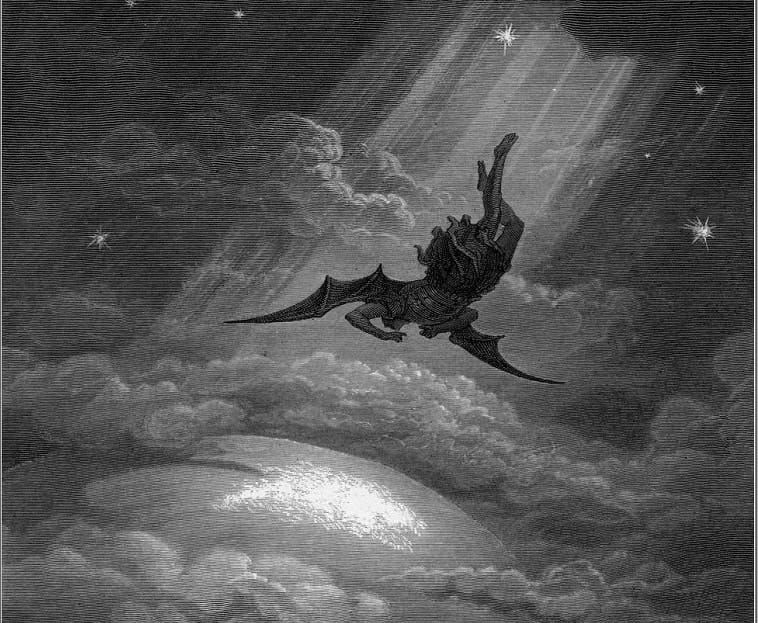
The pivotal moment in Lucifer’s brand transformation occurred within religious texts, particularly through interpretations of the Hebrew Bible and later Christian theology. The key passage often cited is Isaiah 14:12, which, in some English translations (like the King James Version), refers to the “morning star” or “day star” falling from heaven. The original Hebrew text, helel ben shaḥar, translates to “shining one, son of the morning.” This passage was initially understood to refer to the fallen King of Babylon, a metaphorical description of his earthly downfall. However, early Christian theologians, notably Jerome in his Latin Vulgate translation, rendered helel as “Lucifer.”
This translation inadvertently linked the celestial “light-bringer” with the metaphorical description of a proud, fallen king. Over centuries, this interpretation solidified, becoming synonymous with the rebellious angel who defied God and was cast out of heaven. The story of this “fall from grace” became deeply interwoven with the name, morphing “Lucifer” from an astronomical identifier into the personification of divine opposition and ultimate evil. This was a narrative hijacking of epic proportions, an involuntary “rebranding” that redefined the entity entirely through theological doctrine and myth-making.
Cultural Rebranding: Symbolism and Mythology
Beyond scriptural interpretations, the “rebranding” of Lucifer was cemented through centuries of cultural production. Literature, art, and folklore began to depict Lucifer not as the Morning Star, but as the archetypal adversary, the devil, Satan. Figures like John Milton in Paradise Lost solidified this image, crafting a compelling narrative of pride, rebellion, and tragic grandeur that resonated deeply with Western consciousness. This pervasive cultural reinforcement ensured that the new, darker brand identity became firmly entrenched, overriding the original meaning for vast swathes of the population. The name became shorthand for temptation, darkness, and damnation, a complete inversion of its pristine origins. This demonstrates how cultural narratives, particularly those with broad reach and emotional resonance, can become the most powerful shapers of brand perception, regardless of original intent.

The Power of Storytelling in Identity Formation
The trajectory of “Lucifer” unequivocally illustrates the immense power of storytelling in forging and altering identity. A single narrative, disseminated and reinforced over time, possessed the capacity to transform a benevolent celestial symbol into a malevolent spiritual entity. This phenomenon underscores a crucial lesson for modern branding: the stories we tell about a brand, the narratives we build around its purpose and values, are ultimately more potent than its initial designation. A brand’s meaning is not static; it is fluid, shaped by interpretation, context, and the cultural landscape in which it exists. Effective branding requires not only creating a compelling initial story but also actively managing and adapting that narrative as culture evolves.
The Enduring Impact of a Name: Lessons for Modern Branding
The saga of “Lucifer” provides a profound historical lesson for contemporary brand strategists. It underscores the fragility of original intent and the immense power of collective interpretation in defining a name’s ultimate meaning and impact. For any brand, big or small, understanding these dynamics is crucial for crafting an identity that is resilient, resonant, and accurately reflects its desired positioning.
Semantics and Perception: Why Names Matter
The journey of “Lucifer” highlights that names are not inert labels; they are semantic vessels carrying layers of meaning, connotation, and emotional baggage. While the original “light-bringer” was inherently positive, its later association with negativity completely overshadowed this. This demonstrates that a name’s perceived meaning can diverge wildly from its etymological roots, especially when powerful narratives intervene. For modern branding, this emphasizes the criticality of name selection. A strong brand name should ideally align with its intended values, be memorable, and avoid unintended negative connotations or ambiguities that could be exploited or misinterpreted. Even names with positive initial meanings can be vulnerable to shifts in cultural context or deliberate misdirection, underscoring the need for proactive semantic management.
Reputation Management and Narrative Control
The transformation of “Lucifer” is a stark example of a complete reputation overhaul, not through strategic marketing but through profound cultural and religious reinterpretation. This historic case reminds us that reputation is a living entity, constantly shaped by external forces. For contemporary brands, this translates into the imperative of robust reputation management and narrative control. Brands must actively monitor public perception, engage with their audience, and consistently reinforce their core message to prevent misinterpretation or negative associations from taking root. In the digital age, where narratives spread rapidly, understanding the potential for a “rebranding” – whether intentional or not – is paramount. A brand’s narrative must be clear, consistent, and compelling enough to withstand competing interpretations.
Understanding Brand Evolution Over Time
“Lucifer” offers a millennia-long view of brand evolution, demonstrating that a name’s meaning is rarely static. What begins as a clear, positive identifier can, through a confluence of cultural, religious, and historical factors, become something entirely different. This provides a critical insight: brands are not built once and for all; they evolve. Successful branding strategies must account for this temporal fluidity, anticipating potential shifts in cultural understanding, consumer values, and market dynamics. It’s about building a brand that can adapt, perhaps even pivot, while retaining its core essence, or, as in the case of Lucifer, understanding when a complete transformation has occurred.
Crafting Brand Identity: Insights from Lucifer’s Journey
The historical trajectory of “Lucifer” serves as a unique masterclass in the complexities of brand identity. It provides valuable lessons not just on the power of a name, but also on the delicate balance between original intent, public perception, and the enduring influence of narrative. Modern brands, in their quest for unique and impactful identities, can glean profound wisdom from this ancient story.
The Double-Edged Sword of Ambiguous Naming
While “Lucifer” initially had a clear, positive meaning, its metaphorical application in religious texts introduced an ambiguity that ultimately led to its radical redefinition. For brands today, this highlights the double-edged sword of ambiguous or highly symbolic naming. While such names can be intriguing and evocative, they also carry the risk of multiple interpretations, some of which may be undesirable. A brand strategist must weigh the potential for rich symbolism against the risk of misinterpretation, ensuring that the chosen name’s primary associations are aligned with the brand’s desired message. Clarity, especially in a crowded market, often trumps overly cryptic or open-ended nomenclature.
Leveraging Etymology for Authenticity
Paradoxically, the “Lucifer” story also underscores the power of etymology in establishing an authentic brand foundation. Had its original “light-bringer” meaning been consistently maintained and reinforced, its identity might have remained untainted. For contemporary brands, understanding the etymological roots of a name, or even creating a name with purposeful etymological meaning, can lend gravitas, authenticity, and a sense of timelessness. Brands like “Volvo” (I roll) or “Audi” (hear, from audire) leverage their Latin roots to convey core attributes like reliability or sound quality. This deliberate connection to origin can provide a stable bedrock for a brand’s narrative, making it harder for external forces to fundamentally alter its core identity.
Anticipating and Managing Brand Reinterpretation
Finally, the epic shift in “Lucifer’s” meaning teaches brands to anticipate and proactively manage reinterpretation. No brand exists in a vacuum; its meaning is constantly being negotiated and redefined by its audience, competitors, and the broader cultural context. Effective branding is not just about launching an identity; it’s about stewarding it through time. This involves vigilant monitoring of public discourse, rapid response to emerging narratives, and strategic communication to reinforce desired perceptions. The tale of “Lucifer” is a powerful reminder that while a brand’s name may be chosen with specific intent, its ultimate meaning is forged in the crucible of collective human experience and the relentless power of shared stories.
aViewFromTheCave is a participant in the Amazon Services LLC Associates Program, an affiliate advertising program designed to provide a means for sites to earn advertising fees by advertising and linking to Amazon.com. Amazon, the Amazon logo, AmazonSupply, and the AmazonSupply logo are trademarks of Amazon.com, Inc. or its affiliates. As an Amazon Associate we earn affiliate commissions from qualifying purchases.