
In the intricate landscape of brand strategy and personal identity, a name carries significant weight, often serving as the very foundation upon which perception and recognition are built. The question “what does Lucero mean?” extends beyond a simple linguistic query; it delves into the profound implications of nomenclature for identity, market positioning, and audience connection. To understand the meaning of “Lucero” is to explore its etymological roots, cultural resonance, and its powerful application as a personal or corporate brand.
The Intrinsic Power of a Name in Branding
A name is more than just a label; it’s a potent identifier that evokes imagery, associations, and emotions. For brands, whether personal or corporate, the chosen name is the first touchpoint, a critical element in establishing distinctiveness and memorability. Its meaning can subconsciously shape how an audience perceives values, attributes, and even the core purpose of the entity it represents.
Etymological Roots and Symbolic Weight
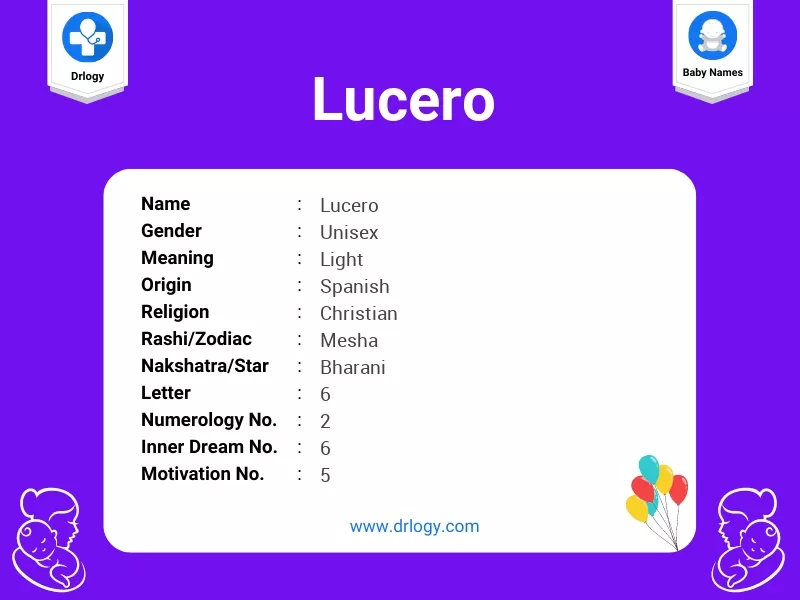
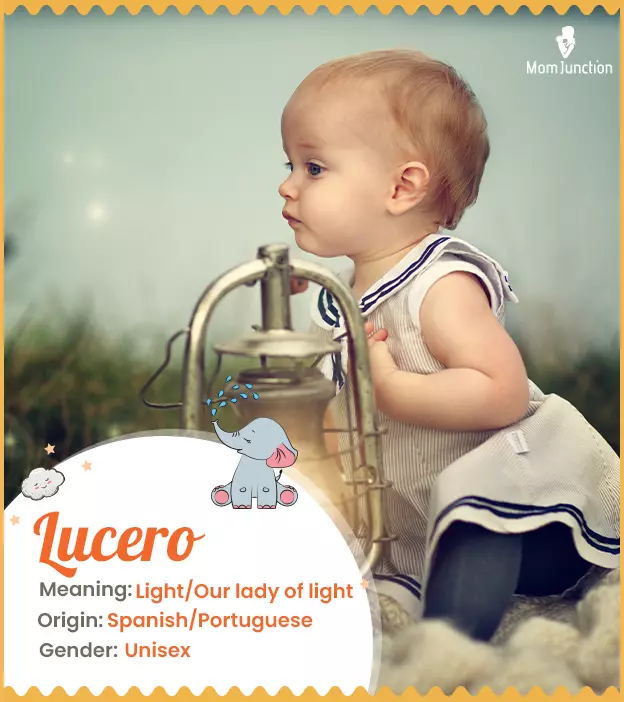
The name “Lucero” originates from Spanish and carries a beautiful and evocative meaning: “light-bringer,” “morning star,” or “bright star.” Derived from the Latin “lucifer,” meaning “light-bringing,” it specifically refers to Venus, the planet visible as both the morning and evening star. This etymological foundation imbues the name with intrinsic symbolism of illumination, guidance, prominence, and beauty. For a brand, such a foundational meaning offers a rich tapestry of connotations:
- Illumination: Suggests clarity, innovation, knowledge, or shedding light on solutions.
- Guidance: Implies leadership, direction, or a beacon for customers.
- Prominence: Denotes visibility, distinction, and standing out in a crowded market.
- Beauty/Elegance: Reflects aesthetic quality, sophistication, or captivating appeal.
These inherent attributes can be leveraged to craft a powerful narrative, aligning a brand’s mission and values with the aspirational qualities embedded within its name. A brand named “Lucero” could intrinsically communicate hope, direction, and brilliance even before its products or services are fully explored.
Cultural Context and Resonance
Beyond its literal translation, the meaning of “Lucero” is amplified by its cultural context, particularly in Spanish-speaking regions. It is a recognized and often beloved name, frequently associated with grace and an ethereal quality. This cultural familiarity can be an immense asset for a brand seeking to connect with Hispanic audiences. The name carries a certain warmth and recognition that can foster immediate trust and affinity, bypassing the need for extensive introductory branding efforts that a less familiar or more abstract name might require. For a personal brand, such as a performer or public figure, this cultural resonance translates into an immediate human connection, making the individual more approachable and relatable to a specific demographic, while still possessing universal appeal due to the positive connotations of “light” and “star.”
Lucero as a Personal Brand: A Case Study in Longevity and Authenticity
When analyzing “Lucero” through the lens of personal branding, particularly in reference to public figures like the renowned Mexican singer and actress Lucero León, the name becomes inseparable from the individual’s identity, career trajectory, and enduring market presence. Her decades-long career exemplifies how a personal brand, deeply rooted in a meaningful name, can achieve remarkable longevity and authenticity.
From Name to Icon: Building Recognition
Lucero, the artist, has become synonymous with her mononym. Her personal brand effectively leverages the inherent qualities of her name: she is often seen as a radiant, guiding, and prominent figure in Latin entertainment. From her early days as a child star, her name “Lucero” (meaning “morning star”) perfectly encapsulated her burgeoning talent and her emergence as a bright new talent. This alignment between her stage name and her perceived persona was organic and powerful, helping to solidify her image in the public consciousness. Her brand identity has always emphasized purity, professionalism, and a captivating stage presence, all of which resonate with the “light-bringer” symbolism.
Crafting a Narrative Through Identity
A successful personal brand tells a consistent story. Lucero’s narrative has been built around themes of resilience, versatility, and an unwavering connection with her audience. The “star” aspect of her name has been reinforced through consistent performances, high-profile roles, and a sustained presence in the media. Her brand marketing has historically focused on her talent, charisma, and the positive impact she has had on her fans, all reflecting the uplifting connotations of her name. This intentional alignment between her name’s meaning and her public persona creates a powerful, cohesive brand narrative that is easy for audiences to understand and connect with emotionally.
Adaptability and Enduring Appeal
One of the hallmarks of a strong personal brand is its ability to adapt without losing its core identity. Lucero has successfully navigated various eras of entertainment, transitioning from child star to teen idol, then to a respected adult artist in music, television, and film. Throughout these transformations, the fundamental perception of her as a “bright star” has remained constant. Her brand has shown flexibility in adapting to new platforms and audience demographics while consistently upholding the core values associated with her name: quality, professionalism, and a radiant presence. This adaptability, underpinned by a consistent and meaningful brand identity, has ensured her enduring appeal across generations.
Corporate Identity and Naming Strategies: Lessons from ‘Lucero’
The principles observed in personal branding apply equally, if not more rigorously, to corporate identity. The choice of a company, product, or service name is a strategic decision that can profoundly influence market perception, brand recall, and long-term success. The inherent meaning of a name like “Lucero” offers valuable insights into effective naming strategies.
The Psychology of Brand Naming
Consumers often make subconscious judgments about a brand based solely on its name. A name like “Lucero” benefits from positive psychological associations. Words related to light, stars, and guidance generally evoke feelings of optimism, trust, and quality. For a corporate entity, adopting such a name can instantly confer these attributes, positioning the brand as innovative, reliable, and forward-thinking. This psychological priming can be particularly advantageous in competitive sectors where differentiation is key. A tech company named “Lucero” might suggest cutting-edge solutions, a financial firm could imply clarity and guidance, and a lifestyle brand might evoke elegance and aspiration.
Global Reach and Linguistic Considerations
When considering a name for global markets, linguistic and cultural nuances are paramount. “Lucero,” while deeply rooted in Spanish, possesses a meaning that translates positively across many cultures (light, star). This universal appeal reduces the risk of unintended negative connotations in different languages, a common pitfall in international branding. Companies aiming for a broad, diverse audience often seek names that are pronounceable, memorable, and carry positive or neutral associations globally. “Lucero” largely fits this criterion, offering a distinct yet accessible identity. However, any brand venturing into diverse markets must always conduct thorough linguistic and cultural checks to ensure the name resonates as intended in all target regions.
Protecting and Evolving Brand Meaning
Once a meaningful name like “Lucero” is chosen, protecting its brand equity becomes crucial. This involves trademarking, consistent brand messaging, and managing public perception. A brand’s meaning is not static; it evolves with every customer interaction, marketing campaign, and product launch. The initial positive associations of “Lucero” must be consistently reinforced through quality products, excellent service, and ethical practices. If a brand named “Lucero” were to deliver a sub-par experience, the initial positive meaning could be diluted, replaced by negative associations. Therefore, strategic brand management is essential to not only preserve but also to enrich the meaning and value of the name over time.
Leveraging Meaning for Market Impact
Ultimately, understanding what “Lucero” means provides a blueprint for how brands can harness the power of nomenclature to achieve significant market impact. It’s about more than just a dictionary definition; it’s about strategic deployment of meaning.
Aligning Brand Values with Name Perception
The most effective brands achieve strong alignment between their core values and how their name is perceived. For a brand carrying the name “Lucero,” this means ensuring that its operations, products, and communications consistently reflect qualities of brilliance, guidance, and positivity. If a company named Lucero positions itself as a leader in sustainable energy, the name perfectly reinforces its mission to “bring light” to a greener future. If it’s a luxury goods brand, “Lucero” can signify exceptional quality and a radiant lifestyle. This deliberate alignment strengthens brand identity and fosters deeper customer loyalty.
Communication and Storytelling
A name with inherent meaning provides a rich starting point for brand storytelling. Marketing campaigns can weave narratives that draw on the “morning star” imagery, positioning the brand as innovative, a pathfinder, or a source of inspiration. This narrative framework makes the brand more engaging and memorable. Instead of simply listing features, a brand named “Lucero” can tell a story of guiding customers towards better solutions, illuminating new possibilities, or shining brightly in its industry. This narrative depth transcends mere product specifications, building an emotional connection with the audience.

Measurement and Brand Equity
The true impact of a meaningful name is reflected in its brand equity — the commercial value that derives from consumer perception of the brand name. For a name like “Lucero,” strong brand equity would manifest in high brand recognition, positive brand associations, and a willingness among consumers to pay a premium for its products or services. Measuring brand equity involves tracking metrics such as brand awareness, customer loyalty, perceived quality, and brand associations. A name like “Lucero,” when consistently managed and nurtured, has the potential to accumulate significant brand equity, becoming an invaluable asset that differentiates the brand and drives long-term success in the marketplace.
In conclusion, “what does Lucero mean?” is a question that unlocks layers of insight into branding. It underscores how deeply a name’s etymology, cultural context, and symbolic weight can influence perception, guide strategy, and ultimately define a brand’s enduring legacy in the hearts and minds of its audience.
aViewFromTheCave is a participant in the Amazon Services LLC Associates Program, an affiliate advertising program designed to provide a means for sites to earn advertising fees by advertising and linking to Amazon.com. Amazon, the Amazon logo, AmazonSupply, and the AmazonSupply logo are trademarks of Amazon.com, Inc. or its affiliates. As an Amazon Associate we earn affiliate commissions from qualifying purchases.