
The iconic “LS” badge emblazoned on countless Chevrolet vehicles isn’t just a cosmetic flourish; it represents a revolution in internal combustion engine technology that has defined a generation of performance, efficiency, and innovation for the American automotive giant. For enthusiasts and everyday drivers alike, understanding the significance of “LS” unlocks a deeper appreciation for the engineering prowess that has propelled Chevrolet to the forefront of the automotive industry. This isn’t merely a designation; it’s a lineage, a testament to a design philosophy that prioritized power, adaptability, and a relentless pursuit of improvement. From its humble beginnings to its current ubiquitous presence, the LS engine family has become synonymous with the modern Chevy experience, influencing everything from track-day beasts to reliable family haulers.
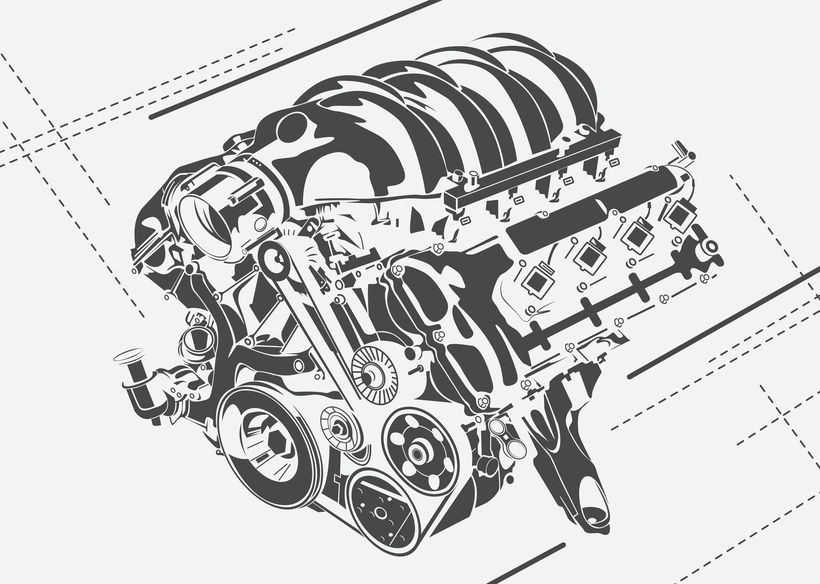
The Genesis of an Icon: Birth of the LS Engine Family
The story of the LS engine is inextricably linked to Chevrolet’s ambition to create a V8 powerplant that could meet the evolving demands of the late 20th century. This wasn’t a simple iteration; it was a paradigm shift, born out of a desire for more power, better fuel economy, and a more compact, lighter design.
Revolutionizing V8 Design: The Small Block’s Evolution
The original “small-block” Chevy V8, a design dating back to the 1950s, had served the brand admirably for decades. However, by the 1990s, it was showing its age in terms of efficiency and emissions standards. The engineers at GM recognized the need for a radical redesign, one that would retain the beloved V8 character while incorporating cutting-edge technology. This led to the development of the LS1 engine, the progenitor of the entire LS family.
The LS1 was a marvel of its time, featuring an aluminum block and cylinder heads, significantly reducing weight compared to its iron-clad predecessors. This lightweight construction contributed to improved handling and fuel efficiency. Furthermore, the adoption of coil-on-plug ignition systems, a distributorless ignition, and a more sophisticated fuel injection system allowed for precise control over combustion, leading to increased power output and cleaner emissions. The introduction of a 3.9-inch bore and 3.27-inch stroke offered a balance of displacement and rev-happy characteristics, making it a versatile platform. The robust nodular iron crankshaft and the robust connecting rod design further emphasized its performance credentials.
The “LS” Nomenclature: More Than Just a Letter and a Number
The “LS” designation itself is part of a long-standing Chevrolet internal naming convention for engines. While the exact origin of the “L” and “S” can be debated and are often subject to GM’s internal product codes that change over time, in the context of these modern V8s, “LS” has become shorthand for this specific, revolutionary engine architecture. It signifies a departure from older engine families and represents a new era of performance and technology. It’s a simple yet powerful identifier that has resonated with car enthusiasts and automotive journalists globally, cementing its place in automotive history. The initial LS1 engine, found in the 1997 Corvette, marked the beginning of this legendary lineage, and its success paved the way for a cascade of increasingly powerful and sophisticated LS variants.
The LS Engine Family Tree: Diversity and Dominance
The success of the LS1 was not an endpoint but a launchpad. Chevrolet meticulously refined and expanded the LS engine architecture, creating a diverse family of powerplants that found their way into an astonishing array of vehicles, from high-performance sports cars to robust trucks and SUVs. This adaptability is a key factor in the LS engine’s enduring legacy.
From 5.7L to Beyond: Evolution of Displacement and Features
The LS engine family is characterized by its modular design, allowing for relatively straightforward variations in displacement and features. The initial 5.7-liter LS1 was quickly followed by other popular displacements, including the 5.3-liter (often found in trucks and SUVs), the 6.0-liter, and the legendary 7.0-liter (7000cc) LS7. Each of these variations was carefully tuned to meet the specific performance and efficiency targets of the vehicles they powered.
Key technological advancements continued to be integrated across the LS family. For instance, the introduction of Variable Valve Timing (VVT) in later LS engines, such as the LS4, LS7, and the truck-based L76 and L92, further optimized power delivery and fuel economy across the engine’s operating range. This technology allowed the engine’s camshafts to adjust their timing based on engine load and speed, providing more torque at lower RPMs and more horsepower at higher RPMs. The adoption of Active Fuel Management (AFM) also became a common feature in many LS engines, allowing the engine to shut down cylinders under light load conditions to improve fuel efficiency. These iterative improvements, built upon the foundational LS architecture, ensured its relevance and competitiveness in a constantly evolving automotive landscape.
Powertrain Integration: The LS in Every Niche
The LS engine’s versatility is arguably its greatest strength. Chevrolet strategically deployed various LS variants across its product portfolio, demonstrating their ability to adapt to different vehicle types and performance requirements.
- Corvette: The LS engine is practically synonymous with the Chevrolet Corvette. From the LS1 in the C5 to the supercharged LS9 in the C6 ZR1 and the naturally aspirated LS7 in the Z06, the Corvette has consistently showcased the pinnacle of LS performance.
- Camaro: The iconic muscle car, the Camaro, has also heavily relied on LS power, from the LS1 in the fifth-generation Camaro to the powerful LS3 and supercharged LSA engines found in performance variants.
- Trucks and SUVs: Chevrolet’s Silverado, Sierra, Tahoe, and Suburban have all benefited from the robust torque and reliable power of LS engines, particularly the 5.3-liter and 6.0-liter variants. These engines provide the necessary grunt for towing, hauling, and everyday driving.
- Performance Sedans and Other Models: Beyond its flagship performance vehicles and trucks, LS engines have also powered a variety of other Chevrolet models, including the GTO, SSR, and even found their way into Cadillac and Pontiac vehicles within the GM umbrella, highlighting their widespread appeal and engineering excellence.

The LS Engine’s Technological Edge: Innovation Under the Hood
The enduring appeal of the LS engine family lies not just in its power but in the sophisticated technologies that underpin its performance and efficiency. These advancements have consistently kept the LS at the cutting edge of internal combustion engine design.
Advanced Valvetrain and Combustion Technologies
The LS engine family has been a pioneer in integrating advanced valvetrain and combustion technologies that contribute to its impressive power and efficiency.
- Pushrod Design with Modern Enhancements: While retaining the classic pushrod V8 architecture, Chevrolet engineers significantly modernized it. The LS engines feature a relatively compact overhead valve (OHV) design but incorporate roller rockers, improved camshaft profiles, and high-flow cylinder heads. This design offers a favorable balance of power density, packaging size, and durability, making it a favorite for performance applications.
- Four-Bolt Main Bearing Caps: A hallmark of the LS engine’s robustness is its use of four-bolt main bearing caps on the crankshaft. This provides exceptional structural integrity, allowing the engine to withstand the immense stresses of high performance and boosted applications without significant risk of crankshaft flex or bearing failure.
- Deep-Skirts and Integrated Oil Pump/Pickup: The engine block design of the LS features deep skirts, which enhance rigidity and torsional stiffness. The integrated oil pump and pickup system is also a significant design feature, contributing to a compact package and efficient lubrication.
Intake and Exhaust Systems: Optimizing Airflow and Sound
The design of the intake and exhaust systems plays a crucial role in an engine’s performance and character, and the LS engine family has seen continuous refinement in these areas.
- High-Flow Cylinder Heads: The LS engine family is renowned for its excellent cylinder head design, which allows for efficient airflow into and out of the combustion chambers. These heads, often featuring large intake and exhaust valves, are a key contributor to the engine’s ability to breathe deeply and generate significant power.
- Intake Manifold Design: Over the years, Chevrolet has experimented with various intake manifold designs to optimize torque and horsepower delivery for different applications. From the composite intake manifolds on earlier LS1s to the larger, more free-flowing aluminum intakes on later variants, each design was tailored to the engine’s intended purpose.
- Exhaust Manifold and System Integration: The exhaust manifolds are designed to efficiently scavenge exhaust gases, reducing backpressure and improving overall engine breathing. This is particularly critical in performance applications where maximizing horsepower is paramount. The integration of the exhaust system with the chassis also contributes to the characteristic rumble and roar of LS-powered vehicles.
The Enduring Legacy and Future of the LS Engine
The LS engine’s impact on the automotive landscape is undeniable. Its combination of power, efficiency, adaptability, and aftermarket support has made it a legend. While newer engine technologies are emerging, the LS family’s influence continues to shape the future of automotive engineering.
Aftermarket Support and Customization: The Enthusiast’s Playground
One of the most significant factors contributing to the LS engine’s enduring popularity is the vast and vibrant aftermarket community that surrounds it. Enthusiasts have embraced the LS for its inherent strength and adaptability, leading to an explosion of performance parts and tuning options.
- Performance Upgrades: From simple bolt-on modifications like cold-air intakes and exhaust systems to more extensive upgrades such as camshaft swaps, supercharger kits, and turbocharger installations, the LS engine can be transformed to produce incredible power levels. This ease of modification makes it a favorite for drag racing, autocross, and custom build projects.
- Engine Swaps: The LS engine has become a popular choice for engine swaps into a wide range of vehicles, both classic and modern. Its compact size, power-to-weight ratio, and readily available parts make it an attractive option for enthusiasts looking to modernize or enhance the performance of their vehicles. This has led to LS-powered classics, hot rods, and even imports, showcasing its incredible versatility.
- Community and Knowledge Sharing: Online forums, social media groups, and specialized automotive publications are filled with LS engine enthusiasts eager to share their knowledge, experiences, and build diaries. This strong community support ensures that the LS legacy continues to grow and evolve.

Transition to New Technologies: The Dawn of the Gen-V and Beyond
While the LS engine family has achieved legendary status, the automotive industry is in constant flux, driven by stricter emissions regulations and the push towards electrification. Chevrolet, like all major automakers, is actively developing and implementing new powertrain technologies.
- The Gen-V Small Block: The successor to the LS family is the Gen-V small-block engine, which debuted with the LT1 engine. The LT1 and subsequent LT-series engines build upon the LS foundation but incorporate further advancements such as direct fuel injection (DFI), advanced cylinder deactivation systems, and revised valvetrain configurations. While sharing a lineage, the LT engines represent a significant technological leap, aiming to improve efficiency and performance even further.
- The Road Ahead: Electrification and Alternative Fuels: The long-term future of internal combustion engines is a topic of ongoing debate. However, the engineering principles and lessons learned from the LS engine family are invaluable as manufacturers explore hybrid powertrains and fully electric vehicles. The focus on efficiency, power density, and robust design that defined the LS continues to inform the development of next-generation automotive technologies.
The “LS” on a Chevy is more than just an engine designation; it’s a symbol of Chevrolet’s engineering prowess, a testament to the enduring appeal of the V8 engine, and a cornerstone of automotive performance. Its legacy is etched in the roar of powerful engines and the thrill of spirited drives, a legacy that continues to inspire and captivate enthusiasts around the world.
aViewFromTheCave is a participant in the Amazon Services LLC Associates Program, an affiliate advertising program designed to provide a means for sites to earn advertising fees by advertising and linking to Amazon.com. Amazon, the Amazon logo, AmazonSupply, and the AmazonSupply logo are trademarks of Amazon.com, Inc. or its affiliates. As an Amazon Associate we earn affiliate commissions from qualifying purchases.