
In the current landscape of consumer electronics, health has become the ultimate “killer app.” For years, we measured the value of our technology by processing speeds, screen resolutions, and storage capacities. Today, however, a new metric has taken center stage on the wrists of millions: Cardio Fitness. Whether you are using an Apple Watch, a Garmin, or a WHOOP strap, you may have encountered a notification or a chart indicating that your cardio fitness is “Low.”
But what does this metric actually mean within the context of the modern tech ecosystem? In the world of biometric data and algorithmic health, “Low Cardio Fitness” is more than just a medical observation; it is a data point generated by complex software interpreting physiological signals. Understanding this metric requires a deep dive into how wearable sensors operate, how AI interprets heart rate data, and how the technology industry is reshaping our understanding of human longevity through predictive analytics.
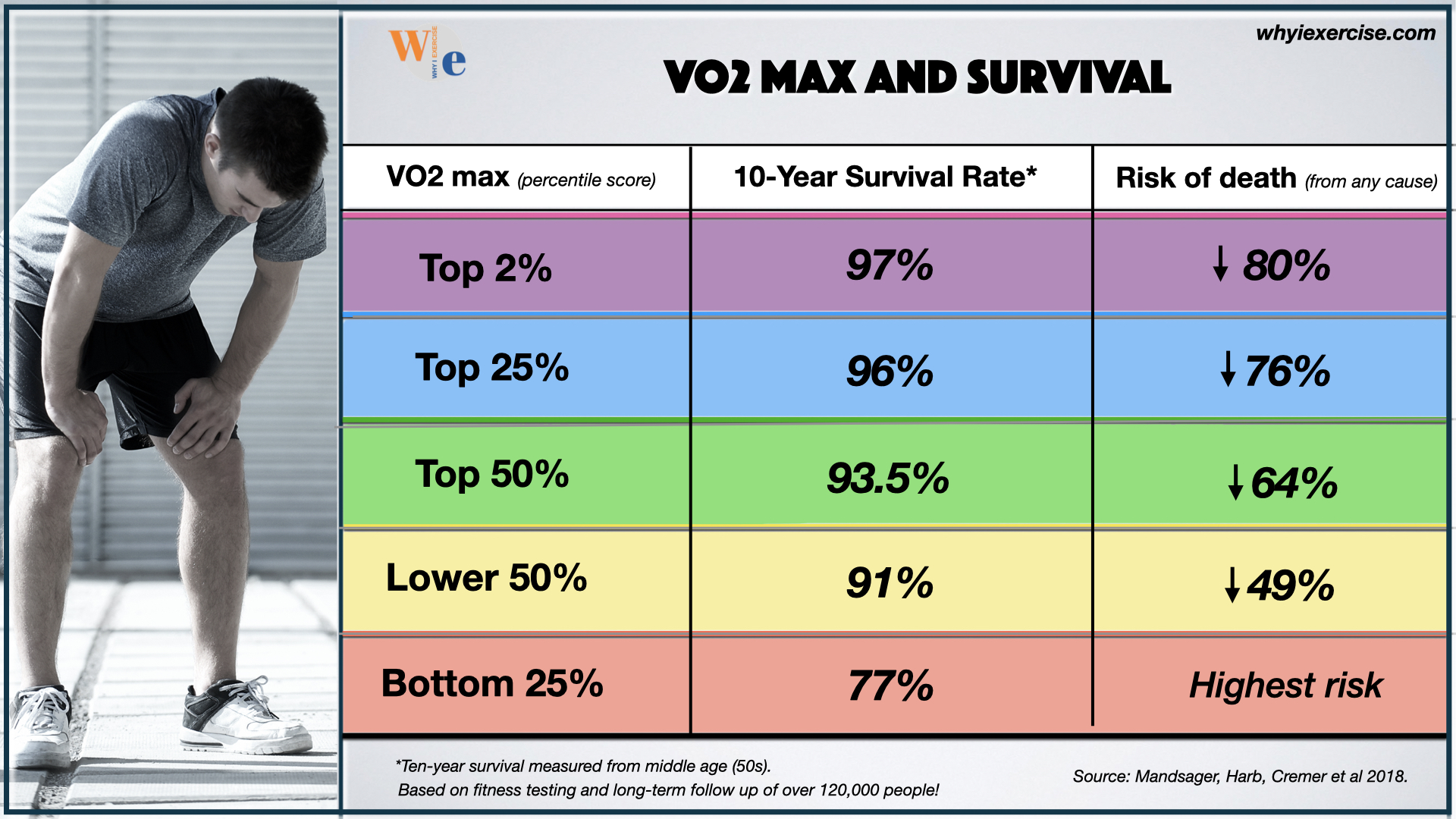
The Biometric Revolution: Defining Cardio Fitness in a Digital World
At its core, cardio fitness—often labeled as VO2 max in technical specifications—is a measure of aerobic capacity. It represents the maximum amount of oxygen your body can utilize during intense exercise. Historically, measuring this required a laboratory setting, a treadmill, and a metabolic cart equipped with a face mask to capture gas exchange. It was a high-touch, analog process reserved for elite athletes and clinical research.
From Lab to Wrist: The Evolution of VO2 Max
The tech industry’s greatest achievement in the health space has been the democratization of this lab-grade metric. Through the use of Photoplethysmography (PPG) sensors—the green lights on the back of your smartwatch—tech companies can now estimate VO2 max with surprising accuracy. These sensors detect blood volume changes in the tissue, allowing the device to calculate heart rate and heart rate variability (HRV).
When a device informs you of “Low Cardio Fitness,” it is synthesizing several data streams: your resting heart rate, your heart rate response to walking or running, and demographic data like age, sex, and weight. For the tech-savvy consumer, this score is a benchmark of internal efficiency, indicating how well your “biological hardware” is performing under load.
How Algorithms Estimate Your Fitness Levels
The software behind these estimations is where the real “magic” happens. Companies like Firstbeat Analytics (acquired by Garmin) and Apple’s health teams use proprietary algorithms to map sub-maximal exertion to predicted maximum capacity. If your device flags your fitness as low, the algorithm has detected that your heart has to work harder than statistically expected for a person of your profile at a given pace. From a software perspective, this is an efficiency “bug” that the user is encouraged to patch through physical optimization.
Deciphering the “Low” Notification: What Your Gadget is Really Telling You
When a user sees a “Low” status on their health dashboard, the immediate reaction is often one of concern. However, in the tech world, data is only as good as its context. A “Low Cardio Fitness” reading is a signal derived from a specific set of constraints and software assumptions.
The Correlation Between Heart Rate Variability (HRV) and Fitness Scores
Modern wearables do not just look at how fast your heart beats; they look at the timing between those beats. This is known as Heart Rate Variability (HRV). Tech enthusiasts often track HRV as a proxy for the state of the autonomic nervous system. A low cardio fitness score often correlates with low HRV readings over time. If the device’s software detects a consistent trend of low variability combined with high exertion heart rates, it triggers a “Low” status. In the language of tech, this is an “exception report,” notifying the user that their biological system is currently operating in a low-power, high-stress state.
Data Accuracy and the “Medical-Grade” Debate
It is vital to recognize the limitations of the hardware. While the sensors in modern gadgets are sophisticated, they are subject to “noise.” Factors such as skin tone (which can affect light absorption in PPG sensors), ambient temperature, and even how tightly the band is fastened can influence the data.
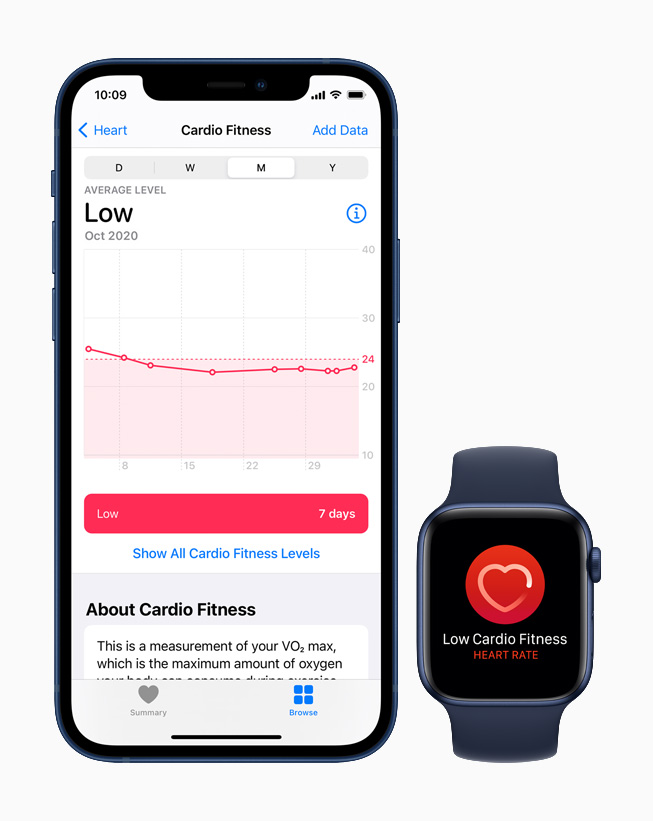
A “Low” reading might occasionally be a false positive caused by a software glitch or a sensor misread during a high-intensity interval. As we move toward “Software as a Medical Device” (SaMD) certifications, tech companies are under increasing pressure to ensure these metrics are reliable. For the user, a “Low” score should be viewed as a trend line rather than a single, infallible truth. It is a prompt for the user to troubleshoot their lifestyle—looking at sleep, stress, and activity levels—much like a developer would troubleshoot a slow-loading application.
The Tech Stack of Transformation: Turning Data into Action
The tech industry does not just provide the problem; it provides the solution. Once a user identifies a “Low Cardio Fitness” status, they enter a digital ecosystem designed to optimize that metric. This is where the intersection of AI, mobile apps, and cloud computing becomes transformative.
AI-Driven Coaching and Hyper-Personalized Training
We are seeing the rise of “AI Coaches” embedded within health apps. Platforms like WHOOP and Oura use generative AI and machine learning to analyze why your cardio fitness might be low and suggest specific interventions. If the data shows your score is low due to a lack of high-intensity stimulus, the software will push a personalized workout plan to your device. This is “Biotechnology” in its most literal sense—using computational power to drive physiological change.
Gamification and Social Fitness Ecosystems
The software response to a low fitness score is often rooted in behavioral economics and gamification. Strava, Peloton, and Apple Fitness+ use social loops and “rings” to incentivize the user to move from a “Low” to a “High” category. The goal is to turn the abstract concept of aerobic capacity into a digital game. By closing rings or climbing leaderboards, users are performing “system updates” on their own bodies. The tech turns the daunting task of improving heart health into a series of achievable, data-backed milestones.
Privacy, Longevity, and the Future of Health Tech
As we look toward the future, the meaning of “Low Cardio Fitness” extends beyond the individual and into the realm of “Big Data” and predictive analytics. The implications for the tech industry are profound, touching on everything from longevity research to digital security.
Predictive Analytics: Beyond Today’s Workout
Tech giants are increasingly viewing cardio fitness as a “vital sign” comparable to blood pressure. Extensive longitudinal studies conducted by tech companies have shown that low cardio fitness is a strong predictor of future health complications. In the future, your smartwatch might not just tell you that your fitness is low today; it might use predictive modeling to show you your projected health trajectory over the next decade. This is the ultimate goal of “Proactive Tech”—moving from reactive gadgets to predictive health partners.
The Ethical Implications of Biometric Tracking
With great data comes great responsibility. If a device can identify “Low Cardio Fitness,” who else has access to that information? As the line between consumer tech and healthcare blurs, the security of this data becomes paramount. There is a growing conversation in the tech world about “Biometric Privacy.” Could an insurance company, for instance, raise premiums based on a “Low” cardio fitness notification from your cloud-synced account? This is the darker side of the tech niche, where the data that helps us improve our lives could potentially be used to categorize us.
Conclusion: The New Interface of Human Health
In conclusion, “Low Cardio Fitness” in the tech world is far more than a simple health warning. It is a sophisticated metric born from the marriage of optical sensors, complex algorithms, and cloud-based analytics. It represents a shift in how we interface with our own bodies, treating the human heart as a system that can be monitored, analyzed, and optimized through technology.
For the tech enthusiast, a “Low” score is an invitation to engage with the digital health stack. It is an opportunity to leverage AI coaching, participate in gamified fitness ecosystems, and take control of one’s biological data. As wearable technology continues to evolve, our ability to interpret and act on these metrics will only sharpen. We are no longer just users of technology; we are the subjects of a massive, real-time biological data experiment, and our cardio fitness score is the most important dashboard metric we have.
aViewFromTheCave is a participant in the Amazon Services LLC Associates Program, an affiliate advertising program designed to provide a means for sites to earn advertising fees by advertising and linking to Amazon.com. Amazon, the Amazon logo, AmazonSupply, and the AmazonSupply logo are trademarks of Amazon.com, Inc. or its affiliates. As an Amazon Associate we earn affiliate commissions from qualifying purchases.