
In the realm of modern marketing and corporate identity, language is more than a tool for communication; it is a repository of cultural history, social cues, and potential liabilities. For brand strategists, understanding the weight of idiomatic expressions is essential for maintaining brand safety and resonance. One such phrase that often surfaces in discussions regarding historical subtext and consumer sensitivity is “light in the loafers.”
While the phrase may sound innocuous to the uninitiated, its origins and historical usage carry significant weight. For a brand to thrive in a globalized, socially conscious market, it must master the art of linguistic precision. This article explores the meaning of “light in the loafers,” its evolution, and the critical lessons it provides for brand strategy, inclusive marketing, and corporate identity.
The Etymology and Evolution of Coded Language in Branding
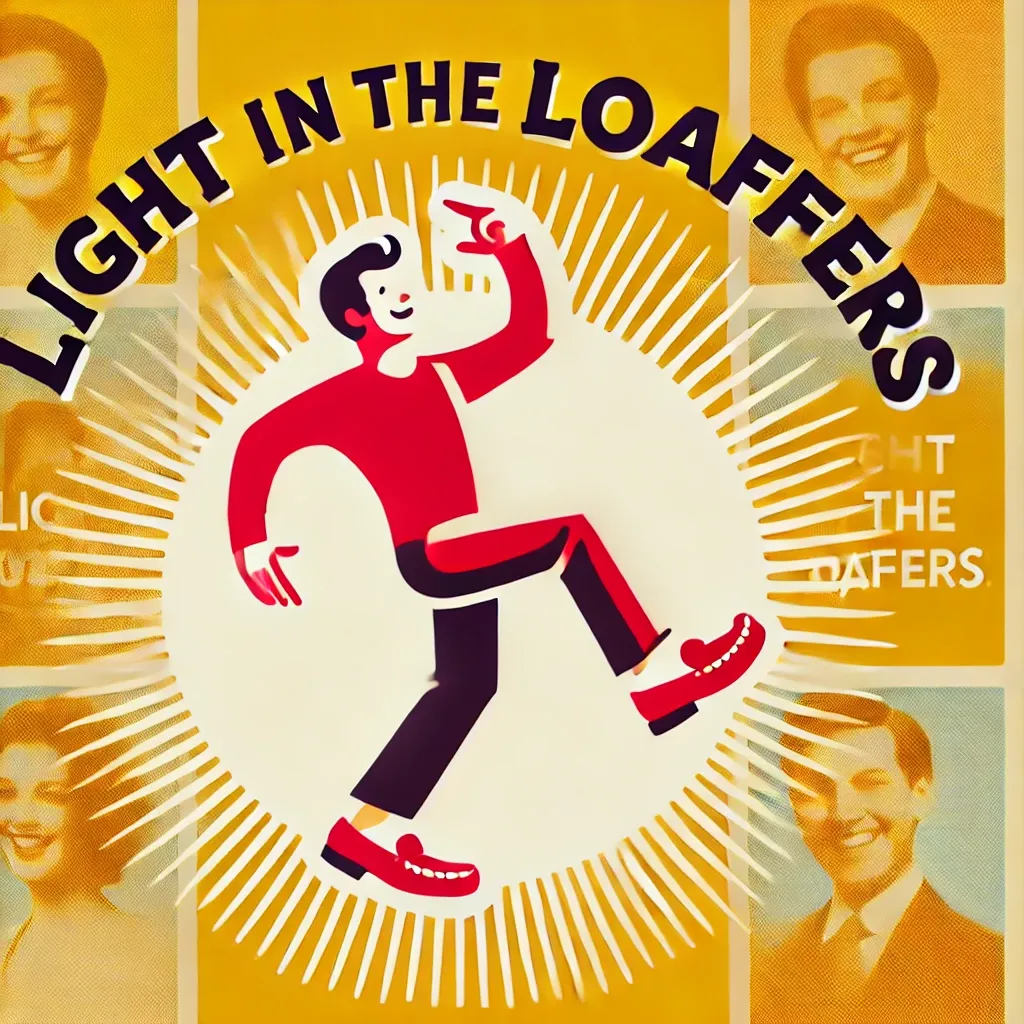
To understand the phrase “light in the loafers,” one must look at the mid-20th-century social landscape. Historically, the term was a euphemism used to describe a man who was perceived as gay or effeminate. It suggested a lack of “heaviness” or traditional masculinity in one’s stride, coded as a subtle way to identify or label individuals in an era where direct discussion of sexual orientation was often taboo.
The Historical Context of Euphemisms
In the 1950s and 60s, coded language served as a social shorthand. “Light in the loafers” was part of a larger lexicon of “polite” exclusion. For brand historians, this era represents a time when advertising relied heavily on archetypes and rigid social norms. Brands during this period often mirrored these codes to appeal to a “standardized” consumer base, unknowingly or knowingly reinforcing social silos.
The Shift from Euphemism to Brand Risk
Today, what was once a “wink and a nod” expression is now classified as an archaic and often offensive trope. In brand strategy, using such a phrase—or failing to understand its subtext—can lead to significant reputational damage. The transition from coded social language to a modern liability highlights the need for brands to perform deep cultural audits of their copy and heritage messaging. When a brand uses dated idioms, it risks appearing out of touch, or worse, exclusionary.
Navigating Sensitive Terminology in Corporate Identity
Modern branding is built on the pillars of authenticity and inclusivity. A brand’s identity is no longer just a logo or a color palette; it is a moral and social stance. Understanding phrases like “light in the loafers” is a case study in how brands must navigate the “minefield” of historical slang to ensure their corporate identity remains untarnished.
The Power of Language in Inclusive Branding
Inclusive branding requires a proactive approach to language. This involves more than just avoiding slurs; it involves identifying and retiring “micro-idioms” that carry baggage. For example, a footwear brand attempting to be “witty” by using the phrase “light in the loafers” to describe a new lightweight shoe technology would likely face an immediate backlash. Even if the intent is literal, the cultural memory of the phrase overrides the literal meaning. This is known in brand strategy as “unintended semiotics”—where the consumer’s interpretation differs wildly from the brand’s intent.
Case Studies of Linguistic Missteps
Several global corporations have faced PR crises because they failed to vet idioms across different cultures or historical contexts. Whether it is a mistranslated slogan or the use of a localized slang term that has derogatory roots, these errors prove that “linguistic forensics” is a necessary step in the creative process. A brand that prides itself on “walking the walk” regarding diversity must ensure its vocabulary reflects those values. “Light in the loafers” serves as a reminder that the “ghosts” of past language can haunt modern campaigns if not properly addressed.

Auditing Brand Communications for Modern Sensibilities
To avoid the pitfalls of dated or offensive language, brands must implement rigorous auditing processes. This is especially true for heritage brands that have archives spanning decades. What was considered “cheeky” in a 1970s print ad can be a “cancelable” offense on 2024 social media.
Content Strategy and Archetypal Language
Brand strategists often use archetypes—the Hero, the Explorer, the Rebel—to ground their messaging. However, these archetypes often rely on traditional gender roles that phrases like “light in the loafers” sought to mock. A modern brand audit involves deconstructing these archetypes to ensure they aren’t built on a foundation of exclusion. This means scrutinizing not only the words used in current campaigns but also the “vibe” and “tone” of the brand’s overall voice. Is the brand using “lightness” as a metaphor for agility, or is it accidentally stepping into gendered tropes?
Global Perspectives on Local Idioms
The challenge for global brand strategy is that idioms like “light in the loafers” are often localized. A marketing team in London might not understand the specific weight of a phrase used in the American South, and vice versa. This necessitates a decentralized yet cohesive brand-governance model. Local experts must be consulted to ensure that “creative” copy doesn’t inadvertently trigger negative cultural associations. In the digital age, a local mistake can become a global trend within minutes, making the vetting of every idiom a non-negotiable part of the brand workflow.
The Future of Brand Voice: Clarity Over Coded Language
As we move further into the 21st century, the trend in brand strategy is moving toward “Radical Clarity.” This approach favors direct, transparent communication over the flowery, coded, or idiomatic language of the past. By choosing clarity, brands reduce the risk of being misunderstood and increase their accessibility to a diverse audience.
Moving Beyond Euphemisms
The decline of phrases like “light in the loafers” in the common vernacular is a sign of a more direct society. For brands, this means that metaphors should be chosen based on their functional clarity rather than their “cleverness.” If a brand wants to talk about comfort or lightweight design, it should use technical, evocative language that relates to the product’s performance—words like “aerodynamic,” “unburdened,” or “responsive”—rather than relying on idioms that might have hidden social meanings.
Building Authenticity Through Precise Communication
Authenticity is the most valuable currency in contemporary branding. Consumers, particularly Gen Z and Millennials, are adept at sniffing out “performative” branding. Using precise, modern language demonstrates that a brand is present in the current cultural moment. It shows that the company has done the work to understand its audience and respects the nuances of their identities.
The evolution of “light in the loafers” from a common social descriptor to a brand “red flag” mirrors the evolution of the market itself. We have moved from a world of “one-size-fits-all” messaging to one of hyper-segmentation and high-stakes social accountability.

Conclusion: The Strategic Importance of Linguistic Awareness
In conclusion, “light in the loafers” is more than just a dated idiom; it is a lesson in the power of subtext. For brand managers, marketers, and corporate leaders, the phrase serves as a reminder that language is never static. It carries the weight of the past into the present, and if left unmanaged, it can steer a brand’s narrative in directions the creators never intended.
Successful brand strategy requires a commitment to constant learning and unlearning. By auditing language, prioritizing inclusive communication, and choosing clarity over coded tropes, brands can build a lasting identity that resonates with all consumers. In the high-stakes world of corporate identity, being “light” in one’s approach to cultural nuance is no longer an option. Instead, brands must be “heavy” on research, “heavy” on empathy, and “heavy” on the precision of their voice. Only then can they navigate the complex landscape of modern commerce with true confidence and integrity.
aViewFromTheCave is a participant in the Amazon Services LLC Associates Program, an affiliate advertising program designed to provide a means for sites to earn advertising fees by advertising and linking to Amazon.com. Amazon, the Amazon logo, AmazonSupply, and the AmazonSupply logo are trademarks of Amazon.com, Inc. or its affiliates. As an Amazon Associate we earn affiliate commissions from qualifying purchases.