
In the contemporary landscape of smart home integration, the humble washing machine has evolved from a simple mechanical agitator into a sophisticated piece of household technology. Modern Whirlpool washers are essentially integrated systems composed of sensors, microprocessors, and electromechanical actuators. When the digital display flashes the “LF” error code, it is not merely a random glitch; it is a specific diagnostic signal generated by the machine’s firmware. Understanding what “LF” means—and how to address it—requires a technical perspective on how modern appliances interpret data and manage hardware-software interactions.

Understanding the LF Code: The Intersection of Hardware and Sensor Logic
The “LF” error code stands for “Long Fill.” This is a status indicator triggered by the washer’s Electronic Control Board (ECB) when it detects that the water level has not reached a pre-programmed threshold within a specific timeframe. In the world of tech diagnostics, this is essentially a “timeout” error. The machine’s software initiates a task (filling the tub), starts a timer, and monitors incoming data from sensors. If the data doesn’t match the expected parameters, the system halts operations to prevent hardware damage or flooding.
What LF Stands For in Modern Smart Washers
In Whirlpool’s technical documentation, LF indicates that the control board has been waiting for the “tub full” signal for too long—usually exceeding 10 to 12 minutes depending on the model and cycle settings. This is a critical safety feature. If the washer continued to attempt a fill indefinitely without reaching the target level, it could indicate a massive leak or a sensor failure that could lead to catastrophic water damage. The LF code is the system’s way of saying the telemetry between the water inlet and the pressure sensor is inconsistent.
The Role of the Pressure Switch and Flow Meter
At the heart of this technical issue are two primary components: the pressure switch (or transducer) and the flow meter. The pressure switch monitors the air pressure in a tube connected to the outer tub. As water rises, it compresses the air in the tube; once the pressure reaches a specific voltage, the switch tells the control board to stop the water. In higher-end models, a flow meter tracks the literal volume of water passing through the valves. When the LF code appears, it implies a breakdown in this communication loop. Either the water isn’t entering, or the sensors are failing to report its presence to the central processor.
Systemic Troubleshooting: A Step-by-Step Technical Audit
When troubleshooting a digital system, one must move from the external environment (input) to the internal hardware (processing). Resolving an LF error involves auditing the entire fluid delivery system to identify where the “data” (water) is being throttled or where the sensor signal is being lost.
Analyzing External Factors: Water Supply and Pressure
The first step in any technical audit is checking the inputs. For a Whirlpool washer, this means ensuring the home’s plumbing is providing adequate PSI (pounds per square inch). Modern appliances typically require between 20 and 100 PSI to function correctly.
- Hose Integrity: Inspect the hot and cold inlet hoses for kinks. A physical restriction in the hose creates a “bottleneck” that prevents the flow rate from meeting the software’s timing requirements.
- Filter Screens: Within the inlet valves where the hoses connect, there are fine mesh sediment screens. These are the “firewalls” of your washer. If they become clogged with mineral deposits or debris from the city water line, the flow rate drops significantly, triggering the LF code.

Inspecting Internal Connectivity and Valve Actuation
If the external inputs are sufficient, the focus shifts to internal electromechanical components. The water inlet valve is a solenoid-operated component. When the control board sends a 120V signal to the solenoid, it creates a magnetic field that lifts a plunger, allowing water to flow.
- Multimeter Testing: A technician uses a multimeter to test the ohms (resistance) of these solenoids. If a solenoid shows an “open” circuit (infinite resistance), it has suffered a hardware failure and can no longer respond to the control board’s commands.
- Siphon Issues: A less obvious technical glitch occurs when the drain hose is installed too low or too far into the standpipe. This creates a siphoning effect where water is pumped in and sucked out simultaneously. The sensors correctly report that the tub isn’t filling, resulting in a persistent LF code despite the valves working perfectly.
Advanced Diagnostics: Bypassing and Resetting the Electronic Control Board
When physical hardware appears functional, the issue may reside in the software layer or the control board’s interpretation of sensor data. Like a computer that needs a reboot, a smart washer sometimes requires a system reset or a trip into “Diagnostic Mode” to clear ghost errors.
How to Enter Diagnostic Mode
Whirlpool washers have a hidden “backend” menu that allows users or technicians to run individual component tests. While the specific sequence can vary by model (often involving a series of dial turns or button presses like “Low-Medium-High”), entering this mode allows you to force-test the cold water valve, the hot water valve, and the pressure switch independently. This bypasses the standard wash cycle logic and allows you to isolate whether the failure is a physical part or a software bug in the main cycle algorithm.
Resetting the Software Cache for Persistent Errors
Sometimes, an LF code remains “latched” in the washer’s memory even after the physical blockage is cleared. To perform a “hard reset” on a Whirlpool washer:
- Disconnect the power source for at least 60 seconds to allow the capacitors on the control board to discharge.
- Reconnect the power.
- Open and close the lid/door six times within 12 seconds to send a “break” signal to the processor.
This sequence clears the temporary cache of error codes and forces the firmware to re-poll all sensors for their current status.
The Future of Smart Appliances: Predictive Maintenance and IoT Integration
The shift from simple mechanical timers to the “LF” error codes we see today is just the beginning of the digital transformation in home appliances. As we move further into the era of the Internet of Things (IoT), the way we diagnose and interact with hardware like Whirlpool washers is undergoing a radical shift toward predictive maintenance.
From Error Codes to AI-Driven Diagnostics
Future iterations of washer technology will likely replace static error codes like LF with real-time, AI-driven feedback. Instead of waiting for a “Long Fill” timeout, integrated flow sensors and AI algorithms will detect a 10% degradation in water flow months before a failure occurs. This data can be pushed to a smartphone app, notifying the user to clean their inlet filters before the machine ever reaches a “halt” state. This transition from reactive troubleshooting to proactive maintenance is the hallmark of modern tech-forward appliance design.
Sustainable Repairability in the Digital Age
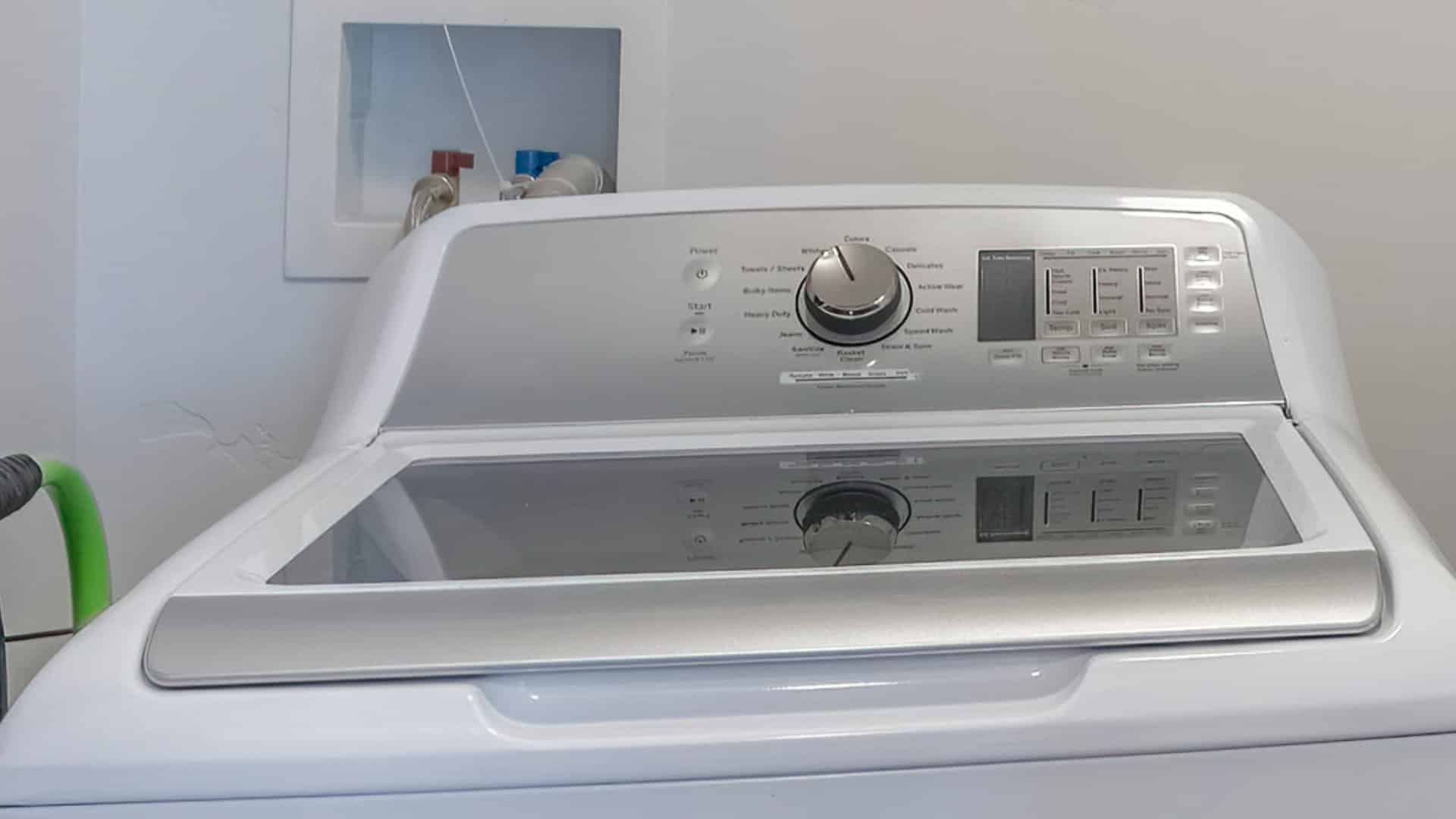
As appliances become more “tech-heavy,” the conversation around the “Right to Repair” becomes more vital. The LF code is a perfect example of why accessible diagnostics matter. By providing clear digital feedback, the machine allows the user to identify a specific technical failure, potentially extending the life of the hardware by a decade. In a world focused on sustainability, the ability to translate a digital error code into a targeted hardware fix is the ultimate synergy of technology and environmental responsibility.
In conclusion, an LF error on a Whirlpool washer is a fascinating study in how modern machines use logic gates and sensor arrays to monitor their own health. By understanding the underlying technology—from the solenoids and pressure transducers to the control board’s firmware—consumers can move beyond frustration and engage with their home appliances as the sophisticated pieces of technology they truly are.
aViewFromTheCave is a participant in the Amazon Services LLC Associates Program, an affiliate advertising program designed to provide a means for sites to earn advertising fees by advertising and linking to Amazon.com. Amazon, the Amazon logo, AmazonSupply, and the AmazonSupply logo are trademarks of Amazon.com, Inc. or its affiliates. As an Amazon Associate we earn affiliate commissions from qualifying purchases.