
In the world of high-end automotive marketing, a name is rarely just a collection of letters. It is a calculated vessel for brand identity, a psychological anchor designed to evoke specific emotions, and a strategic tool used to navigate complex global markets. When consumers ask, “What does Lexus ES stand for?” they are often looking for a simple definition. While the literal answer is Executive Sedan, the brand strategy behind those two letters encompasses decades of meticulous positioning, a commitment to Japanese hospitality, and a masterclass in corporate identity.

The Lexus ES has served as a cornerstone of the Lexus lineup since the brand’s inception in 1989. Understanding what it stands for requires looking beyond the chassis and diving deep into the brand architecture that transformed a newcomer into a dominant force in the luxury sector.
The Etymology of Excellence: Decoding the “ES” Moniker
The naming convention of Lexus is a study in logical brand architecture. Unlike manufacturers that use evocative names—like the “Mustang” or “Silverado”—Lexus utilizes an alphanumeric system designed to convey a sense of precision, engineering, and hierarchical clarity.
Executive Sedan: Defining a New Market Segment
When the Lexus ES 250 debuted alongside the LS 400, the “ES” stood for Executive Sedan. This was not a random choice. In the late 1980s and early 90s, the term “Executive” carried immense weight in corporate branding. It signaled a level of professional success, sophistication, and a specific lifestyle tier. By labeling the vehicle an Executive Sedan, Lexus was speaking directly to the rising middle-management and professional class—those who had surpassed entry-level options but were not yet looking for the ostentatious size of a full flagship limo.
Consistency in Alphanumeric Branding
The “ES” fits into a broader linguistic strategy within the Lexus brand. Consider its siblings: the LS (Luxury Sedan), the IS (Intelligent Sport), and the GS (Grand Sedan). By maintaining this consistent two-letter prefix, Lexus built a brand language that was easy for consumers to navigate. In brand strategy, this is known as “family identity.” It allows the prestige of the top-tier LS to “halo” down to the ES, ensuring that even though the ES was more accessible, it remained firmly within the “Luxury” orbit in the consumer’s mind.
Brand Philosophy: The “Yet” Mentality and Omotenashi
A brand name only has value if the product delivers on the promise. For the ES, what the name “stands for” is deeply intertwined with the core philosophical pillars of the Lexus brand: the “Yet” mentality and the concept of Omotenashi.
Balancing Luxury with Reliability
One of the most significant brand challenges Lexus faced early on was the perception that luxury and reliability were mutually exclusive. You could have a prestigious European car that required frequent maintenance, or a reliable Japanese car that lacked soul. Lexus built its brand around the “Yet” philosophy: creating a car that was comfortable yet exhilarating, sophisticated yet user-friendly, and luxurious yet incredibly reliable. The ES became the physical manifestation of this strategy. It offered the “Executive” experience without the “Executive” headache of high maintenance costs, solidifying a brand identity rooted in “sensible luxury.”
The Spirit of Japanese Hospitality in Design
The ES stands for a uniquely Japanese approach to branding known as Omotenashi. This translates roughly to “wholehearted hospitality.” In a branding context, this means anticipating the customer’s needs before they even realize them. This is reflected in the ES’s brand identity through its focus on cabin serenity, intuitive ergonomics, and a “customer-first” service model. By embedding Omotenashi into the ES identity, Lexus differentiated itself from German competitors who often focused on “Driver-Centric” or “Performance-First” branding. Lexus chose to be “Guest-Centric.”
Market Positioning: The Bridge Between Comfort and Status
From a marketing perspective, the Lexus ES occupies a unique “sweet spot” in the automotive landscape. Its brand strategy is centered on being the most aspirational yet attainable vehicle in its class.
Targeting the Modern Professional
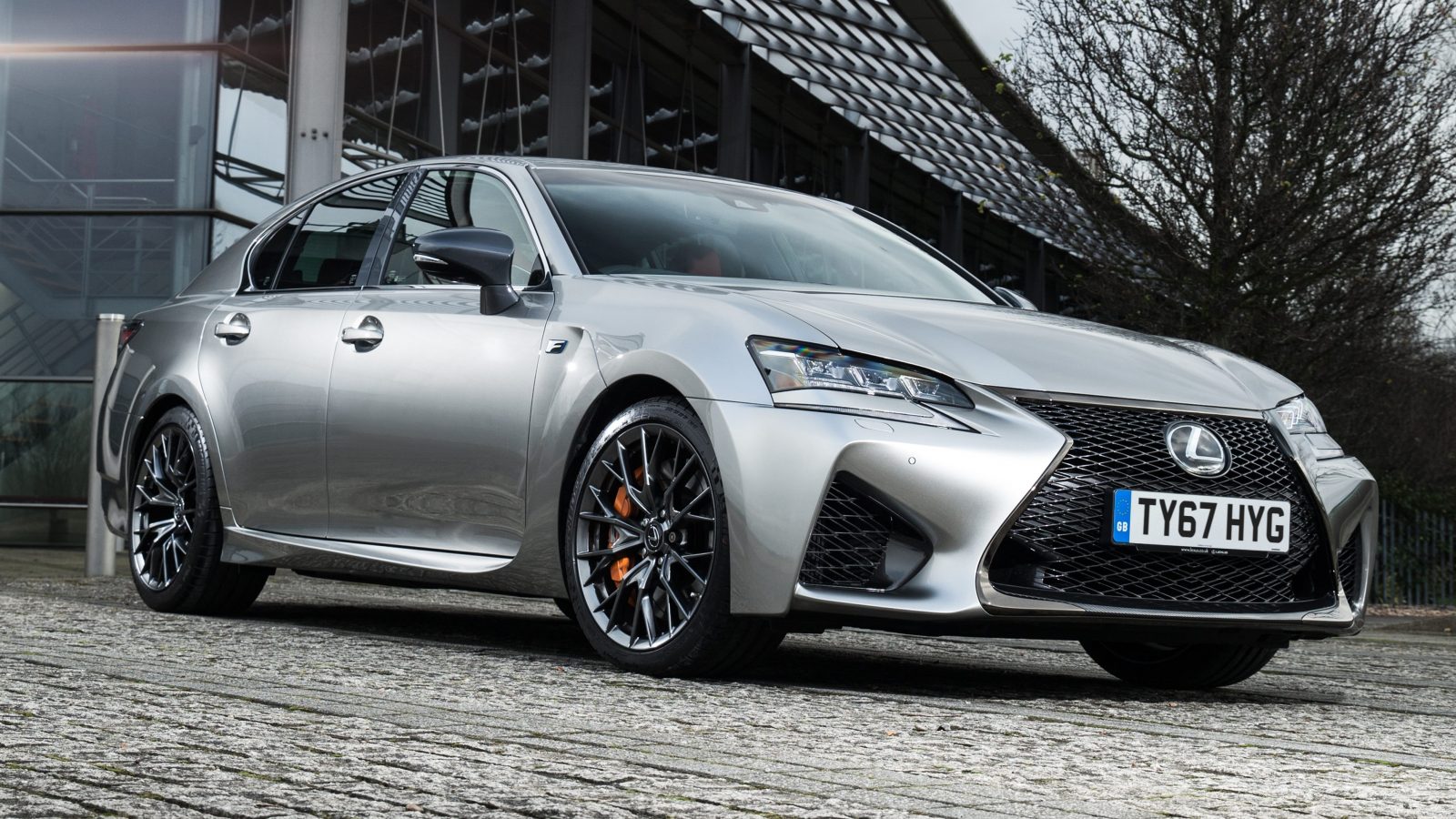
The “Executive” in ES isn’t just a title; it is a target demographic profile. The brand strategy for the ES targets individuals who value substance over flash. These are consumers who prioritize quietness, smooth rides, and long-term value. By positioning the ES as the premier choice for the “rational luxury” buyer, Lexus successfully carved out a niche that competitors like BMW or Mercedes-Benz—who were chasing sportiness and aggressive styling—often overlooked.
Competitive Differentiation Against German Rivals
The ES stands for a rejection of the “stiff” ride quality associated with European sports sedans. While BMW branded itself as the “Ultimate Driving Machine,” Lexus branded the ES as the “Ultimate Passenger Experience.” This differentiation is a classic case study in brand positioning: if you cannot beat the leader at their own game (performance), you create a new game (comfort and tranquility) and become the leader of that category. The ES became synonymous with “The Quietest Cabin in its Class,” a brand claim that it has defended for over thirty years.
Evolution of the Identity: From Entry-Level Luxury to Global Flagship
The meaning of the “ES” name has evolved as the brand matured. What started as an entry-point into the Lexus family has transformed into a sophisticated global flagship that now carries more weight than ever before.
The Legacy of the 1989 Launch
In 1989, the ES was often criticized by enthusiasts as being a “glorified Toyota.” However, the brand strategy was brilliant in its simplicity: use proven reliability as a foundation and wrap it in a luxury experience. Lexus didn’t shy away from its roots; instead, it used those roots to build a reputation for bulletproof engineering. This historical legacy is what “ES” stands for today—a nameplate that you can trust to last for 200,000 miles while still looking at home in a country club parking lot.
Adapting to the Modern Era of Mobility
As the automotive industry shifts toward electrification and digital integration, the “ES” brand is adapting. The introduction of the ES Hybrid (the ES 300h) redefined what the “Executive Sedan” could be in an eco-conscious world. The brand now stands for “Sustainable Luxury.” By leading with hybrid technology in the ES line, Lexus communicated that its “Executives” were not just successful, but also forward-thinking and environmentally responsible. This pivot ensured the brand remained relevant to a younger, more tech-savvy demographic.
The Power of Reputation: Brand Equity and the Lexus ES
Finally, what the Lexus ES stands for is perhaps the most valuable asset any company can possess: Brand Equity. In the automotive world, the ES is a “safe bet,” and in branding, “safe” is often the most profitable place to be.
Loyalty as a Marketing Asset
The ES enjoys some of the highest brand loyalty rates in the industry. For many owners, the “ES” stands for a lifelong relationship with the brand. This is the result of a “Total Ownership Experience” strategy. Lexus doesn’t just sell a car; they sell a relationship characterized by high resale value, exceptional dealer service, and a lack of stress. When a consumer buys an ES, they are buying into a brand promise that their life will become slightly easier.
The Symbolic Value of “Quiet Luxury”
In recent years, the fashion and lifestyle industries have embraced the concept of “Quiet Luxury”—high-end products that don’t shout their price tag through loud logos or aggressive designs. The Lexus ES is the automotive poster child for this trend. It stands for understated success. It is a brand for those who have “arrived” but feel no need to prove it to every bystander. This psychological positioning has allowed the ES to remain culturally relevant even as SUVs have dominated the market; there remains a dedicated segment of the population for whom the “Executive Sedan” is the ultimate symbol of dignified achievement.
Conclusion: More Than Just Two Letters
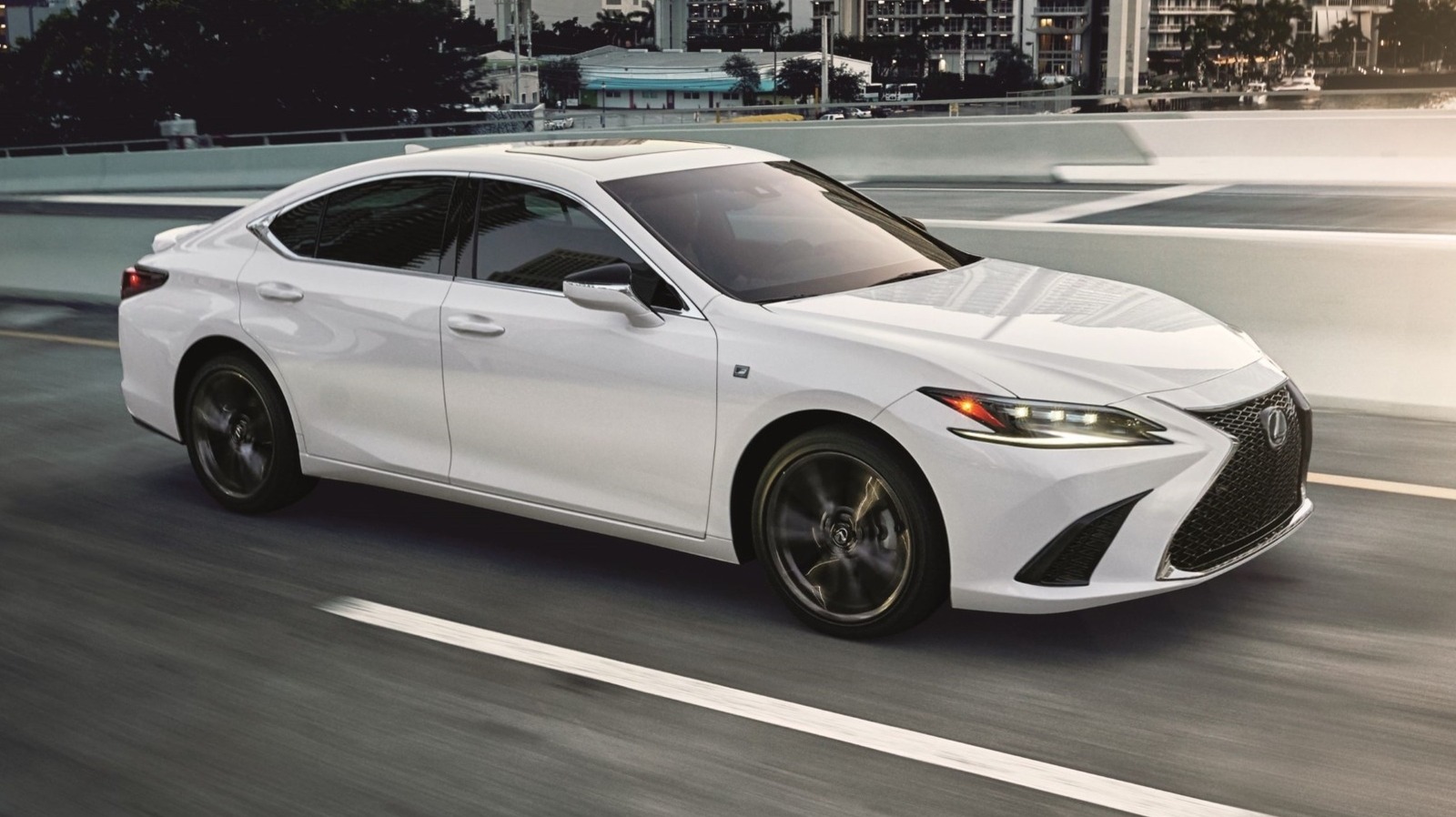
So, what does Lexus ES stand for? On a technical manual, it is an Executive Sedan. In a marketing boardroom, it is a strategic bridge between reliability and prestige. To the consumer, it is a symbol of quiet luxury, meticulous Japanese craftsmanship, and the peace of mind that comes with a “guest-first” philosophy.
The success of the ES isn’t just due to its engine or its leather seats; it is the result of a disciplined brand strategy that has remained consistent for over three decades. By understanding its niche, prioritizing the “Executive” experience, and leaning into its cultural identity, the Lexus ES has become more than just a car—it is a global benchmark for what a luxury brand should be. In an industry of constant change, the ES stands for the enduring value of a promise kept.
aViewFromTheCave is a participant in the Amazon Services LLC Associates Program, an affiliate advertising program designed to provide a means for sites to earn advertising fees by advertising and linking to Amazon.com. Amazon, the Amazon logo, AmazonSupply, and the AmazonSupply logo are trademarks of Amazon.com, Inc. or its affiliates. As an Amazon Associate we earn affiliate commissions from qualifying purchases.