
Lead dust is a pervasive and insidious hazard, particularly concerning for households with young children. While the phrase “lead dust” might conjure images of gritty, visible particles, the reality is often far more subtle and potentially more dangerous. Understanding what lead dust looks like, where it originates, and how to identify its presence is crucial for protecting your family’s health. This article will delve into the visual characteristics of lead dust, its common sources, and how its subtle nature makes it a significant concern, drawing parallels to the unseen elements that can impact our digital lives, brand perceptions, and even financial well-being.
The Elusive Nature of Lead Dust: More Than Meets the Eye
When we talk about “what does lead dust look like,” the immediate thought might be something you can see settling on surfaces. In some instances, this is true. However, the most dangerous lead dust is often invisible to the naked eye. This is where the analogy to digital security and unseen online threats becomes relevant. Just as a sophisticated malware can operate without obvious signs of intrusion, lead dust can contaminate your environment without immediate visual cues.
Visible Lead Dust: When the Threat Becomes Apparent
In situations where lead dust is present in significant concentrations, it can appear as a fine, gritty powder. This powder might be light gray, brownish, or even have a slightly reddish hue, depending on the original lead-based paint and the substrate it has come into contact with. You might notice it accumulating in:
- Window Tills and Frames: Old painted windows are a prime culprit. Friction from opening and closing them grinds away at lead paint, creating dust that settles on the sills. This is often the most visible sign of lead dust in a home.
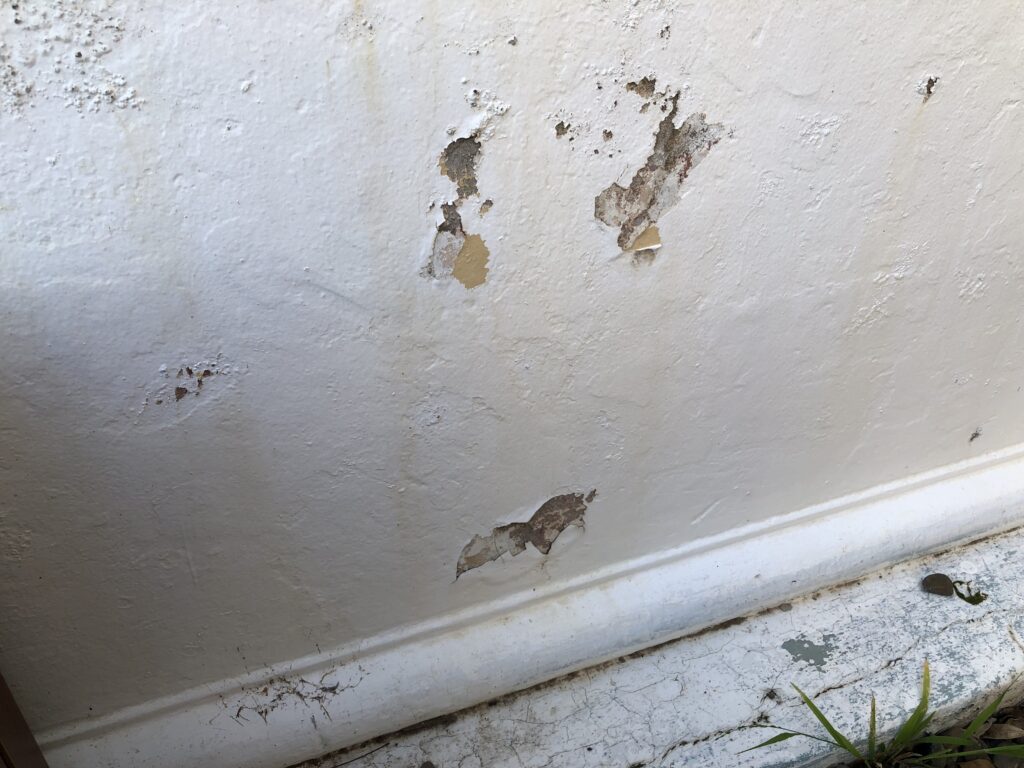
- Baseboards and Walls: Areas where paint has chipped or deteriorated can release lead dust. Dusting these areas might stir up these particles, making them temporarily visible.
- Floors and Carpets: Lead dust, being heavy, tends to settle on horizontal surfaces. If it’s been tracked in from outside or disturbed from painted areas, it can be found on floors, especially in high-traffic zones.
- Furniture and Fixtures: Any surface within reach of children who might touch them and then put their hands in their mouths can become contaminated.
However, it’s critical to reiterate that the absence of visible dust does not equate to the absence of lead. The most hazardous lead dust particles are microscopic, far too small to be seen. This invisible contamination is where the real danger lies, as it can be easily inhaled or ingested.
Invisible Contamination: The Silent Danger
The microscopic nature of lead dust makes it particularly insidious. These fine particles can become airborne during activities like:
- Renovations and Remodeling: Disturbing lead-based paint during sanding, cutting, or demolition is the most significant source of airborne lead dust. Even if you’re not directly working with lead paint, nearby renovations in older buildings can aerosolize existing lead dust.
- Home Maintenance: Activities like drilling, scraping, or even vigorous cleaning can disturb settled lead dust, making it airborne.
- Wear and Tear on Older Homes: Over time, lead paint on surfaces like doors, windows, and walls naturally deteriorates. This wear and tear, often accelerated by friction, releases microscopic lead particles.
- Exterior Soil: Lead from exterior paint on older homes can break down and contaminate the soil around the foundation. Tracking this soil into the house on shoes and clothing is a common pathway for lead dust.
This invisible contamination is akin to the subtle threats in the digital realm. A zero-day exploit in software, for instance, can exist and be exploited without any outward signs of compromise. Similarly, the absence of visible lead dust doesn’t mean your environment is safe. The danger is present, waiting to be disturbed.
Sources of Lead Dust: Uncovering the Hidden Culprits
Understanding where lead dust comes from is paramount to prevention and mitigation. The primary source of lead dust in homes is deteriorated lead-based paint. However, other less obvious sources can contribute to the problem.
Lead-Based Paint: The Primary Offender
Lead was a common additive in paints until its use was banned in residential applications in the United States in 1978. Homes built before this date are highly likely to have lead-based paint on their interior and exterior surfaces. This paint, over time, can chip, chalk, fade, and wear down, releasing lead dust into the environment.
- Interior Surfaces: Walls, ceilings, doors, window frames, and trim in older homes are common areas where lead-based paint was applied.
- Exterior Surfaces: Siding, window frames, and fences are also likely candidates for lead-based paint. This exterior paint can deteriorate and contaminate surrounding soil.

The concern with lead-based paint isn’t just about the paint itself, but how it breaks down. The physical act of degradation, through friction, impact, or weathering, is what creates the dangerous dust.
Beyond Paint: Other Lead Dust Contributors
While lead paint is the most significant source, other materials can also contribute to lead dust:
- Contaminated Soil: As mentioned, exterior lead-based paint on homes, as well as historical industrial activities, can contaminate soil with lead. This contaminated soil can be tracked into homes on shoes, clothing, and pets.
- Old Plumbing: In older homes, lead pipes and lead solder used in plumbing can leach lead into the drinking water. While this is primarily a water contamination issue, disruptions to plumbing can also stir up lead-containing particles.
- Lead-Glazed Ceramics and Pewter: While less common as a dust source in typical home environments, lead can be found in older ceramic glazes and pewter items, which can chip and create dust if handled or damaged.
Recognizing these diverse sources helps in a more comprehensive approach to identifying and managing lead dust. It’s like understanding that cybersecurity threats can come not only from malware but also from phishing attempts or social engineering, requiring a multi-faceted defense strategy.
The Broader Implications: Lead Dust, Brand Reputation, and Financial Health
The concerns surrounding lead dust extend beyond immediate health risks, mirroring broader implications in the business and financial worlds. The unseen dangers of lead dust can be analogized to how a subtle negative online review can impact a brand’s reputation, or how overlooked financial planning can jeopardize long-term financial security.
Protecting Brand Reputation: The “Lead Dust” of Public Perception
In the realm of brand management, “lead dust” can be a metaphor for subtle, often invisible issues that can erode public trust and damage a brand’s reputation. Just as lead dust, though unseen, can cause significant harm, so too can minor product defects, inconsistent customer service, or a lack of transparency in corporate practices.
- Subtle Product Flaws: A small, recurring bug in software or a minor design flaw in a gadget might seem insignificant initially, but if left unaddressed, they can accumulate and lead to widespread dissatisfaction and negative word-of-mouth. This is akin to microscopic lead dust particles that, in sufficient quantity, become a significant health hazard.
- Inconsistent Brand Messaging: If a company’s marketing messages don’t align with its actual practices, this dissonance can create a perception of insincerity. This subtle disconnect, like invisible lead dust, can slowly erode consumer trust.
- Lack of Digital Security: A data breach, even if seemingly minor, can be the “lead dust” that contaminates a brand’s reputation for reliability and trustworthiness. The consequences can be far-reaching and difficult to repair.
Just as identifying and remediating lead dust requires proactive inspection and cleaning, maintaining a strong brand reputation demands constant vigilance, addressing minor issues before they escalate, and fostering transparency.
Financial Health: The “Lead Dust” of Unseen Financial Risks
The financial world also presents parallels to the silent dangers of lead dust. Overlooked financial details, seemingly minor debts, or a lack of proactive financial planning can act as “lead dust,” gradually undermining an individual’s or business’s financial health.
- Accumulating Small Debts: Carrying multiple small debts on credit cards, for example, might not seem like a major issue individually. However, the interest charges and fees can accumulate, acting like lead dust, creating a significant financial burden over time.
- Neglecting Retirement Planning: The seemingly minor decision to defer saving for retirement can have substantial long-term consequences. The “lost opportunity cost” is the lead dust that can lead to financial insecurity in later years.
- Lack of Budgeting and Tracking: Without a clear understanding of where money is going, small, impulsive purchases can go unnoticed. These seemingly insignificant expenditures can “contaminate” a budget, leading to shortfalls and financial stress, much like lead dust settling unnoticed on surfaces.
In both personal and business finance, proactive measures, consistent monitoring, and a commitment to sound financial practices are essential to prevent these “lead dust” scenarios from compromising financial well-being.
Conclusion: Vigilance, Prevention, and the Pursuit of Safety
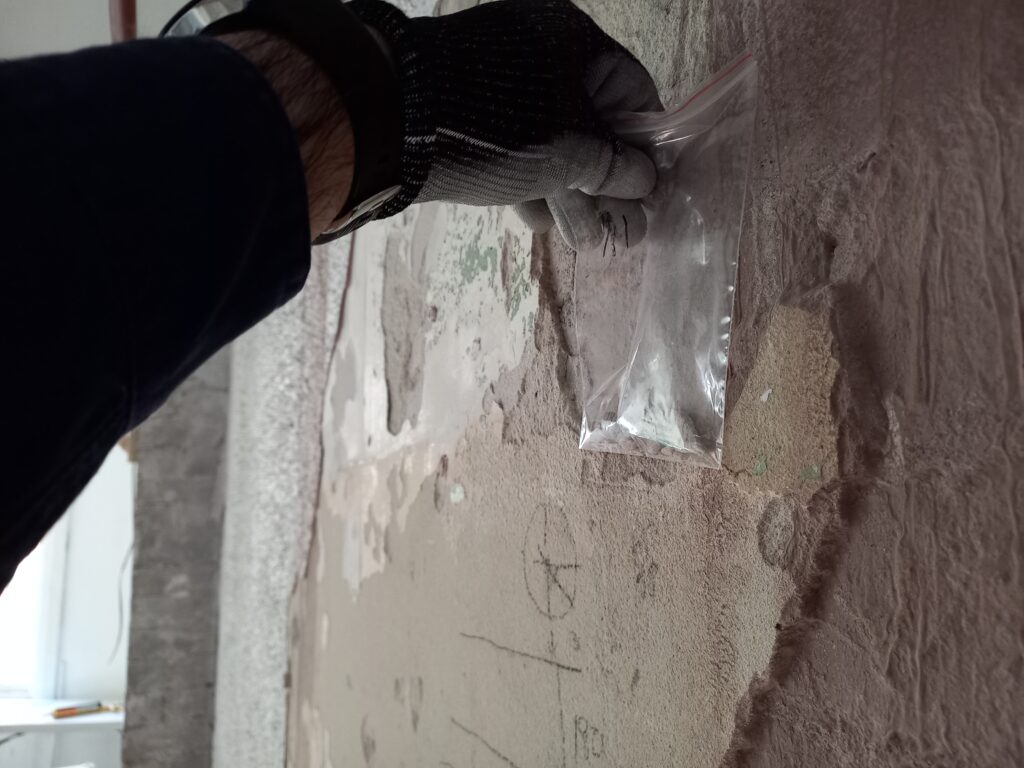
Understanding “what does lead dust look like” is the first step in addressing a serious health concern. While visible dust can be an indicator, the invisible nature of microscopic lead particles makes vigilance and proactive measures absolutely essential. This understanding extends beyond the physical realm, offering valuable parallels to how unseen factors can impact brand reputation and financial health.
By recognizing the subtle signs, identifying potential sources, and implementing consistent cleaning and prevention strategies, we can mitigate the risks associated with lead dust. In doing so, we not only safeguard the health of our families but also reinforce the principles of integrity and foresight that are crucial for building strong brands and ensuring lasting financial security. Just as we strive for clean environments and transparent business practices, we must also be mindful of the unseen elements that can compromise our well-being and success.
aViewFromTheCave is a participant in the Amazon Services LLC Associates Program, an affiliate advertising program designed to provide a means for sites to earn advertising fees by advertising and linking to Amazon.com. Amazon, the Amazon logo, AmazonSupply, and the AmazonSupply logo are trademarks of Amazon.com, Inc. or its affiliates. As an Amazon Associate we earn affiliate commissions from qualifying purchases.