
In the fluctuating landscape of the modern global economy, the term “layoff” has become a common fixture in financial headlines and corporate earnings calls. While the word often carries a heavy emotional weight for those involved, understanding what a layoff means from a purely financial and structural perspective is essential for both business leaders and employees. Unlike a termination for cause, a layoff is a strategic business decision, usually rooted in the necessity of capital reallocation, organizational restructuring, or a response to macroeconomic downturns.
To navigate the complexities of a layoff, one must look beyond the immediate loss of a paycheck and examine the broader financial implications: the mechanics of corporate solvency, the intricacies of severance agreements, and the strategic management of personal assets during a period of transition. This article explores the definition of a layoff within the “Money” niche, providing a detailed roadmap for financial resilience and corporate understanding.

Understanding Layoffs from a Corporate and Personal Finance Perspective
At its core, a layoff—often referred to in corporate finance as a “Reduction in Force” (RIF)—is the suspension or permanent termination of employment for reasons unrelated to individual performance. From a business standpoint, it is a tool used to reduce “burn rate” or to align expenditures with actual revenue.
The Definition of a Layoff vs. Firing
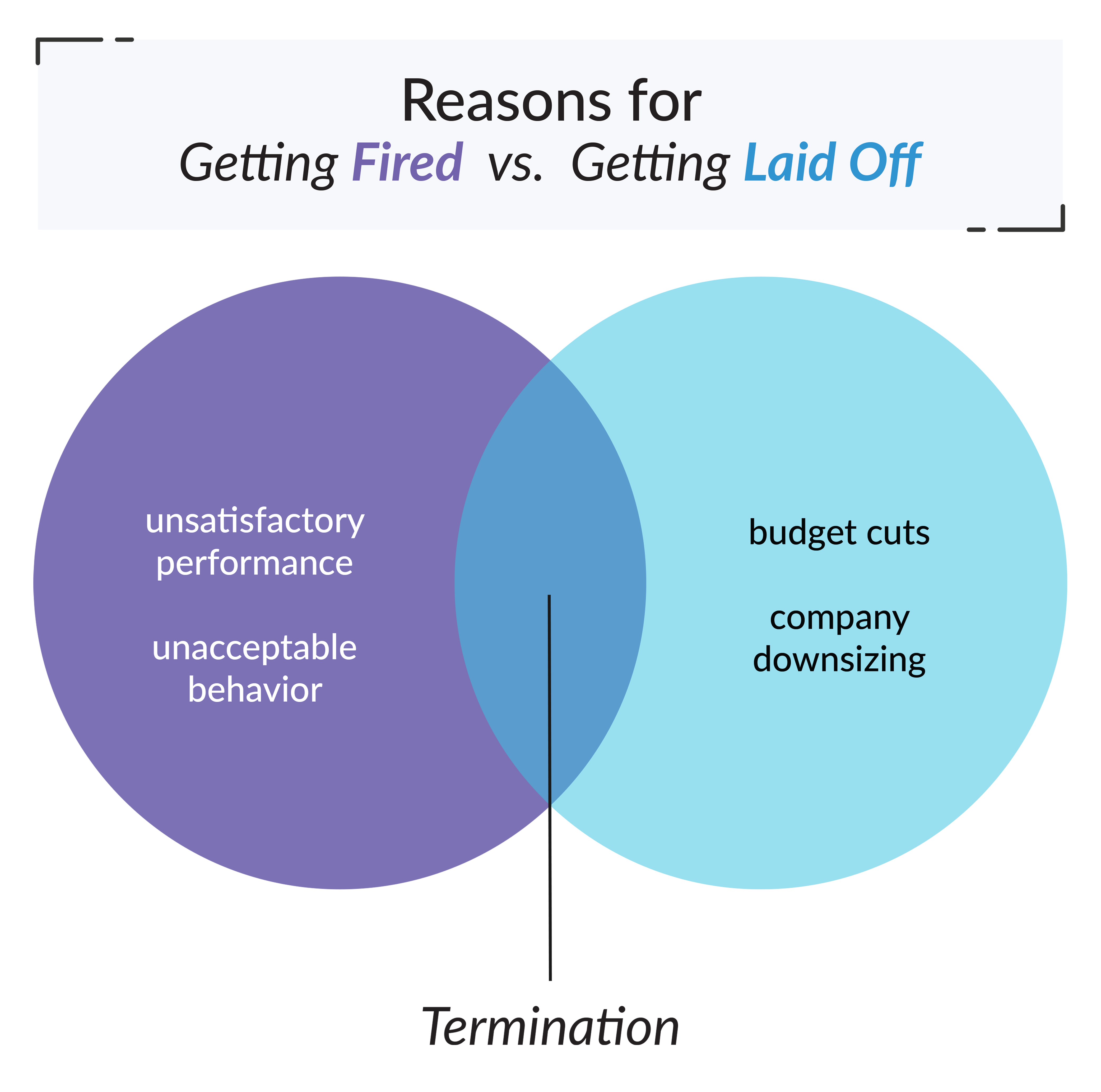
The distinction between being “laid off” and being “fired” is critical for an individual’s financial record and eligibility for benefits. When an employee is fired, it is typically “for cause”—meaning a breach of contract or poor performance. This often disqualifies the individual from receiving unemployment insurance or severance pay.
Conversely, a layoff is a “no-fault” termination. It signifies that the role itself is being eliminated or that the company can no longer afford the headcount. Legally and financially, this distinction is the gatekeeper to government-funded safety nets and employer-sponsored transition packages. For the company, a layoff is a balance sheet correction; for the employee, it is a forced shift in their personal income statement.
Why Companies Lay Off Employees: The Economic Drivers
From a financial management perspective, several triggers lead to layoffs:
-
Cost-Cutting for Profitability: Publicly traded companies often initiate layoffs to protect profit margins and satisfy shareholder expectations, especially when quarterly growth slows.
-
Mergers and Acquisitions (M&A): When two companies merge, “redundancies” are often found in administrative or back-office roles. Eliminating these duplicate costs is a primary way the new entity achieves “synergy.”
-
Market Shifts: A decline in demand for a specific product line may lead a company to shutter an entire division to reallocate capital toward more profitable ventures.
-
Macroeconomic Contraction: During interest rate hikes or recessions, the cost of borrowing increases, and consumer spending drops. Companies respond by defensive scaling to ensure they have enough cash runway to survive the downturn.
The Financial Anatomy of a Layoff: Severance, Benefits, and Taxes
When a layoff occurs, the immediate focus shifts to the “exit package.” This is a crucial period where the employee must transition from an “active income” mindset to a “capital preservation” mindset. Understanding the components of a layoff package is the first step in stabilizing one’s financial foundation.
Evaluating Your Severance Package
Severance pay is not a legal requirement in many jurisdictions, but it is a standard practice for established firms to maintain their market reputation and mitigate legal risks. Typically, severance is calculated based on years of service (e.g., one or two weeks of pay for every year worked).
From a financial planning perspective, you must determine if the severance is paid as a “lump sum” or via “salary continuation.” A lump sum provides immediate liquidity, which is beneficial for high-interest debt repayment, but it can present a significant tax burden. Salary continuation keeps you on the payroll for a set period, which may help you maintain certain benefits like disability insurance.
Managing Healthcare Costs and COBRA
In the United States, one of the most significant financial shocks following a layoff is the loss of employer-sponsored health insurance. The Consolidated Omnibus Budget Reconciliation Act (COBRA) allows individuals to continue their current coverage, but at the full cost—including the portion previously paid by the employer, plus an administrative fee.
This can result in monthly premiums tripling or quadrupling overnight. A savvy financial move is to compare COBRA costs against plans available on the Health Insurance Marketplace. Depending on your projected annual income after the layoff, you may qualify for subsidies that make marketplace plans significantly more affordable than COBRA.
Tax Implications of Lump-Sum Payments
It is a common mistake to view a large severance check as “found money.” The IRS treats severance as supplemental wages, which are often withheld at a flat rate (currently 22% for federal taxes). However, if your severance is substantial, it could potentially push you into a higher tax bracket for the year.
Furthermore, if you receive a payout for accrued vacation or sick time, this is also taxable income. It is advisable to consult with a tax professional to see if you can mitigate the hit—for example, by maximizing your 401(k) contributions for the year or increasing your Health Savings Account (HSA) deposits before your final day of employment.

Personal Financial Recovery: Strategic Steps After a Layoff
The moment a layoff is finalized, the individual becomes the CFO of their own household. The objective is clear: minimize outflows and maximize the “runway” provided by savings and severance.
Assessing Your Emergency Fund and Cash Flow
A layoff is exactly the scenario an emergency fund is built for. The standard recommendation of 3–6 months of expenses should be re-evaluated based on the current job market in your specific industry.
The first step is to perform a “Burn Rate Audit.” Categorize every expense into “Essential” (housing, utilities, groceries) and “Discretionary” (streaming services, dining out, luxury subscriptions). In a post-layoff environment, discretionary spending should be paused immediately until a new source of recurring income is secured. This preserves your principal capital for the longest possible duration.
Navigating Unemployment Insurance and Government Benefits
Unemployment insurance (UI) is a financial tool you have already “paid into” through payroll taxes. It is designed to provide a percentage of your previous income while you search for a new role.
Many people delay filing for unemployment out of pride or a misunderstanding of the process. This is a financial error. UI benefits are not instantaneous; there is often a “waiting week” and a processing period. Filing immediately ensures that your cash flow gap is minimized. Keep in mind that unemployment benefits are generally taxable, so you should opt to have taxes withheld from these payments to avoid a surprise bill in April.
Debt Management During Transitions
If you have significant debt—mortgages, car loans, or student loans—contact your lenders immediately. Many financial institutions have “hardship programs” or “forbearance” options for those who have been laid off. It is far better to proactively negotiate a deferred payment plan than to default on a payment and damage your credit score, which can affect your future ability to rent an apartment or even pass a background check for a new job.
Investing in Your Future: Financial Planning for Professional Pivots
A layoff is not just an end; it is a point of portfolio reallocation—both for your money and your time. How you handle your retirement accounts and your professional development budget during this time will dictate your long-term wealth trajectory.
Rollover Strategies for 401(k) and Retirement Accounts
When you leave an employer, your 401(k) remains yours, but you have several choices: leave it where it is, roll it into a new employer’s plan, or roll it into an Individual Retirement Account (IRA).
From a financial control standpoint, rolling over into an IRA is often the superior choice. It typically offers a wider array of investment options (stocks, bonds, ETFs) and lower administrative fees than a corporate-sponsored plan. Most importantly, it prevents the common mistake of “cashing out” the 401(k). Cashing out results in a 10% early withdrawal penalty (if under age 59.5) plus immediate income taxes, effectively wiping out 30–40% of your hard-earned savings.
Budgeting for Upskilling and Reskilling
In the modern economy, your “Human Capital” is your most valuable asset. If the layoff occurred because your industry is shrinking, the most profitable move you can make is to invest a portion of your severance into upskilling.
This should be treated as a business investment with a clear Return on Investment (ROI). Identify certifications or technical skills that are currently in high demand and have a high salary ceiling. Even a $2,000 investment in a specialized certification can lead to a $20,000 increase in your next salary offer. In the language of finance, this is an asset play that compounds over the rest of your career.
Conclusion: Turning Financial Uncertainty into Resilience
What does “lay off” mean? In the world of money and business, it means a structural realignment. It is a signal that the current economic model—either for the company or for the individual’s role—is no longer yielding the required margins.
While the initial shock of a layoff is undeniable, approaching it with a clinical, financial mindset allows for better decision-making. By meticulously managing severance, optimizing tax strategies, and protecting retirement assets, an individual can transform a career setback into a strategic pause. Ultimately, financial resilience is built not by avoiding layoffs, but by having the financial literacy and liquid capital to navigate them effectively. When you understand the mechanics of the “Money” behind the layoff, you move from being a casualty of a corporate decision to being the empowered manager of your own financial destiny.
aViewFromTheCave is a participant in the Amazon Services LLC Associates Program, an affiliate advertising program designed to provide a means for sites to earn advertising fees by advertising and linking to Amazon.com. Amazon, the Amazon logo, AmazonSupply, and the AmazonSupply logo are trademarks of Amazon.com, Inc. or its affiliates. As an Amazon Associate we earn affiliate commissions from qualifying purchases.