
In the sophisticated landscape of modern automotive engineering, the gear shift remains the primary interface between the driver and the vehicle’s complex powertrain. While most drivers are intimately familiar with the standard P-R-N-D (Park, Reverse, Neutral, Drive) sequence, the “L” symbol often remains a misunderstood relic or a specialized tool for specific driving conditions. Standing for “Low,” the L setting is more than just a simple gear selection; it represents a specific configuration of mechanical advantage and software-driven engine management designed to optimize performance under stress.
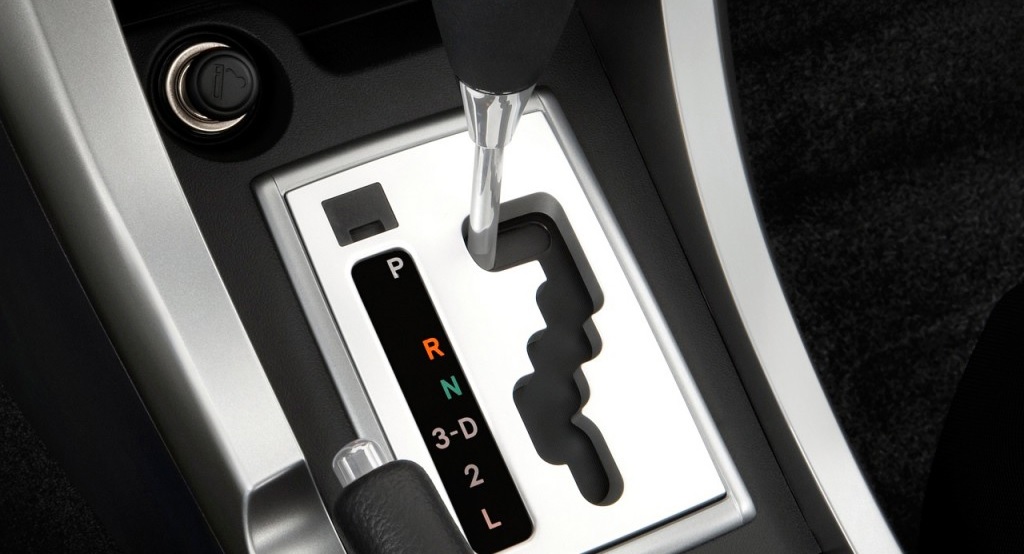
Understanding the “L” on a gear shift requires a look into the intersection of mechanical engineering and computer science. In contemporary vehicles, this setting is governed by the Transmission Control Module (TCM), a dedicated onboard computer that manages gear ratios, fluid pressure, and engine RPM to ensure the vehicle operates within safe parameters while providing maximum torque.
Understanding the Low Gear Mechanism: Engineering and Software Integration
At its core, the L setting locks the transmission into the lowest possible gear ratios—typically the first or second gear. Unlike the “Drive” setting, which allows the transmission to cycle through all available gears to optimize fuel efficiency and high-speed cruising, the Low setting prevents the system from upshifting to higher gears.
The Mechanics of Torque Multiplication
The primary technical objective of the Low gear is torque multiplication. In a lower gear, the engine’s crankshaft turns many times for every single revolution of the wheels. This mechanical advantage allows the engine to output maximum power at lower speeds. From a physics perspective, this is essential for overcoming high inertia. Whether you are starting from a standstill on a steep incline or pulling a heavy trailer, the L setting ensures that the engine stays within its “power band”—the RPM range where it produces the most torque.
In older, purely hydraulic transmissions, shifting into L physically moved a valve body to redirect fluid. In modern “Tech-First” vehicles, this is handled via electronic actuators. When you move the lever to L, you are sending a digital signal to the TCM, which then executes a series of commands to adjust the planetary gear sets or the pulleys in a Continuously Variable Transmission (CVT).
How the Transmission Control Unit (TCU) Manages Downshifting
The integration of software into gear management has made the L setting safer and more efficient. In the past, shifting into a low gear at high speeds could cause catastrophic mechanical failure, often referred to as “over-revving.” Modern automotive tech includes “inhibitor software.” If a driver accidentally shifts into L while traveling at highway speeds, the TCU will ignore the command or delay the downshift until the vehicle’s speed drops to a threshold where the lower gear won’t exceed the engine’s redline.
This software-defined safety net allows for a more aggressive use of the engine’s power without the risk of mechanical disintegration. The computer monitors throttle position, vehicle speed, and even the angle of the car (via inclinometers) to determine the optimal timing for engaging the Low gear parameters.
Optimal Use Cases for the L Setting in Modern Vehicles
While modern automatic transmissions are incredibly adept at selecting the right gear for standard commuting, there are specific environmental and mechanical scenarios where manual intervention via the L setting is technologically superior to the “Drive” algorithm.
Mastering Steep Inclines and Engine Braking
One of the most critical applications of the L setting is “engine braking” during long, steep descents. When a vehicle descends a mountain pass, relying solely on the friction brakes (pads and rotors) can lead to a dangerous phenomenon known as “brake fade.” High friction generates extreme heat, which can eventually cause the brake fluid to boil or the pads to lose their grip.
By shifting into L, the driver uses the engine’s internal vacuum and compression to resist the vehicle’s momentum. Effectively, the engine becomes a secondary braking system. This tech-driven approach to speed management preserves the hardware of the braking system and provides the driver with significantly more control over the vehicle’s descent speed without requiring constant pedal input.
Navigating Challenging Terrains: Mud, Snow, and Heavy Loads
In off-road or low-traction environments, the L setting provides the steady, consistent power delivery required to maintain momentum. When driving through deep snow or thick mud, a standard “Drive” setting might attempt to upshift as the wheels spin, causing a sudden loss of torque that can lead to the vehicle becoming stuck.
By locking the transmission into L, the software maintains a high-torque, low-speed output that keeps the tires churning at a consistent rate. Furthermore, when towing heavy loads—such as boats or trailers—the L setting reduces the “hunting” effect where a transmission constantly shifts between gears trying to find the right balance of power and economy. By staying in a lower gear, the system reduces wear on the transmission clutches and keeps the engine cool by maintaining higher coolant flow via higher RPMs.
The Evolution of Gear Shifting: From Manual Linkages to Shift-by-Wire
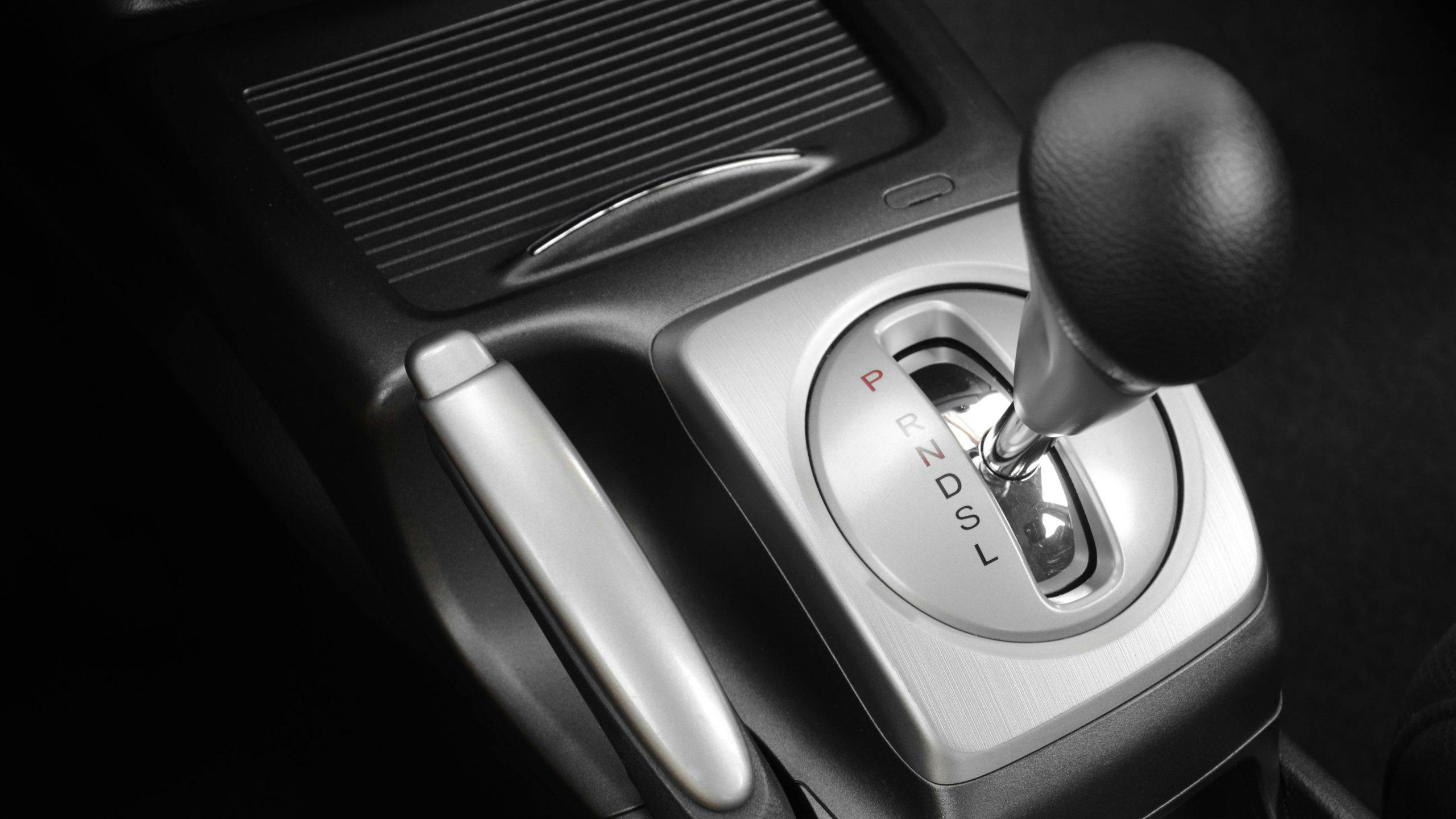
The “L” position on a gear shift is a bridge between the analog past and the digital future. To understand where this technology is going, we must look at how the physical act of shifting has evolved into a purely digital interface.
The Role of Sensors in Modern Automatic Transmissions
Modern transmissions are essentially high-speed data networks. A variety of sensors—including the Transmission Fluid Temperature (TFT) sensor, the Input Speed Sensor (ISS), and the Output Speed Sensor (OSS)—constantly feed data to the vehicle’s central nervous system. When the L gear is engaged, these sensors go into a high-sensitivity mode.
The software utilizes this data to prevent overheating. Since running in a low gear involves higher RPMs, the computer may adjust the cooling fan speed or the fuel injection timing to manage the thermal load. This level of granular control was impossible in the era of mechanical linkages, highlighting how “Low Gear” has evolved into a sophisticated software state rather than just a physical position of gears.
Transitioning from Physical “L” to Electronic Drive Modes
In many high-end or newer vehicle models, the physical “L” on the shifter is disappearing, replaced by “Drive Modes” or “Manual/Sport” modes with paddle shifters. This transition represents a shift in user experience (UX) design within the automotive industry. Instead of selecting a specific gear, drivers select a “Terrain Mode” (like Sand, Rock, or Mud) or a “Tow/Haul” mode.
Under the hood, these modes often activate the same low-gear logic that the “L” setting traditionally provided. However, the tech now manages it more intelligently. For instance, a “Hill Descent Control” button uses the ABS system in conjunction with low-gear transmission logic to move a vehicle down a steep grade at a fixed, computer-controlled speed of 2-3 mph. This is the logical evolution of the L setting: a fully automated, sensor-driven safety feature.
Maintenance and Longevity: The Technical Impact of Improper Gear Selection
Using the L setting is a powerful tool, but like any specialized technology, it requires an understanding of the underlying hardware to avoid premature wear. The relationship between gear selection and vehicle longevity is dictated by fluid dynamics and thermal management.
Heat Dissipation and Fluid Dynamics
Transmission fluid serves three purposes: it acts as a hydraulic fluid to change gears, a lubricant for moving parts, and a coolant to whisk away heat. When a vehicle is held in L for extended periods at higher speeds, the friction within the transmission increases, generating significant thermal energy.
Modern synthetic transmission fluids are engineered to withstand high temperatures, but they have limits. If a driver uses L inappropriately—such as driving at 40 mph in a gear designed for 15 mph—the fluid can oxidize, losing its lubricating properties. Tech-savvy drivers monitor their dashboard alerts; many modern vehicles will display a “Transmission Overheating” warning if the L gear is being taxed beyond the cooling system’s capacity, a feature enabled by the integration of thermal sensors into the transmission’s internal circuitry.
Avoiding Over-Revving and Software Safeguards
While modern software prevents most forms of “user error,” consistently pushing an engine to its RPM limit in Low gear can still accelerate wear on engine components like valves and pistons. The “redline” on a tachometer is a physical limit, but the “electronic limiter” is the software barrier that prevents the engine from exceeding that limit. When using L for engine braking, it is vital to monitor the tachometer. Even with software safeguards, the mechanical stress of high-RPM operation is a factor in long-term vehicle health.
The Future of the Gear Shift in the Era of Electric Vehicles (EVs)
As the automotive industry pivots toward electrification, the concept of “gears” and the “L” setting is undergoing a radical transformation. Most Electric Vehicles (EVs) utilize a single-speed transmission because electric motors provide 100% of their torque from zero RPM, eliminating the need for the torque multiplication provided by a traditional Low gear.
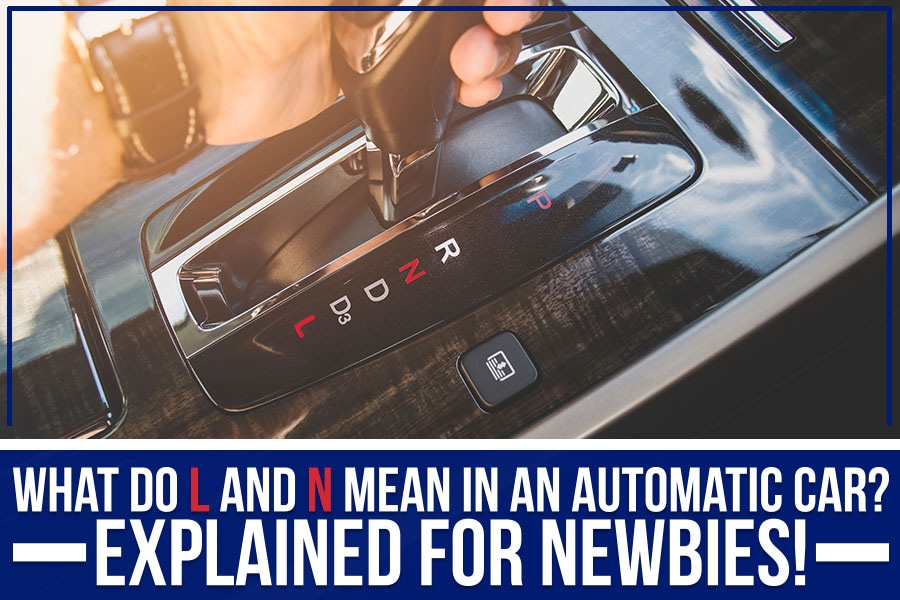
However, the functional spirit of the L setting lives on in EVs through “Regenerative Braking” modes, often labeled as “B” (Brake) or “L” on EV shifters. In this context, “L” doesn’t change a gear ratio; instead, it changes the software mapping of the electric motor. When the driver lifts off the accelerator, the motor reverses its function, acting as a generator to slow the car down and feed energy back into the battery.
This digital reimagining of the Low gear achieves the same goal as engine braking in an internal combustion engine—controlled deceleration and reduced wear on friction brakes—but does so through electromagnetism and power electronics rather than mechanical gear sets. As we move toward a software-defined vehicle future, the “L” on the gear shift stands as a testament to the enduring need for specialized control modes, whether they are executed through steel cogs or lines of code.
aViewFromTheCave is a participant in the Amazon Services LLC Associates Program, an affiliate advertising program designed to provide a means for sites to earn advertising fees by advertising and linking to Amazon.com. Amazon, the Amazon logo, AmazonSupply, and the AmazonSupply logo are trademarks of Amazon.com, Inc. or its affiliates. As an Amazon Associate we earn affiliate commissions from qualifying purchases.