
The question of “what does konjac taste like?” is deceptively simple. For consumers encountering konjac for the first time, especially as a substitute for more traditional carbohydrate-rich foods, this query is central to their purchasing decision. However, behind this seemingly straightforward question lies a complex interplay of perception, marketing, and brand strategy. Konjac, a humble root vegetable, has been strategically positioned within the global food landscape, and its “taste” is as much a product of its culinary execution and branding as it is of its inherent properties.
The Neutral Canvas: Konjac’s Intrinsic Flavor Profile
At its core, konjac itself possesses a remarkably neutral flavor. This is not an accidental characteristic but a foundational element upon which its successful market positioning has been built. Understanding this neutrality is key to appreciating how brands leverage konjac.
The Absence of Strong Dominance
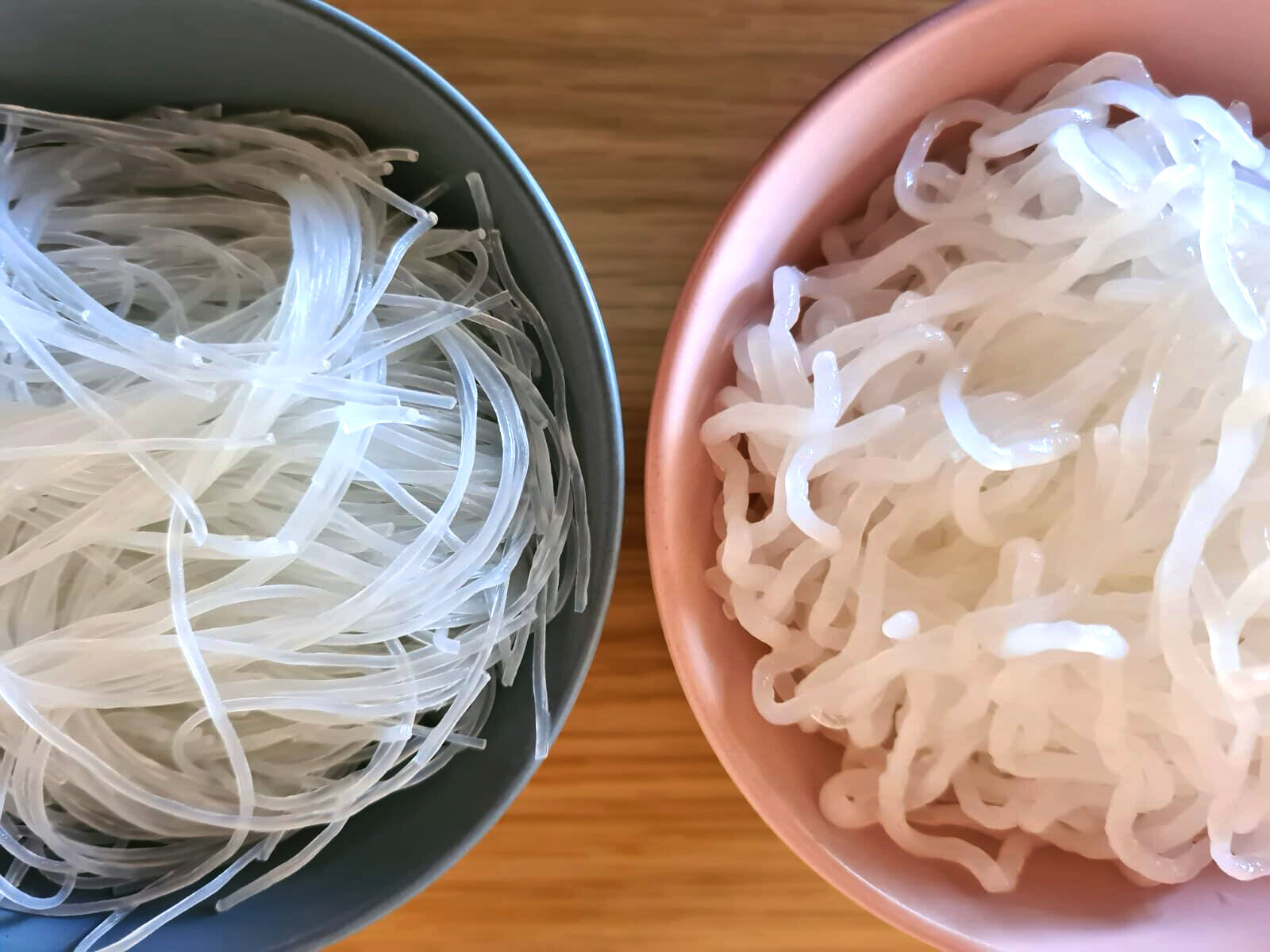
Unlike ingredients that boast a distinct and powerful flavor profile, such as garlic or chili, konjac offers a blank slate. Its natural taste is often described as bland, subtle, or even imperceptible. This lack of inherent flavor is not a weakness but a significant strength when considering its role in processed foods and dietary alternatives. For brand managers, this neutrality means that konjac can seamlessly integrate into a vast array of dishes without clashing with existing flavorings. It doesn’t impose its own taste, allowing the intended flavors of a dish – be it a creamy pasta sauce, a spicy curry, or a sweet dessert – to shine through. This adaptability is a critical asset in product development and marketing.
Textural Allure: The Primary Sensory Experience
While taste is often the primary focus of culinary exploration, the sensory experience of konjac is largely dominated by its texture. When prepared, konjac products like shirataki noodles or konjac flour are characterized by their unique, often slightly chewy or jelly-like consistency. This textural distinctiveness is frequently the most memorable aspect for consumers. Brands capitalize on this by emphasizing the “satisfying chew” or the “refreshing bite” of their konjac-based products. This focus on texture allows brands to create a tangible sensory appeal, differentiating their offerings in a crowded market. The marketing narrative often shifts from taste to the physical sensation, thereby defining konjac’s culinary identity through its mouthfeel rather than its flavor.
The Role of Water Content
A significant contributor to konjac’s mildness and textural properties is its extremely high water content. This translates to a low calorie count and a feeling of fullness, both of which are highly desirable attributes for health-conscious consumers. Brands cleverly weave this into their messaging, positioning konjac as a guilt-free indulgence or a smart choice for weight management. The “taste” becomes intertwined with these benefits. When a consumer asks “what does konjac taste like?”, the implicit question often extends to its nutritional value and its impact on their dietary goals. Brands answer this by associating the neutral flavor with positive health outcomes, effectively shaping the perceived taste through its functional benefits.
Branding Konjac: From Niche Ingredient to Market Staple
The journey of konjac from a traditional Asian ingredient to a globally recognized dietary staple is a testament to effective brand strategy and marketing. Brands have meticulously crafted narratives around konjac, influencing consumer perception and demand.
The “Health Halo” and “Diet Food” Positioning

The most prominent branding strategy for konjac has been its association with health and dieting. Brands have consistently positioned konjac products as low-calorie, low-carbohydrate, gluten-free, and vegan alternatives. This “health halo” effect is powerful. Consumers actively seeking these attributes are predisposed to perceive konjac favorably, even if its taste is not overtly exciting. The marketing campaigns often feature vibrant imagery of healthy individuals, delicious-looking meals that happen to be konjac-based, and testimonials highlighting weight loss or improved well-being. This creates a positive association where the “taste” is implicitly linked to achieving desired health outcomes. The neutral flavor becomes a symbol of purity and healthful eating.
Culinary Adaptability as a Marketing Differentiator
Beyond its health benefits, brands have also emphasized konjac’s versatility. Marketing materials showcase a wide range of dishes that can be prepared with konjac products, from classic Italian pasta dishes to Asian stir-fries and even desserts. This adaptability is framed as an advantage, allowing consumers to enjoy familiar flavors and textures while adhering to dietary restrictions. Brands invest in recipe development and content marketing, providing consumers with the tools and inspiration to integrate konjac into their daily lives. The “taste” is then contextualized within these diverse culinary applications, suggesting that konjac can be whatever the consumer wants it to be, a chameleon ingredient that absorbs and complements.
Leveraging Cultural Authenticity vs. Modern Innovation
The branding of konjac often walks a fine line between acknowledging its traditional roots and presenting it as a modern innovation. Some brands lean into the heritage of konjac, highlighting its long history in Asian cuisine and its natural origins. This can evoke a sense of authenticity and tradition. Conversely, other brands focus on the scientific innovation behind konjac’s processing and its role in contemporary health trends. This approach emphasizes its cutting-edge nature and its suitability for the modern, health-conscious lifestyle. The perceived “taste” can be influenced by which narrative a brand chooses to emphasize – is it the wholesome, time-tested ingredient, or the scientifically engineered solution for modern dietary challenges? Both approaches aim to build a compelling brand identity that resonates with specific consumer segments.
Navigating Consumer Perception: The Role of Education and Expectation Management
The success of konjac in the market hinges on effectively managing consumer expectations and educating them about its unique characteristics. This is where branding plays a crucial role in shaping how the “taste” is experienced.
The Power of the Narrative: Pre-Taste Conditioning
Before a consumer even tastes a konjac product, their perception is already being shaped by marketing narratives. Brands invest heavily in storytelling, often portraying konjac as a revolutionary food item that offers the best of both worlds: low calories and satisfying textures. This pre-taste conditioning is critical. If a consumer is told that konjac is a healthy alternative that tastes like regular pasta, they may be disappointed. However, if the narrative emphasizes its unique texture and its ability to absorb flavors, the focus shifts. Brands are not necessarily trying to convince consumers that konjac tastes exactly like traditional counterparts, but rather that it offers a compelling and enjoyable culinary experience in its own right.
Managing Expectations for a Neutral Palate
One of the biggest challenges in branding konjac is managing the expectation of taste. When consumers associate a food item with “taste,” they often anticipate a distinct flavor profile. Konjac’s neutrality can be a point of confusion or even disappointment if not properly communicated. Effective branding involves education. Companies using konjac in their products often provide clear instructions on how to prepare and season it to maximize its flavor-absorbing potential. Marketing materials may explicitly state that konjac is a “flavor carrier” rather than a flavor-dominant ingredient. This proactive approach to expectation management is essential for building long-term consumer satisfaction and brand loyalty. The “taste” is therefore presented as an outcome of proper preparation and the addition of other flavorful ingredients.

The “Konjac Experience” as a Brand Differentiator
Ultimately, brands are not just selling konjac; they are selling an “experience.” This experience is a carefully curated blend of health benefits, textural satisfaction, culinary adaptability, and perceived value. When consumers ask “what does konjac taste like?”, they are asking about this holistic experience. Brands that succeed are those that can articulate this experience compellingly, using branding to create a positive and memorable impression. The taste of konjac, while inherently neutral, becomes a perceived positive attribute when it is framed within a broader narrative of healthy, satisfying, and versatile eating. It is the branding that transforms a bland root into a desirable food product, making its “taste” a matter of perception shaped by strategic communication and consumer engagement.
aViewFromTheCave is a participant in the Amazon Services LLC Associates Program, an affiliate advertising program designed to provide a means for sites to earn advertising fees by advertising and linking to Amazon.com. Amazon, the Amazon logo, AmazonSupply, and the AmazonSupply logo are trademarks of Amazon.com, Inc. or its affiliates. As an Amazon Associate we earn affiliate commissions from qualifying purchases.